

19th Century Bronze Lamp
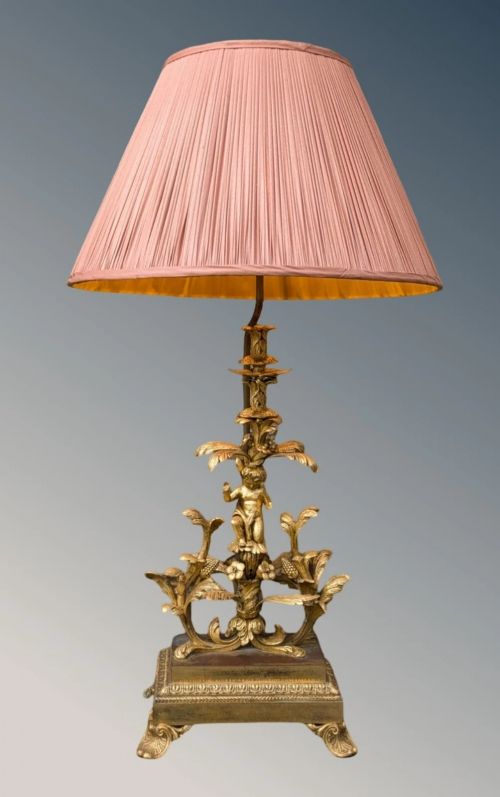
When sourcing a 19th century bronze lamp, collectors encounter grand tour pieces, French neoclassical designs and converted oil lamps that bring classical weight to a room.
19th Century Bronze Lamp
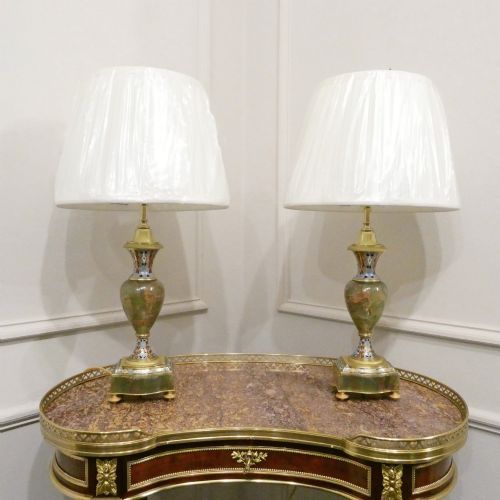
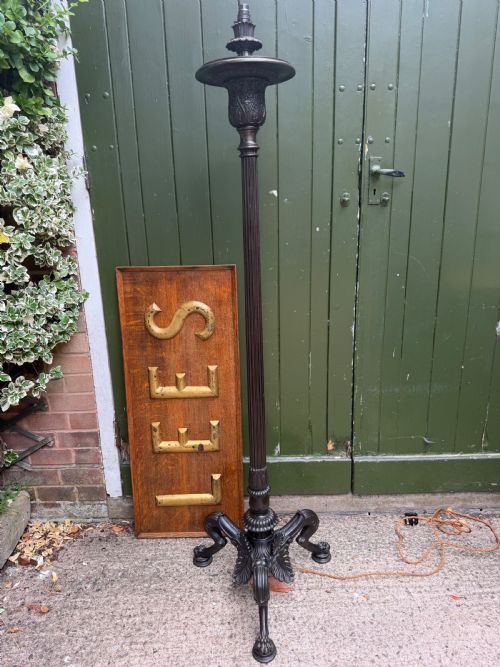
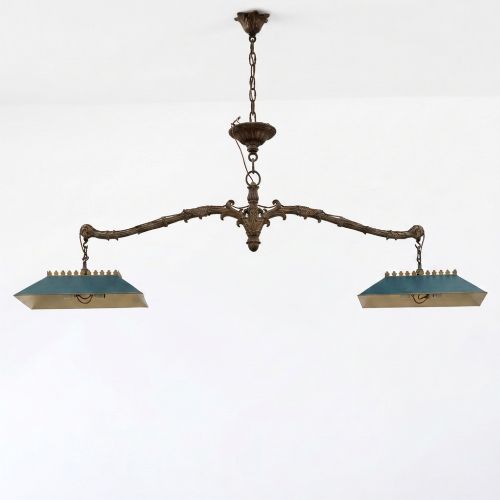
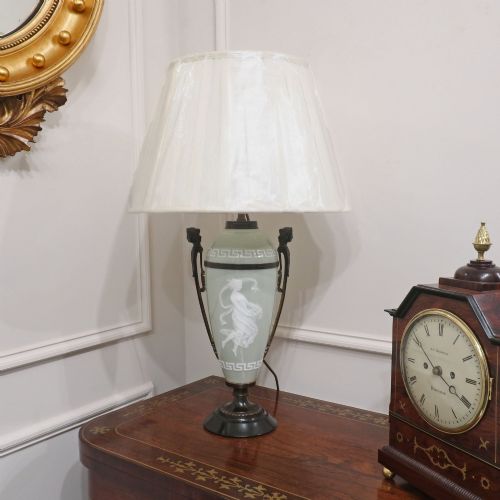
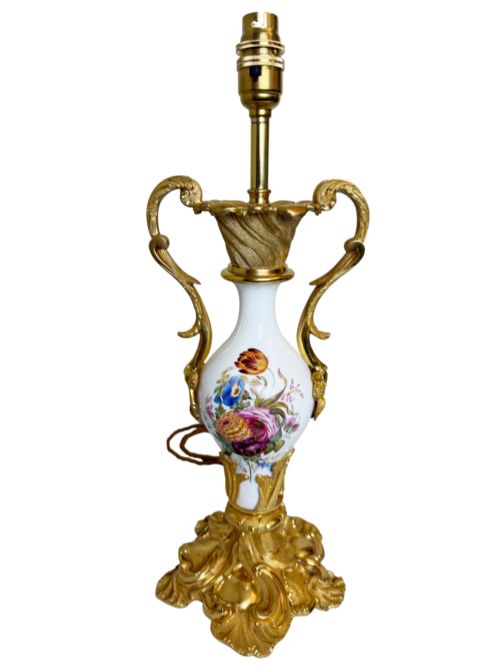
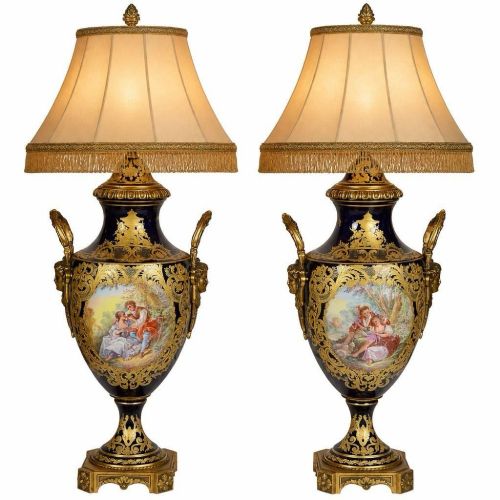
A 19th century bronze lamp encompasses table lighting, floor standards and oil lamps produced across the Victorian era, utilising patinated bronze, gilt bronze and ormolu. Table models dominate the selection, frequently paired with porcelain, marble urns or champleve enamel.
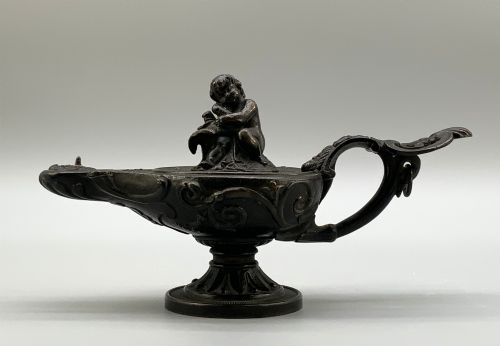
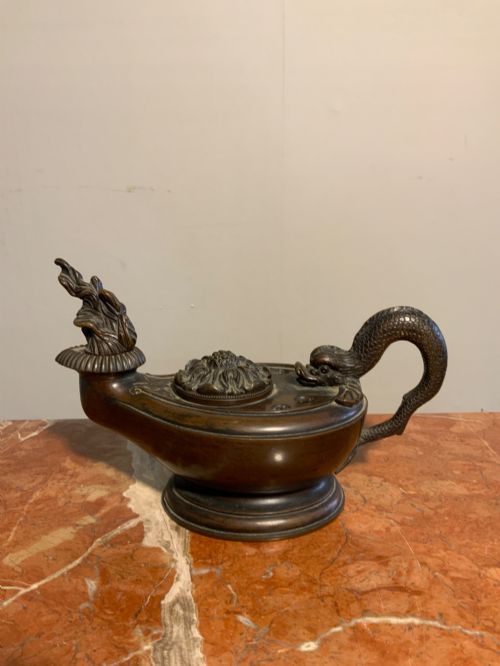
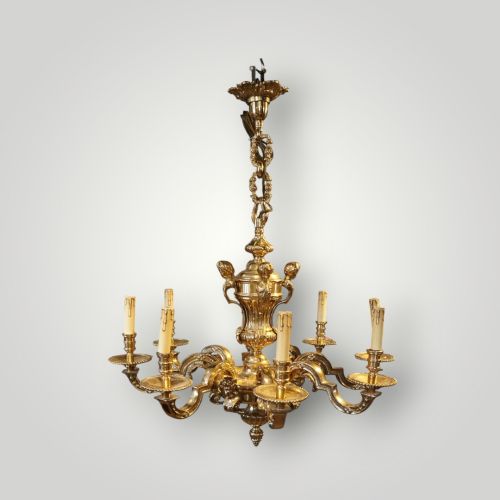
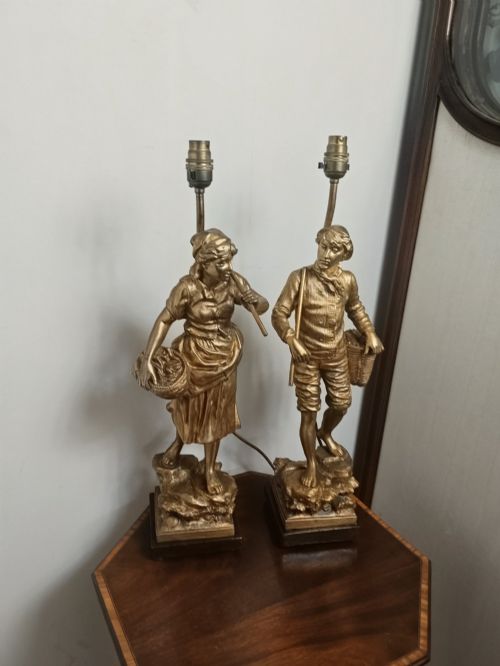
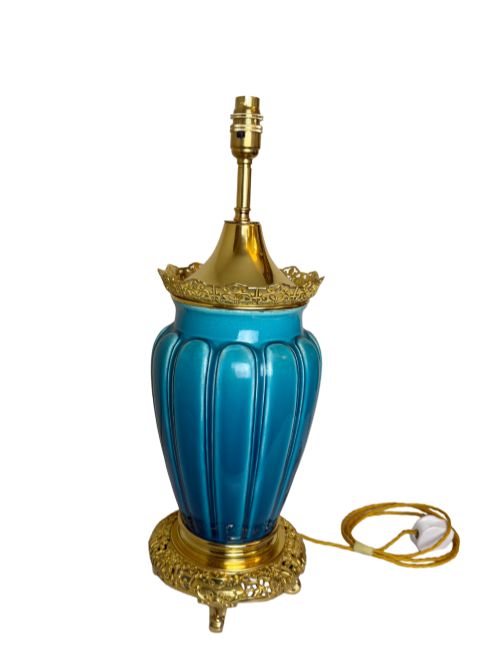
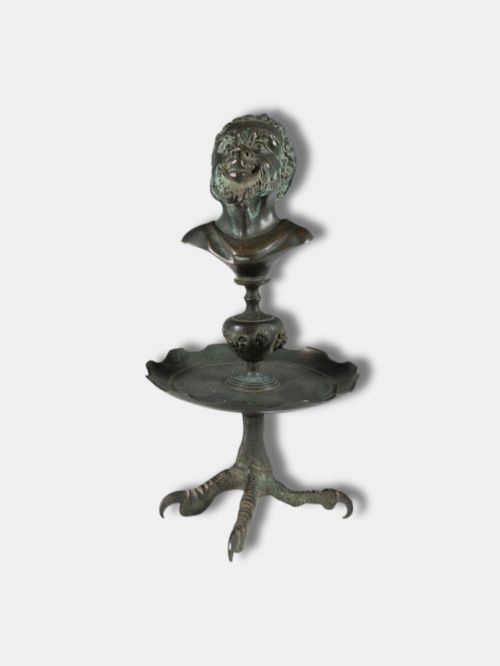
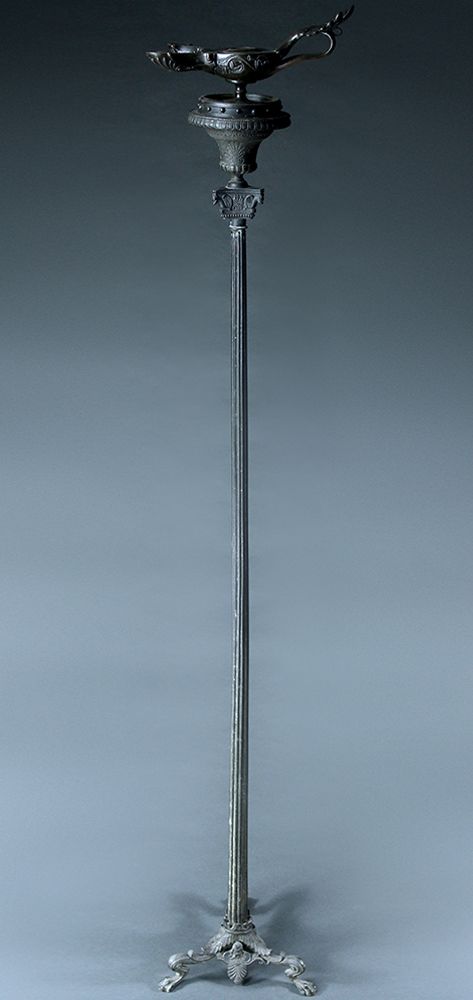
Many examples originate from French workshops following Rococo, Neoclassical or Louis XVI period styles, often incorporating figural elements such as cherubs, satyrs and mythological beasts. Other variations include Japanese and Chinese vases fitted with bronze mounts, alongside Italian Grand Tour pieces modeled after antique oil lamps.
Conversions from earlier lighting formats, including oil burners and candlesticks, form a significant portion of the available inventory. These pieces bridge utilitarian origins and decorative interior design, retaining cast details like ram heads and acanthus scrolls.
How they were made
Foundry work relied on sand casting or lost-wax techniques to shape the bronze components, followed by hand-chasing to sharpen surface details and cast lines. Ormolu mounts underwent mercury gilding or electroplating to achieve a durable golden finish alongside patinated sections.
Makers integrated mixed media by securing bronze and ormolu mounts to porcelain bodies, marble plinths, onyx bases and hand-cut glass vessels. Wiring conversions altered original oil fonts or fluid reservoirs while preserving the structural integrity of the metalwork.
19th Century Bronze Lamp Retail Price Guide 2026
Typical asking prices for 19th century bronze lamp among the pieces listed under this phrase on Sellingantiques today, from the lower quarter to the upper quarter. They describe what is for sale here now, not the wider market.
Several lamps feature winged griffins, bacchantes, and whimsical rams that appear ready to bolt off the mahogany table.
What varies in quality
Material integration marks the upper tier, where marble bases, porcelain panels such as Sevre-style wares, and hand-painted pate-sur-pate details align harmoniously with the metal mounts. Maker attribution to known houses like François Linke or Emile Picault elevates historical significance.
E Rousseau·François Linke·Emile Picault·Joseph Hinks
The 19th Century Bronze Lamp Glossary
- Ormolu
- Gilt bronze mounted on decorative objects, created by applying a mercury-gold amalgam to cast bronze. This technique produced a rich yellow-gold finish common in French decorative arts.
- Patination
- The surface coloration of bronze resulting from age, chemical treatment or environmental exposure. A controlled patina highlights the high points of a casting.
- Champleve
- An enamelling technique where troughs are carved into the bronze surface and filled with vitreous enamel paste before firing. It frequently appears on turn-of-the-century decorative table pieces.
- Grand Tour
- Souvenirs and classical antiquities acquired by travellers touring European cultural centres during the nineteenth century. These items often replicated excavated Roman and Greek oil lamps.
- Pate-sur-pate
- A ceramic decorating method where wet porcelain slip is applied in successive layers to a contrasting background. It creates a low-relief cameo effect on porcelain lamp bodies.
19th Century Bronze Lamp: Frequently Asked Questions
What is a Grand Tour bronze lamp?
A Grand Tour bronze lamp is a nineteenth-century souvenir inspired by classical archaeological discoveries in Italy and Greece. These pieces frequently replicate ancient oil lamps, tripods and figural motifs encountered by travellers.
Such lamps served both decorative and commemorative functions in nineteenth-century interiors. They capture the period obsession with classical antiquity and sculptural metalwork.
How can I identify a converted oil lamp?
Converted oil lamps typically feature a central font or burner mechanism that has been adapted to house electrical wiring and bulb fittings. Traces of original wick adjusters or fuel reservoirs often remain visible beneath the collar.
These adaptations allow historic lighting to function safely in modern settings while retaining their original nineteenth-century proportions and weight.
What materials accompany bronze in these lamps?
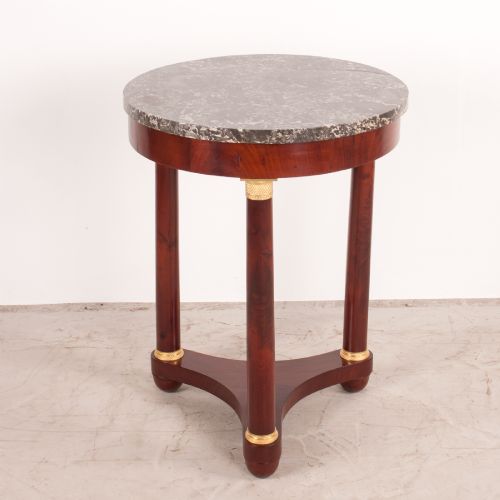
Nineteenth-century bronze lamps frequently incorporate contrasting materials such as Rouge marble, onyx, porcelain and cut glass. Ormolu mounts and gilt bronze details are also common additions.
These combinations reflect the decorative tastes of the Victorian period and French revival styles, adding colour and texture to the metallic bases.
Are these lamps wired for modern use?
Many listed lamps have been rewired for contemporary electrical standards, though some retain older wiring that requires updating. Buyers should inspect the internal fittings and cord paths to determine if professional rewiring is necessary.
Preserving the original bronze body while updating the electrical components ensures the lamp remains both safe and historically intact.