




Bronze Figural Table Lamp
A bronze figural table lamp brings sculptural presence and warm illumination to a room, combining human form with functional lighting.

What these bronze figural table lamps are
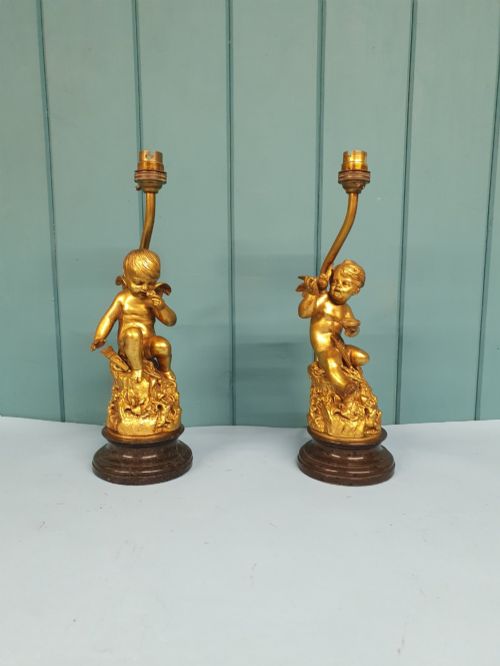
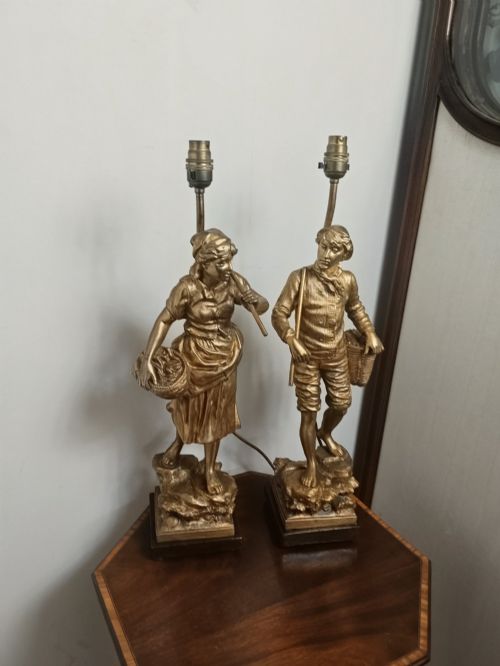
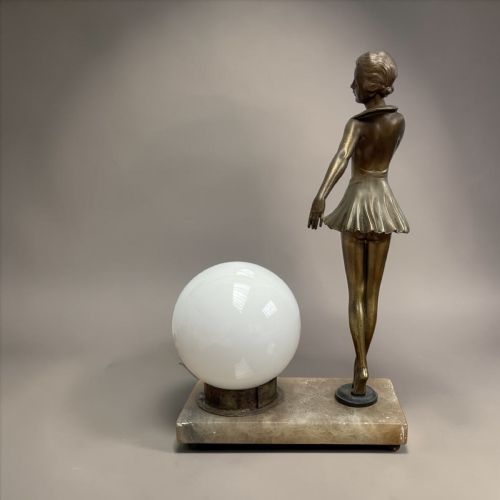
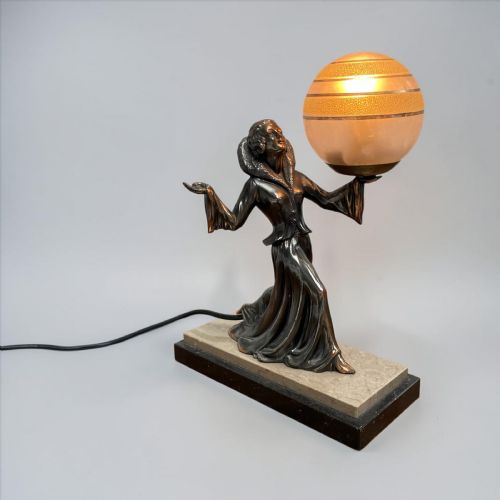
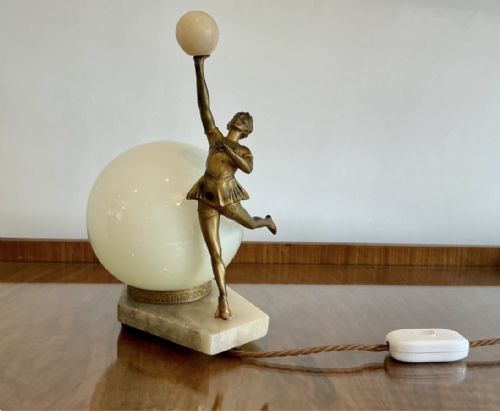
A bronze figural table lamp fuses cast metal sculpture with electrical components to create an illuminating centrepiece for interior spaces. These pieces merge classical mythology, allegorical subjects and modernist dancer forms into heavy, decorative light fittings designed for domestic display.
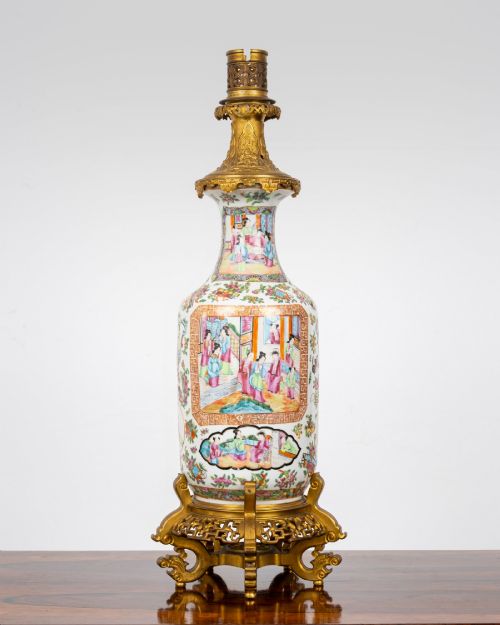
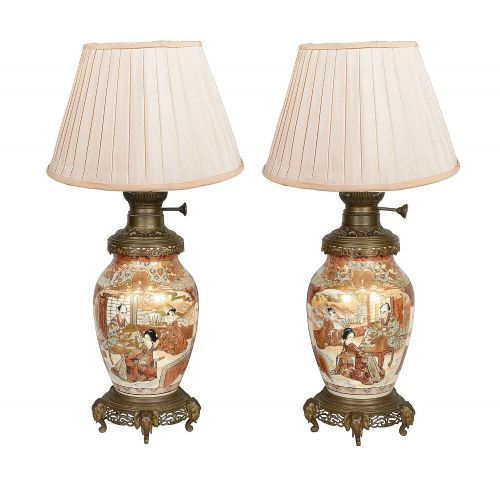
The bronze figural table lamp most frequently encountered on this page originates from French workshops across the nineteenth and early twentieth centuries. Makers utilise patinated metal, cold painted bronze and ormolu to render detailed human figures mounted upon solid marble plinths.
How they were made
Makers integrated electrical components into the sculptural bases or incorporated frosted glass shades to diffuse the light emitted by the lamp. Artisans signed their works directly onto the metal casting, marking the bronze alongside foundry stamps or title plaques.
Retail Price Guide 2026
Typical UK retail prices for bronze figural table lamp, calculated from the Sellingantiques database of over a million retail prices indexed since 2003. This retail price guide relies exclusively on Sellingantiques data; no external sources or auction records are used, so the figures do not describe the wider market.
Materials recorded across these pieces include bronze, marble, frosted glass, ormolu, cold painted bronze, patinated metal, and electrical components.
What varies in quality
The choice of secondary materials, such as the grade of the marble plinth and the quality of the ormolu gilding, dictates the overall presence of the object. Heavier, more substantial metalwork combined with original electrical components and frosted glass elements elevates the piece within its period style.
Emile Picault·Bruno Zach·P.Sega
The Bronze Figural Table Lamp Glossary
- Ormolu
- Gilded bronze produced by applying a mercury and gold amalgam to the metal surface and heating it to drive off the mercury. This technique creates a rich, durable golden finish found on nineteenth-century French pieces.
- Cold Painted Bronze
- A method where paint is applied to a cold bronze casting without subsequent firing, often associated with Viennese and Art Deco figural works. The delicate pigments require careful handling to preserve their original tones.
- Patinated Metal
- Metal treated with chemical solutions to produce a specific surface colour or aged appearance. This darkens the bronze or creates greenish tones that highlight the contours of the sculptural figure.
- Neoclassical
- A style drawing inspiration from the classical art and culture of ancient Greece and Rome. Figures in this manner often depict mythological deities and classical heroes mounted on formal plinths.
- Art Deco
- A design movement spanning the 1920s and 1930s characterised by streamlined geometric forms and stylised depictions of human figures. Lamps from this era favour dynamic poses and modern materials.
Frequently Asked Questions
What is a bronze figural table lamp?
A bronze figural table lamp is a decorative light fixture featuring a cast metal human or mythological figure integrated into the base. These pieces combine sculpture with functional illumination.
Originating largely from French workshops, they utilise materials such as marble, ormolu, and frosted glass to create substantial decorative objects for the home.
How do I date a figural lamp?
Dating relies on identifying the artistic style, such as Neoclassical, Art Nouveau, or Art Deco, alongside any foundry marks or artist signatures cast into the metal. Nineteenth-century examples often feature classical or allegorical subjects.
Twentieth-century pieces from the 1920s and 1930s display modernist lines, cold painted finishes, and distinct theatrical or dancer motifs.
Were these lamps originally electrified?
Many nineteenth-century examples were originally manufactured as gaseliers or oil lamps before being converted to accept electrical components at a later date. Twentieth-century pieces were frequently designed from inception to house internal wiring.
Wiring methods and components often reflect the period of manufacture or subsequent professional rewiring updates.
Where should I place a figural lamp?
These lamps suit prominent locations where their sculptural qualities and heavy marble plinths can be appreciated, such as sideboards, heavy desks, or entrance halls. Their substantial weight requires a stable, sturdy surface.
Placing them away from direct sunlight preserves the cold painted finishes and patinated metal surfaces.