


French Bronze Table Lamp
A french bronze table lamp brings classical sculpture and warm illumination into a room, shaped by nineteenth-century foundry traditions.
Identifying the French Bronze Table Lamp
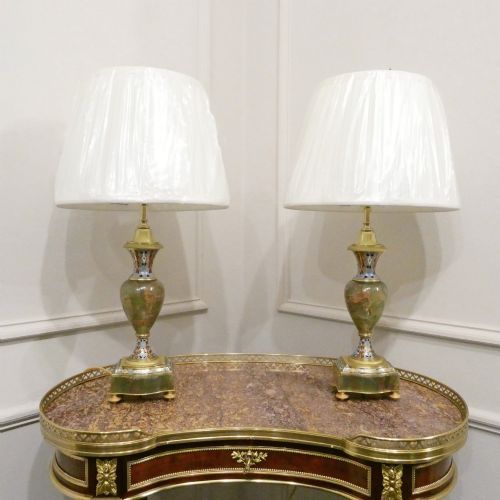
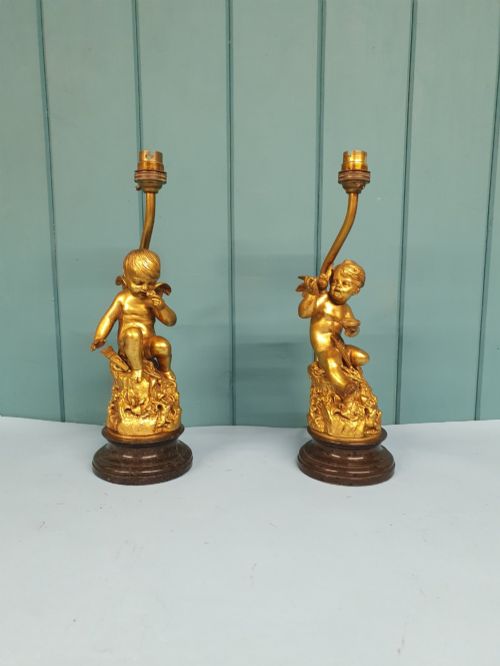
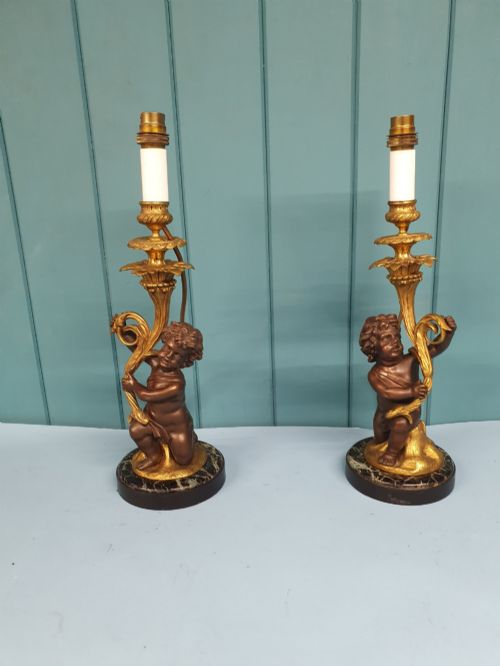
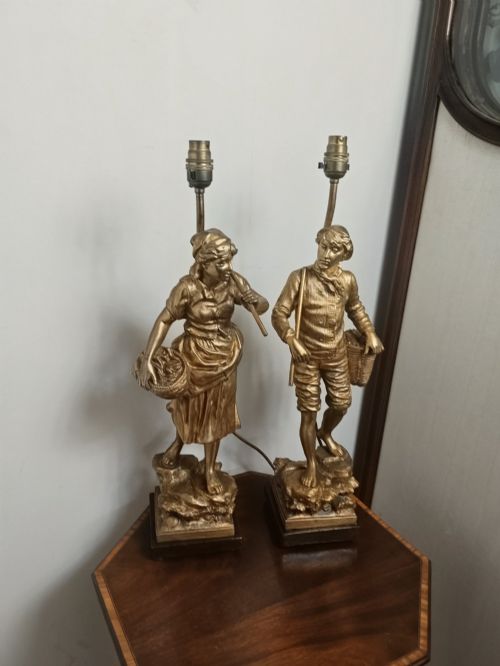
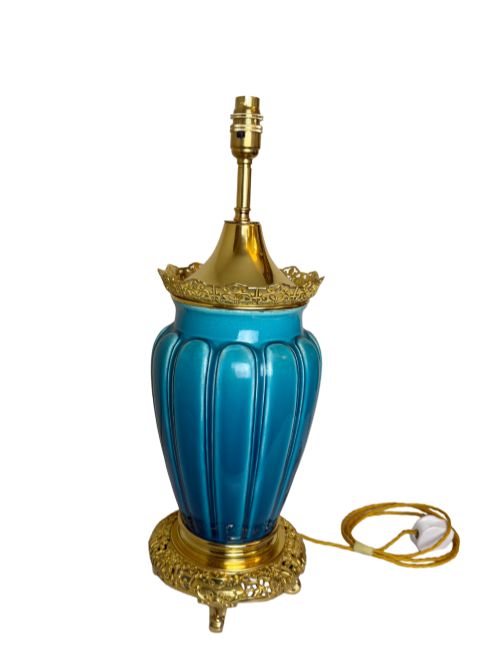
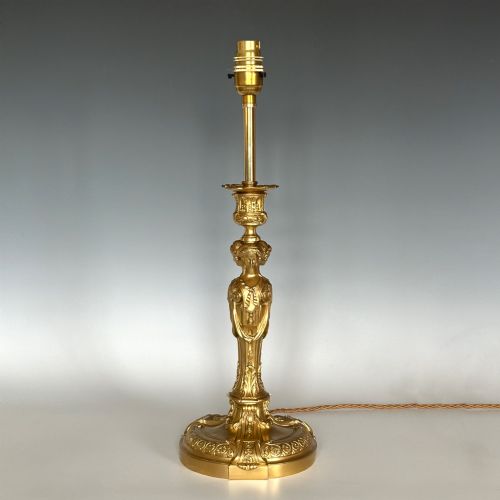
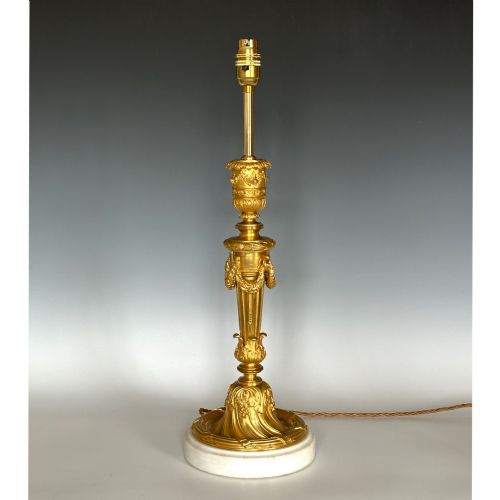
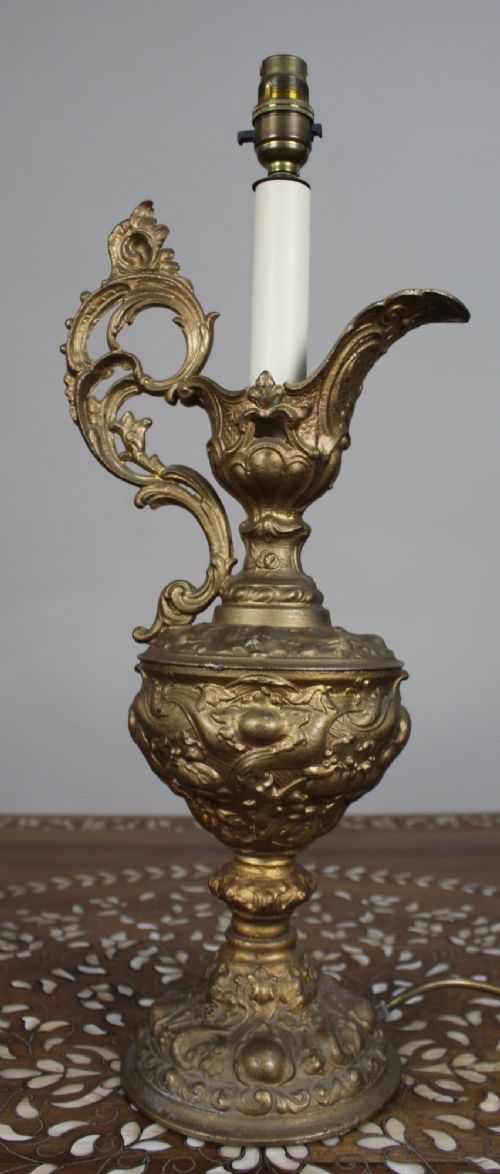
A french bronze table lamp combines heavy cast metal with classical figures, mythological motifs, or architectural columns. Examples range from figural interpretations of deities and putti to columnar designs resting on marble plinths.
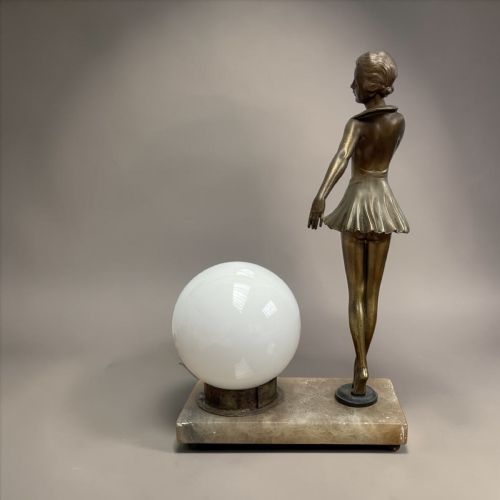
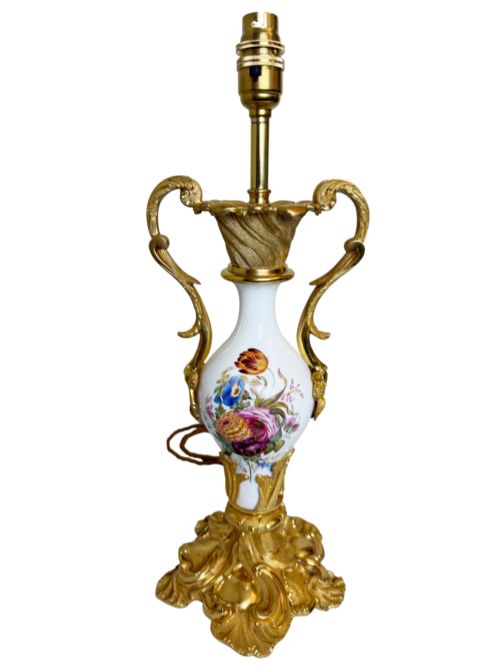
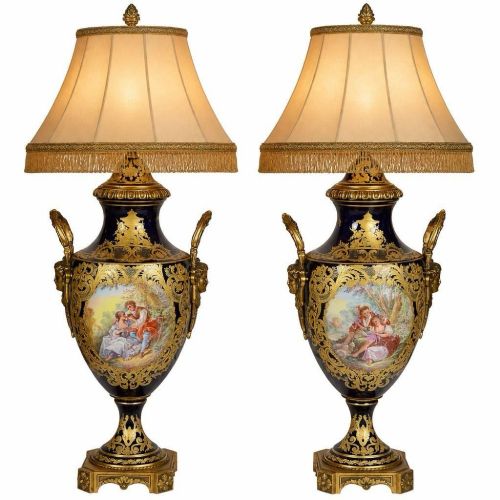
The nineteenth century and the early twentieth century dominate this selection, incorporating styles from Neoclassical and Napoleon III to Art Nouveau and Art Deco. Many pieces originate from older vases, urns, or candelabra later adapted for electrical illumination.
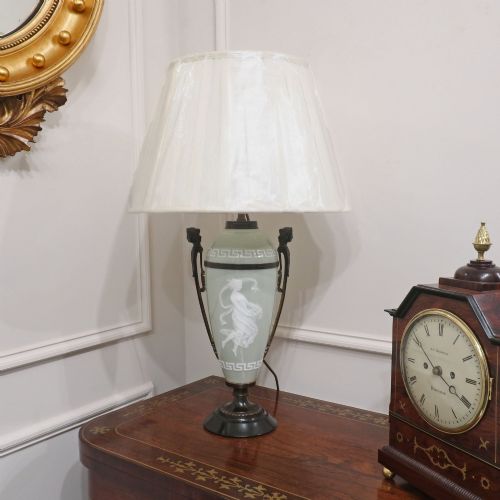
Figural bases frequently depict mythological subjects, cherubs, or animals alongside foliage. Simpler forms utilise column or urn structures paired with fabric or frosted glass shades.
Distinctions in Execution
Superior examples demonstrate crisp definition in the chased details of hair, hands, and drapery, whereas lesser castings lose nuance in softer contours. The weight and selection of supplementary materials, such as genuine marble plinths or rock crystal columns, separate standard production from exceptional studio output.
Signed works from notable glassmakers or bronze foundries carry distinct artistic attribution that elevates the piece. The integration of original gilding and patination against later modifications dictates the overall integrity of the object.
Retail Price Guide 2026
Typical UK retail prices for french bronze table lamp, calculated from the Sellingantiques database of over a million retail prices indexed since 2003. This retail price guide relies exclusively on Sellingantiques data; no external sources or auction records are used, so the figures do not describe the wider market.
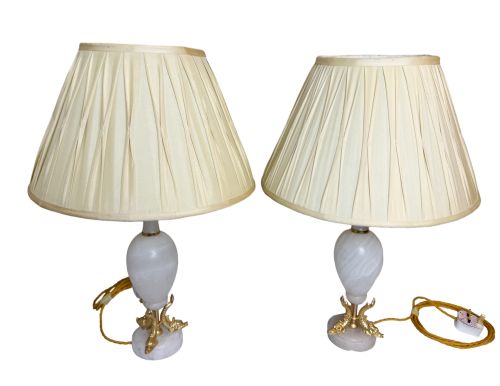
Watch for recumbent deer and vigilant greyhounds holding up the illumination.
Aug. Moreau·Emile Galle·Muller Bros·Charles Schneider
The French Bronze Table Lamp Glossary
- Ormolu
- Gilt bronze produced by applying a mercury and gold amalgam to cast bronze before firing. This technique creates a durable, warm golden surface finish.
- Patination
- The surface coloration achieved naturally through age or artificially through chemical treatments. It defines the dark, aged tone of the bronze.
- Cassolette
- A decorative vessel shaped like an urn or vase with a removable or reversible lid. These forms frequently served as the body for converted lamps.
- Putto
- A representation of a chubby male child, often winged, derived from classical art. These figures appear frequently supporting lamp stems or seated on bases.
- Chasing
- The manual finishing of a metal casting using small punches and hammers. This process sharpens surface details after the piece leaves the mould.
Frequently Asked Questions
How do I light a heavy bronze lamp safely?
Most older lamps require modern wiring to meet safety standards. Consult a professional electrician to fit appropriate internal cabling.
Ensure the heavy base remains stable with the chosen shade weight. LED bulbs help reduce heat near fragile nineteenth-century components.
Were these lamps originally made for electricity?
Many surviving examples began life as oil lamps, vases, or candelabra. Conversion to electricity typically occurred during subsequent twentieth-century restorations.
Conversion methods vary, but skilled adaptations preserve the primary metalwork without damaging the foundational structure.
How do I distinguish Neoclassical from Art Nouveau?
Neoclassical pieces rely on strict architectural symmetry, columns, and classical mythological figures. They look balanced, formal, and strictly geometric.
Art Nouveau designs embrace asymmetrical plant motifs, flowing female hair, and organic curves. These pieces reflect the artistic movements of the early twentieth century.
What is the best way to clean antique bronze?
Dust gently with a soft, dry brush to prevent accumulation in recessed chased details. Avoid harsh chemical polishes that strip away the aged surface patina.
Preserving the original patination maintains the historical character of the metal.