


Frosted Glass Desk Light
A frosted glass desk light brings soft illumination and distinct period character to a workspace, drawing principally on twentieth-century design.
Frosted Glass Desk Light
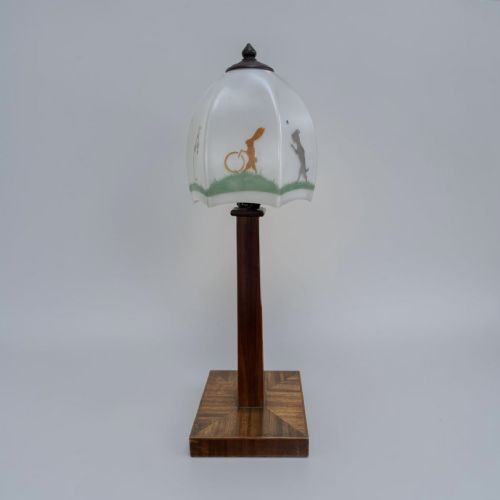
A frosted glass desk light serves as a functional workspace accessory and a decorative focal point. When buyers search for a frosted glass desk light, they encounter specimens spanning from the Victorian era through the Edwardian period and into the Art Deco twentieth-century era.
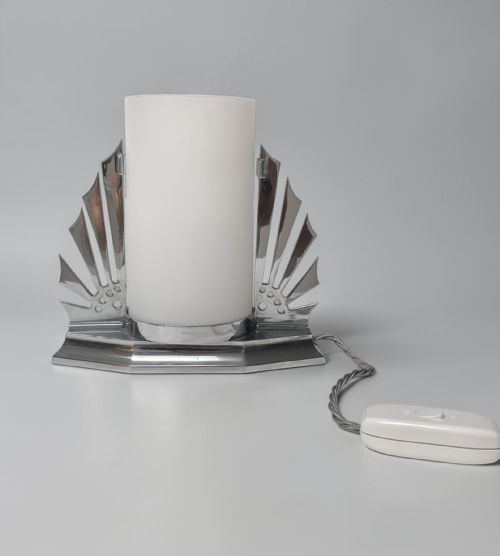
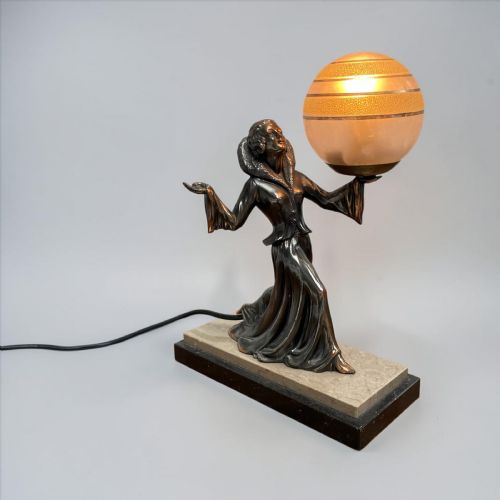
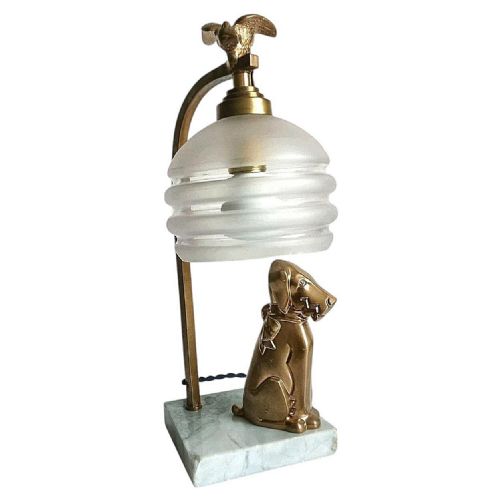
The selection on this page leans heavily towards Art Deco pieces alongside earlier Victorian and Edwardian examples. Forms range from straightforward brass and glass desk lamps to figural sculptures incorporating animals, human figures and nautical motifs.
Origins include English, French and German workshops, with stylistic influences stretching from French Neoclassical to Art Nouveau. Buyers find both simple utilitarian desk illumination and elaborate mood lighting designed for domestic studies.
How they were made
Maker utilisation of glass forms involves acid-etching or sandblasting to achieve the characteristic frosted finish. This translucent material diffuses light evenly across a desk surface, paired with structural components fashioned from cast brass, bronze, chrome or wrought iron.
Metal elements undergo casting, plating or patination depending on the period. Spelter and bronze provide weighty bases for figural lamps, while marble and ceramic components offer solid foundations and contrasting textures.
Materials represented include glass, frosted glass, brass, marble, chrome, bronze, spelter and patinated metal.
What varies in quality
Distinction across the range lies in the fidelity of the casting and the artistry of the glass shade. Pieces associated with named glasshouses or prominent sculptors display superior definition in figural details and superior weight in metal components.
The integration of materials dictates the overall calibre, where finely patinated brass, genuine marble bases and heavy nickel or chrome plating elevate a piece above standard mass-produced lighting of the period.
Karl Ens·Anton Buschelberger·Muller Bros·Degue·Emile Picault·Karl Palda·Walther and Sohne
The Frosted Glass Desk Light Glossary
- Spelter
- A zinc alloy commonly utilised as a less costly alternative to bronze for figural lamp bases during the late nineteenth and early twentieth centuries. It accepts patination well to simulate heavier metals.
- Art Deco
- A design style peaking in the 1920s and 1930s characterised by geometric symmetry, stylised figures and streamlined forms. Pieces from this era frequently combine chrome, frosted glass and marble.
- Patinated metal
- Metal treated with chemicals or heat to produce a deliberate surface finish or colour. This treatment protects the underlying material while enhancing visual depth.
- Frosted glass
- Glass rendered translucent through acid treatment or mechanical abrasion to scatter light softly. It forms the primary diffusing element for desk and table illumination.
- Swan neck desk lamp
- An adjustable task light featuring a curved arm reminiscent of a swan's neck. This configuration allows direct positioning of the beam over a writing surface.
Frosted Glass Desk Light: Frequently Asked Questions
How do I date a desk light?
Dating relies on identifying stylistic markers such as Victorian reeded columns, Edwardian swan neck brass profiles, or geometric Art Deco motifs from the nineteen-thirties. Materials like chrome and specific acid-etched glass techniques also point to particular decades.
Examining the construction methods, wiring apertures and maker signatures helps narrow the period of manufacture further.
Were these lamps used on desks?
Many examples serve as task lighting designed specifically for writing tables and office desks, particularly adjustable brass and swan neck variants. Other pieces function primarily as decorative table lamps or mood lighting.
The classification often bridges task illumination and ambient room lighting depending on the height and shade configuration.
What maintenance do glass shades need?
Frosted glass benefits from gentle cleaning with lukewarm water and a mild detergent to remove dust without damaging the etched surface. Avoid abrasive scourers that can alter the matte texture.
Metal components require appropriate care according to their finish, keeping unlacquered brass and bronze free from moisture accumulation.
Can modern bulbs fit antique lamps?
Most period lamps accommodate modern LED bulbs providing they match the original shade clearance and thermal limits. Rewiring by a professional ensures safe integration with contemporary electrical standards.
Maintaining the correct wattage preserves both the historic shade and the surrounding metalwork from excessive heat.