





Moulded Glass Lamp
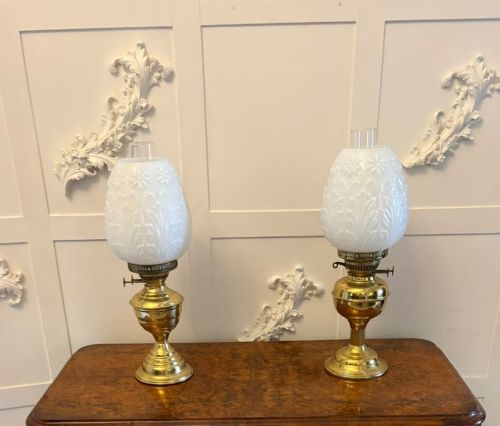
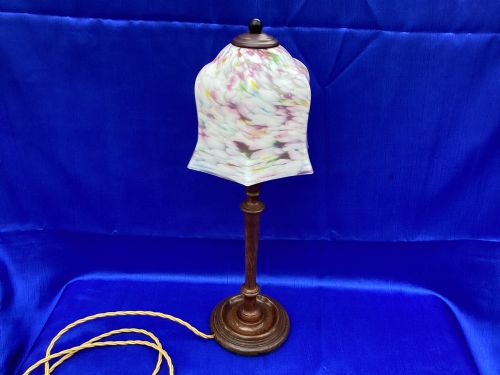
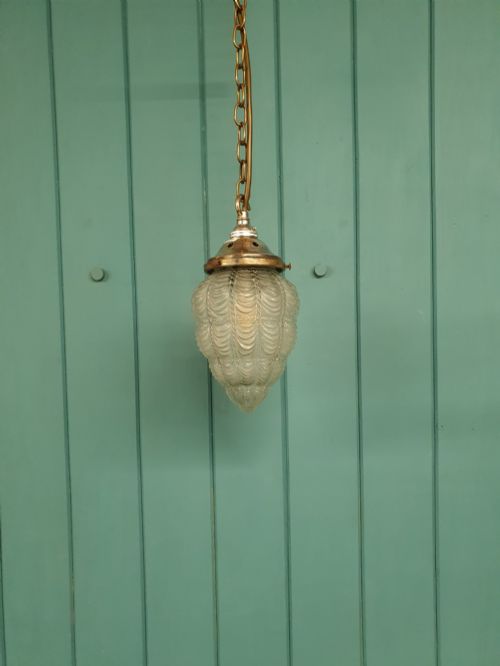
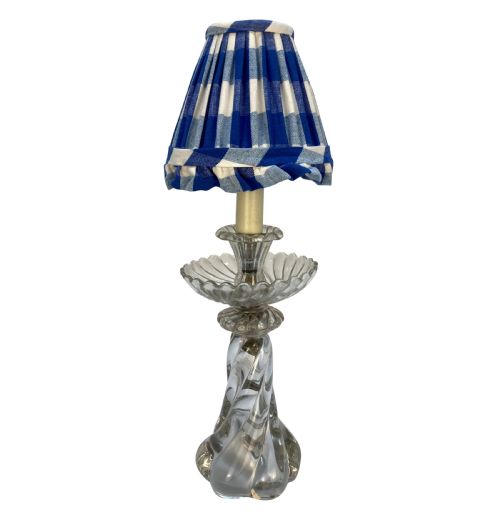
These moulded glass lamp examples bring period illumination to a room, combining tactile pressed shades with metal mounts.
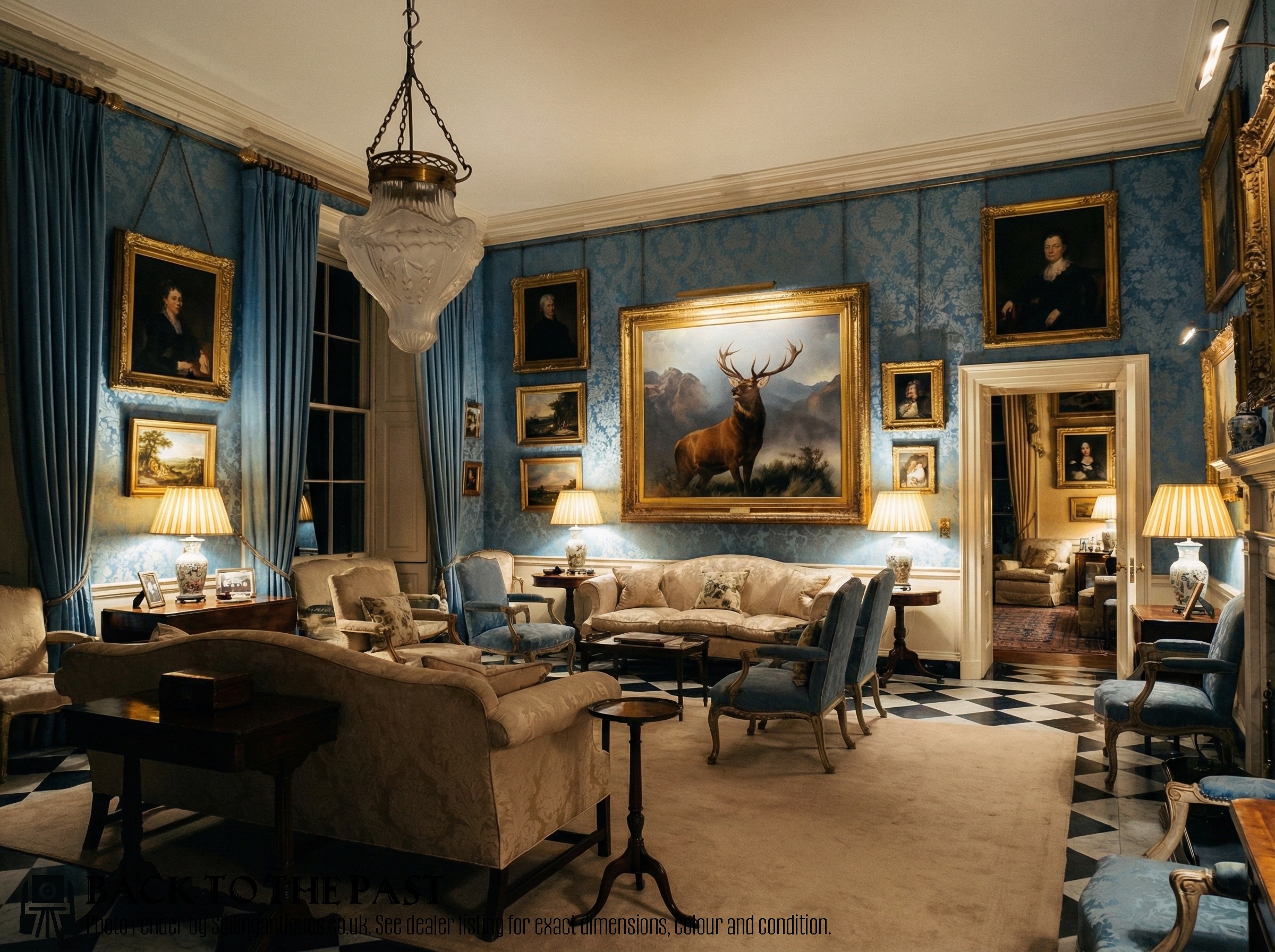
Moulded Glass Lamp
A moulded glass lamp is a luminaire featuring shaped or pressed glass elements, spanning periods from the Victorian era through the Edwardian period and into Art Deco design. When searching for a moulded glass lamp, buyers encounter a variety of forms including table lamps, wall lights, chandeliers, and pendant lights.
The selection ranges from early oil lamps with opaline or satin glass shades to electrified 1930s creations in frosted, clam shell, and skyscraper styles. French design holds a strong presence among the offerings, particularly in Art Deco wall sconces and chandeliers.
What varies in quality
Quality in a moulded glass lamp rests upon the crispness of the glass moulding and the integrity of the metal fittings. Pieces bearing recognizable maker signatures or exhibiting heavy gauge chrome, brass, and silver plate represent the finer tier of manufacture.
Subtleties in finish, such as the depth of the frosted surface or the complexity of geometric Art Deco and skyscraper forms, distinguish standard production items from exceptional decorative pieces.
The listings span from the Victorian period through Edwardian designs to 1930s Art Deco styles, utilising brass, chrome, and frosted glass.
Muller Bros·Lalique·Jean Gauthier
The Moulded Glass Lamp Glossary
- Opaline glass
- A pale, translucent milk glass that diffuses light softly. It gained popularity in Victorian and Edwardian lighting designs.
- Peg oil lamp
- A small oil font designed with a lower peg that fits directly into a separate candlestick or base. Victorian examples often paired these with satin glass.
- Candelabra
- A branched multi-light fixture designed to hold candles or electrified imitation candles. Silver plated versions frequently appeared in late nineteenth-century interiors.
- Skyscraper style
- An architectural Art Deco design motif mimicking vertical city towers. It strongly influenced the stepped silhouette of 1930s glass wall lights.
Moulded Glass Lamp: Frequently Asked Questions
How do I date a moulded glass lamp?
Dating relies on stylistic markers and materials, such as heavy Victorian brass bases versus stepped 1930s Art Deco chrome frameworks. Examining the construction of the glass and metal fittings helps place the piece within its historical period.
Items from the nineteenth century often feature oil fonts and porcelain or brass columns, whereas the interwar period brought streamlined geometric forms and frosted panels.
Were these lamps originally electric?
Many early examples began as oil lamps or gas lights before undergoing conversion to electricity during later restorations. Victorian and Edwardian pieces frequently started life burning oil before receiving modern wiring.
Art Deco designs from the 1930s were more commonly conceived for electric bulbs from the outset, reflecting the rapid modernization of domestic lighting during that decade.
How do I clean frosted glass shades?
Cleaning requires warm water and mild soap applied with a soft cloth to avoid scratching the delicate matte surface. Harsh chemical cleaners can strip finishes or damage vintage metal mounts fitted around the glass.
Careful handling is essential when removing shades from antique brass or chrome frames to prevent chipping the moulded edges.
What rooms suit an Art Deco wall light?
Art Deco wall sconces suit hallways, living rooms, and bedrooms requiring directional or diffused accent illumination. Their geometric and stepped profiles complement both period interiors and modern minimalist spaces.
Pairing matching wall lights creates a balanced lighting scheme across a chimney breast or flanking a mirror.