

Hallway Lantern Light
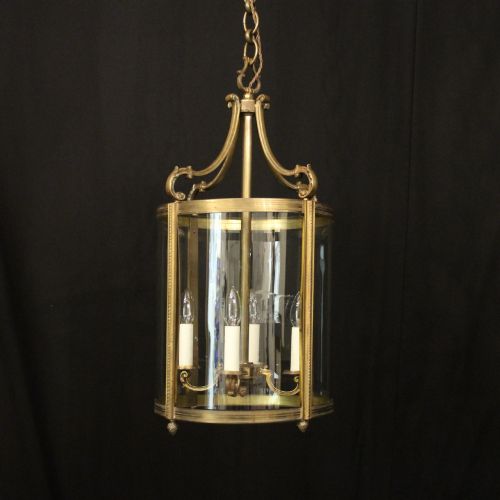
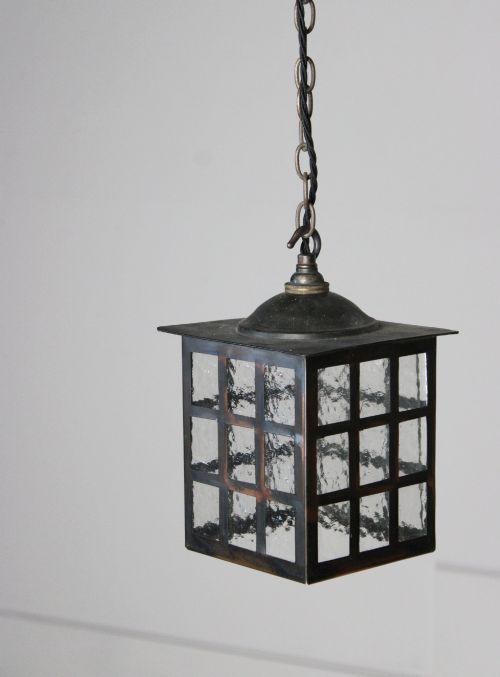
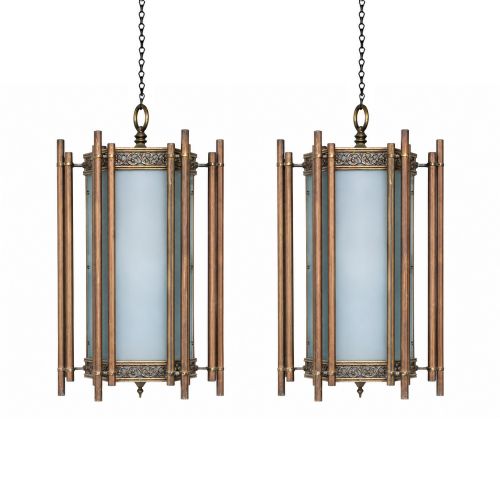
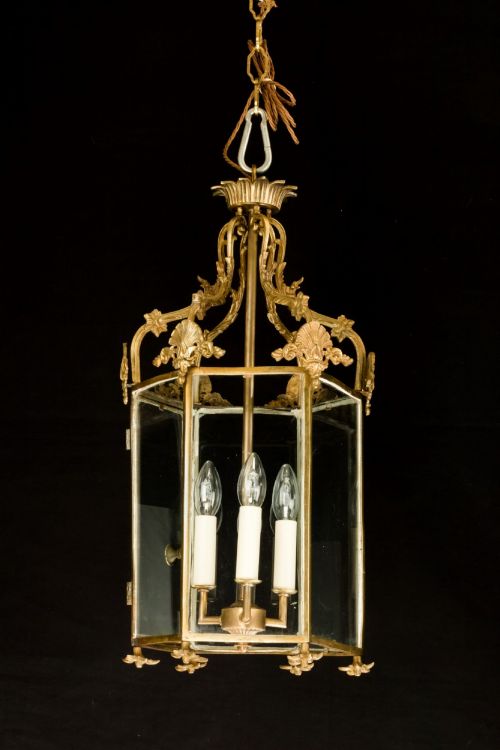
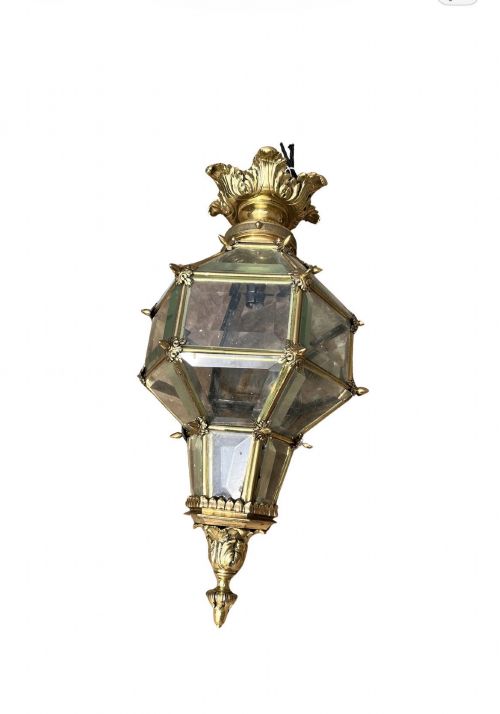
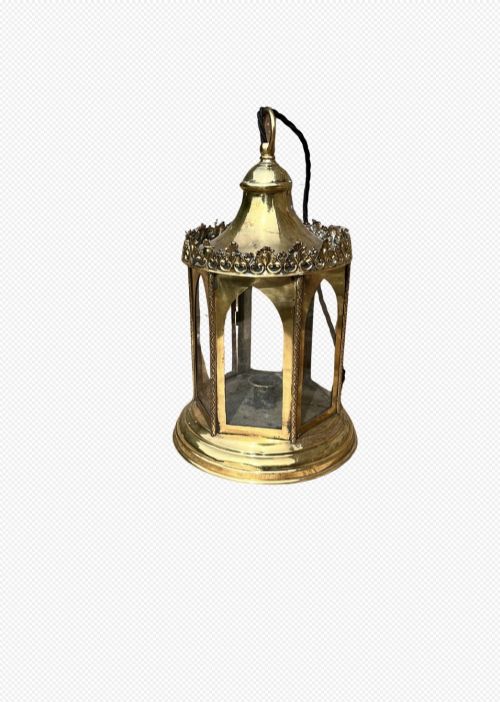
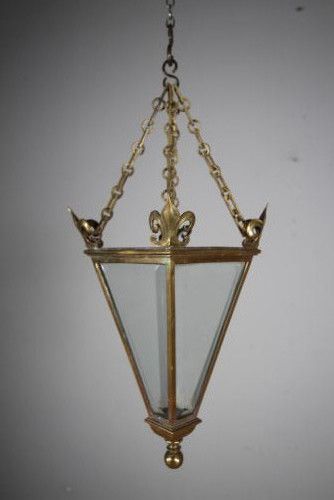
A hallway lantern light greets visitors from the threshold, casting a warm illumination through glass panels set within sturdy metal frames.
Hallway Lantern Light
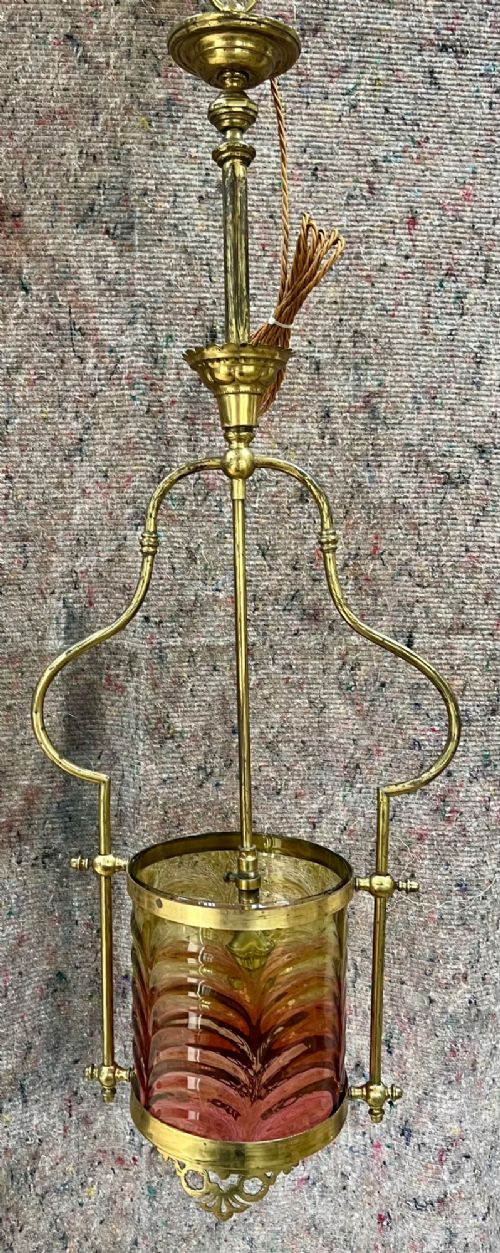
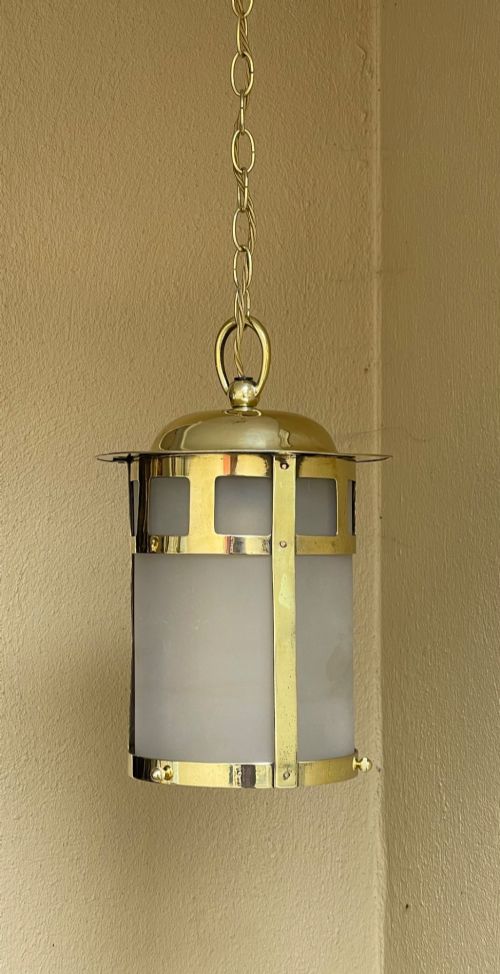
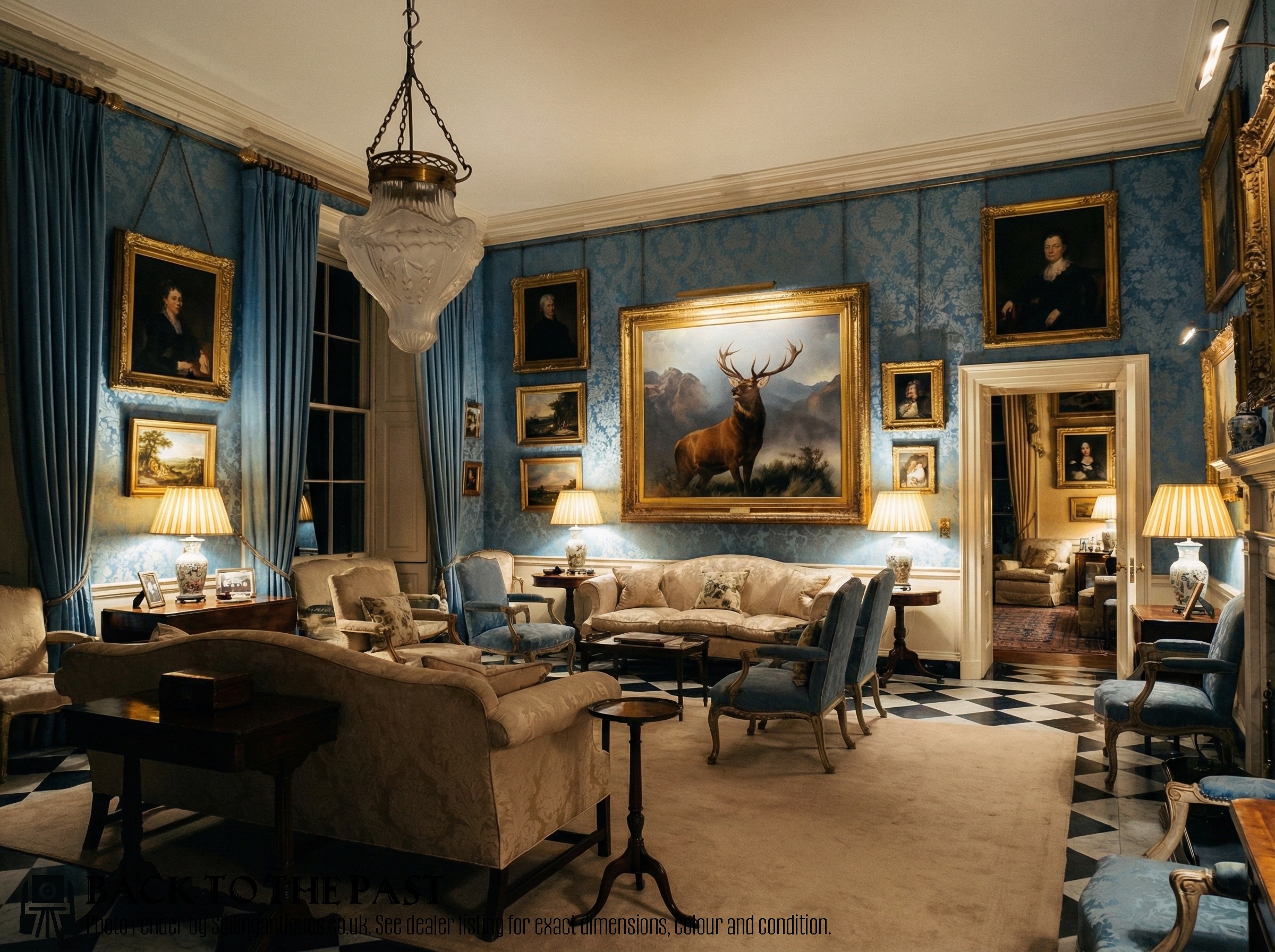
A hallway lantern light provides a welcoming illumination from ceilings and walls in entrance spaces, drawing the eye upwards upon entering a home. These fixtures range from compact porch lights to monumental hanging lanterns designed for grand entrance halls.
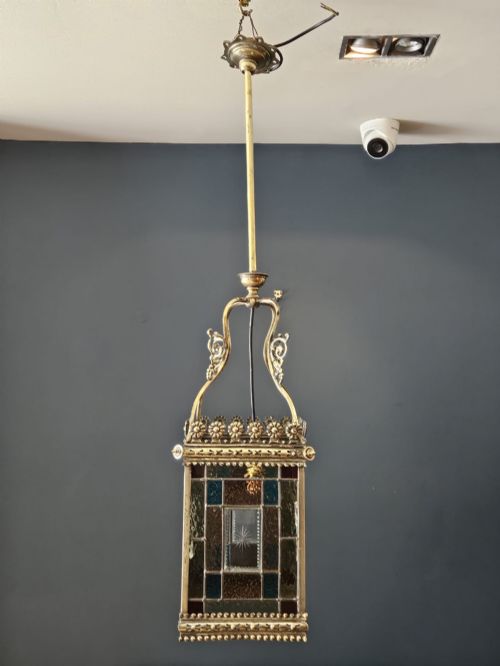
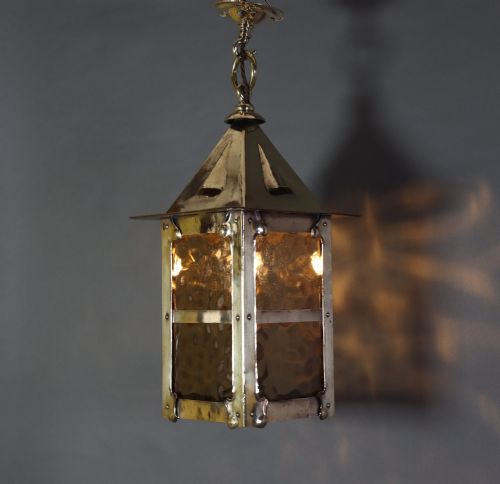
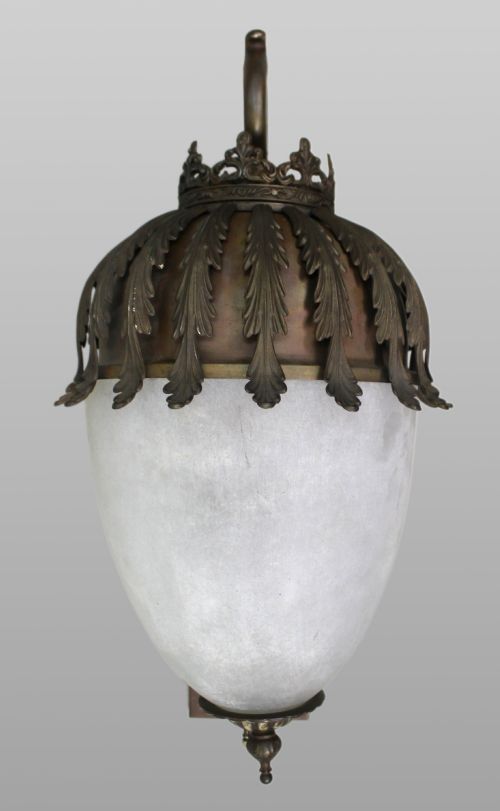
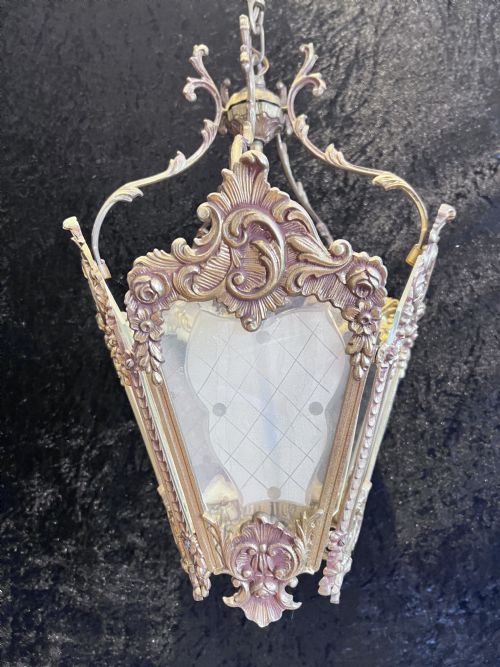
The pieces on this page span the Victorian, Edwardian, and Art Deco periods, alongside French Chateau, Arts and Crafts, and Rococo styles. Brass, copper, bronze, and wrought iron dominate the structural frameworks supporting clear, frosted, leaded, or coloured glass panels.
Materials and construction
Metalworkers formed the skeletal cages of these fixtures using brass, copper, bronze, and wrought iron, often casting intricate decorative details or hammering sheet metal by hand. Gilt bronze and toleware surfaces appear alongside plain brass frames, showing the varied finish treatments applied by period workshops.
Glaziers fitted glass panels into the metal armatures, utilising leaded techniques, frosted finishes, moulded designs, or cut glass inserts to diffuse the internal glow. Many fixtures adapted over time from early candle or gas configurations to electrified wiring.
Current listings feature lighting pieces from the Victorian and Edwardian eras alongside 1920s and 1930s designs, constructed in brass, bronze, copper, and wrought iron.
Judging quality in period lanterns
Quality rests in the weight of the metal casting and the crispness of decorative chasing upon bronze and brass frames. Heavier gauge metals and substantial glass panels indicate superior durability and original substance.
The integration of design details, such as coherent stylistic motifs across French Rococo or Arts and Crafts examples, separates standard production pieces from finer workshop commissions.
F and C Osler
The Hallway Lantern Light Glossary
- Gilt bronze
- Bronze metal coated with a thin layer of gold, often found on French decorative fixtures. This finish adds a warm metallic sheen to the hanging frame.
- Lead glass
- Glass pieces held together with lead cames, forming geometric or stained patterns in the sides of the lantern. This technique creates segmented panels that catch the light.
- Half lantern
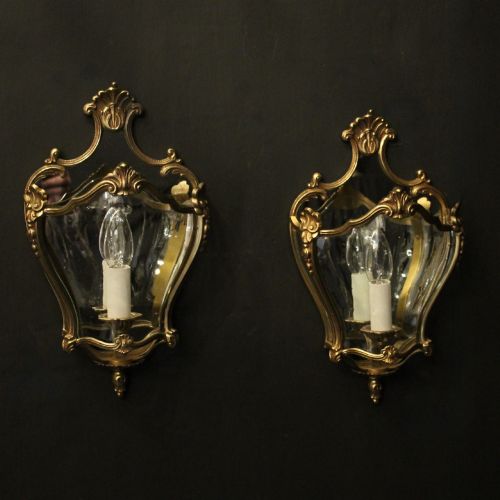
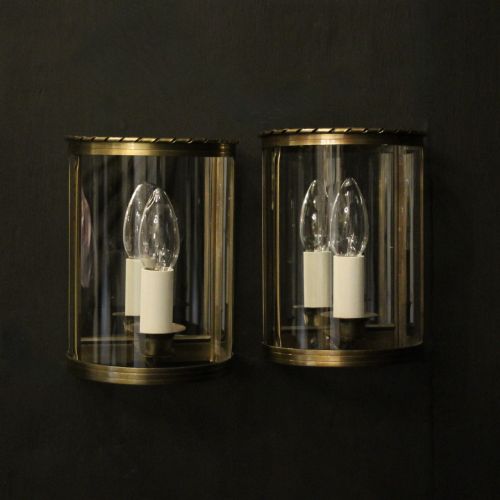
- A light fixture flattened on one side to mount directly against a wall surface. These serve narrow corridors and entryways where hanging pendants obstruct passage.
- Toleware
- Painted tin or metalware finished with enamelled colours, seen in period French half lanterns. The painted surface provides an alternative to polished brass or bronze.
Hallway Lantern Light: Frequently Asked Questions
Where should I hang a hallway lantern light?
These fixtures suit entrance halls, porches, and wide corridors where overhead clearance permits suspended mounting. Half lanterns mount directly to wall surfaces in narrower passageways.
Ensure the scale of the lantern matches the ceiling height and proportions of the entryway to maintain proper visual balance.
How do I date a period brass lantern?
Stylistic indicators such as heavy cast bronze details point towards Victorian or Edwardian periods, while geometric lines suggest Art Deco influence. Material combinations like brass and copper often reflect early twentieth-century workshop preferences.
Wiring methods and internal socket fittings also offer clues, though many period lights have undergone conversion to modern electrical standards.
Can these antique lanterns be wired for modern bulbs?
Most period hanging and wall lanterns accept modern electrical wiring during standard restoration work. Electricians can update internal lamp holders while preserving the external antique metal and glass housing.
Consult a qualified professional to ensure the mounting hardware safely supports the weight of heavy bronze or brass frames.