
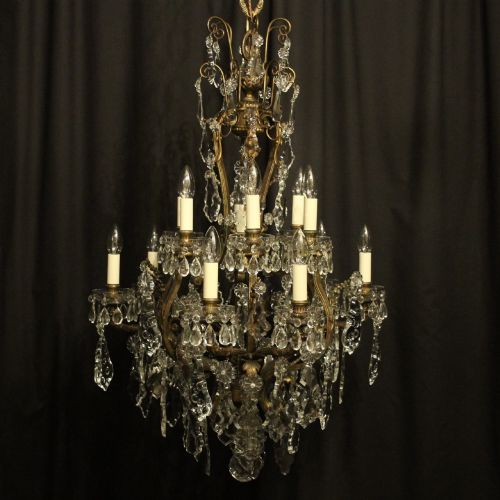


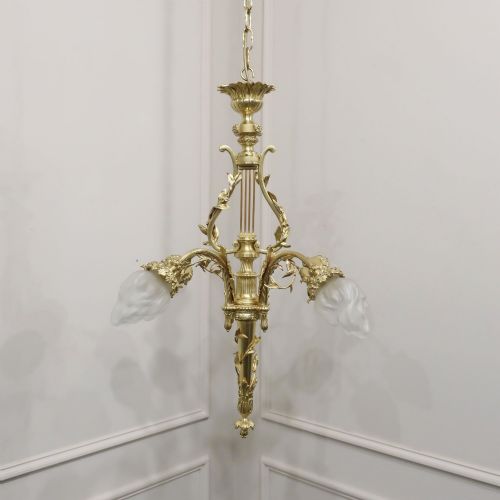
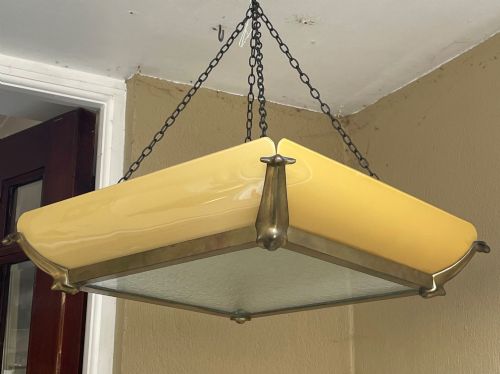
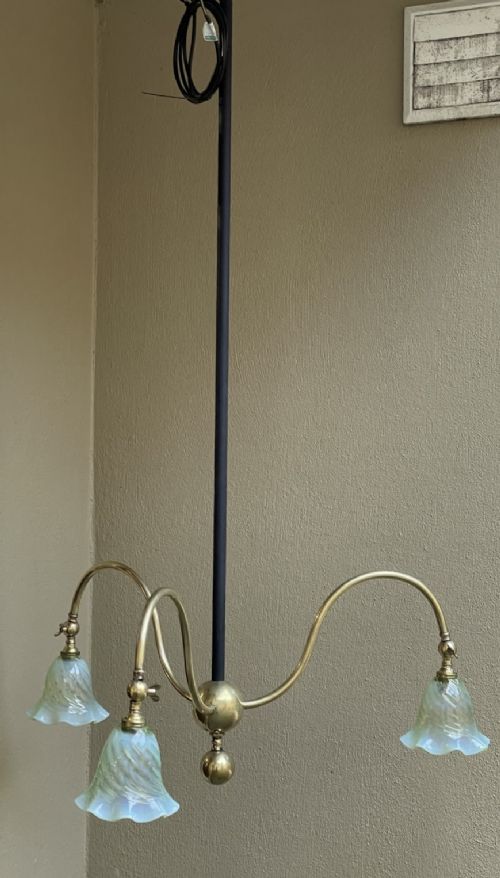
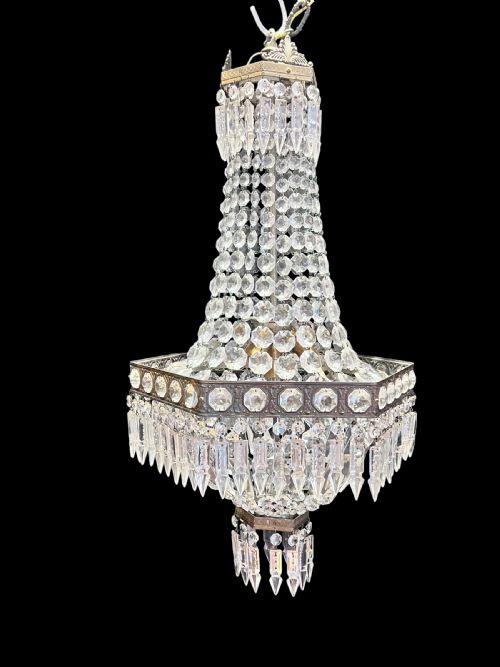
Glass Pendant Light
A glass pendant light brings diffused illumination and period charm to hallways and rooms, drawing the eye upwards with its suspended craftsmanship.
Defining the glass pendant light
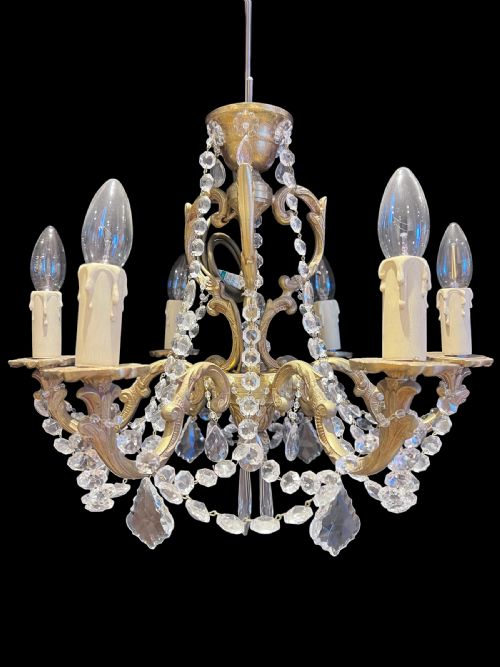
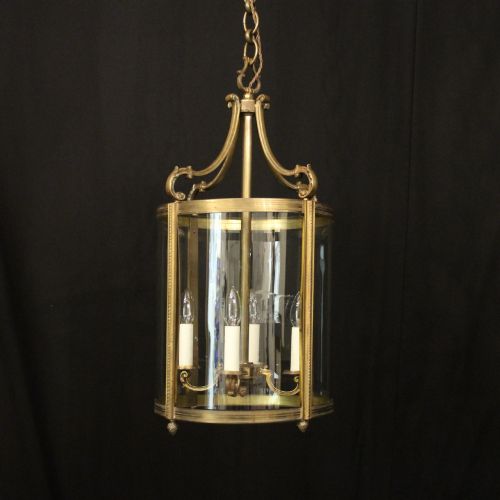
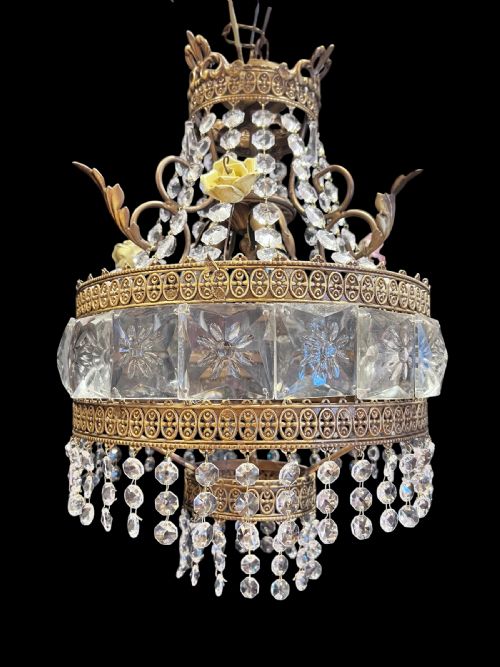
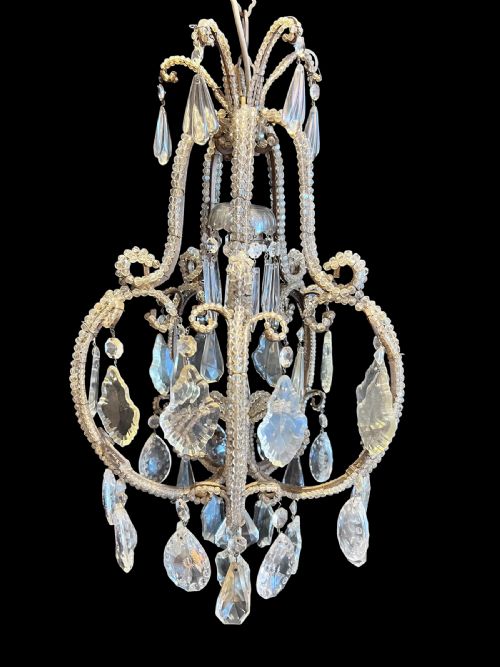
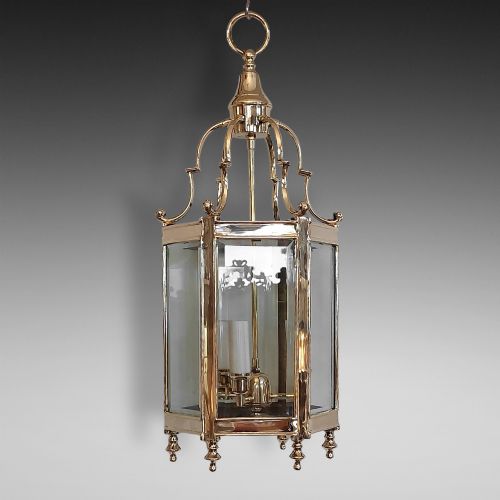
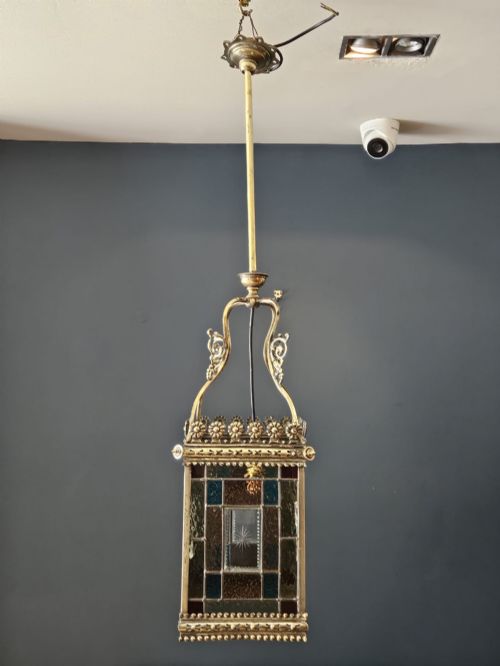
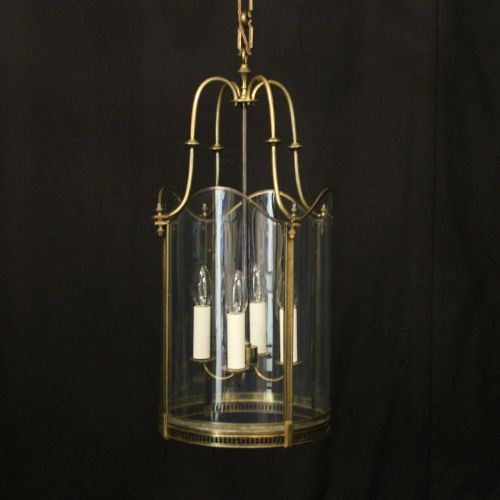
A glass pendant light suspends from the ceiling to illuminate interior spaces, appearing frequently in forms such as hall lanterns, hanging lanterns, and ceiling lights. These fixtures trace their origins across the nineteenth century, the Edwardian period, and the nineteen-twenties, incorporating styles from Gothic Revival and Regency to Georgian Revival.
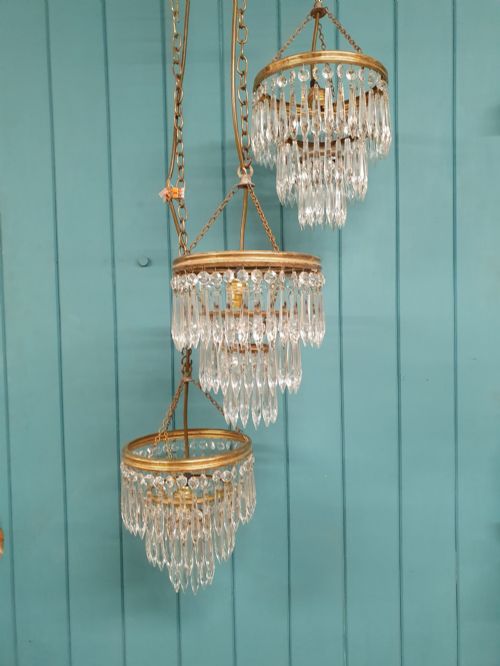
Buyers meeting these pieces on this page will most commonly encounter Edwardian examples alongside nineteenth-century lanterns and early twentieth-century designs. The forms range from simple round shades and globes to large bullseye glass lanterns and multi-faceted shapes.
Such fixtures serve practical lighting needs while operating as decorative ceiling focal points. Their presence bridges functional illumination and historical interior design.
Distinctions in craftsmanship
Quality separates fixtures by the clarity and weight of the glass, alongside the substantial nature of the metal galleries and chains. Superior pieces display crisp hand-cutting, unblemished hand-blown bubbles, or even colour distribution across opaline and moonstone shades.
The integration between metal framing and glass panels determines the structural integrity and aesthetic balance of the pendant. Well-made examples retain original fittings, galleries, and hanging chains that complement the era of the glass shade.
Retail Price Guide 2026
Typical UK retail prices for glass pendant light, calculated from the Sellingantiques database of over a million retail prices indexed since 2003. This retail price guide relies exclusively on Sellingantiques data; no external sources or auction records are used, so the figures do not describe the wider market.
Materials recorded across these lighting fixtures include brass, copper, hand-blown glass, cut glass, opaline, and vaseline glass.
The Glass Pendant Light Glossary
- Bullseye glass
- A circular disk or lens of glass featuring a prominent central thick point, often seen in early lantern panels. It disperses light unevenly to create interesting visual patterns.
- Gallery
- The metal collar or ring that grips the top of a glass shade and connects it to the suspension chain. Original galleries match the period metalwork of the pendant.
- Opaline glass
- An opaque, milky-white glass that diffuses light softly without glare. It gained popularity during the Victorian and Edwardian eras for task and ambient lighting.
- Plafonnier
- A ceiling light fixture that sits relatively flat or close to the ceiling rather than hanging on a long drop. These often feature decorative glass bowls held in metal mounts.
- Vaseline glass
- Glass containing uranium dioxide, which exhibits a yellow-green hue and glows brightly under ultraviolet light. It appears in decorative lighting from the nineteenth and early twentieth centuries.
Frequently Asked Questions
How do I clean a glass pendant light?
Remove the glass shade from the metal gallery if it detaches safely, then wash it in warm soapy water using a mild detergent. Dry thoroughly with a soft cloth to prevent water spots before rehanging.
Polish the brass or copper components with a suitable metal cleaner, taking care not to let harsh chemicals touch the historic glass surface. Reassemble the components securely once every part is dry.
What rooms suit a hall lantern?
Hall lanterns provide focused, welcoming illumination in entranceways, corridors, and stairwells where ceiling height permits a suspended fixture. Their enclosed glass designs protect the light source from drafts.
These pieces also function effectively in small cloakrooms or above occasional tables in larger reception rooms. The downward illumination creates clear pathways while displaying the decorative metalwork.
How do I identify an Edwardian glass pendant?
Edwardian pendants frequently feature cut glass, moonstone glass, or opaline shades paired with brass galleries. The styles lean towards lighter, refined proportions compared to heavier Victorian counterparts.
Look for characteristic shade forms like globes, acorns, and fluted designs supported by original brass chains. Comparing the glass texture and metal patina helps confirm the period of manufacture.