

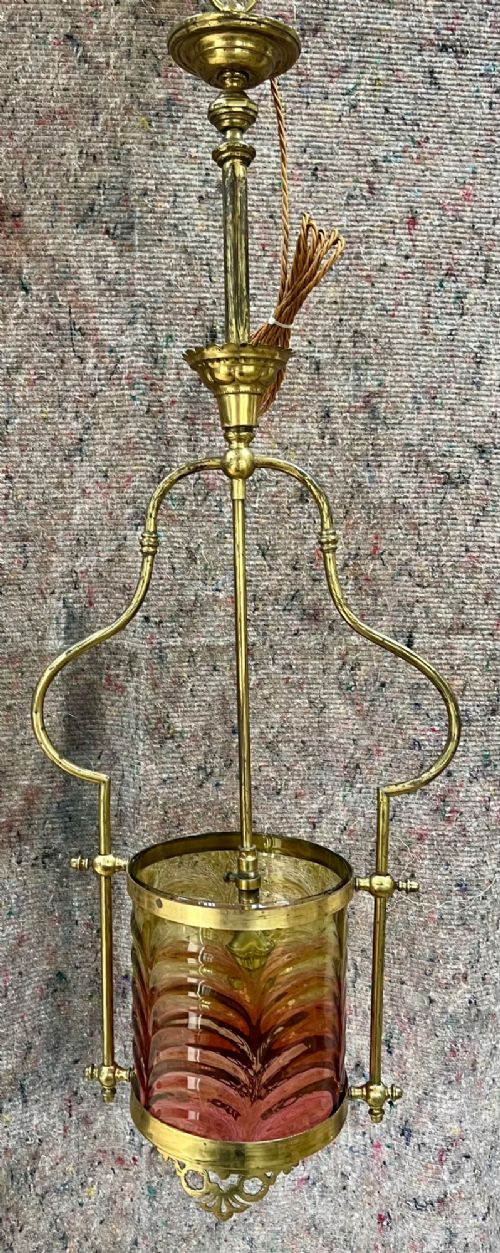
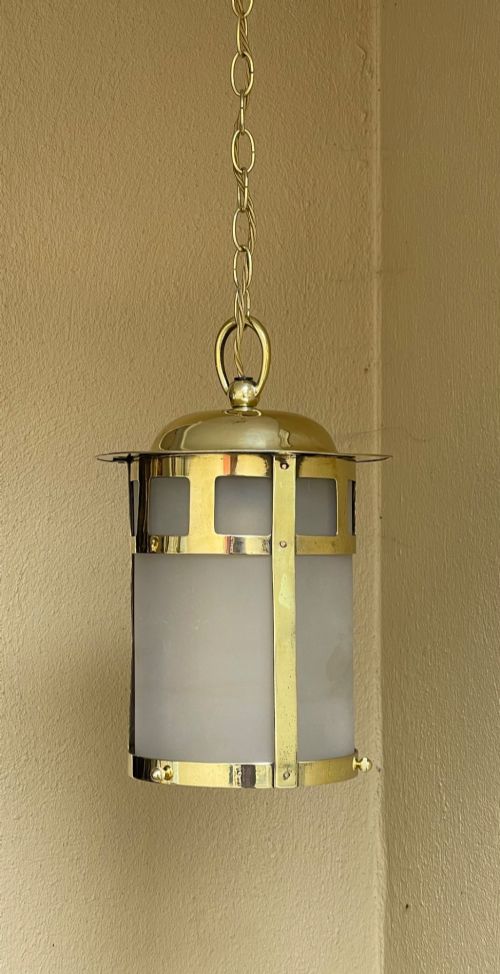
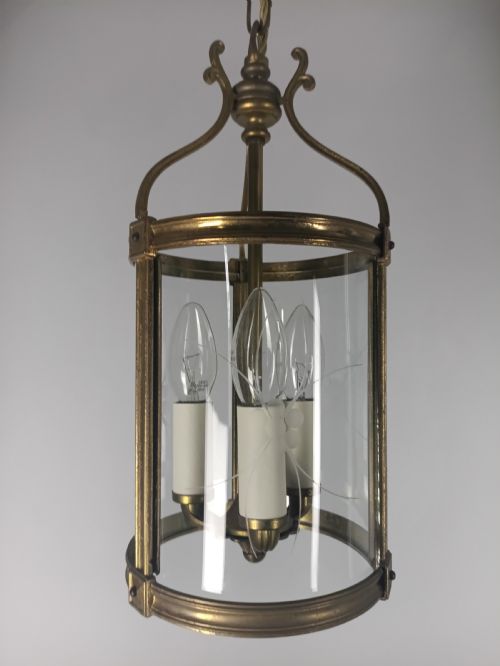
Vintage Hanging Lantern
A vintage hanging lantern brings character and warm illumination to hallways and porches, using period glass and metal to transform an entrance.
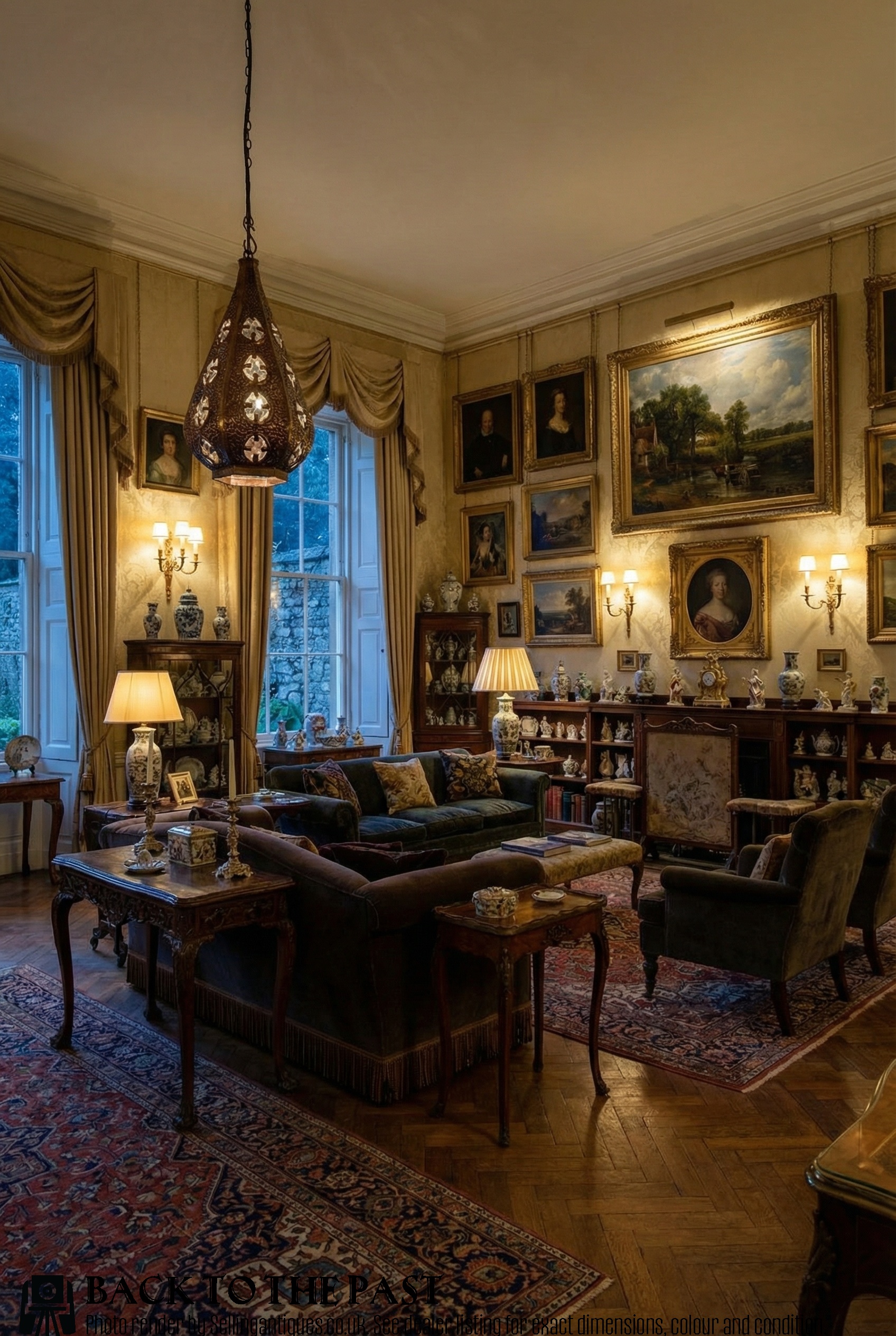
Vintage Hanging Lantern
A vintage hanging lantern provides overhead illumination through ceiling lights, pendant lights, and hall lanterns suspended from chains or cords. These fixtures hang in entranceways, stairwells, and porches to cast light across interior spaces.
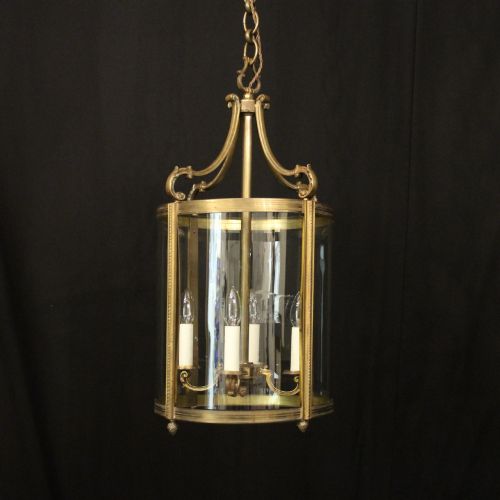
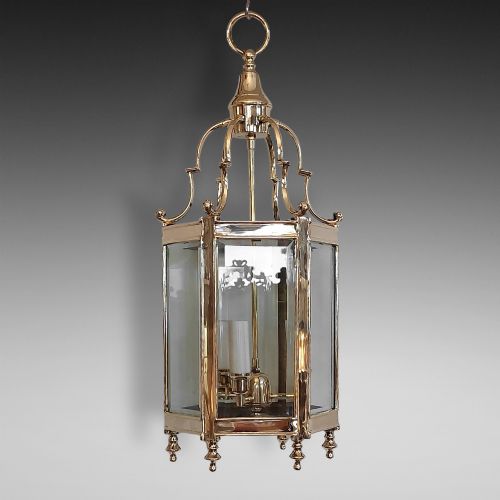
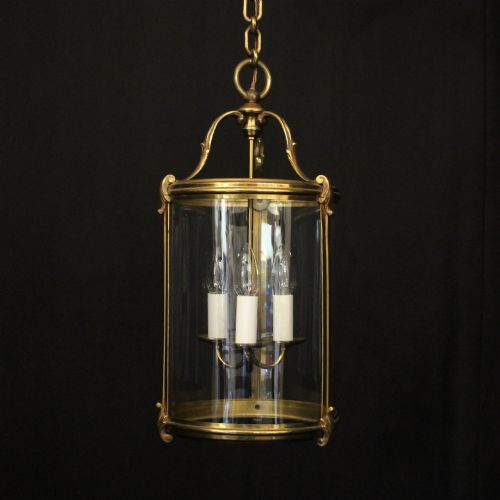
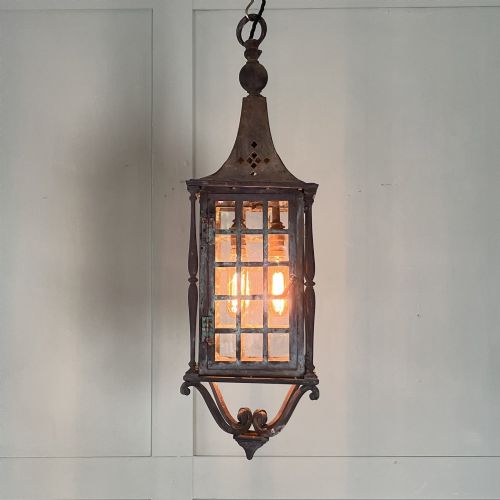
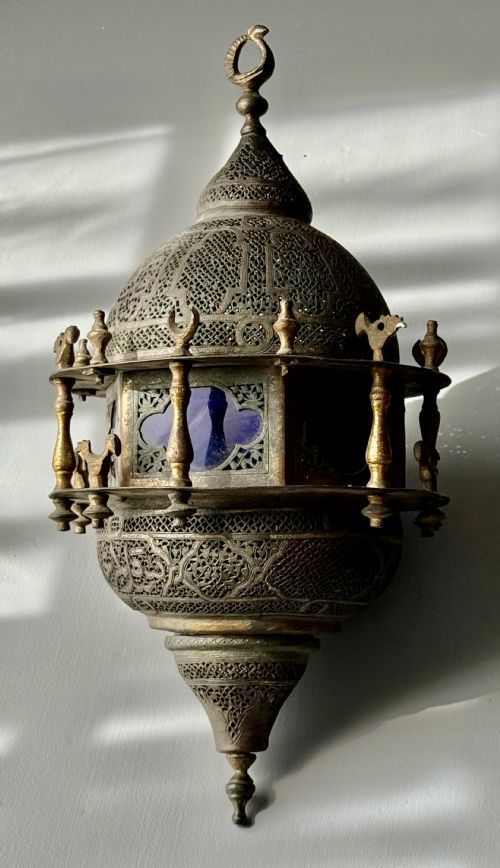
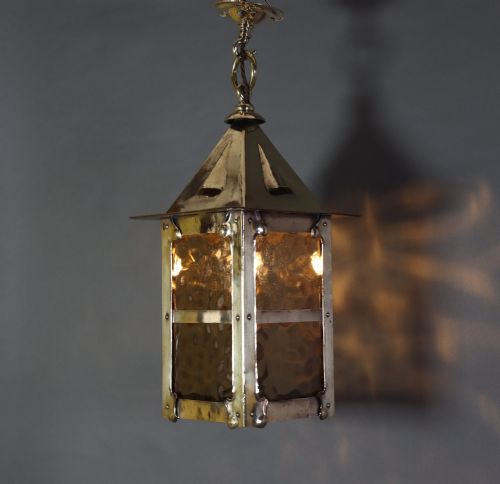
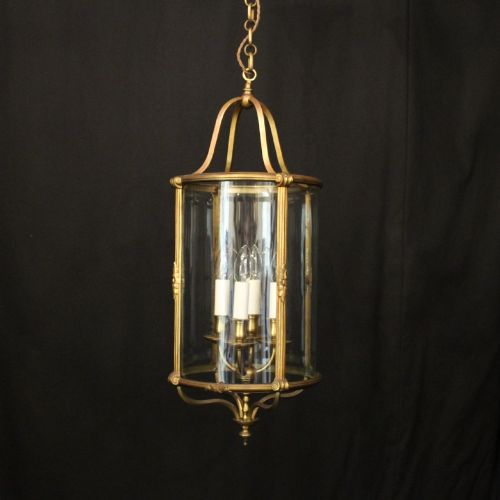
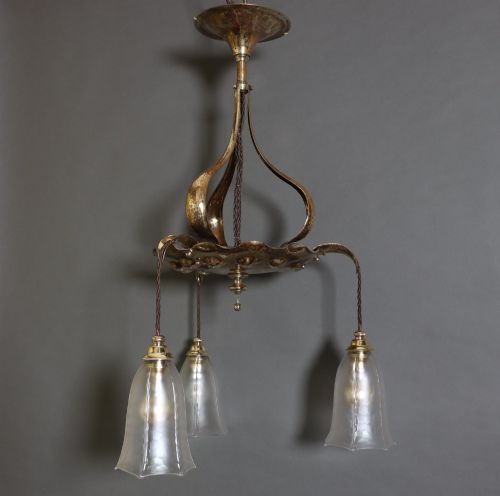
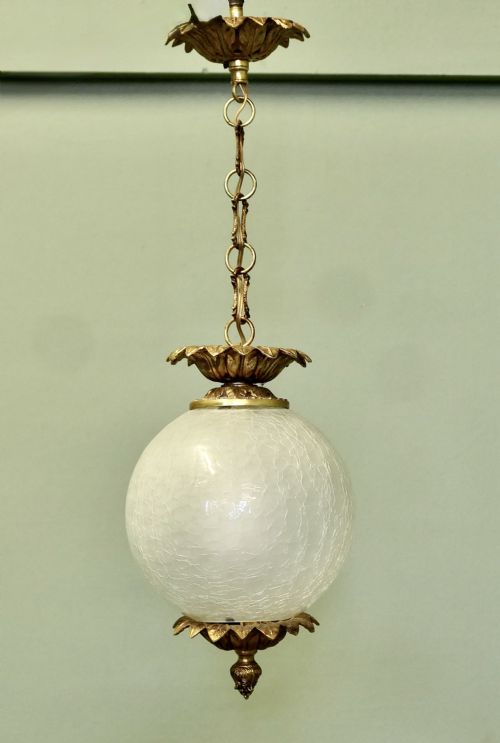
The pieces on this page span the Victorian era, the Edwardian period, and the 1920s and 1930s, reflecting French Chateau, Arts and Crafts, Art Deco, and Gothic Revival styles. Hexagonal brass frames and convex glass globes appear frequently among the surviving examples.
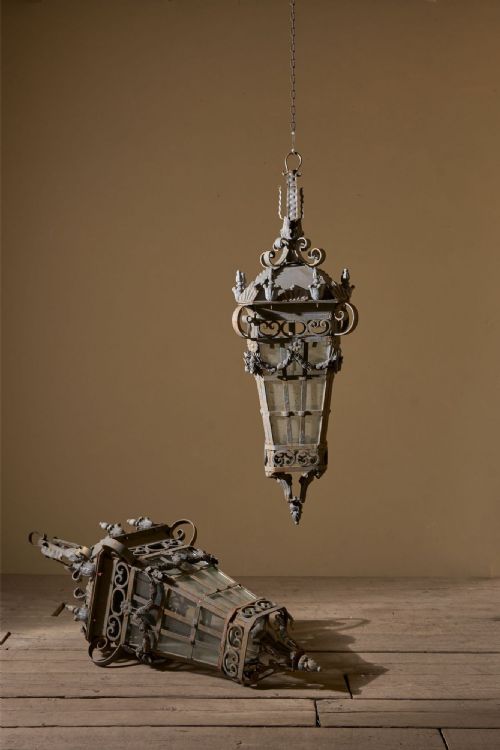
Makers and designers drew upon historical idioms, producing pieces ranging from simple copper nautical pendants to monumental gilt bronze hall lanterns with multiple lights.
Materials and Construction
Craftsmen built these lanterns using brass, copper, wrought iron, and gilded or gilt bronze, shaping metal frames to hold glazed panels. Iron and zinc provided sturdy housing for exterior porch lights, whilst bronze suited ornate interior halls.
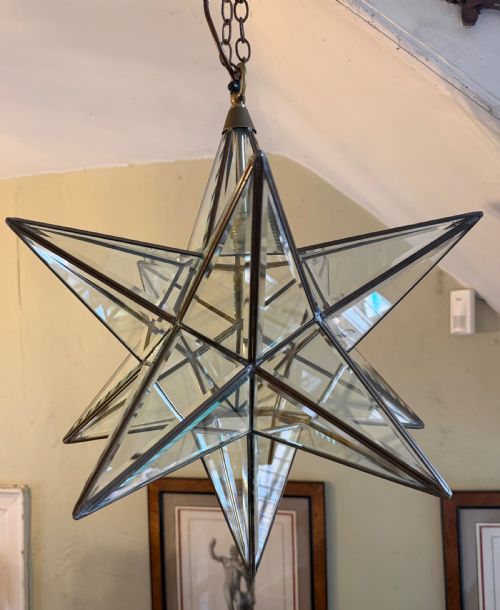
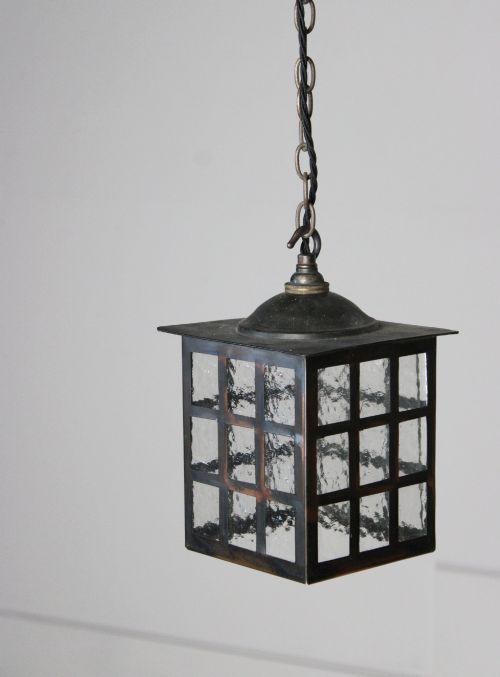
Glass panels include bevelled, etched, leaded, stained, and hand-blown bull's-eye panes, secured tightly within metal channels or lead cames. Pierced brass work appears on Moorish designs, allowing intricate light patterns to escape through the metalwork.
Listings feature items from the 19th century through the 1930s, utilising brass, copper, wrought iron, and various forms of glass.
Evaluating Quality
Quality rests upon the weight of the metal frame and the clarity or complexity of the glass panels, such as heavy bevelled edges or hand-blown imperfections. Substantial cast brass or bronze holds its structure better over decades of hanging.
The refinement of decorative detail distinguishes standard utilitarian pieces from high-status hall lanterns, particularly in chased bronze mounts and balanced multi-light configurations.
The Vintage Hanging Lantern Glossary
- Bevelled glass
- Glass with a polished angled edge around the perimeter, catching and refracting light into prismatic colours. It adds depth and luxury to lantern panels.
- Convex glass
- Curved glass panels that bulge outward, commonly found on French hall lanterns to diffuse light more widely across a space.
- Gilded bronze
- Bronze coated with a thin layer of gold leaf or gilt, offering a rich and enduring metallic lustre suited to formal interiors.
- Leaded glass
- Glass pieces joined together with strips of lead came, forming geometric or pictorial patterns often seen in Arts and Crafts and Victorian lanterns.
- Hall lantern
- A ceiling-hung lighting fixture specifically designed for narrow entrance passages and corridors, combining functional illumination with decorative presence.
Vintage Hanging Lantern: Frequently Asked Questions
Where should I hang a vintage lantern?
These fixtures suit hallways, high-ceilinged porches, and stairwells where overhead suspension draws the eye upward.
Ensure adequate ceiling clearance so the fixture hangs safely above foot traffic while providing balanced illumination.
How do I date a hanging lantern?
Examine the metal type, wiring methods, glass cutting techniques, and stylistic cues such as Art Deco geometric lines or Victorian ornamentation.
Comparing construction traits with documented periods helps narrow down the decade of manufacture.
Can these lanterns be rewired for modern wiring?
Most vintage hanging lanterns accept modern electrical fittings and safe internal rewiring by a qualified professional.
Retaining original bulb holders where possible preserves the historic integrity of the internal components.
How do I clean antique glass and brass?
Wipe glass panels gently with a soft cloth and mild glass cleaner, avoiding harsh abrasives that scratch aged surfaces.
Dust brass and bronze frames lightly without removing the natural patination built up over decades.