
Traditional Hall Pendant
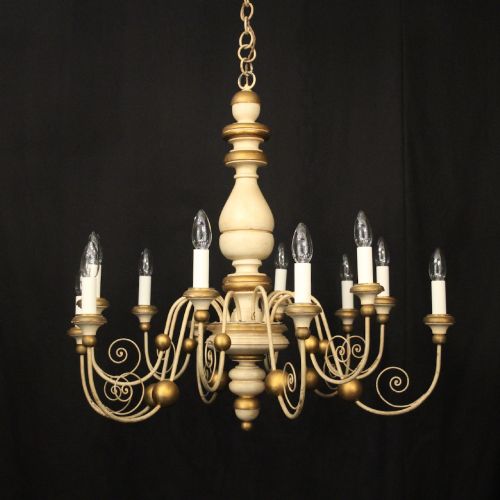
A traditional hall pendant lights an entranceway with brass, bronze, and glass, offering a warm and historic greeting to any home.
Traditional Hall Pendant
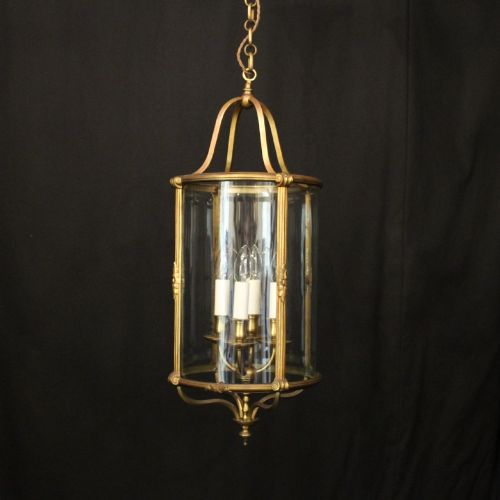
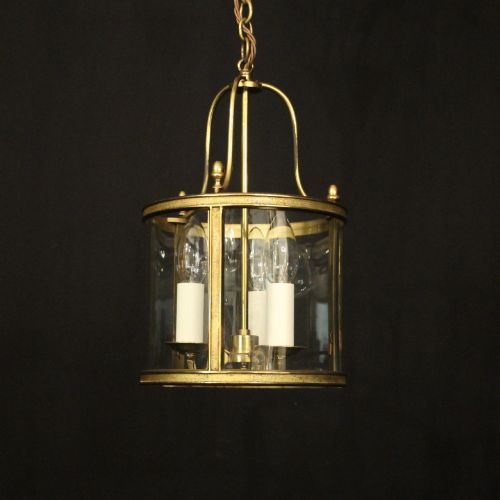
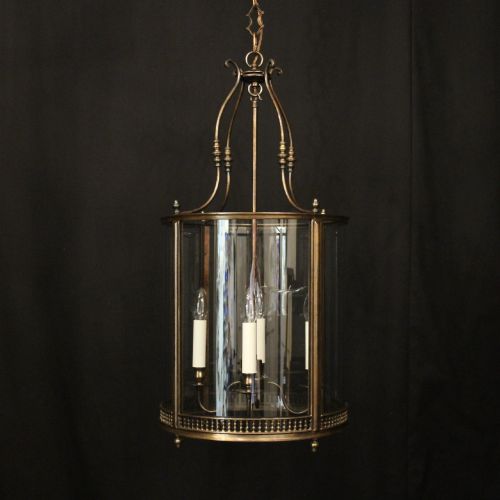
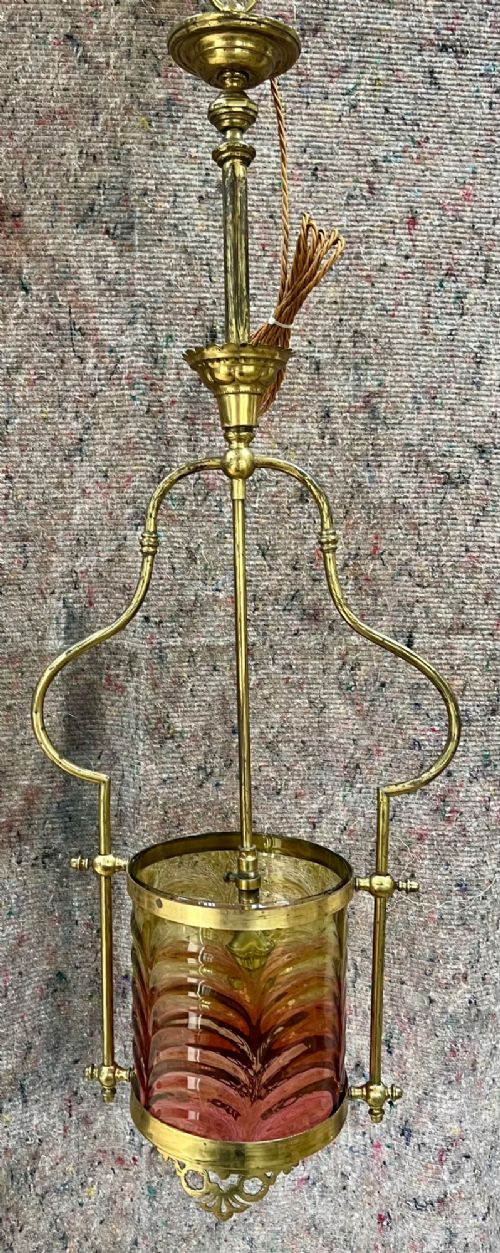
A traditional hall pendant provides overhead illumination specifically suited to narrow entryways, corridors, and vestibules. These fixtures take the form of hanging lanterns, ceiling lights, and compact chandeliers designed to illuminate smaller spaces without overwhelming them.
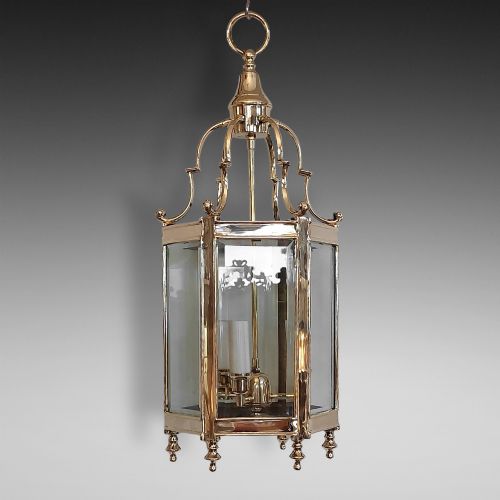
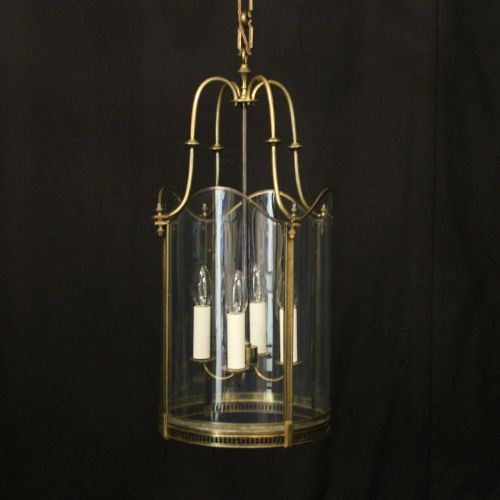
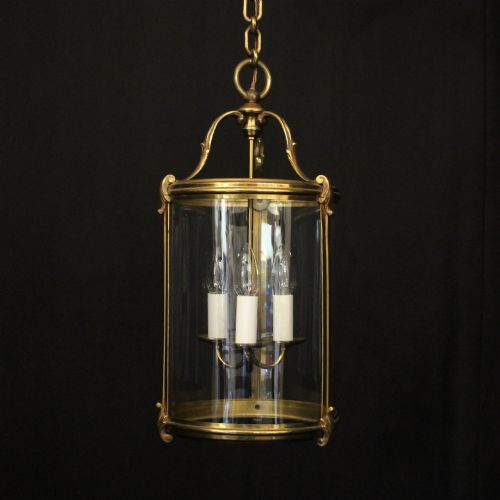
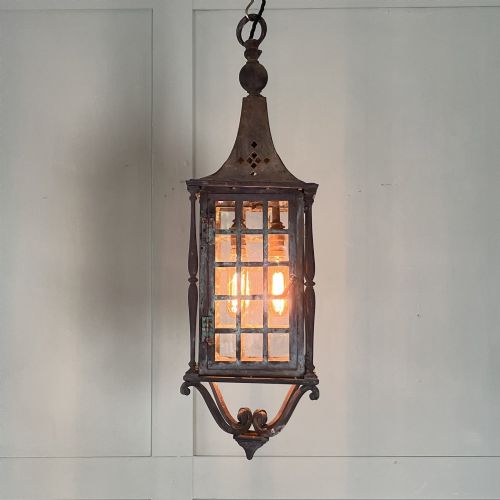
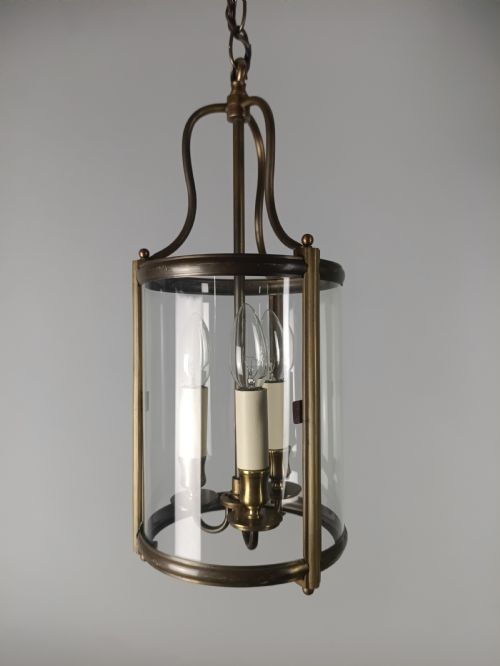
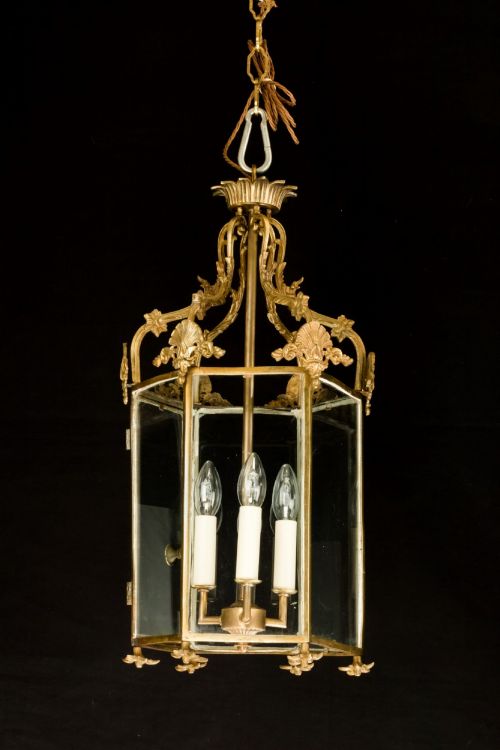
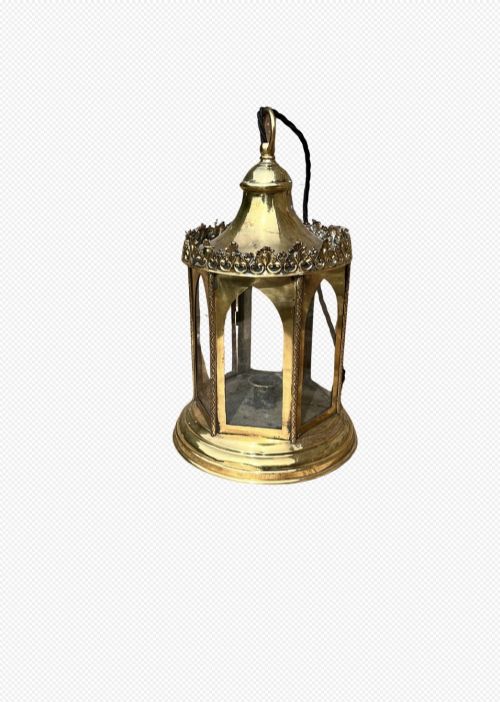
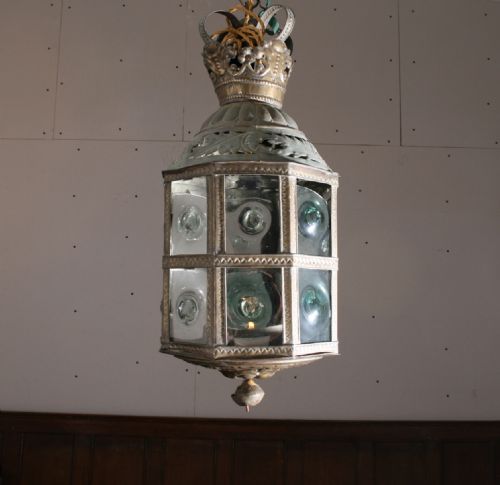
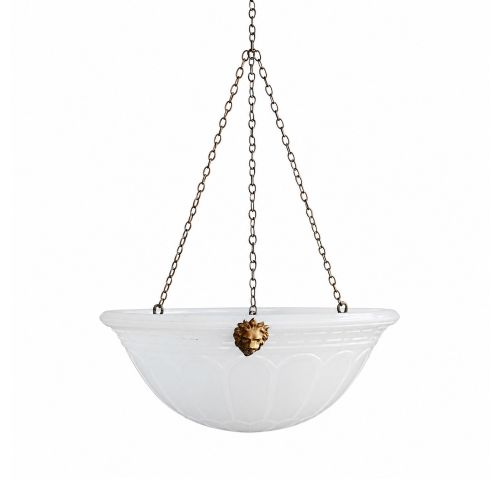
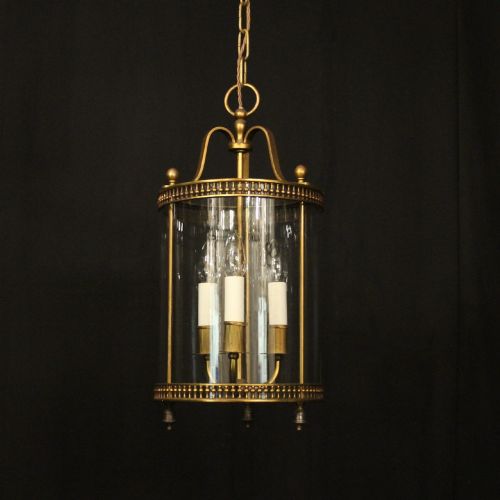
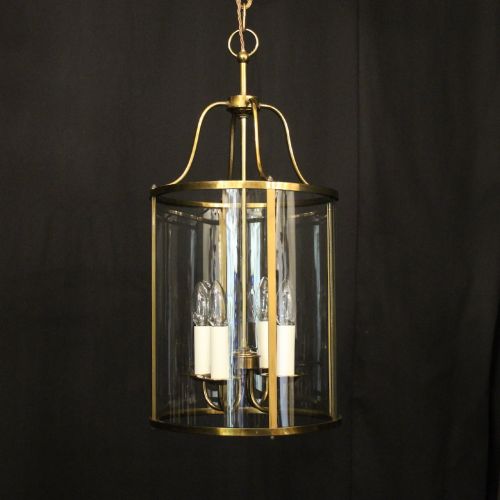
The pieces appearing here span from the Victorian and Edwardian eras into the early twentieth century, incorporating styles such as Gothic Revival, Arts and Crafts, and French Neoclassical. Buyers most frequently encounter brass and bronze hexagonal or convex lanterns fitted with glass panels.
Makers and designers from the nineteenth and twentieth centuries constructed these hanging lights to serve both a practical function and a decorative purpose in domestic architecture. They remain sought after for their ability to establish character immediately upon entering a building.
How They Were Made
Metalwork forms the structural core of these fixtures, utilising cast or spun brass, wrought iron, bronze, and gilded or gilt brass. Artisans shaped these metals into rigid frames designed to support glazed panels safely from ceilings.
Glass panels are integral to the construction, ranging from bevelled and convex panes to hand-blown bullseye glass and moonstone variants. These glass types diffuse the internal light source while protecting the bulbs from drafts in busy hallways.
Traditional Hall Pendant Retail Price Guide 2026
Typical asking prices for traditional hall pendant among the pieces listed under this phrase on Sellingantiques today, from the lower quarter to the upper quarter. They describe what is for sale here now, not the wider market.
Listings feature brass, bronze, and wrought iron paired with bevelled, convex, and moonstone glass across Victorian, Edwardian, and early twentieth-century periods.
What Varies in Quality
The refinement of the cast metal frame distinguishes simpler utilitarian lights from finer decorative examples. Heavier bronze and thick brass castings with crisp detailing or gilding demonstrate superior craftsmanship compared to thin, pressed metal alternatives.
The sophistication of the glass components also marks the difference between standard and exceptional pieces. Hand-blown bullseye glass, heavily bevelled panes, and complex convex curves require greater skill to produce than flat, plain glass.
The Traditional Hall Pendant Glossary
- Convex glass
- Curved glass panels that project outward to diffuse light across a wider angle. This technique enhances the visual weight of smaller hall lanterns.
- Bevelled glass
- Glass panes with angled edges cut and polished to a specific slope. This process catches and refracts light into subtle prismatic colours.
- Bulls eye glass
- Circular blown glass featuring a prominent central knot or swirl left by the pontil rod. It provides heavy texture and obscures direct bulbs.
- Hexagonal lantern
- A hanging light fixture constructed with six vertical sides. This geometric form allows for balanced light distribution in square or rectangular hallways.
- Gilded bronze
- Bronze metal treated with a thin layer of gold leaf or gold powder. This finish adds enduring lustre and prevents oxidation.
Traditional Hall Pendant: Frequently Asked Questions
How do I choose the right size hall pendant?
Measure the height and width of your hallway to ensure the hanging light is proportionate to the space. A large lantern overwhelms a narrow corridor, while a tiny pendant gets lost in a tall entrance.
Consider the vertical clearance from the floor to the bottom of the fixture. Passageways require sufficient headroom so people can walk underneath without obstruction.
Can these antique lanterns be rewired for modern electric bulbs?
Most hanging lights from the Victorian and Edwardian periods are adapted for modern electrical wiring. Qualified electricians can update internal lamp holders to meet current safety standards while preserving the exterior metalwork.
Ensure the chosen bulbs match the wattage limits suitable for enclosed glass lanterns. Low-heat LED options help protect historic glass and metal finishes from thermal damage.
How do I tell an Edwardian lantern from a Victorian one?
Victorian lighting often displays heavier ornamentation, darker patination, and influences from Gothic Revival or elaborate Rococo styles. Brass and bronze castings from this period tend to be dense and heavily detailed.
Edwardian pieces generally shift toward lighter forms, cleaner geometric lines, and brighter brass or gilt finishes. Arts and Crafts influences during this later era also introduced simpler, hand-finished wrought iron structures.
How should I clean glass and brass hall pendants?
Dust the metal framework regularly with a soft, dry cloth to prevent grime accumulation. Avoid abrasive cleaners that strip historic patination or scratch polished brass and bronze surfaces.
Clean glass panels gently using a mild glass cleaner applied to a cloth rather than sprayed directly onto the fixture. This prevents liquid from seeping into aged electrical components or joints.