


Antique Pendant Lighting
Antique pendant lighting brings character to a room through forms ranging from brass lanterns to multi-light glass chandeliers.
Antique Pendant Lighting
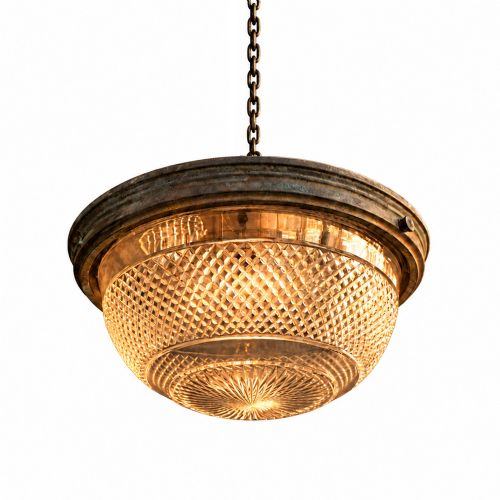
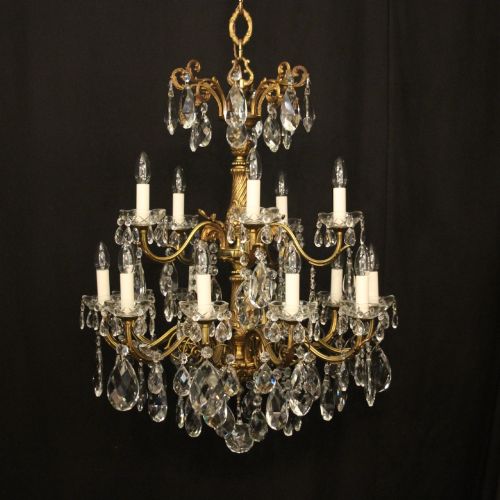
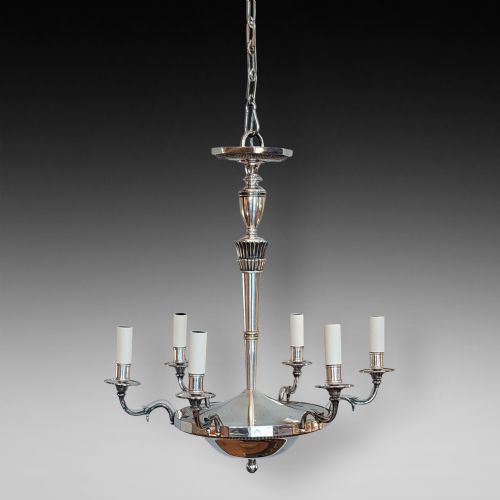
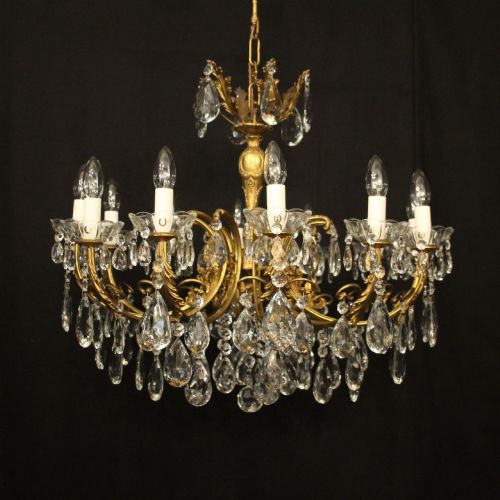
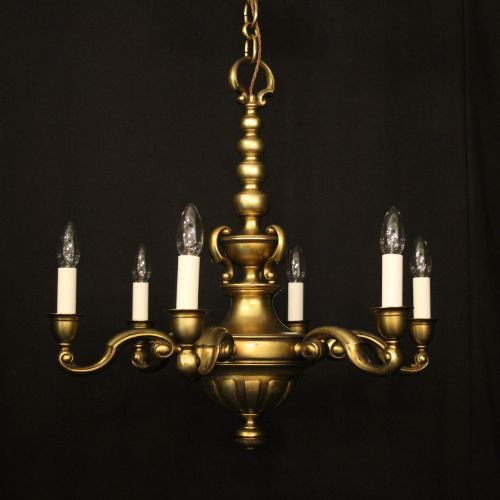
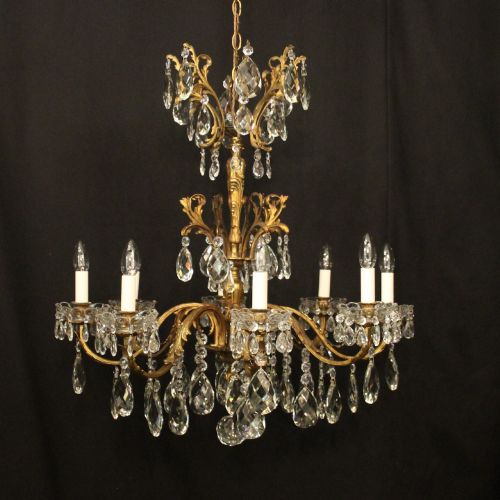
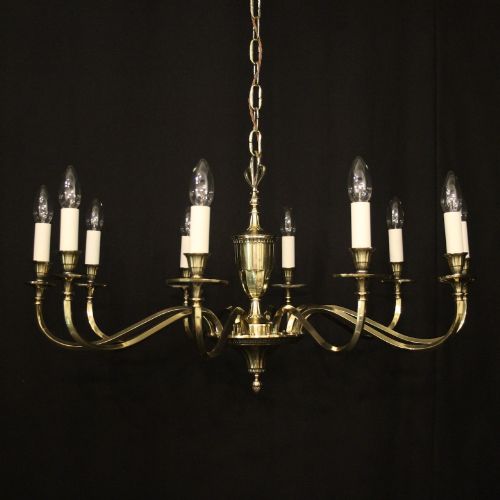
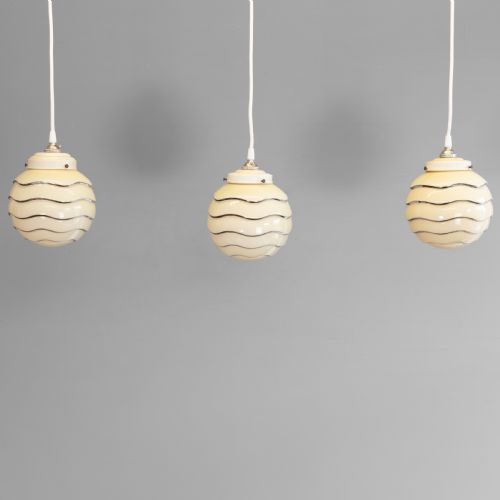
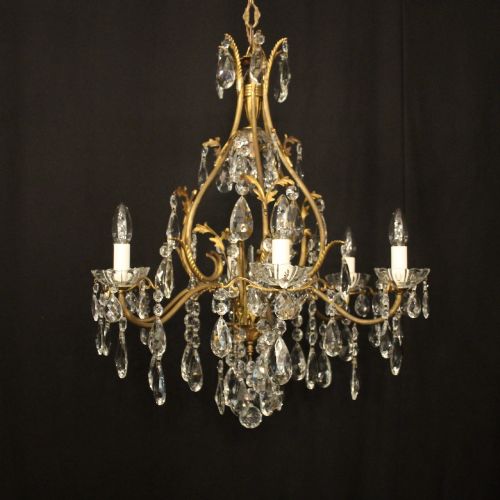
When buyers search for antique pendant lighting, they encounter hanging fixtures including chandeliers, ceiling lights, hall lanterns, and individual pendants. The selection spans the nineteenth century, Edwardian era, and the nineteen-twenties, incorporating styles such as French Rococo, Art Deco, Arts and Crafts, and Empire Revival. French origins dominate the chandelier category, often rendered in gilt bronze, brass, and crystal.
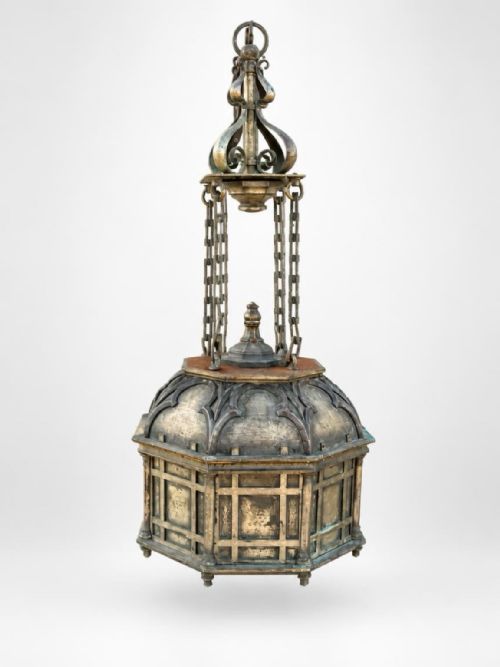
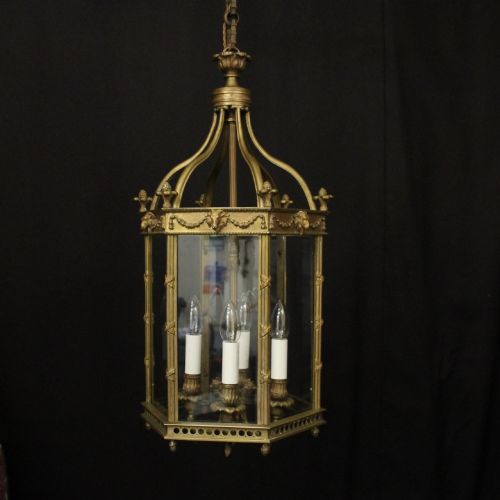
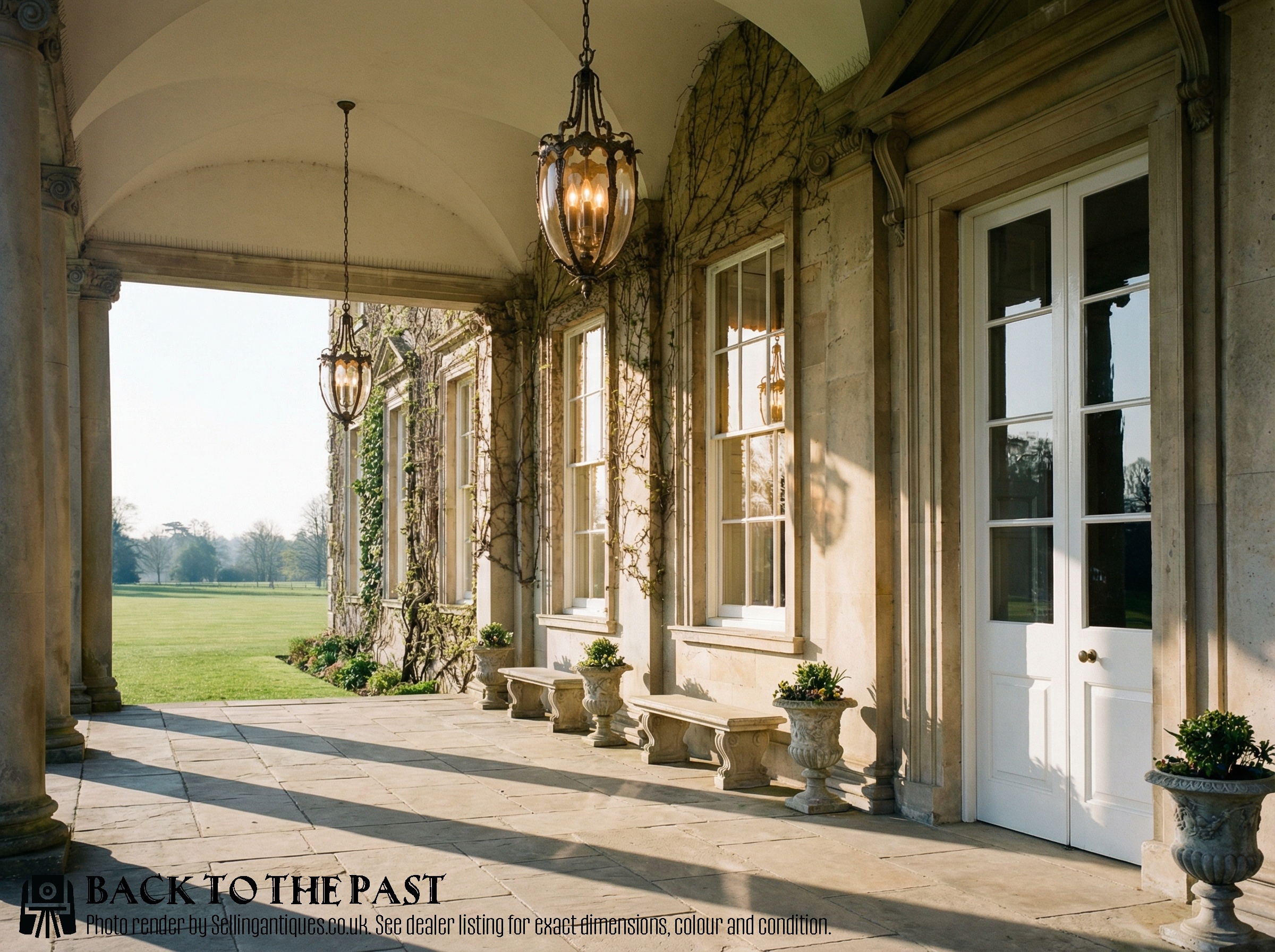
Lantern forms appear frequently in brass, copper, and lead glass, spanning hexagonal shapes, convex designs, and Moorish or Moravian star configurations. Ceiling lights and billiard lights represent more utilitarian or specific room applications from the nineteenth and early twentieth centuries. Alongside architectural fixtures, the inventory includes occasional jewellery items like gold and aquamarine pendants.
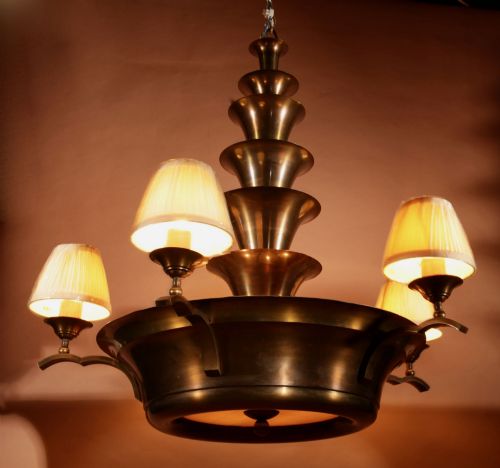
Makers and designers referenced in the evidence include Émile-Jacques Ruhlmann and architectural contexts such as Manchester City Town Hall or the manner of Voysey. Pieces date from eighteen ninety through nineteen thirty, showing how lighting evolved from gas and early electric adaptations to distinct decorative statements.
Materials and construction
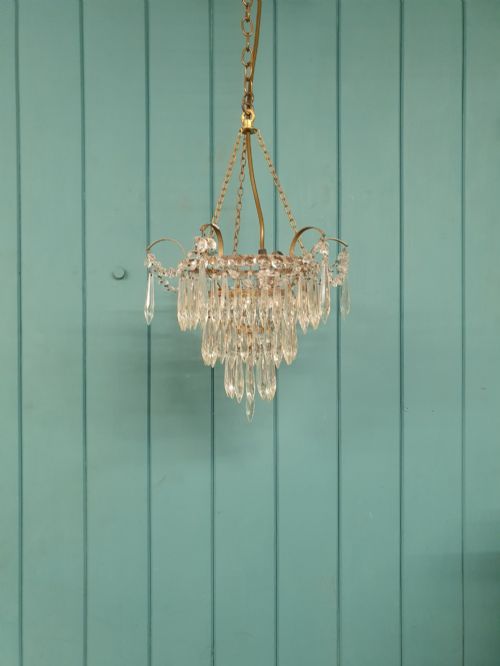
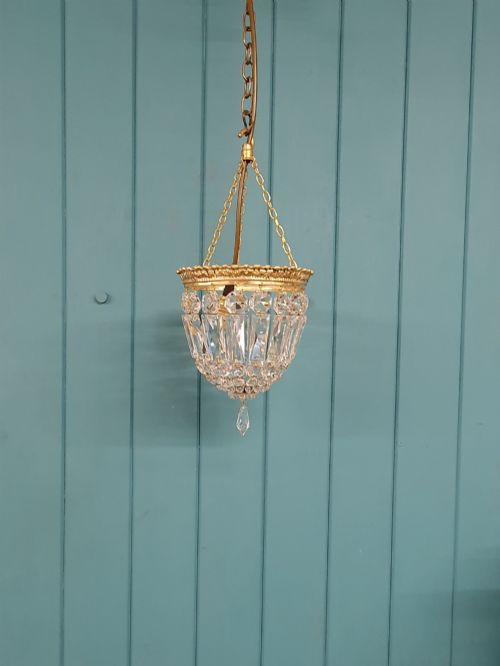
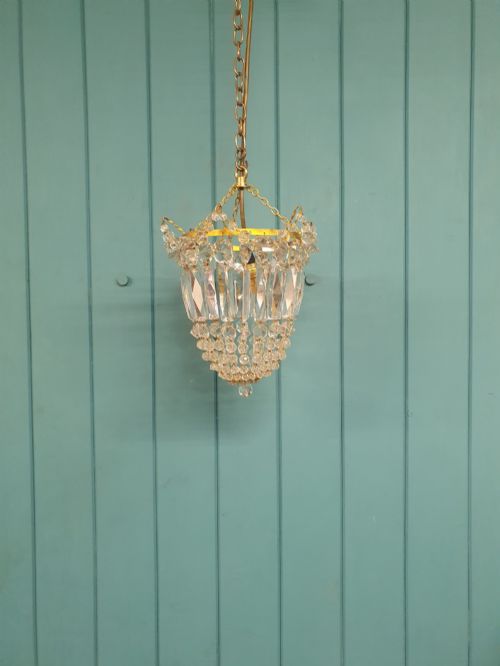
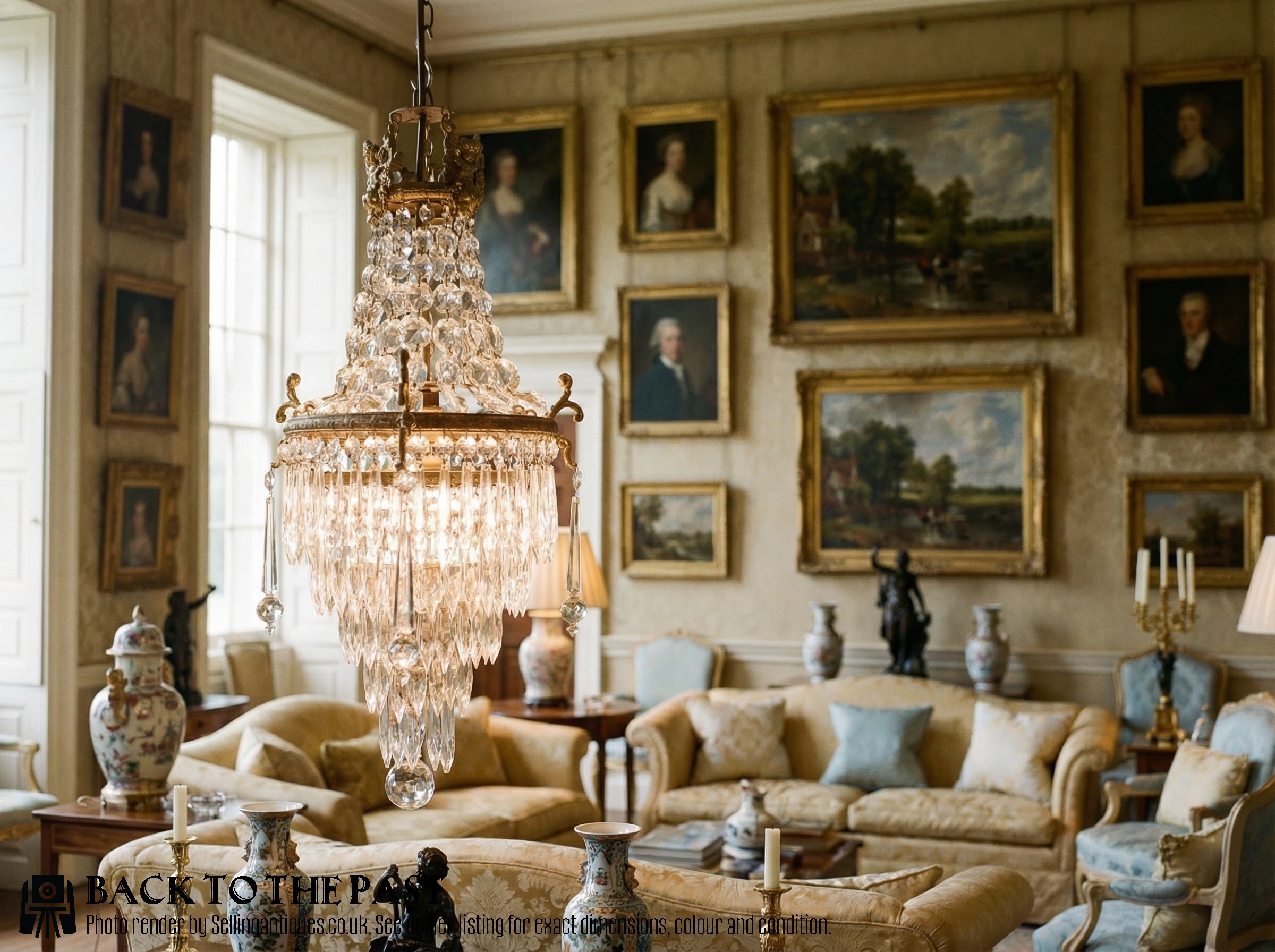
Glass and crystal elements are integral, utilising cut glass, crystal lustres, tent and waterfall configurations, and porcelain flowers to refract light. Frames hold these glass components together with pins, wire, or soldered joints depending on the period, from nineteenth-century heavy bronze castings to nineteen-twenties Art Deco geometric frames.
Antique Pendant Lighting Retail Price Guide 2026
Typical asking prices for pendant lighting among the pieces listed under this phrase on Sellingantiques today, from the lower quarter to the upper quarter. They describe what is for sale here now, not the wider market.
Manchester City Town Hall once shed light on civic business through an Arts and Crafts brass lantern.
Craftsmanship and finish
Quality reveals itself in the weight and crispness of the metal casting, particularly in gilt bronze and brass mounts where hand-chasing defines the ornamental detail. Superior pieces maintain original fire-gilding or deep patination rather than modern replating, showing subtle tool marks and consistent wear that indicate age.
The assembly of glass and crystal components dictates the optical performance and visual harmony of a fixture. High-grade chandeliers utilise hand-cut crystal lustres and accurately bevelled glass panes fitted securely into substantial metal armatures, whereas lesser examples use pressed glass and flimsy connections.
Émile-Jacques Ruhlmann·Voysey
The Antique Pendant Lighting Glossary
- Chandelier
- A branched ceiling-mounted lighting fixture designed to hold multiple lamps or candles. These pieces often incorporate crystal lustres and metal arms.
- Hall lantern
- An enclosed hanging light placed typically in entryways or corridors. They feature glass panels held within brass, bronze, or copper frames.
- Gilt bronze
- Bronze metal treated with a layer of gold, historically through mercury amalgamation or later electroplating techniques. This finish provides a durable, warm metallic lustre.
- Crystal lustre
- A cut glass pendant or drop hung from a chandelier to reflect and multiply light. Lustres appear in various shapes from spear points to teardrops.
- Slip shade
- A moulded piece of glass that fits into a metal frame to conceal and diffuse the light source. This technique is common in Art Deco ceiling lights.
Antique Pendant Lighting: Frequently Asked Questions
How do I hang a heavy antique chandelier?
Heavy fixtures require direct anchoring to a ceiling joist using a structural metal hook or steel brace capable of supporting the dead weight of bronze and crystal.
Electricians should inspect internal wiring and ensure the junction box meets current safety standards before suspending the fixture.
What rooms suit a hall lantern?
Hall lanterns provide vertical accent lighting suited for entryways, stairwells, and high-ceilinged corridors where space permits a hanging fixture.
Enclosed glass panels protect the interior from drafts and direct contact while casting patterns across surrounding walls.
How do I distinguish Edwardian from Victorian lighting?
Victorian lighting tends to feature heavier brass frames, ornate castings, and occasionally leaded glass panels with romantic or historicist influences.
Edwardian designs often introduce lighter proportions, simplified brass framing, and early Art Nouveau curves reflecting a shift towards domestic brightness.
Can antique pendant lights take modern bulbs?
Most antique fixtures accommodate modern LED bulbs provided the Edison screw or bayonet fitting matches the existing vintage lamp holder.
Low-wattage or warm-tone bulbs help preserve the atmosphere intended by the original nineteenth or early twentieth-century design.