

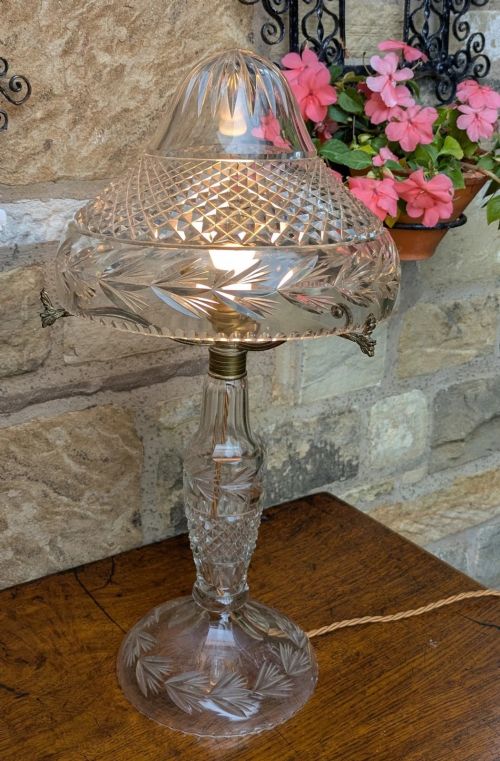
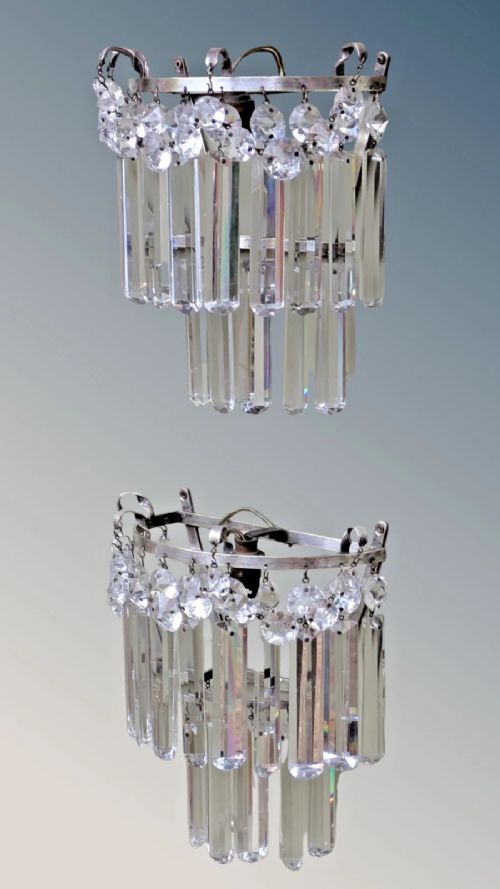
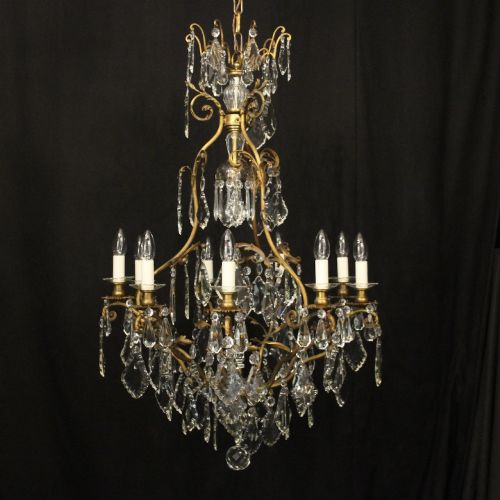
Vintage Crystal Lighting
These vintage crystal lighting pieces bring historical illumination and refractive brilliance to a room.
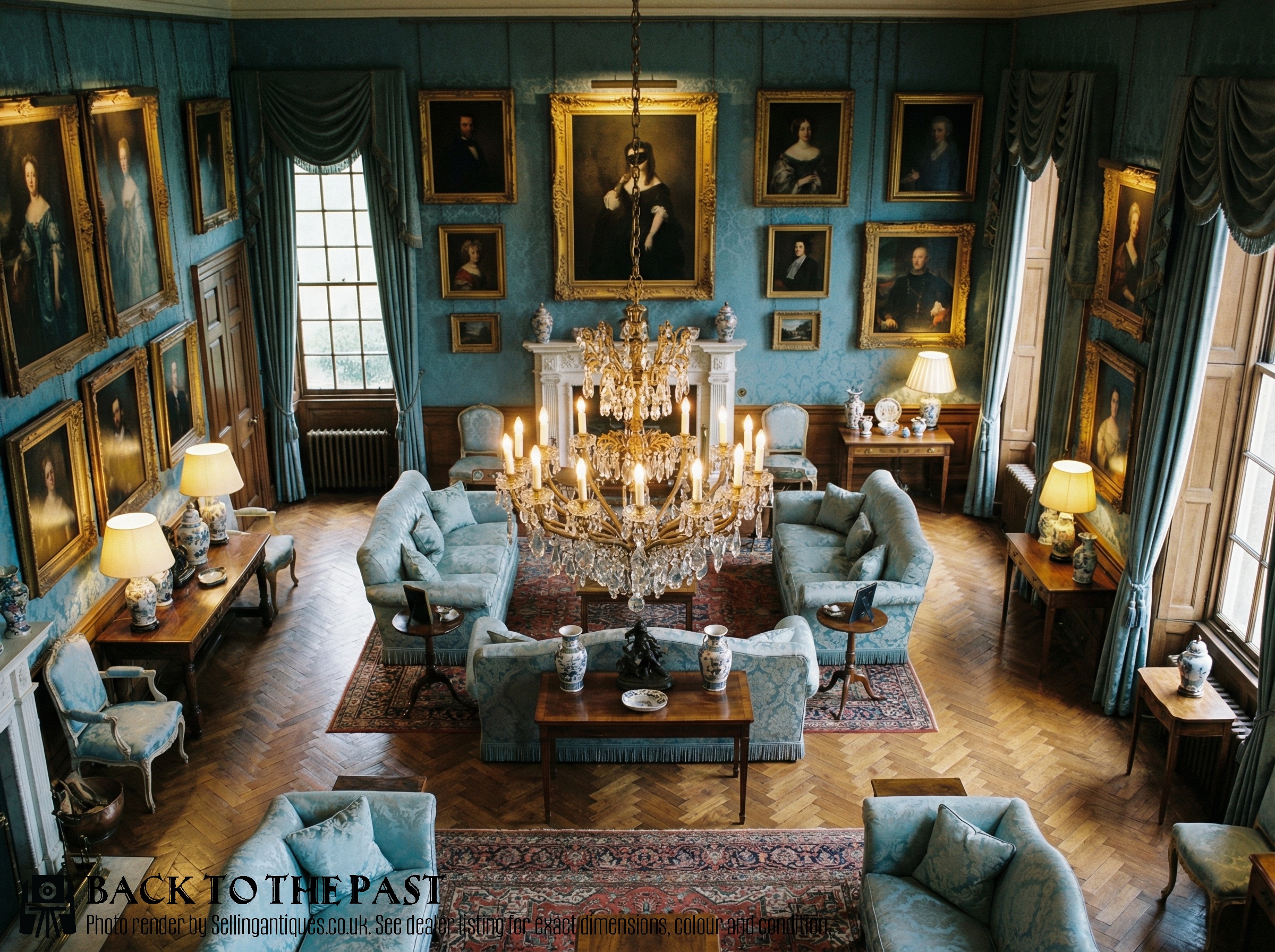
Vintage Crystal Lighting
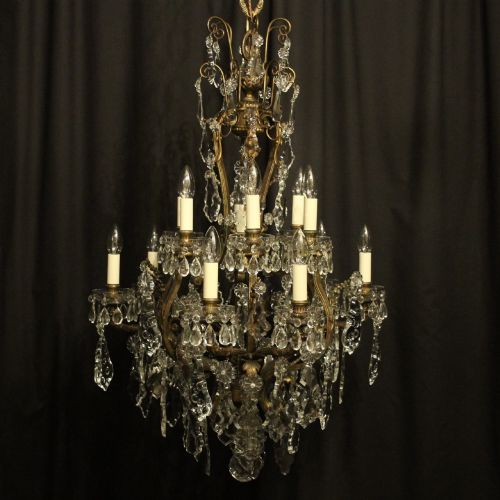
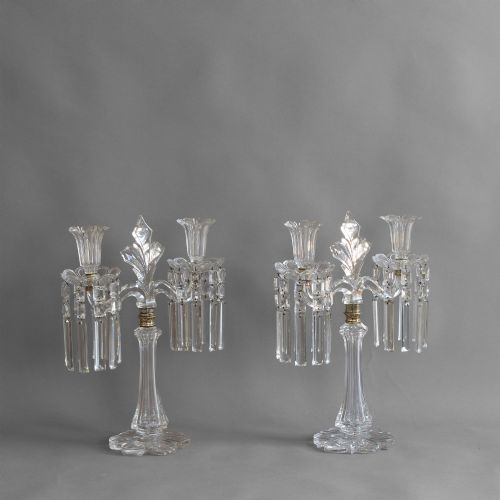
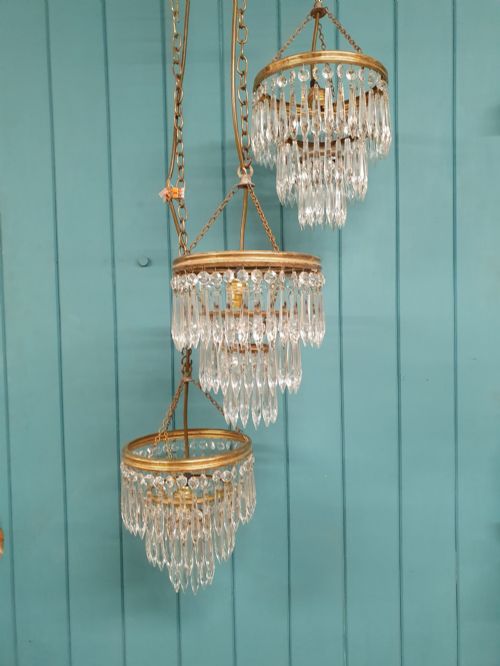
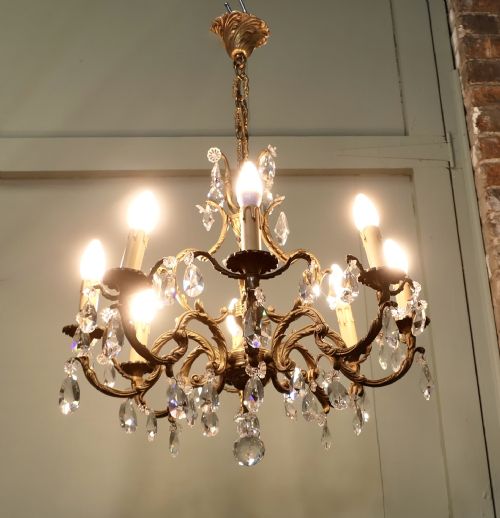
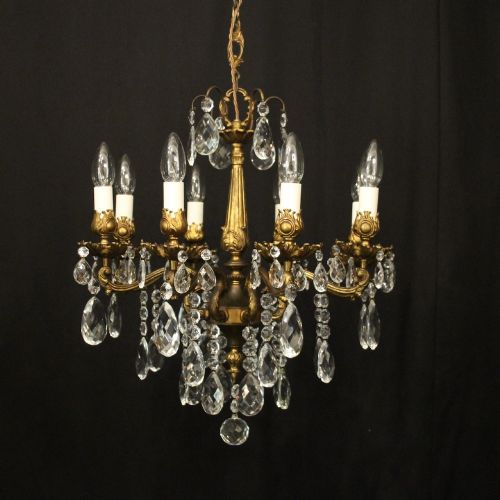
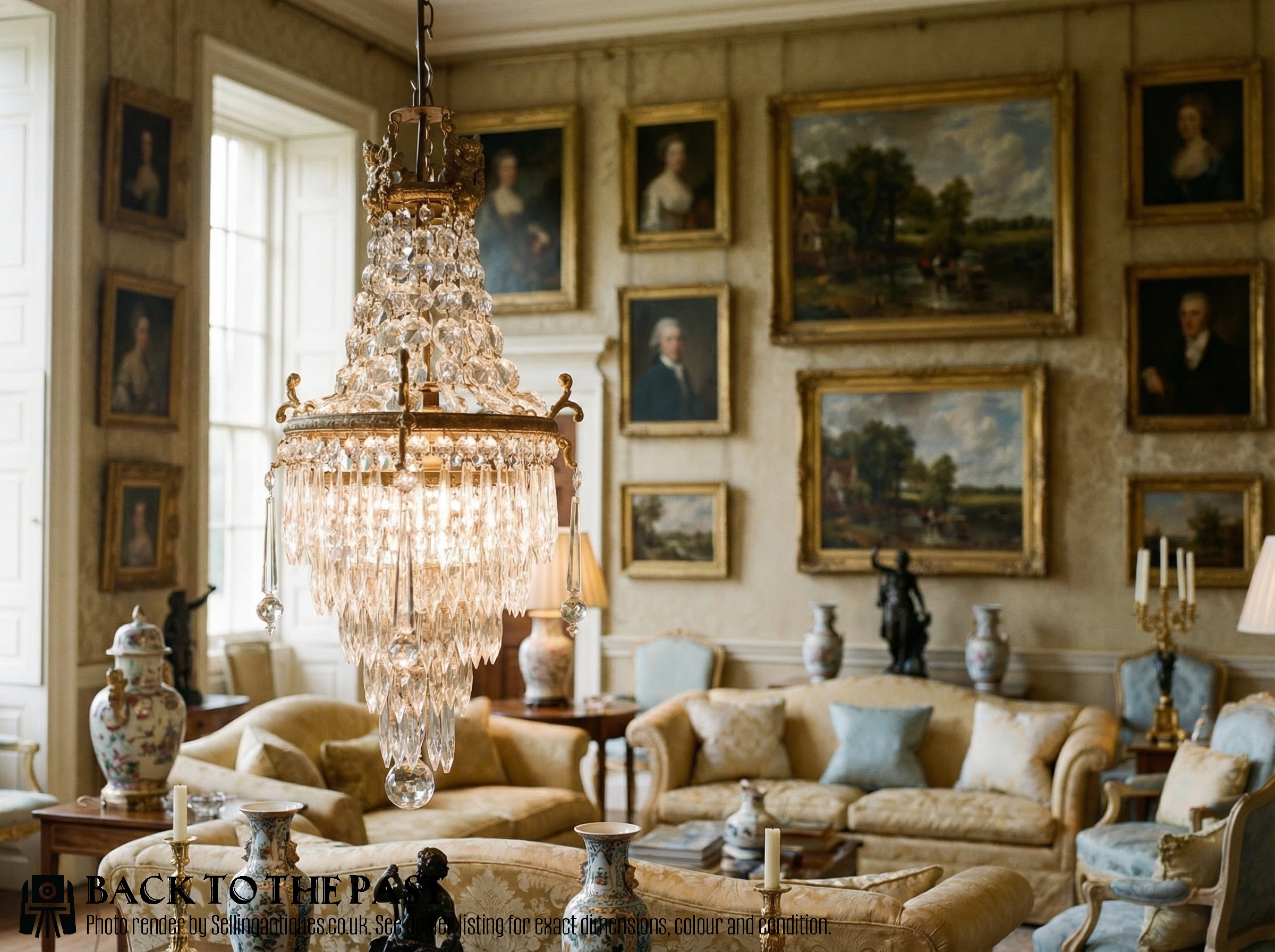
When you search for vintage crystal lighting, you find architectural fixtures and decorative lamps designed to illuminate interiors through cut glass and crystal components. The selection on this page consists predominantly of French and Italian chandeliers, ceiling lights, wall sconces, and table lamps originating from the late nineteenth century through the 1930s. These pieces incorporate metal frames hung with glass drops, beads, and lustres to scatter light across a space.
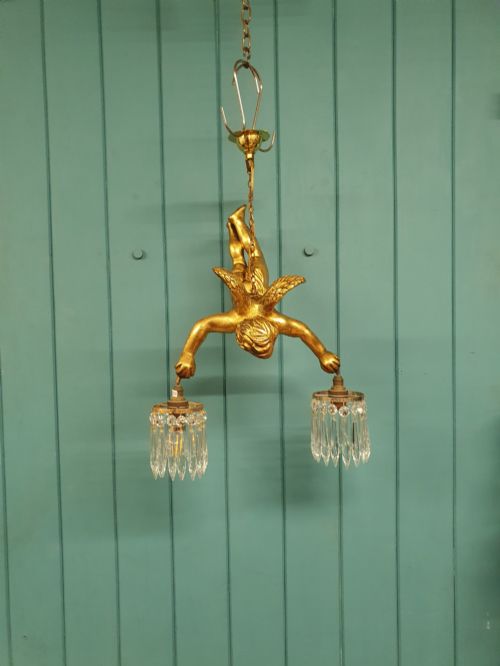
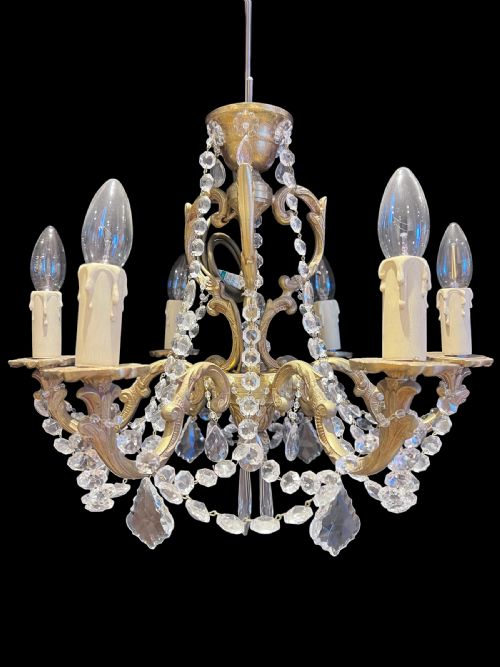
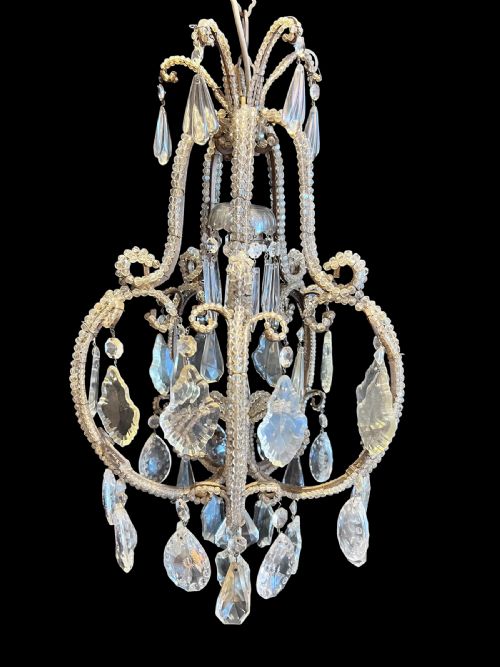
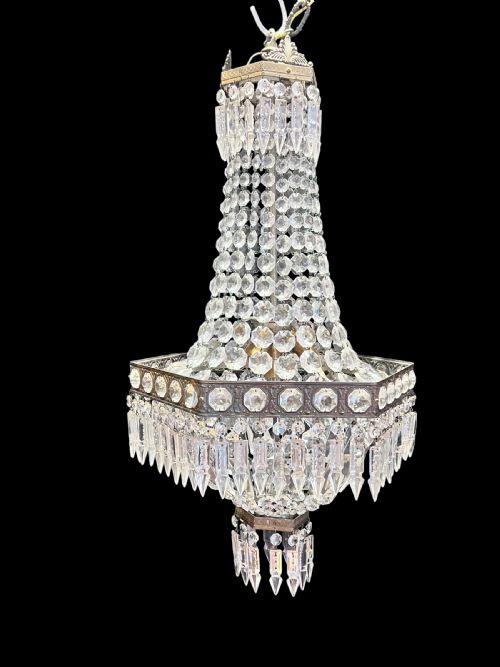
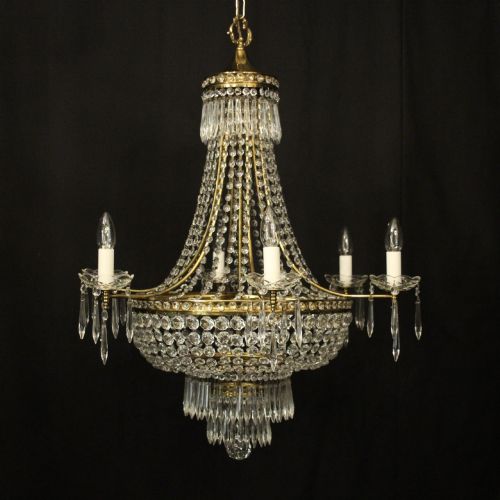
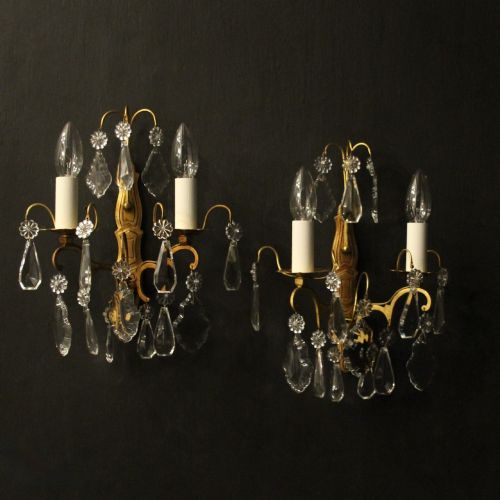
The most common forms you meet here are multi-light chandeliers adhering to French styles such as Empire, Rococo, and Louis Revival. Alongside these large ceiling fixtures, the listings include compact spike chandeliers, basket chandeliers, flush-mounted plafonniers, and pairs of wall lights. Many of these date from the 1920s and 1930s, reflecting a period of decorative revival in European metalwork and glass production.
How they were made
The foundational frames of these fixtures rely on cast or spun metals including brass, bronze, spelter, and gilt metal. Workers shaped these structural elements into arms, crowns, and bands, often applying a gilt surface finish to increase the reflection of ambient light. Frames were assembled using threaded rods, pins, and nuts to support the weight of the central shaft and extended light arms.
Suspended elements were produced from lead-rich crystal or soda-lime glass, shaped by hand-cutting, moulding, or blowing. Artisans cut facets into drops, lustres, and beads using rotating wheels to maximise optical refraction, then wired them to the metal frame using fine brass wire loops or pins.
Vintage Crystal Lighting Retail Price Guide 2026
Typical asking prices for vintage crystal lighting among the pieces listed under this phrase on Sellingantiques today, from the lower quarter to the upper quarter. They describe what is for sale here now, not the wider market.
The object forms range from multi-arm ballroom chandeliers and wall sconces to small plafonniers, table lamps, and decorative girandoles.
What varies in quality
Quality in these lighting fixtures rests on the clarity and depth of the glass elements and the substance of the metal armature. Superior pieces use heavy, hand-cut crystal with sharp facet edges that refract light cleanly, whereas simpler examples feature machine-pressed glass with softer edges. The complexity of the frame construction, from basic cast brass to finely chased gilt bronze, marks the distinction between standard production and higher workshop output.
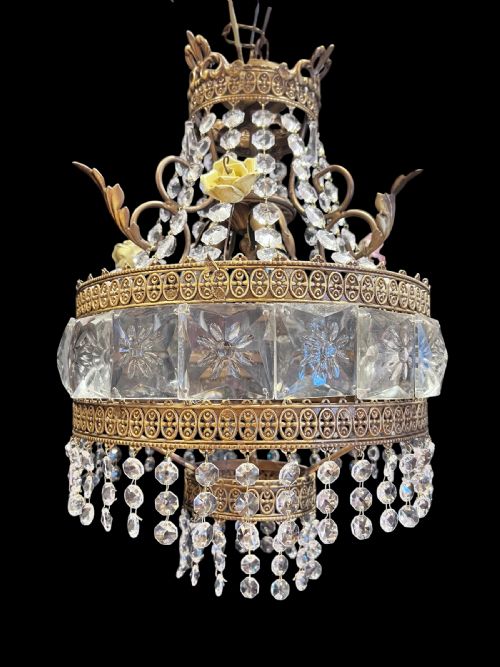
The structural integration of the design also separates grades of manufacture. Better examples balance the distribution of crystal drops, beads, and swags to form cohesive waterfall, tent, or basket silhouettes without exposing raw wiring or crude joints. The presence of integrated decorative details, such as porcelain flowers or cast figural motifs, indicates a higher level of workshop ambition.
Maison Baguès
The Vintage Crystal Lighting Glossary
- Plafonnier
- A ceiling-mounted light fixture with a shallow bowl or shade positioned close to the ceiling surface. These are common in early twentieth-century interiors where ceiling heights required compact solutions.
- Lustre
- A cut glass or crystal pendant suspended from a chandelier or wall light to catch and reflect illumination. They take various shapes, including spears, drops, and prisms.
- Spike chandelier
- A narrow or compact chandelier design featuring a central vertical spike or shaft surrounded by radiating light arms and crystal draping. This form suits smaller spaces.
- Tent and waterfall chandelier
- A fixture style featuring an upper conical section of draped crystal beads resembling a tent, cascading down into a wider arrangement of drops known as a waterfall. It creates a dense visual curtain of glass.
- Gilt bronze
- An alloy of copper and zinc finished with a layer of gold leaf or mercury gilding. This material provides a durable, warm metallic base for decorative mounts and arms.
Vintage Crystal Lighting: Frequently Asked Questions
How do I clean a crystal chandelier?
Cleaning involves wiping individual glass drops and crystal components with a mild solution of warm water and isopropyl alcohol using a soft cloth. You should work systematically around the fixture while it remains suspended, supporting each drop with one hand to prevent strain on the wire fasteners.
Avoid using harsh chemical sprays that can strip gilt finishes from the metal frame or degrade the mounting pins. Regular dusting with a feather duster helps prevent grime buildup between deeper cleaning sessions.
Are these lights wired for modern electricity?
Most antique fixtures of this age have been rewired at some point in their history to meet contemporary electrical standards. It remains standard practice to have a qualified electrician inspect the internal wiring and secure the ceiling mount before installation.
Many pieces use standard bulb fittings compatible with modern low-energy or LED candle bulbs. The electrician can verify that the weight of the chandelier is safely supported by ceiling joists rather than plaster alone.
How do I date an antique chandelier?
Dating relies on examining the construction methods of the metal frame, the style of the casting, and the cut of the crystal. Edwardian and 1920s pieces often incorporate lighter brass stampings and machine-cut elements, while nineteenth-century examples tend to feature heavier gilt bronze and hand-finished components.
Wiring styles, screw threads, and suspension hardware also provide clues to the period of manufacture. Comparing the overall silhouette against known decorative revivals helps narrow down the decade.