

Gilt Bronze Pendant
These gilt bronze pendant options bring French lighting forms to interiors through cast metal work and crystal drops.
Gilt Bronze Pendant
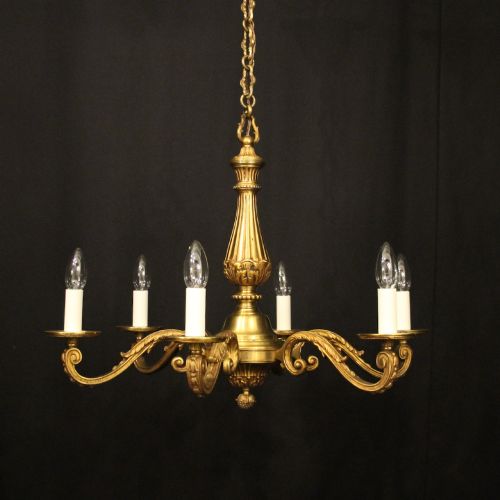
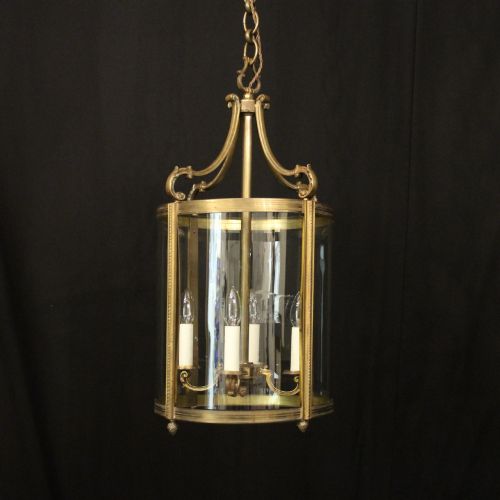
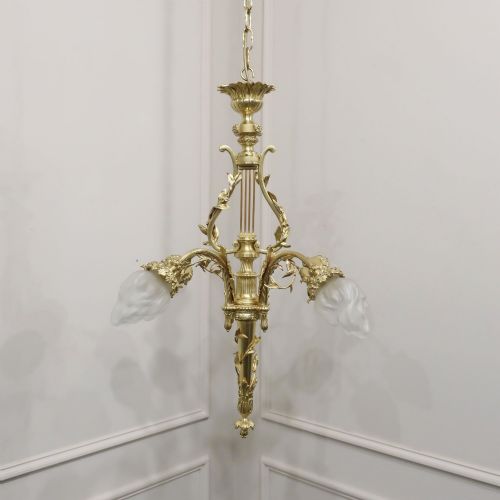
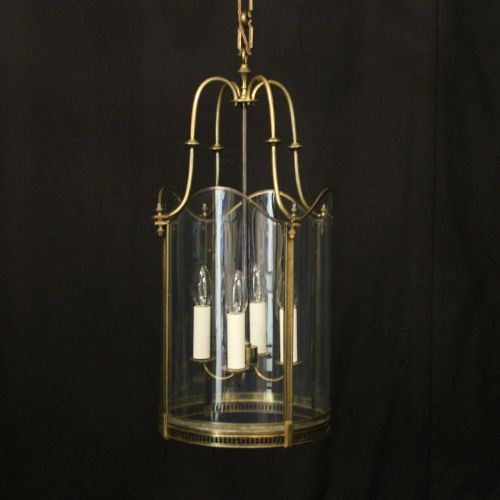
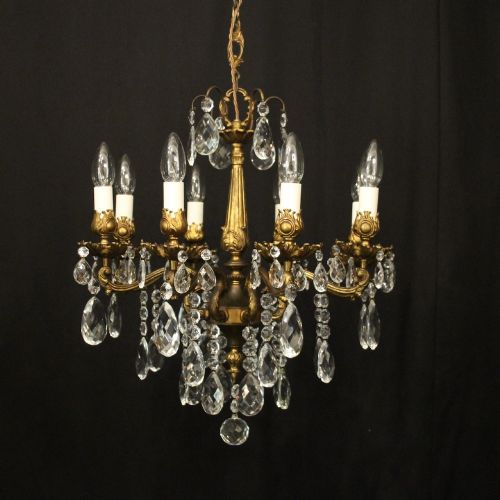
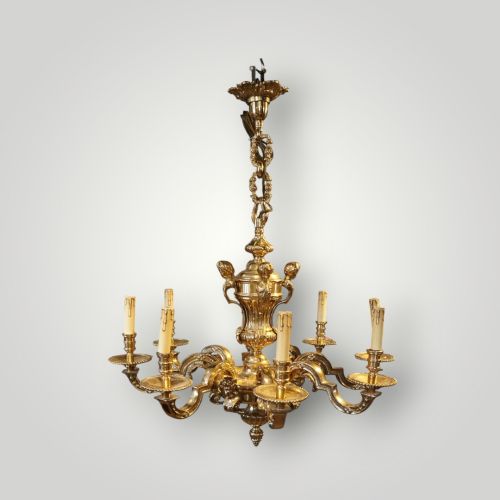
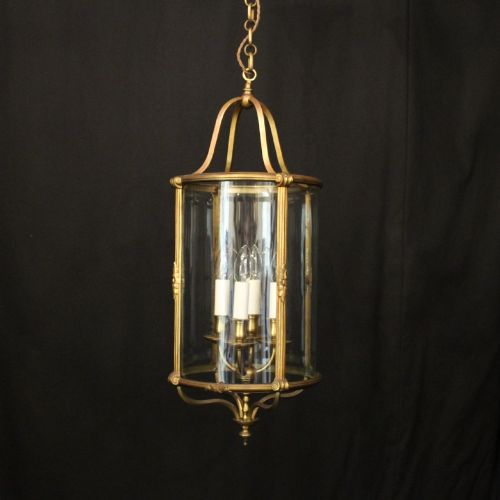
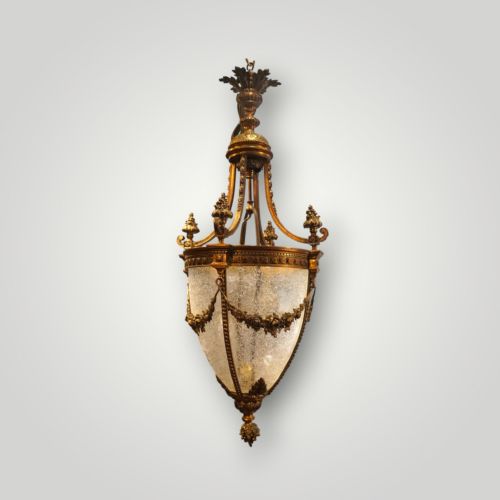
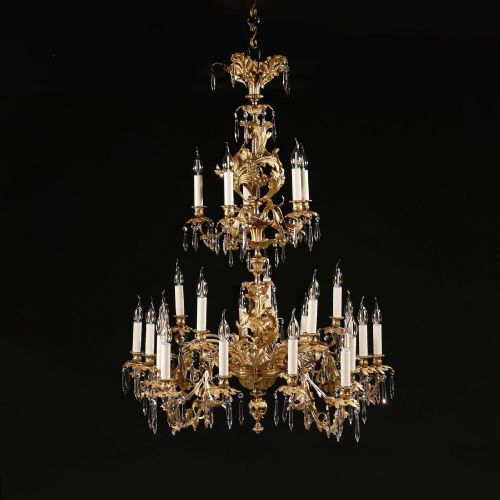
When you search for a gilt bronze pendant, you find lighting fixtures shaped by French decorative traditions across the nineteenth and early twentieth centuries. The selection includes multi-arm chandeliers, hall lanterns and wall sconces drawing on Rococo, Empire and Neoclassical styles.
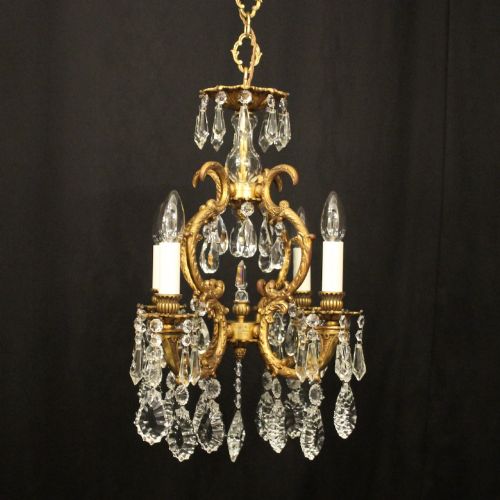
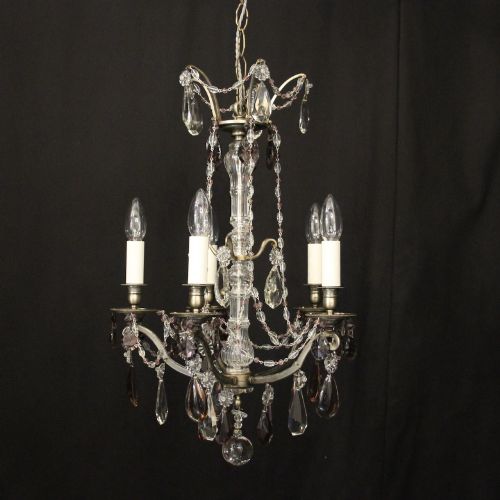
You are most likely to encounter twentieth-century pieces carrying French styling alongside nineteenth-century examples cast in bronze, brass and spelter. These items frequently incorporate glass crystals and birdcage frames to disperse light from multiple candle or bulb branches.
How they were made
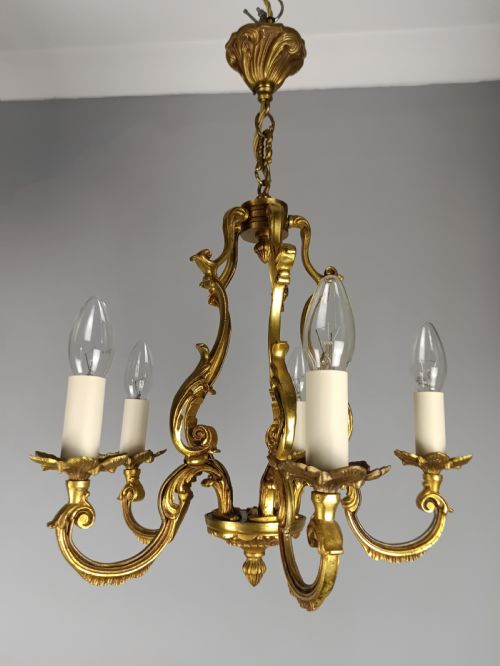
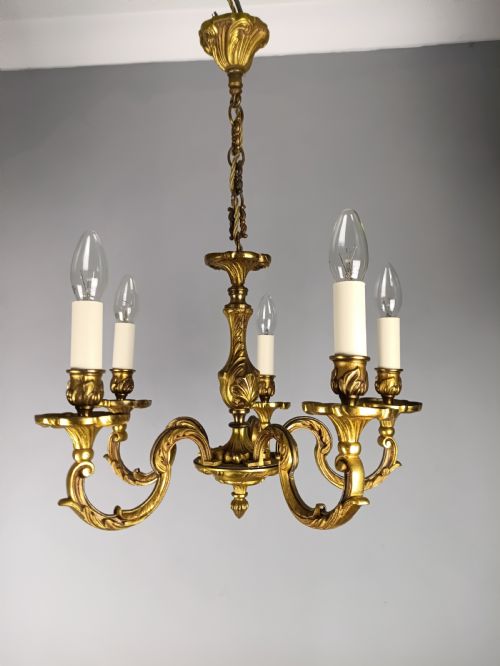
The construction relies on metal casting in bronze, brass and spelter, often finished with a layer of gilt to impart a rich surface tone. Workshops formed ornate frames in styles such as Louis XVI and Baroque Revival, incorporating structural elements like lyres and tent frameworks.
Makers integrated cut glass and crystal components, suspending spikes, drops and beads from the metal armature to catch the illumination. Frames were assembled in multi-light configurations ranging from simple hanging lanterns to elaborate twenty-five light chandeliers.
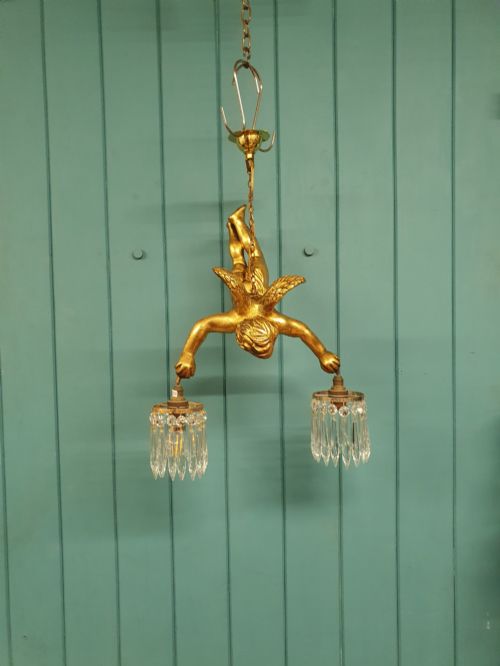
Look closely to spot tiny flying cherubs holding up entire crystal chandelier spikes in early twentieth-century designs.
What varies in quality
Quality rests in the crispness of the metal casting and the depth of the gilding applied to the bronze or brass surface. Finer examples display meticulous detailing in foliate motifs and figures, while simpler pieces rely on basic casting methods.
The integration of the glass and crystal elements dictates distinction within the range, as hand-cut prisms and complete crystal drops elevate the overall presence of the fixture compared to moulded glass alternatives.
G.E.C
The Gilt Bronze Pendant Glossary
- Gilt bronze
- Metal cast and coated with a thin layer of gold or gold-coloured alloy. It provides a durable and decorative finish seen on French lighting.
- Hall lantern
- An enclosed hanging light fixture designed for entryways and corridors. These items often feature convex glass panels within a metal frame.
- Tent and waterfall
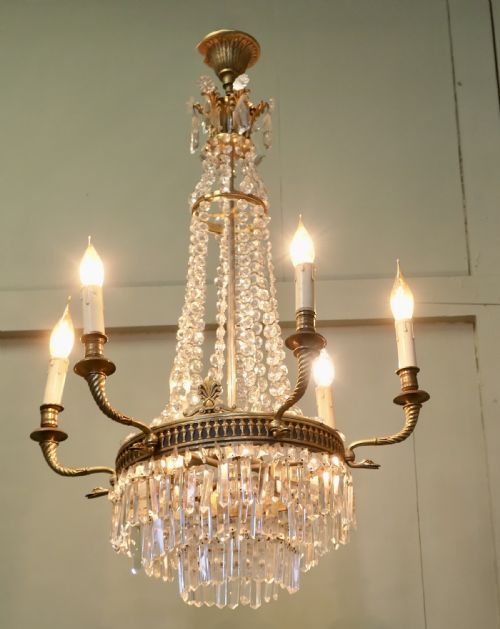
- A chandelier design where strings of crystals form an upper tent shape above a cascading waterfall of drops. This style originates from grand French reception rooms.
- Spelter
- A zinc alloy utilised as a substitute for bronze in casting decorative figures and mounts. It offers a lighter alternative for sculptural elements.
Gilt Bronze Pendant: Frequently Asked Questions
What periods do these lights cover?
The pieces span from the nineteenth century through the early decades of the twentieth century. Production reflects shifting French design revivals from Empire to Art Nouveau.
Most items date from the interwar period and the late nineteenth century. Makers drew on historical styles like Rococo and Neoclassicism during these eras.
Where were these lights used?
These fixtures hung in grand reception rooms, salons and high-ceilinged entrance halls. Hall lanterns specifically served corridors and vestibules.
Multi-arm chandeliers illuminated large entertaining spaces while wall sconces provided supplementary side lighting. Their French aesthetic suited formal domestic interiors.
How do I hang a heavy chandelier?
Installation requires fixing to a structural ceiling joist capable of supporting the combined weight of metal and crystal. Professional electrical fitting ensures safe suspension.
Careful handling of the crystal drops during placement prevents damage to the delicate glass components. Weight varies significantly depending on the number of metal arms.
How do I clean gilt bronze?
Maintenance involves gentle dusting with a soft brush to protect the delicate gilt surface. Avoid harsh chemical cleaners that strip the metallic finish.
Crystal elements can be washed in warm soapy water while detached from the frame. Proper upkeep preserves the original lustre of the cast bronze.