

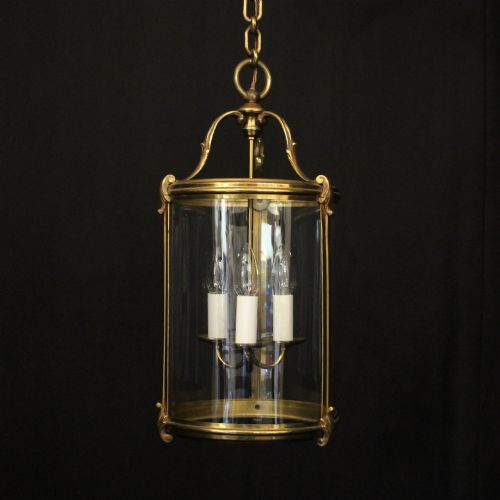
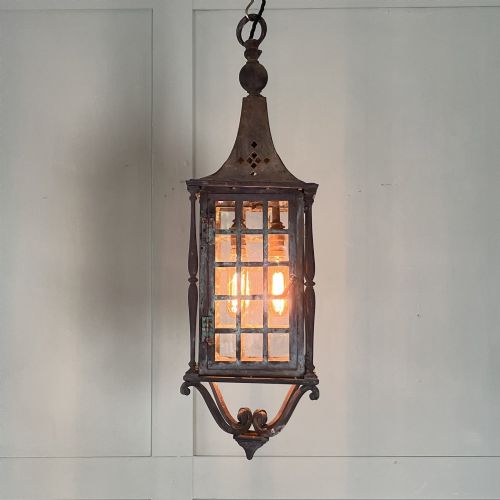
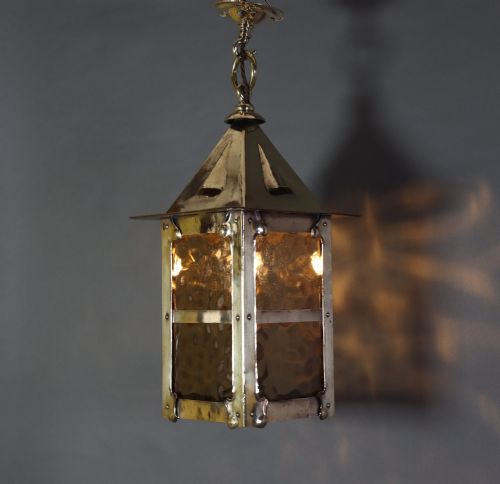
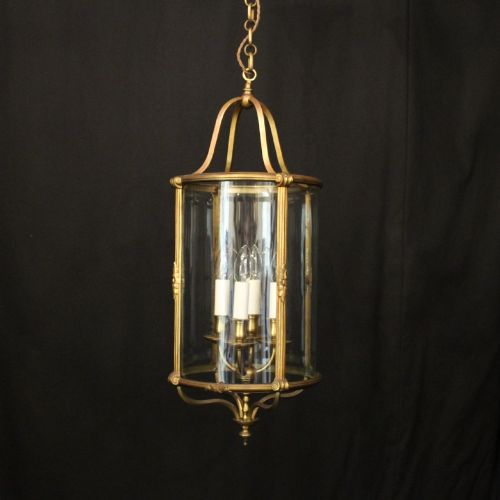
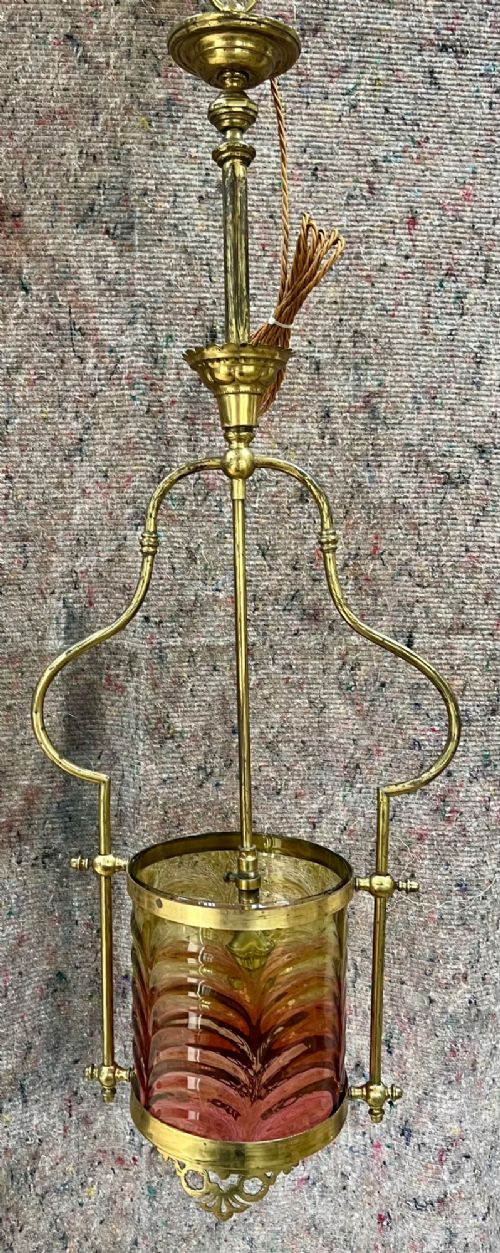
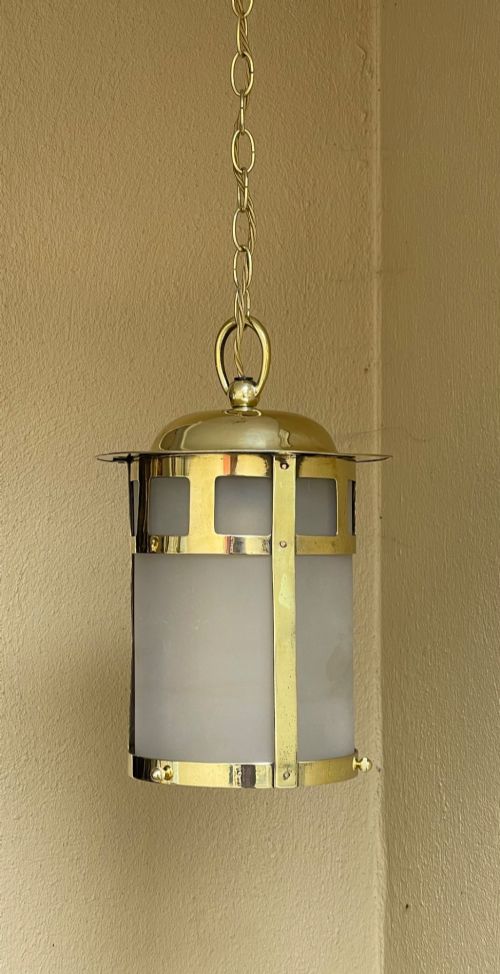
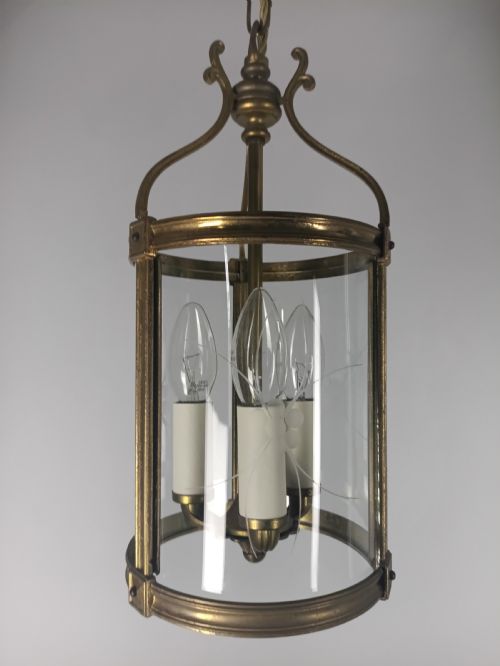
Hanging Hall Lantern
A hanging hall lantern illuminates an entryway with character, combining metalwork and glass to cast warm light across a threshold.
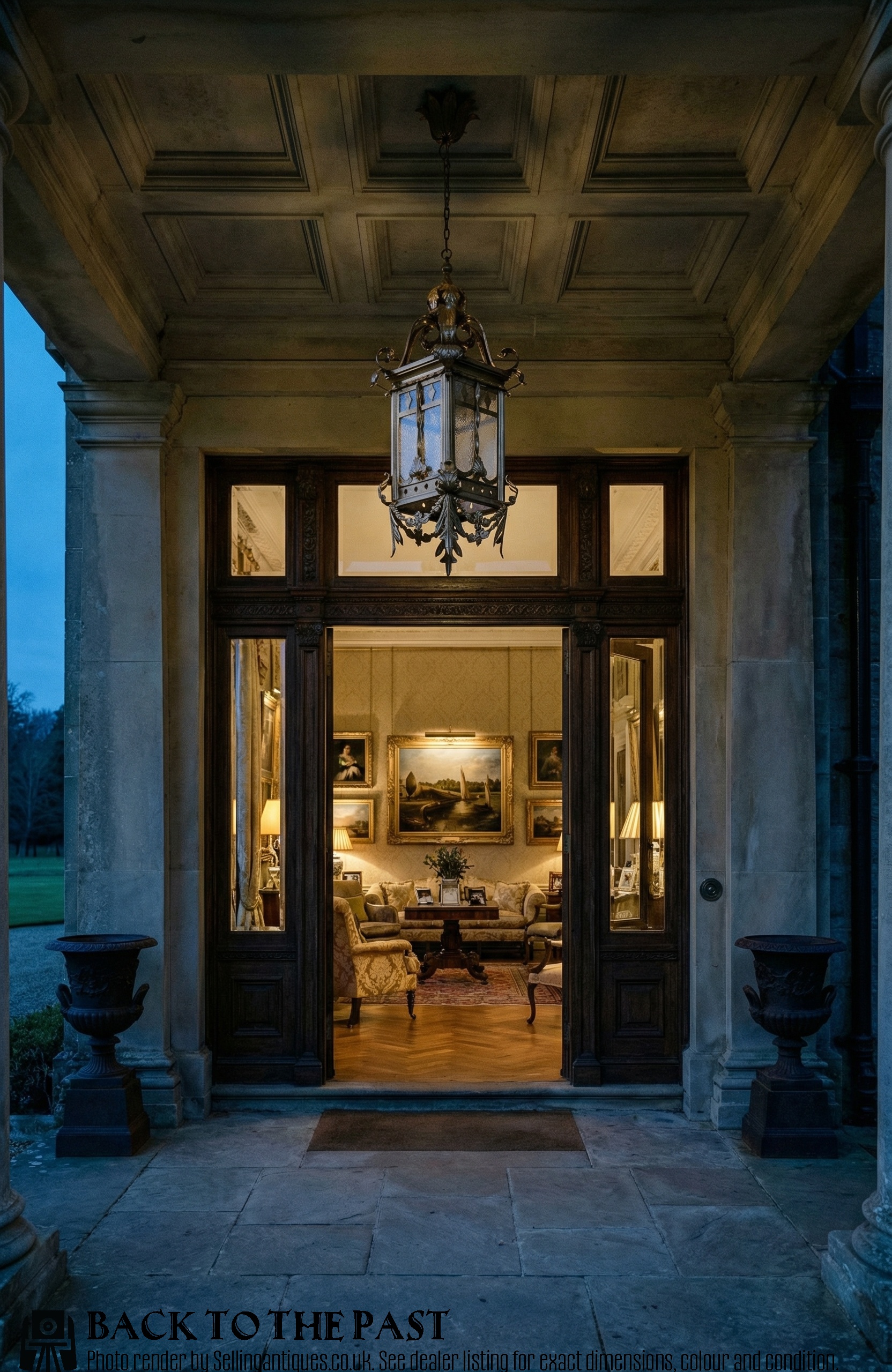
Hanging Hall Lantern
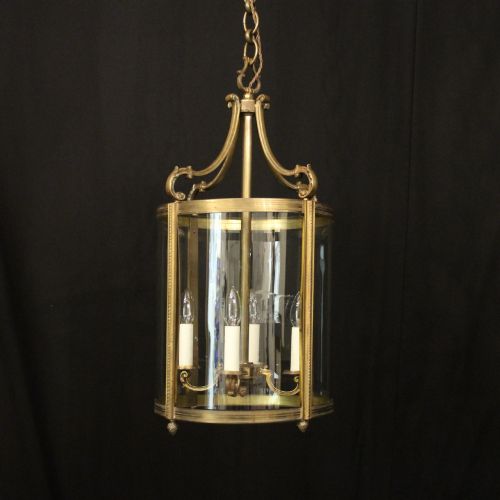
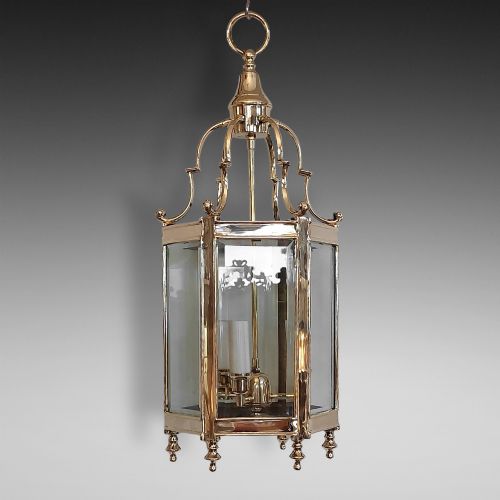
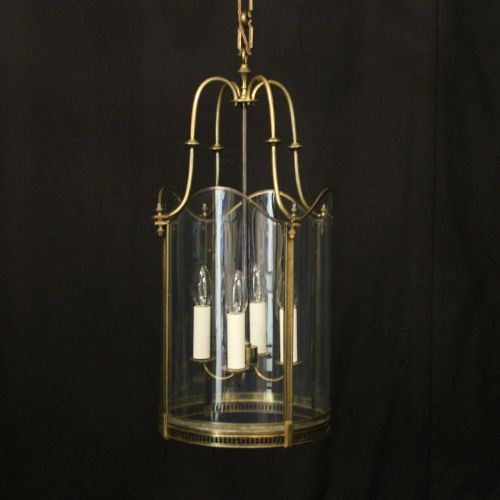
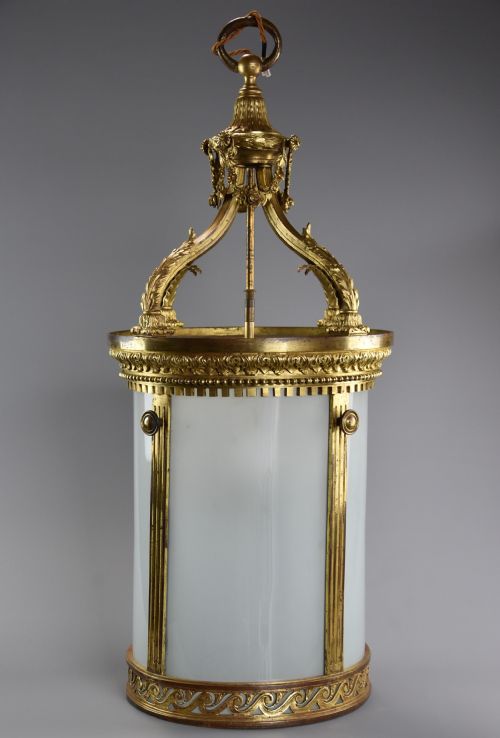
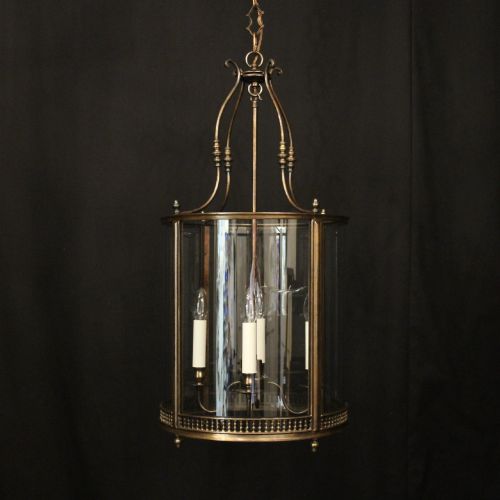
A hanging hall lantern provides overhead illumination specifically suited to narrow entrance spaces and stairwells. These fixtures combine structural metal frames with glass panels designed to distribute light evenly in compact spaces. Examples range from simple domestic pendants to grand continental designs.
Victorian, Edwardian, and early twentieth-century periods dominate the selection available on this page. Brass framing paired with clear, leaded, or convex glass represents the most frequent form encountered by buyers searching for a hanging hall lantern.
How they were made
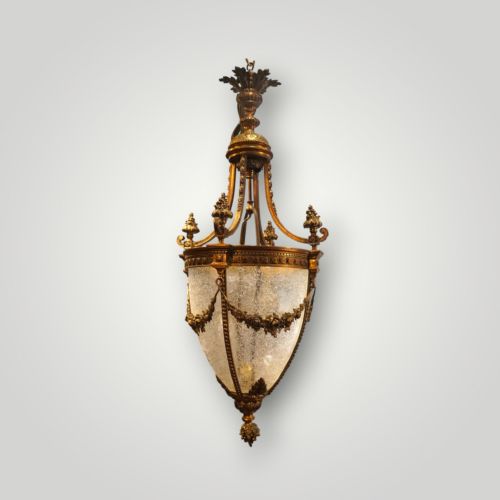
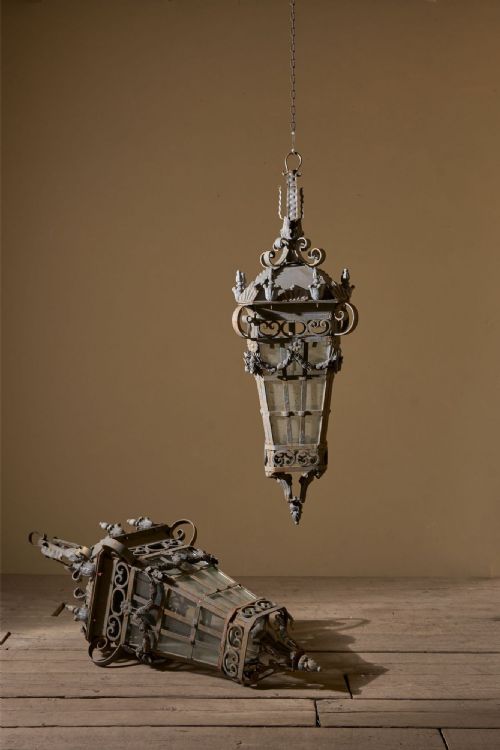
Metalwork forms the backbone of these pieces, utilising brass, gilt bronze, wrought iron, and lead to construct rigid frames and decorative mounts. Craftsmen joined structural sections through casting, soldering, and riveting to support heavy glass panels securely.
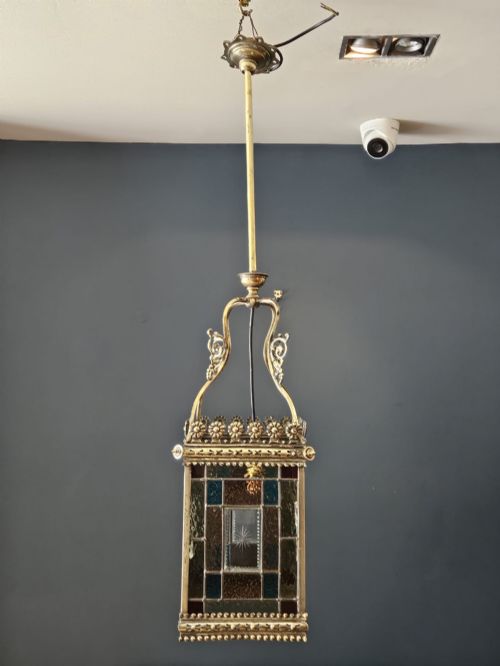
Glazing techniques involve hand-blown glass, bullseye roundels, etched decoration, and stained glass fitted carefully into metal channels. Many pieces incorporate hinged doors or panels to allow internal access for maintenance and bulb replacement.
Hanging Hall Lantern Retail Price Guide 2026
Typical asking prices for hanging hall lantern among the pieces listed under this phrase on Sellingantiques today, from the lower quarter to the upper quarter. They describe what is for sale here now, not the wider market.
What varies in quality
The weight and thickness of the metal frame establish the primary tier of craftsmanship in a hanging hall lantern. Solid cast bronze and heavy brass exhibit sharper detail in ornamentation than pressed sheet metal alternatives.
The sophistication of the glass work dictates the upper echelon of these items. Convex panels, hand-blown imperfections, and intricate leaded or etched designs separate standard utilitarian lighting from superior decorative examples.
Voysey
The Hanging Hall Lantern Glossary
- Convex glass
- Curved glass panels that project outward to diffuse light across a wider angle. This treatment appears frequently on French and English hall lighting.
- Bullseye glass
- A circular disc of glass featuring a prominent central node formed during the hand-blowing process. It adds texture and distorts light pleasantly within a lantern.
- Gilt bronze
- Bronze metal coated with a thin layer of gold or gilt finish. This material provides a durable, reflective surface that resists tarnishing in entranceways.
- Leaded glass
- Individual pieces of glass joined together by strips of lead came. This technique creates geometric or patterned windows within the lantern frame.
Hanging Hall Lantern: Frequently Asked Questions
Where should a hanging hall lantern be placed?
These fixtures fit naturally in entrance halls, corridors, and high-ceilinged stairwells where vertical space allows proper suspension. Their enclosed design protects the light source while directing illumination downward and outward.
Ensure adequate clearance beneath the fixture so passersby walk safely underneath without obstruction.
How do I date a hanging hall lantern?
Dating relies on observing the stylistic markers of periods such as Victorian, Edwardian, or Arts and Crafts movements. Material choices like heavy cast brass, wrought iron, or specific glass types also help determine age.
Examine construction methods, wiring ports, and hanging loops for signs of period manufacturing techniques.
What maintenance do glass and brass lanterns require?
Routine upkeep involves dusting the glass panels with a soft cloth and cleaning the metal frame with appropriate non-abrasive polishes. Avoid harsh chemical cleaners that might strip historical patinas from brass or bronze surfaces.
Check suspension chains and ceiling hooks periodically to ensure the mounting remains secure.