

Vintage Ceiling Lantern
A vintage ceiling lantern brings character and focused illumination to an entrance hall, drawing the eye upwards with its period glass and metalwork.
Vintage Ceiling Lantern
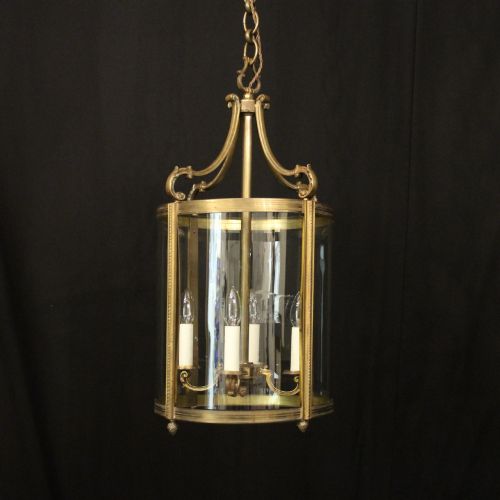
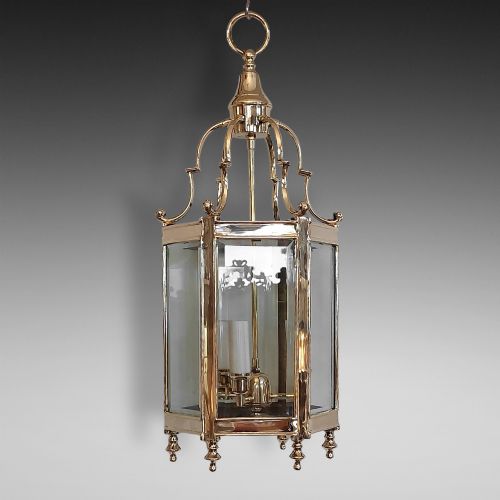
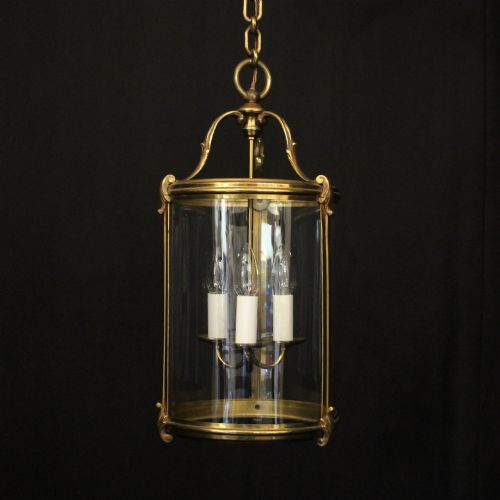
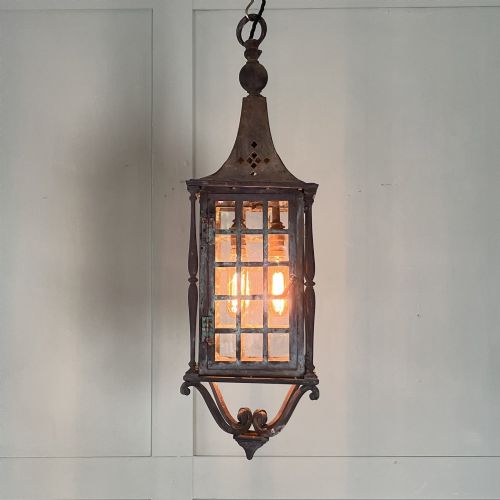
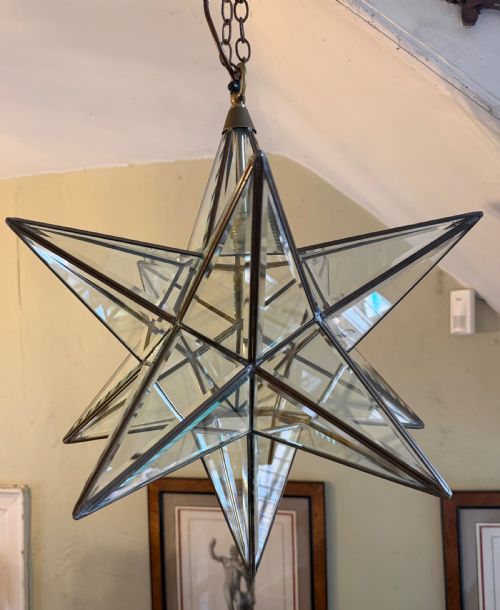
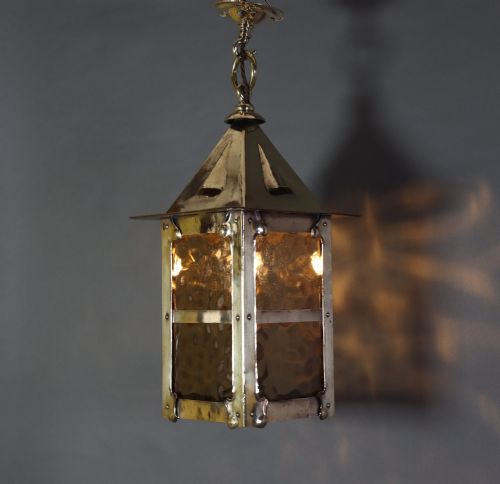
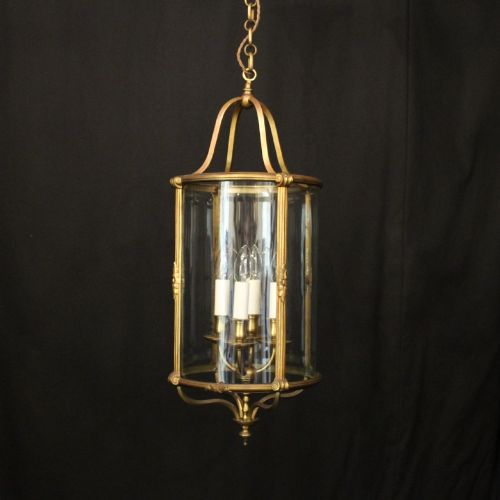
A vintage ceiling lantern serves as an overhead lighting fixture designed to hang in hallways, porches, and rooms, utilising glass panels set within a metal frame. When you search for a vintage ceiling lantern, you encounter pieces spanning the Victorian, Edwardian, Arts and Crafts, Art Deco, and mid-century periods, with French chateau and Gothic revival influences frequently appearing.
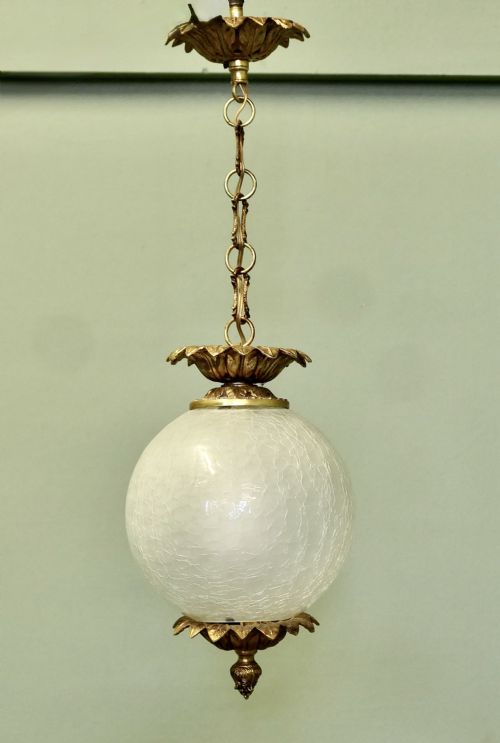
The selections on this page concentrate heavily on early twentieth-century examples, alongside nineteenth-century brass, copper, and bronze specimens. Forms range from simple hexagonal pendants and convex glass globes to monumental multi-light fixtures and specialised railway or nautical lights.
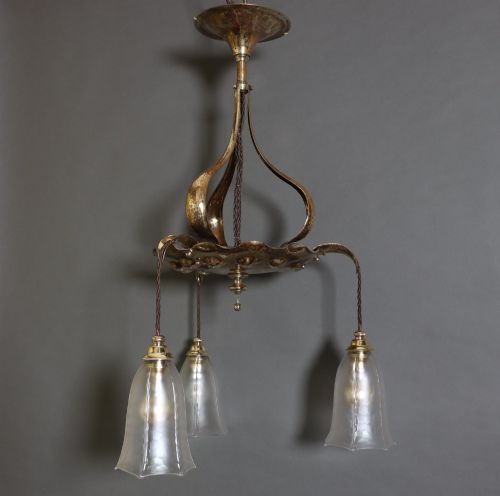
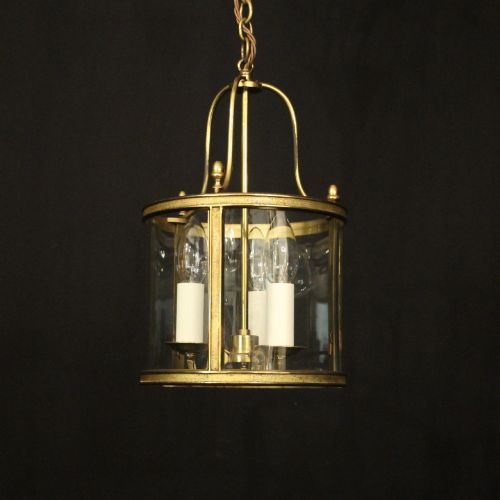
Makers and designers of the period employed various structural formats, including drop pendants, flush mounts, and multi-light hall lanterns equipped with hinged doors for easy bulb access.
How they were made
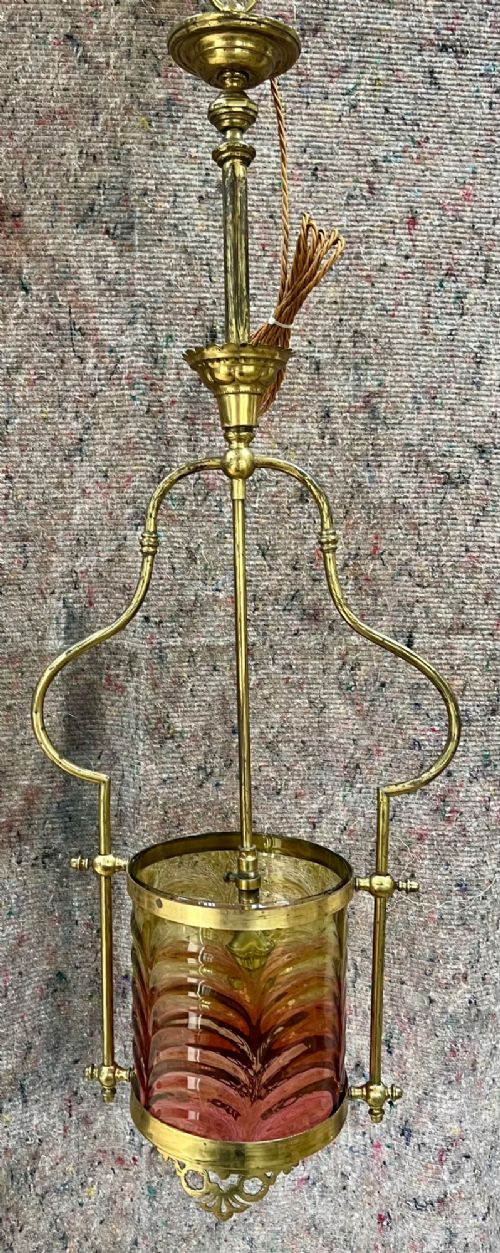
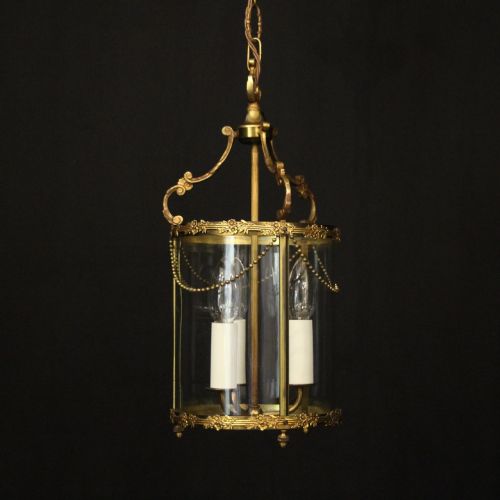
Craftsmen built these lanterns using metal frameworks of brass, gilt bronze, copper, and wrought iron, often casting or soldering the structural components by hand. Frames were then fitted with glass elements such as hand-blown bulls eye glass, moonstone panes, bevelled glass, or leaded stained glass.
Surface treatments included gilding, patination, and etching, which added decorative depth to the metal and softened the emitted light. Glazing techniques varied from traditional leaded came work to bent convex glass panels secured within metal channels.
Listings span the nineteenth century through the 1930s, featuring brass, copper, and gilt bronze paired with bevelled, leaded, and convex glass.
What varies in quality
Quality in these lanterns rests upon the weight and finish of the metalwork, distinguishing heavy cast bronze or thick brass frames from lighter pressed sheet metal. Superior examples display crisp chasing, robust hinges, and securely mounted glass panels that remain stable within the frame.
The nature of the glass itself dictates the tier of the piece, with hand-blown, bevelled, or deeply etched panes representing finer manufacturing standards than standard commercial replacement glass.
The Vintage Ceiling Lantern Glossary
- Bevelled glass
- Glass with edges ground and polished at an angle, creating prismatic light effects as it catches illumination. This technique appears frequently on early twentieth-century frames.
- Convex glass
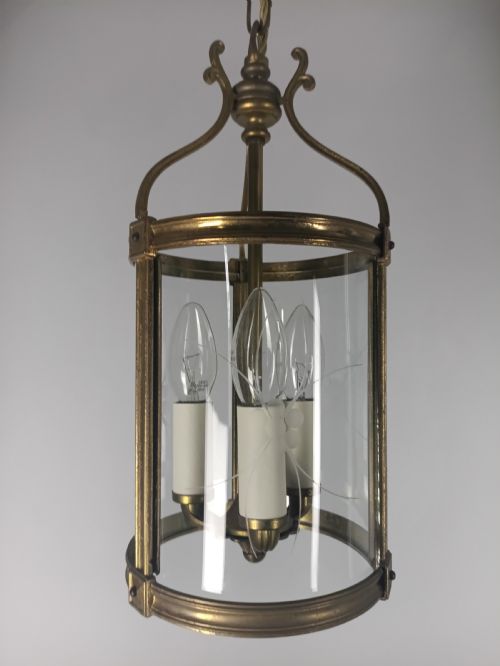
- Curved glass panels that project outward from the lantern frame, offering a wider distribution of light. They require specialised bending techniques during manufacture.
- Bulls eye glass
- Thick, round panes featuring a central protuberance formed during the glassblowing process. They create distorted, textured light patterns within the hallway.
- Leaded glass
- Individual pieces of glass joined together with strips of lead came to form geometric or pictorial patterns. This method is common in Arts and Crafts and Gothic revival pieces.
- Hall lantern
- A suspended lighting fixture specifically proportioned for narrow corridors and entranceways. They typically feature single or multiple internal lamp holders.
Vintage Ceiling Lantern: Frequently Asked Questions
How do I hang a heavy brass lantern?
Suspension requires securing the ceiling rose directly to a structural joist or a heavy-duty ceiling box capable of supporting the combined weight of the metal frame and glass panels.
Professional installation by an electrician ensures that the internal wiring meets modern safety standards while maintaining the original hanging chain and canopy.
Can these lanterns be used outside?
Most antique and vintage lanterns were designed for interior hallways or sheltered porches rather than exposed outdoor environments. Weatherproofing varies significantly depending on the original construction and seals.
Consulting an electrician regarding IP ratings helps determine if a specific copper or brass lantern suits an exterior location.
How do I clean antique glass panels?
Remove delicate glass panels from the metal frame only if the retaining clips allow safe handling without bending the antique brass or bronze. Wash the glass gently using mild soapy water and a soft cloth.
Avoid harsh chemical cleaners that can strip original patination from the surrounding metal or damage delicate etched surfaces.
How do I identify an Arts and Crafts lantern?
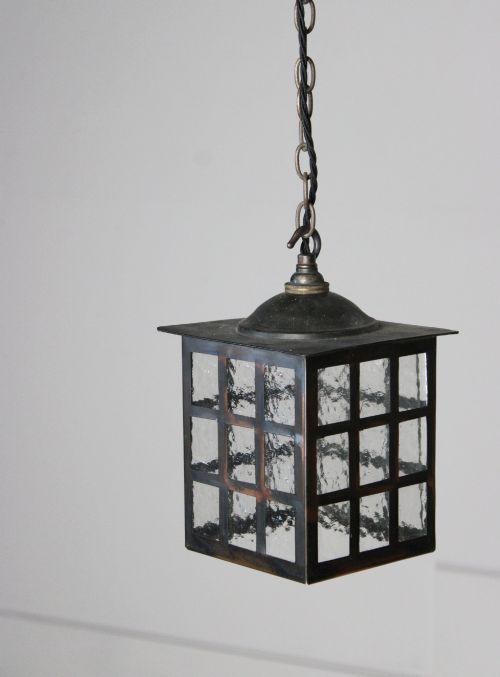
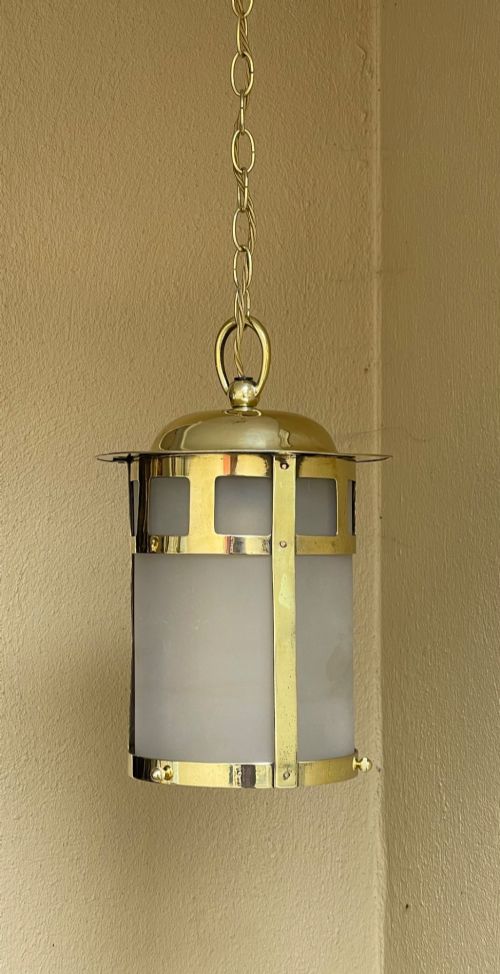
Arts and Crafts lanterns display honest construction methods, emphasising hand-worked copper or brass frames with visible rivets and straightforward geometric lines. They often lack excessive ornamentation in favour of material integrity.
These pieces frequently echo the design philosophies associated with makers like Voysey, prioritizing utility and simple craftsmanship.