


Gothic Style Lantern
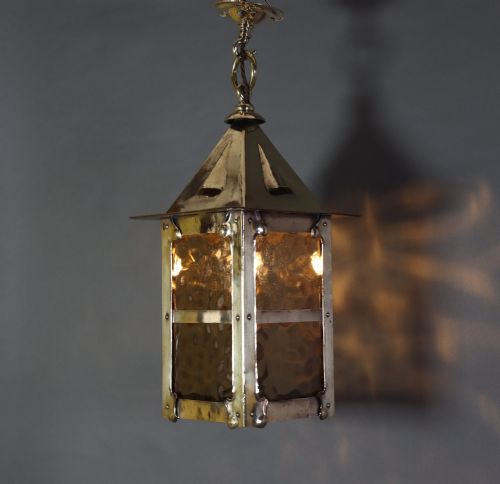
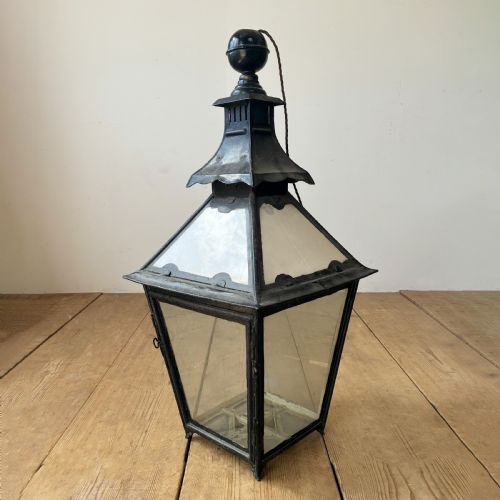
These gothic style lanterns are structural hanging and wall lights built from iron, brass, and glass that bring medieval architectural motifs into domestic interiors.
Gothic Style Lantern
When you search for a gothic style lantern, you encounter lighting fixtures shaped by medieval revival movements and early twentieth-century interpretations. The selection on this page centres on pieces that draw directly upon architectural window tracery, pointed arches, and heavy metal frameworks.
The versions you are most likely to meet on this page span the nineteenth century up to the early decades of the twentieth century. These include hall lanterns, pendant lights, and wall-mounted castle lights produced across Britain, France, and Italy.
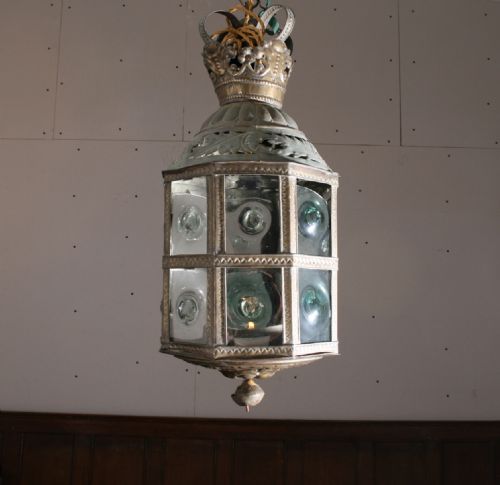
Makers and designers working in the Victorian and Arts and Crafts traditions adapted ecclesiastical ironwork and cathedral window designs for domestic halls and porches. You will find both simple wrought iron cages and elaborate brass structures fitted with stained, frosted, or hand-blown bulls eye glass.
Materials and construction
The primary structural framework of these lanterns relies on forged wrought iron, cast iron, brass, and occasionally steel. Blacksmiths and metalworkers shaped these metals by hand, producing heavy joints, rivets, and scrollwork that mimic medieval architectural hardware.
Glazing techniques vary widely across the pieces, incorporating hand-blown glass, frosted panels, and coloured stained glass secured within metal cames. Bull's eye panes and thick mouth-blown rondels diffuse candle or electric light unevenly, casting characteristic shadows through the geometric metal frames.
Some heavy iron lanterns weigh enough to double as medieval defensive weaponry if detached from the ceiling.
Assessing quality and craftsmanship
Quality in a gothic style lantern reveals itself in the weight of the metal and the precision of the hand-forged joinery. Superior examples show deliberate hand-shaping in the iron scrollwork and heavy gauge brass castings rather than thin stamped sheet metal.
The treatment of the glass pane construction further distinguishes the work. Heavy hand-blown bulls eye panels, intricate leaded stained glass, and well-fitted opening access doors indicate superior workshop production compared to plain, modern glass replacements.
Voysey·Pugin
The Gothic Style Lantern Glossary
- Gothic Revival
- An architectural and decorative style popular from the mid-nineteenth century that revived medieval forms, pointed arches, and heavy structural metalwork. This aesthetic forms the direct basis for the lanterns in this collection.
- Bulls Eye Glass
- A thick roundel of glass featuring a central circular distortion or protrusion left by the glassblowing pontil rod. These panes create interesting visual distortion when fitted into lantern panels.
- Tracery
- Openwork ornamental stonework or metal framing featuring intersecting ribs, commonly seen in Gothic cathedral windows. Lantern makers translated this architectural pattern directly into metal framework designs.
- Wrought Iron
- Iron that has been heated and hammered by hand by a blacksmith, yielding a fibrous grain structure and distinctive surface texture. It provides the heavy, durable skeletal structure for many historical hall lanterns.
Gothic Style Lantern: Frequently Asked Questions
How do I hang a heavy iron lantern safely?
Heavy nineteenth-century iron and brass lanterns require direct ceiling joist attachment or a rated structural hook capable of supporting substantial dead weight. Electric wiring must be channelled securely through the upper suspension loop.
Consult a qualified electrician to ensure the internal bulb fittings comply with modern safety standards while preserving the original metal body.
Were these lanterns originally meant for candles or electricity?
Many nineteenth-century examples were designed to burn wax candles or use oil burners before being converted for electric lighting during later renovations. The survival of internal candle sockets or drip pans indicates their earliest lighting function.
Conversion to electricity is common and usually executed without damaging the outer gothic metal framework or decorative glass panels.
How do I clean old stained glass panels?
Clean stained and hand-blown glass panels gently using a soft microfibre cloth and mild soapy water, avoiding harsh chemical solvents that might degrade old lead cames. Dry the metal framework thoroughly to prevent rust formation on iron components.
Take care around fragile leaded joints, as centuries-old solder can become brittle and separate from the glass.
How can I tell a Victorian gothic lantern from a later reproduction?
Examine the metal construction for hand-forged tool marks, uneven hand-blown glass variations, and period-appropriate joining methods like hand-cut screws or visible riveting. Later modern reproductions often use uniform machine-rolled steel and identical stamped parts.
Patina on brass and iron accumulates naturally over decades of handling and atmospheric exposure, which modern chemical ageing cannot accurately replicate.