

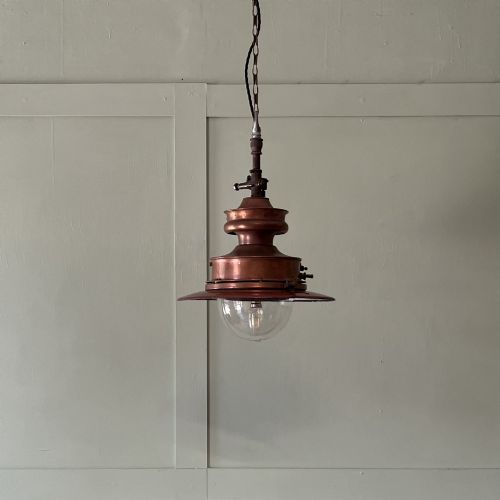
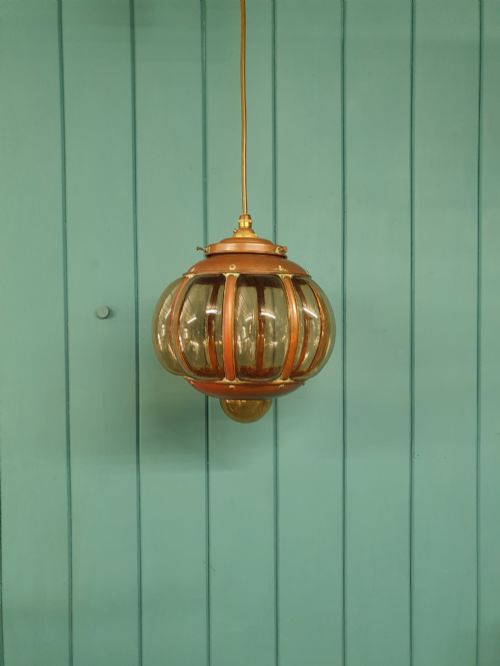


Copper Ceiling Light
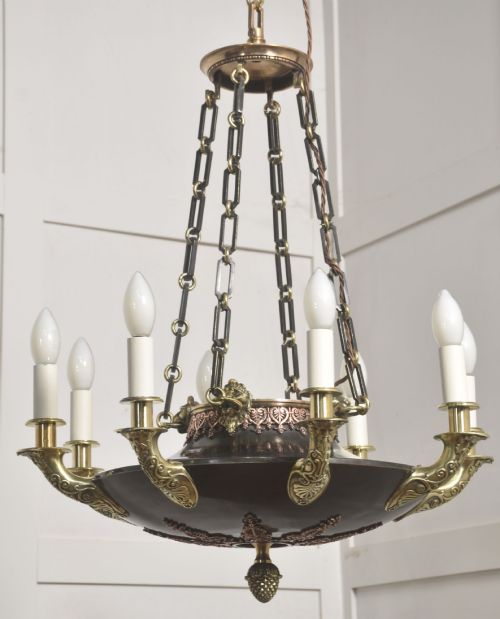
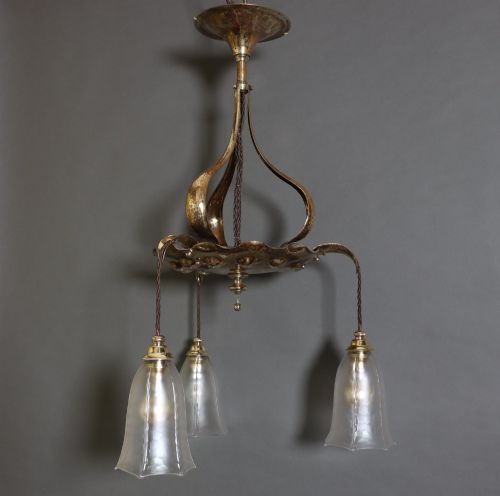
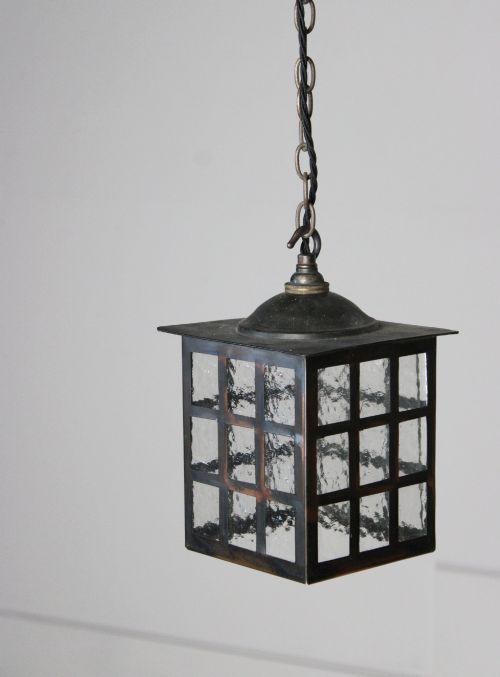
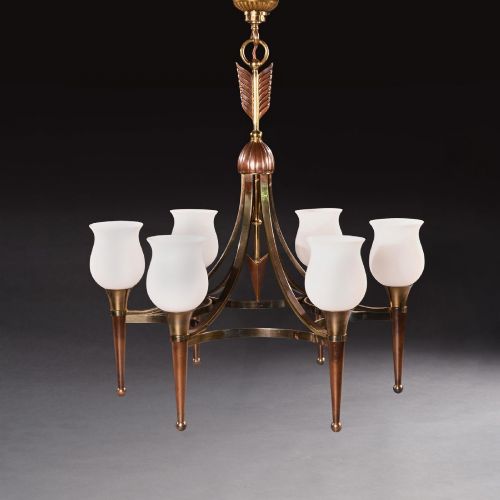
These copper ceiling light fixtures bring genuine period character to a room, offering warm metallic tones and traditional craftsmanship.
Understanding copper ceiling light pieces
A copper ceiling light combines utilitarian purpose with decorative metalwork, spanning eras from the Victorian period through the Arts and Crafts movement and Art Deco. These fixtures appear in forms such as hanging lanterns, hall lanterns, chandeliers, and pendant lights equipped with galleries.
Buyers searching for a copper ceiling light will most frequently encounter Arts and Crafts examples featuring beaten surfaces, alongside Victorian industrial lanterns and Edwardian designs with original glass shades.
Materials and construction methods
Makers utilised sheet copper, often hand-beaten to create tactile surfaces, combined with structural elements in brass, wrought iron, and mixed metals. Galleries and mounts securely held shades formed from opalescent glass, frosted glass, cut glass, moonstone, vaseline glass, and white opaline.
Construction involved hand-forming and riveting metal components, pairing heavy copper hoods or galleries with blown or moulded glass shades designed to diffuse interior illumination.
Retail Price Guide 2026
Typical UK retail prices for copper ceiling light, calculated from the Sellingantiques database of over a million retail prices indexed since 2003. This retail price guide relies exclusively on Sellingantiques data; no external sources or auction records are used, so the figures do not describe the wider market.
Materials recorded include copper, brass, wrought iron, opalescent glass, frosted glass, and vaseline glass.
Distinctions in quality
Quality rests in the depth and uniformity of hand-beaten texturing on the copper body and the structural integrity of the mounting frame. Heavier gauge metal and crisper detailing separate superior examples from simpler production pieces.
The integration of the original shade, whether opalescent, cut glass, or vaseline, defines the coherence of the piece. Subtle patination on the copper surface indicates age and authentic handling over decades.
Jean Gauthier
The Copper Ceiling Light Glossary
- Gallery
- The metal ring or collar that grips the top of a glass lampshade and suspends it from the ceiling. Galleries often feature decorative piercing or matching metalwork.
- Plafonnier
- A bowl-shaped ceiling light mounted close to or directly against the ceiling surface. These often pair a copper mount with patterned or opalescent glass.
- Vaseline glass
- Glass containing uranium dioxide, producing a distinctive yellow-green colour that glows under ultraviolet light. It frequently appears in Edwardian and early lighting.
- Opalescent glass
- Glass containing ingredients that cause it to milky-blue in transmitted light and warm amber in reflected light. This material softens harsh bulb glare.
- Beaten copper
- Sheet metal shaped by hand-hammering, leaving visible facets that catch the light. This technique is central to Arts and Crafts metalwork.
Frequently Asked Questions
How do I date a copper ceiling light?
Dating relies on stylistic markers such as Victorian industrial framing, Arts and Crafts hand-beaten textures, or Art Deco geometric forms. Materials like vaseline glass or white opaline shades also point to specific eras.
Examining construction methods, rivet types, and wiring components helps narrow down whether a fixture originates from the nineteenth or twentieth century.
Are these lights compatible with modern wiring?
Many surviving fixtures have been rewired to meet contemporary safety standards while retaining their original metal galleries and shade components.
It is advisable to check the specific electrical configuration of any hanging lantern or pendant before installation in a modern domestic setting.
What is a copper gallery?
A copper gallery is the structural collar that holds the glass shade in place and connects the light fixture to the suspension chain or rod. It forms a visual transition between the ceiling fitting and the glass.
In Edwardian and Victorian examples, these galleries often display matching metalwork and decorative thumb screws.
Where should I hang a hall lantern?
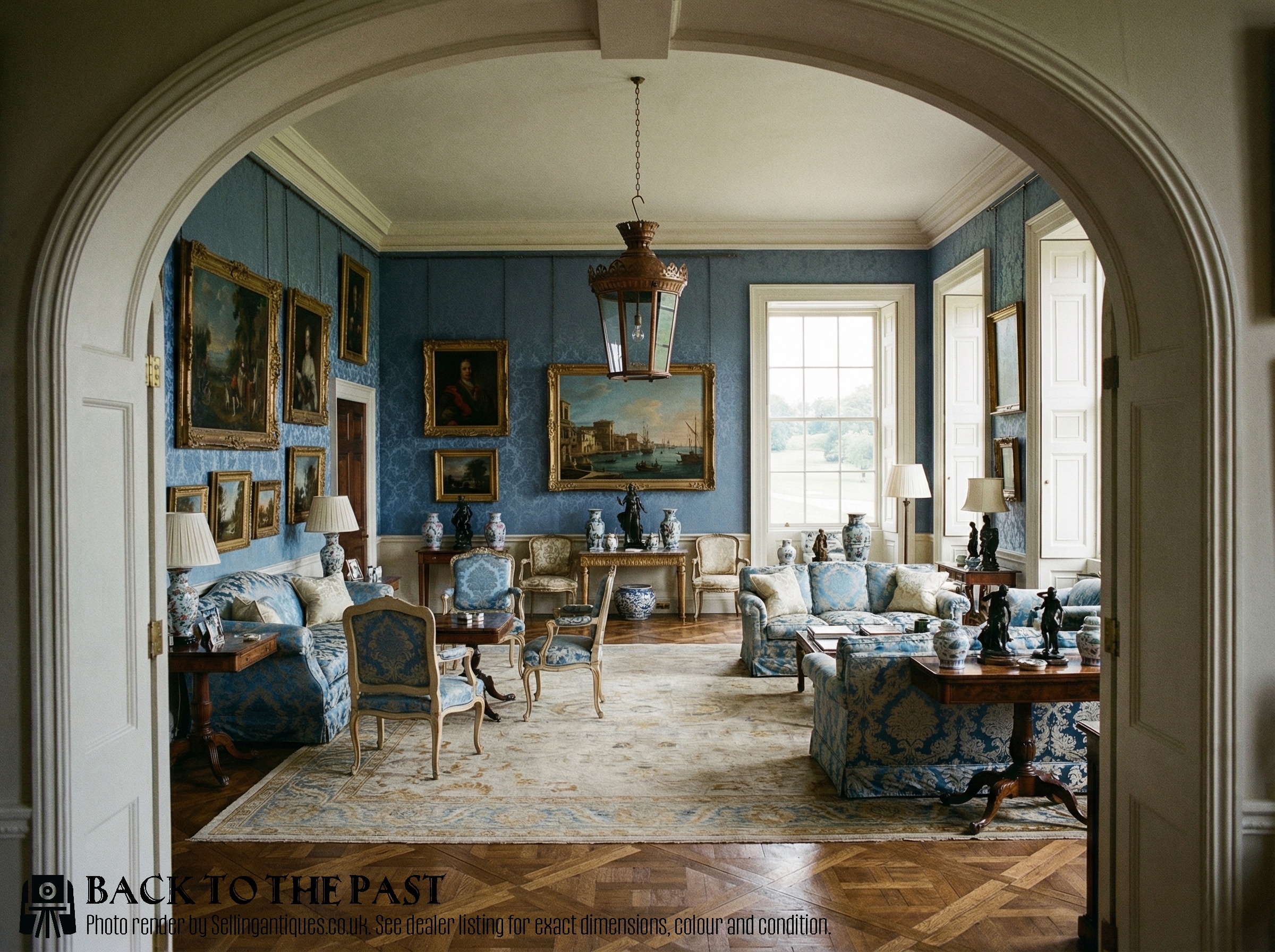
Hall lanterns and pendant lights suit entranceways, corridors, or rooms with adequate vertical clearance to accommodate a hanging drop. Their enclosed or semi-enclosed designs direct illumination downwards.
Consider the scale of the room to ensure the proportions of the lantern complement the surrounding space.