


Hand Beaten Copper
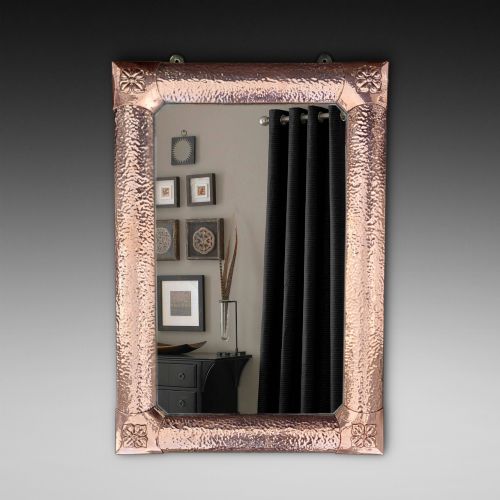
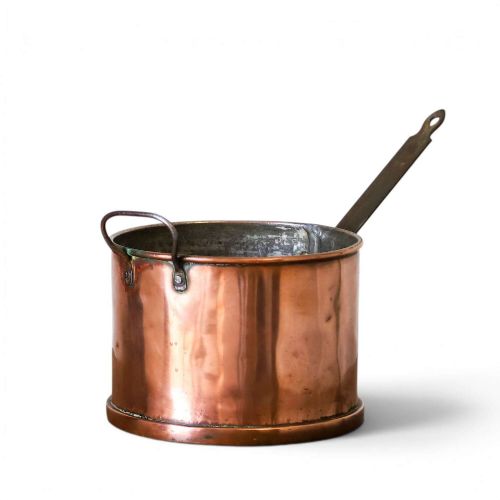
Hand beaten copper brings warmth and texture into a room, featuring in everything from Arts and Crafts wall mirrors to sturdy Victorian saucepans.
Hand Beaten Copper
When you search for hand beaten copper, you encounter a robust selection of domestic and decorative objects spanning the nineteenth and twentieth centuries. The vast majority of examples on this page belong to the Arts and Crafts movement, showcasing the hand-wrought aesthetic prized by makers of that period.
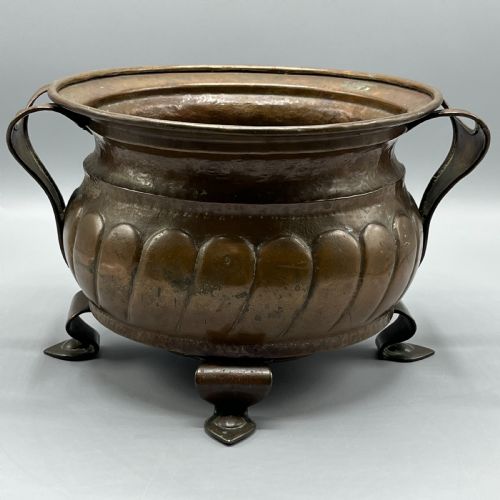
The domestic inventory ranges from practical kitchenware such as heavy-gauge saucepans and roasting pans to fireside accessories like coal buckets, scuttles, and canopies. Decorative items also feature strongly, particularly wall mirrors with framed copper panels, jardinieres, chargers, and lighting fixtures.
Victorian and Edwardian pieces sit alongside items from the 1920s and 1930s, demonstrating a continuous tradition of metalworking. Wall mirrors and coal buckets emerge as the most common forms available, offering both utility and distinct surface texture for interior spaces.
How they were made
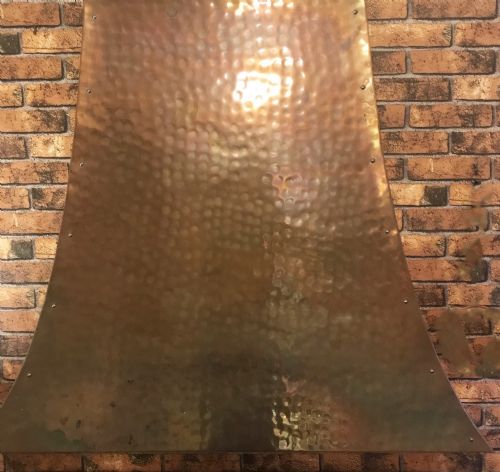
The creation of these items relies on sheet metal shaped by hand using specialised hammers to impart a visible hammered or beaten finish. Smiths worked the metal over stakes, building up texture and rigidity through repeated blows.
Makers frequently combined copper with brass, iron, glass, and wood to construct functional objects like fireside boxes, lanterns, and framed mirrors. Gilding, mixed metals, and applied details such as pomegranates and foliage appear on specific decorative chargers and lamps.
Listings feature items spanning the Victorian era through the 1930s, with a strong concentration of Arts and Crafts pieces.
What varies in quality
Quality in hand beaten copper rests upon the gauge of the metal and the deliberateness of the hammer work. Heavy-gauge vessels and substantial wall mirror frames demonstrate structural integrity that lighter utilitarian items lack.
Design complexity and attribution elevate certain pieces, particularly where workshops or named makers applied thoughtful motifs like foliage and pomegranates. Finer examples display crisp detail in the hand finish and balanced proportions across mixed-material constructions.
Faulkner Bronze Company·AE Jones
The Hand Beaten Copper Glossary
- Jardiniere
- An ornamental pot or stand for holding plants or flowers. These planters often feature raised hand-beaten copper bodies designed for interior display.
- Charger
- A large decorative plate or platter. In copper work, these often display repoussé botanical motifs or fruit designs.
- Fire Canopy
- A metal hood projecting over a hearth to catch smoke and radiate heat. Examples often utilise hammered hand finishes for decorative impact.
- Heavy Gauge
- A term describing thick, robust sheet metal. Items made from heavy gauge copper resist denting and hold their shape under rigorous use.
Hand Beaten Copper: Frequently Asked Questions
How do I clean hand beaten copper?
Maintenance depends on the desired finish, as many collectors prefer to leave natural patination undisturbed. Gentle dusting or specialised metal cleaners can be applied sparingly if brightening is required.
Avoid abrasive scrubbers that might flatten the raised texture of the hand-beaten surface. Preserving the integrity of the original metal finish maintains the historical character of the piece.
Were these copper pieces purely decorative?
Many items served practical daily functions in period homes. Saucepan pans, roasting pans, coal buckets, and kettles were designed for active domestic use.
Other objects like wall mirrors, jardinieres, and chargers were intended primarily for interior decoration. Even utilitarian cookware often displayed artistic hand-wrought qualities suited for display.
How do I date hand beaten copper?
Dating relies on stylistic clues, construction methods, and associated materials like brass handles, wooden frames, or ceramic inserts. Arts and Crafts items typically date from around 1900 to 1920, aligning with the height of the movement.
Victorian and Edwardian kitchenware often shows heavier construction and simpler forms compared to later decorative items. Examining the style of framing or mounting hardware helps narrow down the period.
How do I incorporate these pieces into a modern interior?
Hand beaten copper adds warmth and reflective texture to contemporary rooms. Wall mirrors and lighting fixtures work effectively as focal points in hallways or living spaces.
Fireside coal buckets and jardinieres offer functional storage or plant housing while introducing historical craftmanship. Mixing these metallic accents with wood and textiles grounds modern spaces with tactile depth.