


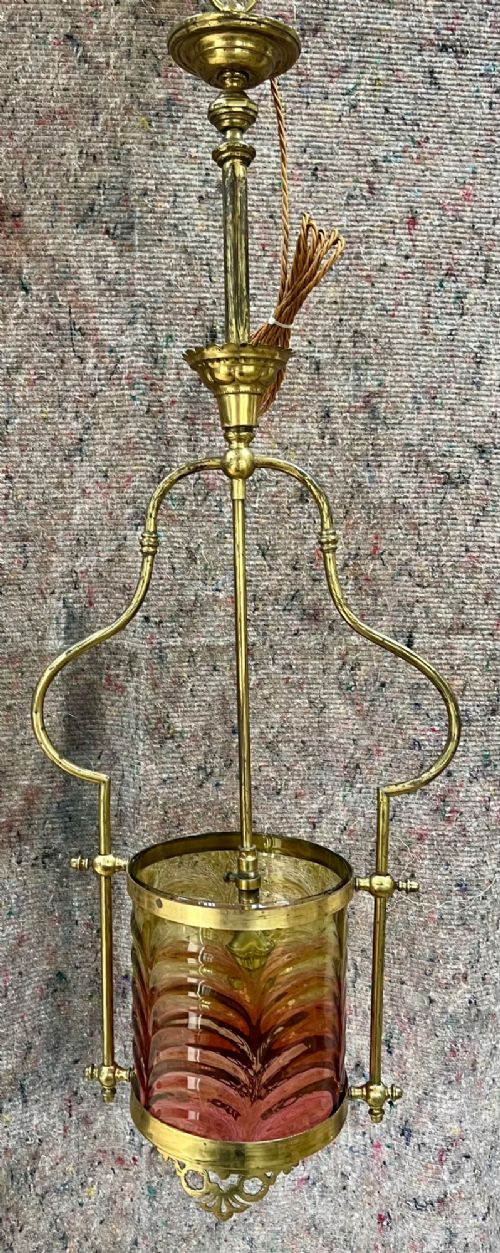
Edwardian Hanging Light
An edwardian hanging light brings warmth and period character to a hall or stairwell through brass and glass construction.
Edwardian Hanging Light
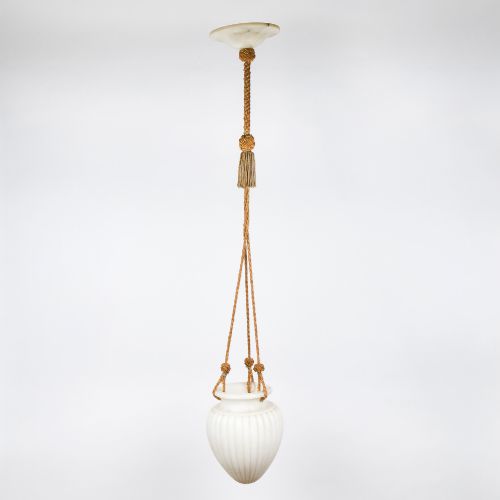
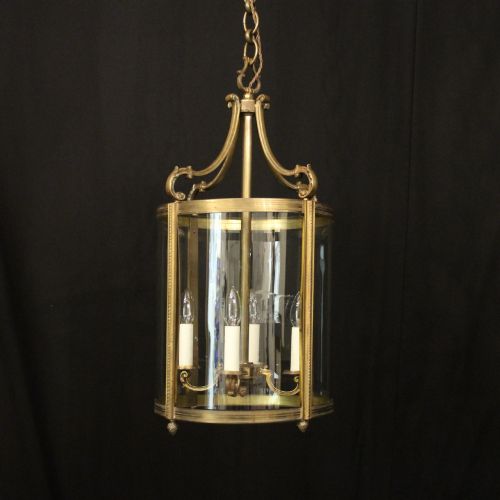
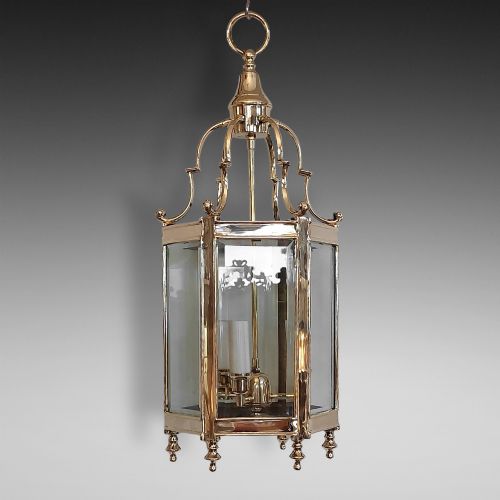
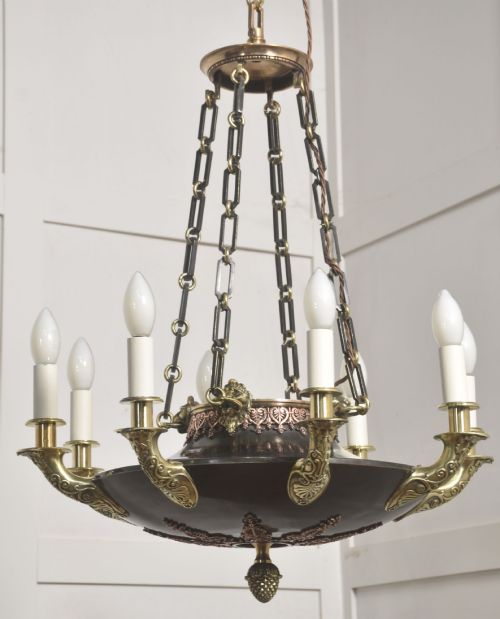
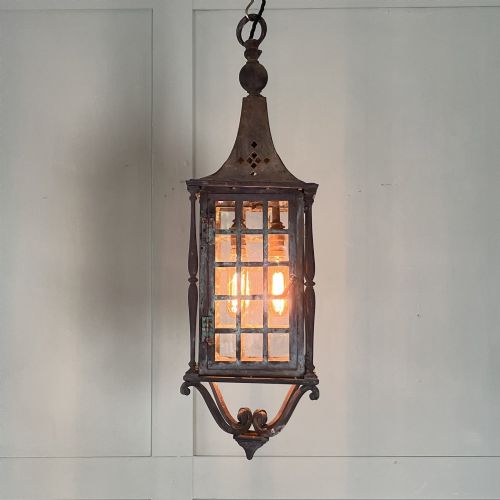
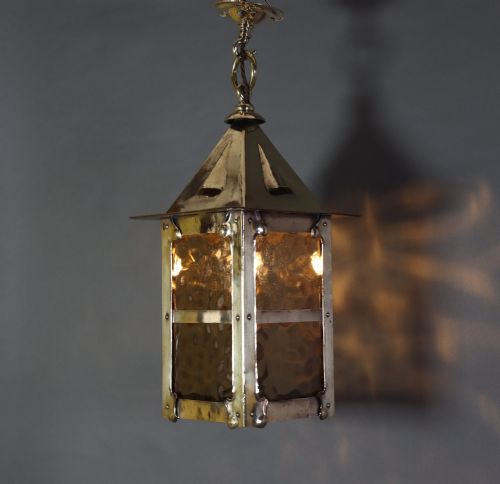
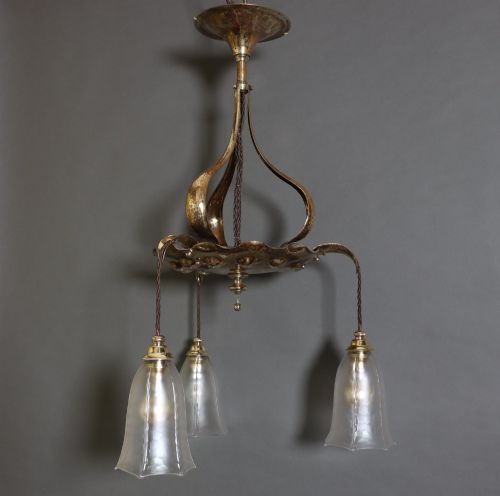
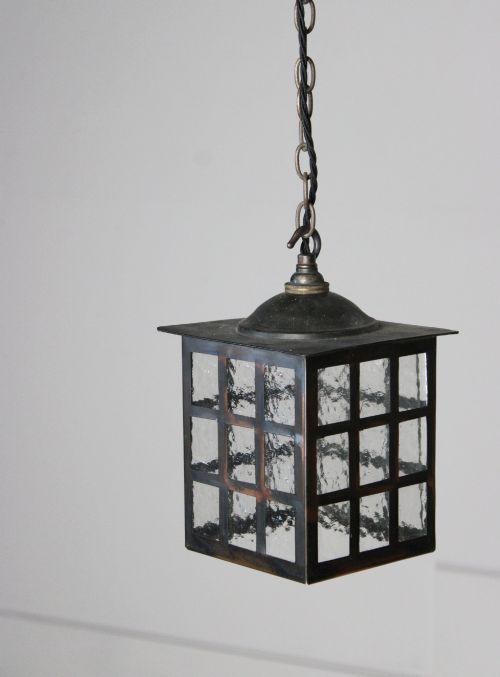
When searching for an edwardian hanging light, collectors encounter ceiling-mounted fixtures designed to illuminate hallways, porches, and principal rooms during the early twentieth century. The selection ranges from hexagonal brass hall lanterns and cut glass pendants to multi-branch chandeliers and domed plafonniers. Hexagonal and square brass lanterns with glazed panels appear most frequently on this page, reflecting the domestic architecture of the period.
While Edwardian examples anchor the category, the inventory also encompasses related pieces from the Victorian era, the 1910s, and the 1920s, alongside distinct styles such as Art Nouveau, Arts and Crafts, and Industrial. Materials span solid brass, copper, bronze, and various forms of glass, including opaline, moonstone, bevelled, and leaded panes. These luminaires served both functional and decorative purposes in period homes, often positioned in entrance halls to greet visitors.
How They Were Made
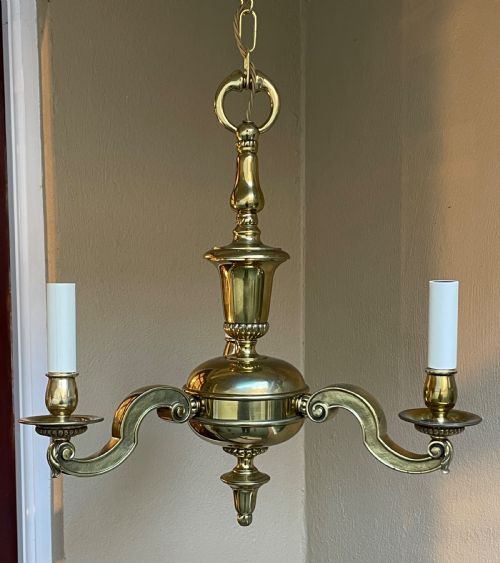
The construction of these fixtures relies heavily on cast and sheet brass, copper, and bronze, formed into structural frames that hold glass panels securely. Metal components are joined via soldering, riveting, or screw fittings, allowing for intricate detailing such as pierced galleries and decorative suspension loops. Cast brass provides the rigidity needed for multi-branch chandeliers and heavy hall lanterns, while copper offers a malleable alternative for spun shades and lighter pendant bodies.
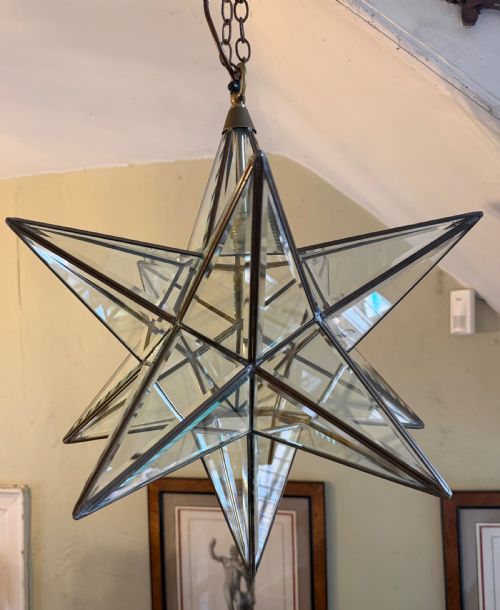
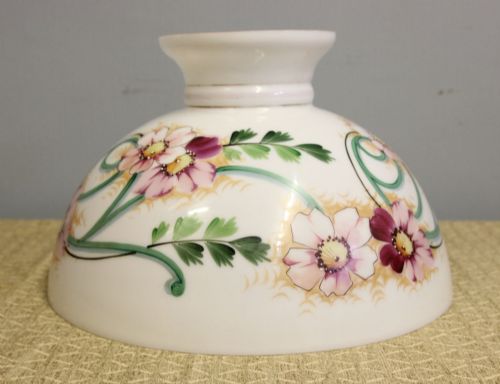
Glazing techniques vary from simple flat bevelled glass to leaded stained glass and mouth-blown opaline or moonstone shades that diffuse light evenly. Cut glass crystals and drops are introduced in more formal chandeliers to refract illumination, while specialised opalescent glass and moulded holophane panes appear in later or more industrial iterations. Surface finishes on the metalwork range from polished or lacquered brass to patinated bronze and copper.
Listings feature brass, copper, and bronze alongside opaline, moonstone, and leaded glass across Edwardian and Victorian periods.
What Varies in Quality
The distinction between standard production pieces and finer examples rests on the weight of the metal, the crispness of the casting, and the quality of the glass. Heavier gauge brass frames with hand-bevelled glass panes or complex leaded joints demonstrate superior craftsmanship compared to thin stamped metalwork with plain glass. Superior fixtures often retain integrated maker details or distinctive stylistic flourishes associated with Arts and Crafts or Art Nouveau design movements.
Proportion and decorative restraint also separate exceptional items from ordinary ones, particularly in how structural elements integrate with the hanging mechanism. Rise and fall mechanisms, specialised burners on paraffin conversions, and well-executed patination on bronze or gilt surfaces add notable depth to the better pieces in the range.
G.E.C
The Edwardian Hanging Light Glossary
- Plafonnier
- A ceiling light fixture that sits flush or close to the ceiling surface, often featuring a bowl-shaped glass shade held by metal mounts.
- Opaline glass
- A milky, semi-translucent white glass popular for light shades because it softens glare and diffuses illumination evenly across a room.
- Rise and fall
- A mechanical suspension system utilising counterweights or pulleys that allows the hanging light to be adjusted vertically.
- Bevelled glass
- Glass panes with angled edges cut and polished to a specific border width, creating prismatic light effects when illuminated.
- Holophane
- A type of prismatic glass designed to direct and diffuse light efficiently while minimising glare through geometric ribbing.
Edwardian Hanging Light: Frequently Asked Questions
Where were hanging lights placed?
These luminaires were traditionally installed in entrance halls, stairwells, and porches to provide welcoming illumination for guests entering the home.
They were also utilised in high-ceilinged principal rooms where a central hanging pendant could distribute light evenly across the space.
Are these lights wired for modern use?
Many antique fixtures arrive with historical wiring configurations or conversions from earlier oil and gas systems, requiring professional rewiring for contemporary electrical standards.
Buyers should consult a qualified electrician to ensure proper installation and compatibility with modern domestic circuitry.
What is the difference between a lantern and a pendant?
Hall lanterns generally consist of an enclosed metal and glass frame designed to protect the light source from drafts in hallways and corridors.
Pendants usually refer to suspended fixtures with exposed shades, such as opaline bowls or cut glass drops, hanging directly from a chain or cord.