


Edwardian Hanging Lantern
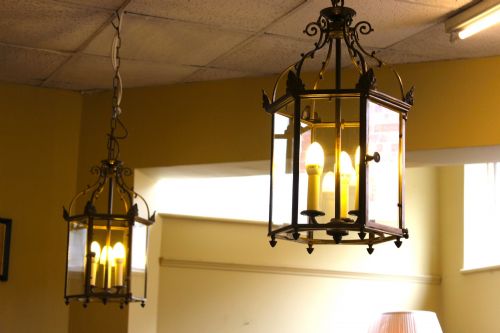
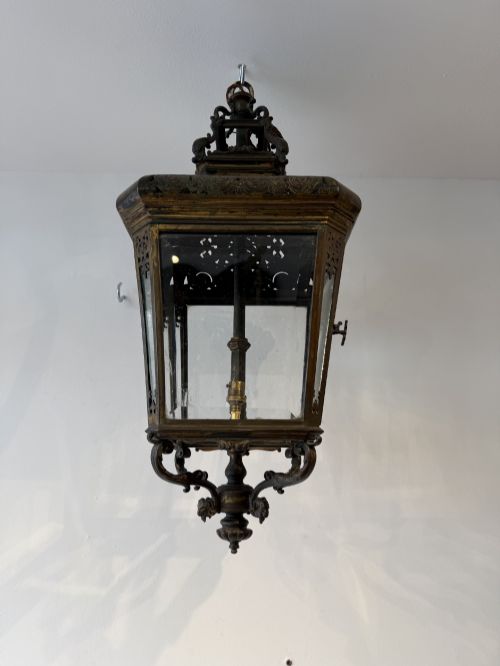
An edwardian hanging lantern brings warmth and definition to a hallway, drawing the eye upwards with its combination of metalwork and glass.
Edwardian Hanging Lantern
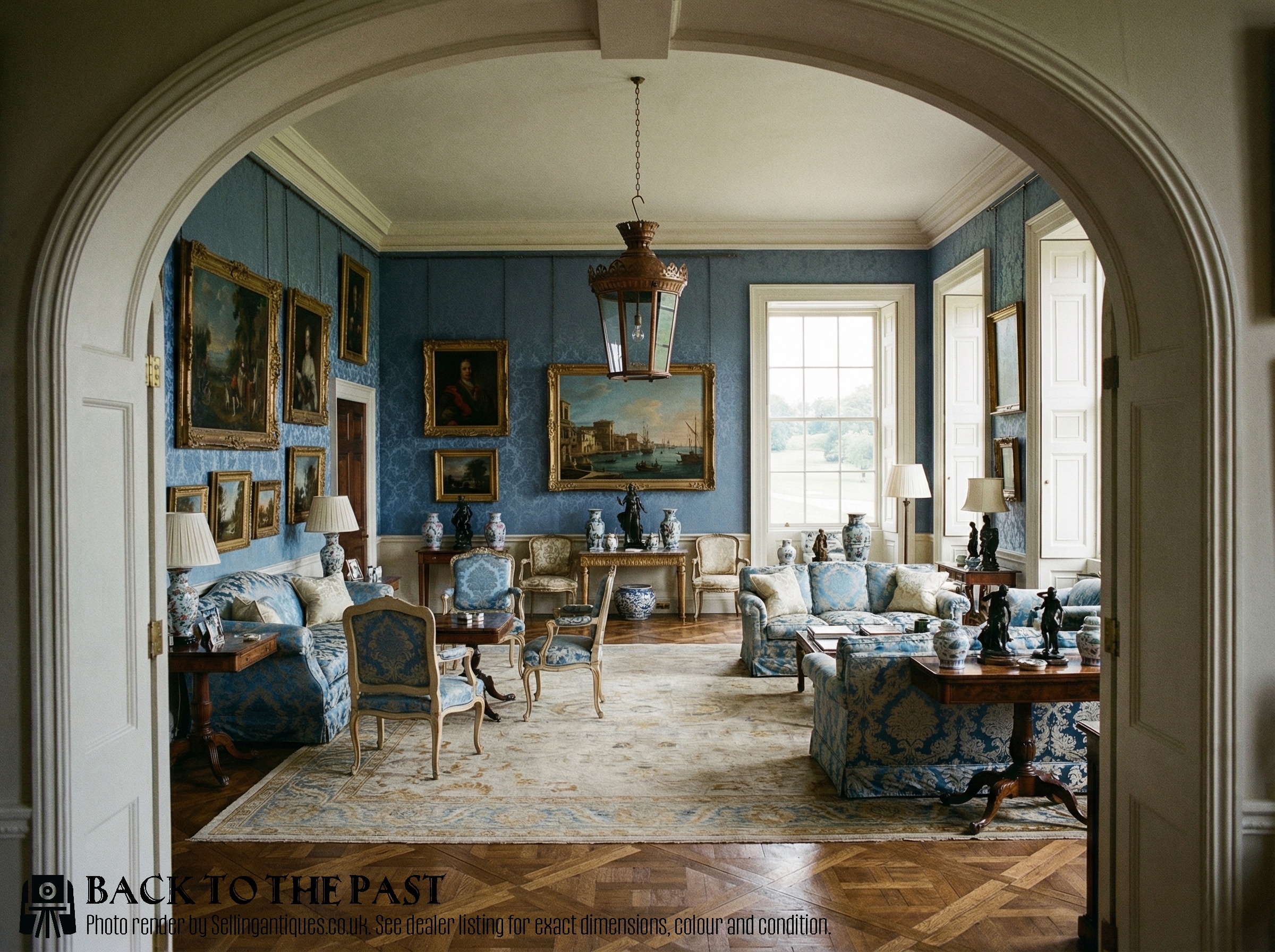
When searching for an edwardian hanging lantern, you encounter ceiling-hung lighting designed primarily for entrance halls, vestibules, and stairwells. These pieces illuminate transitional spaces while serving as architectural focal points within domestic interiors.
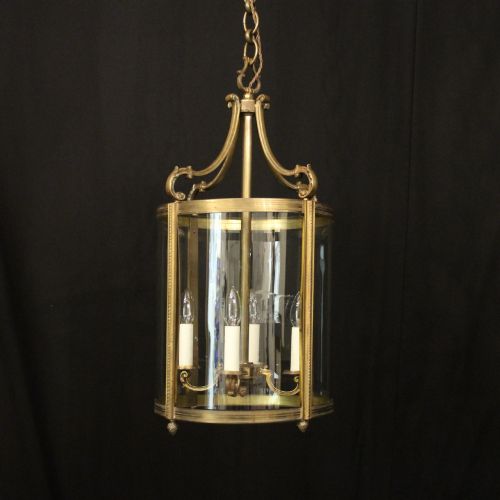
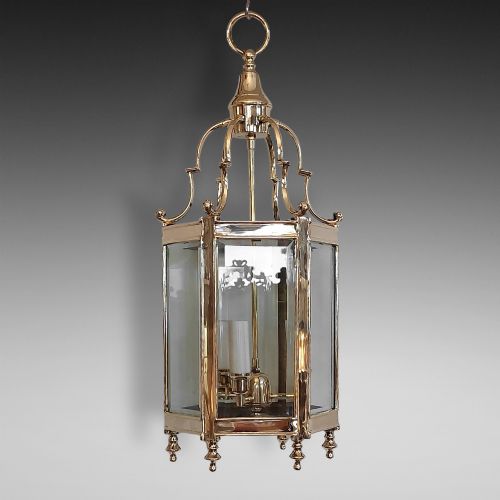
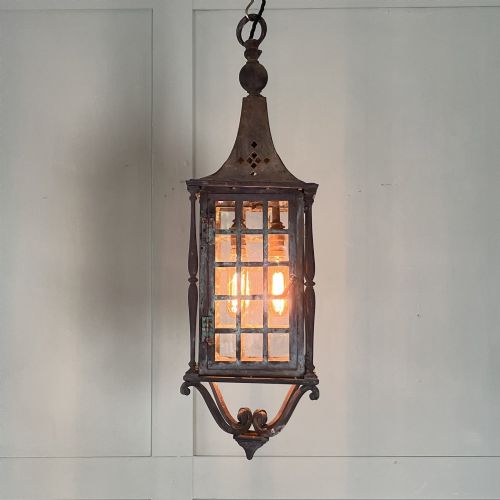
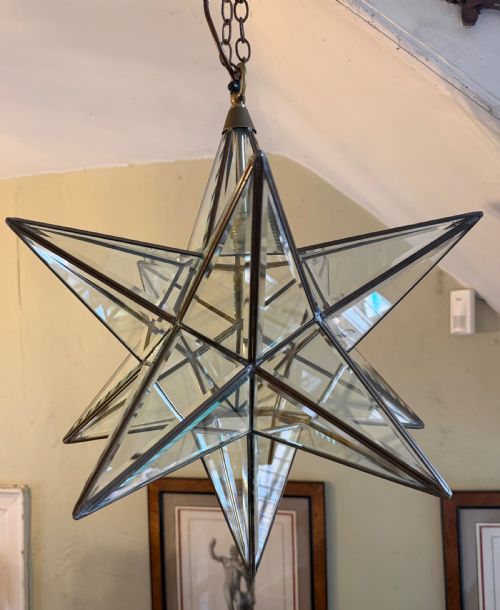
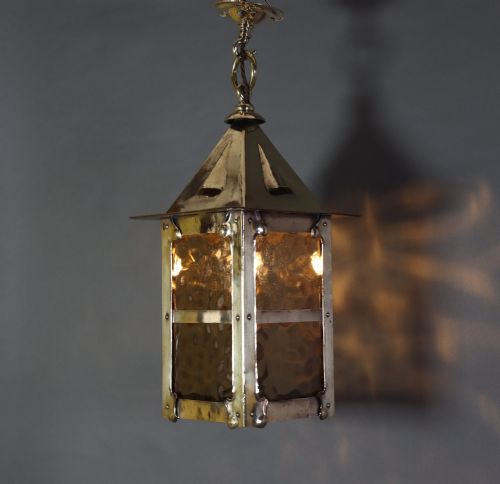
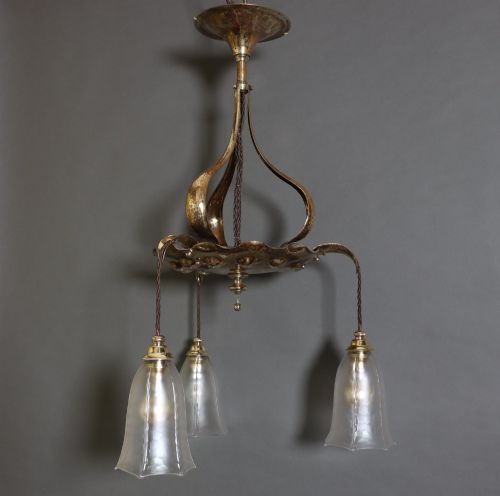
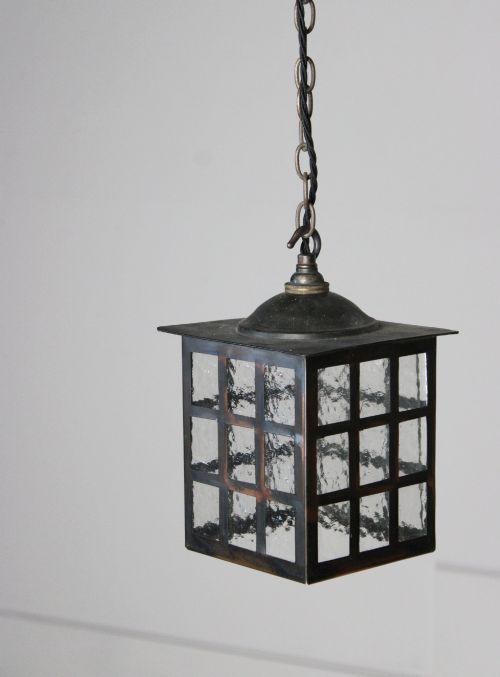
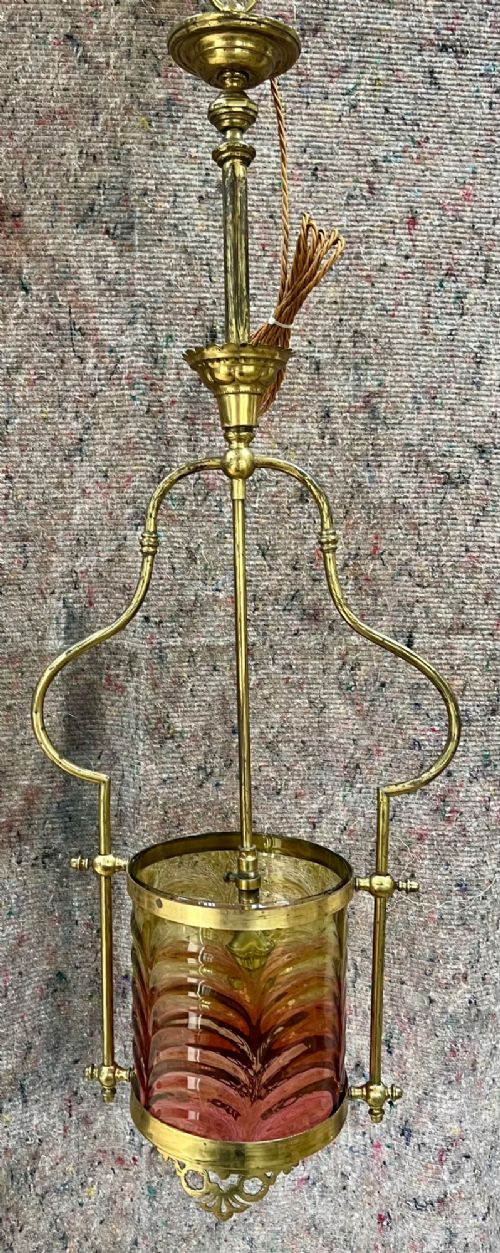
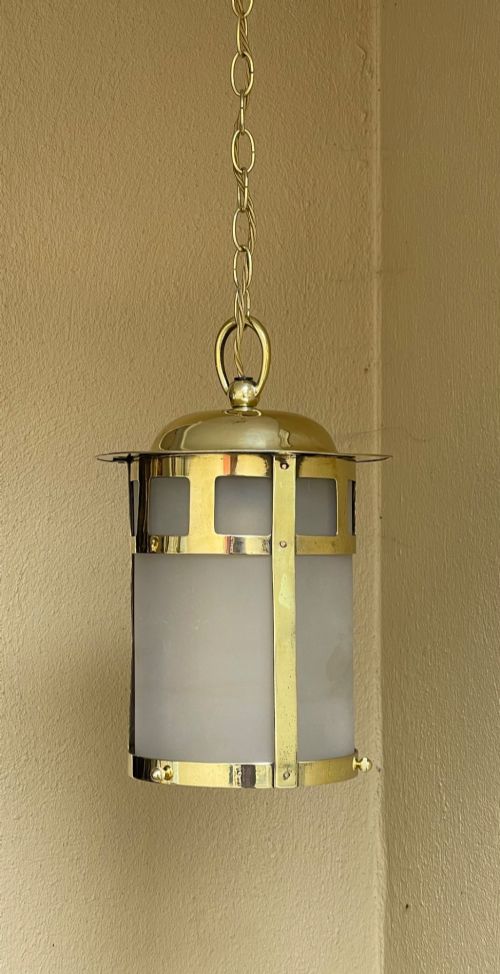
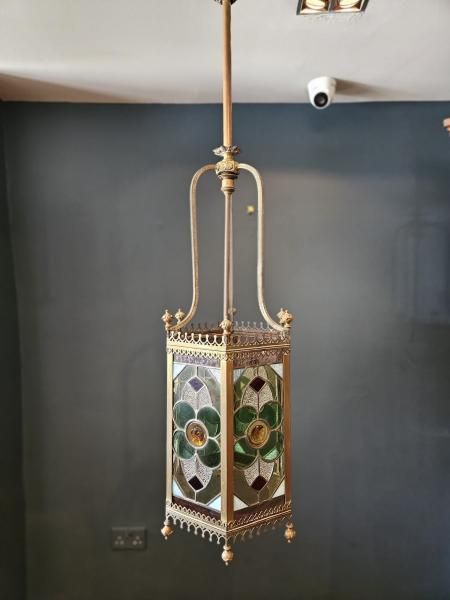
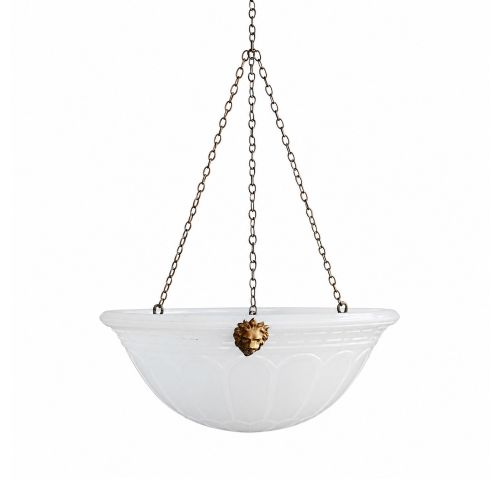
The selections on this page span several decades around the turn of the twentieth century, incorporating Edwardian, Victorian, and later early twentieth-century examples. Hexagonal and cylindrical brass frames dominate the forms, alongside specialised designs such as star lanterns and pendant lights.
Origins vary between domestic English workshops and continental European foundries, reflecting regional stylistic shifts from ornate revivalism to the clean lines of the Arts and Crafts movement.
How they were made
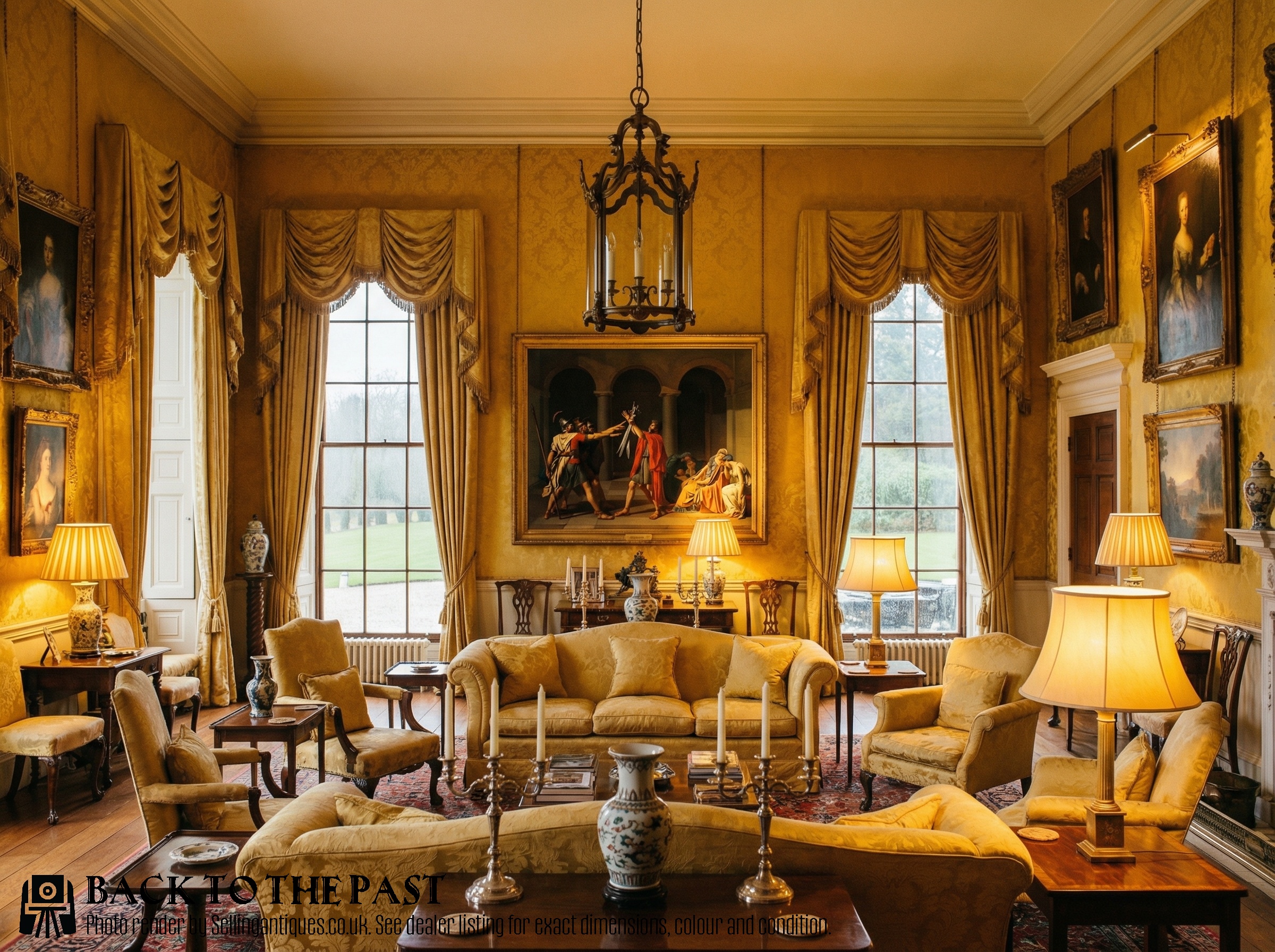
Metals form the structural backbone of these fixtures, utilising cast or sheet brass, copper, bronze, and occasional steel. These materials are shaped into rigid frames designed to support individual panes of glass securely.
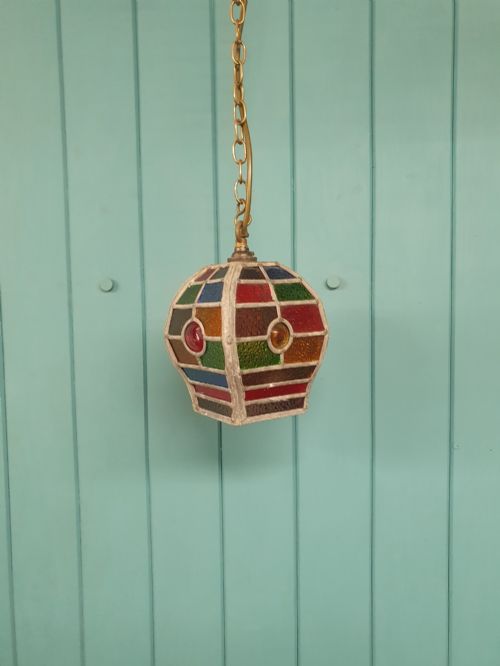
Glazing techniques vary widely, incorporating clear cut glass, bevelled glass plates, leaded stained glass, and textured panels such as moonstone. Some specialised variants introduce unusual tactile elements like hand-stitched leather and vellum.
Assembly relies on traditional metalworking joints, solder, and mechanical fasteners to join framing bars and secure suspension loops for ceiling mounting.
Edwardian Hanging Lantern Retail Price Guide 2026
Typical asking prices for edwardian hanging lantern among the pieces listed under this phrase on Sellingantiques today, from the lower quarter to the upper quarter. They describe what is for sale here now, not the wider market.
Materials recorded across these listings include brass, copper, bronze, leaded stained glass, bevelled glass, and textured moonstone.
What varies in quality
The integrity of the metal framing separates standard production from superior examples, with heavier cast bronze or thick brass providing structural rigidity and sharper ornamental detail. Lighter sheet metal constructions lack the substantial presence and durability of higher-tier pieces.
Glass selection significantly influences overall merit, where heavy bevelled plates or intricate leaded panels require greater craftsmanship than simple flat glass. The clarity, thickness, and finish of the glazing define the play of light passing through the fixture.
The Edwardian Hanging Lantern Glossary
- Hexagonal
- Having six sides. This geometry forms the most common profile for hall lanterns, allowing multiple glass panels to enclose the internal light source.
- Bevelled glass
- Glass with edges ground and polished at an angle. This treatment creates prismatic light refractions across the surface of the pane.
- Arts and Crafts
- A design movement emphasising handcraftsmanship and simple forms. Pieces from this tradition avoid excessive ornamentation in favour of honest material expression.
- Gilded bronze
- Bronze coated with a thin layer of gold. This treatment provides a rich, enduring metallic surface finish resistant to tarnishing.
- Moonstone
- An opalescent type of art glass. It diffuses light softly, reducing glare while casting an even glow across a room.
Edwardian Hanging Lantern: Frequently Asked Questions
How do I identify an Edwardian piece?
Edwardian lighting often combines restrained classical proportions with brighter brass metals, moving away from darker Victorian aesthetics.
Look for geometric frames, such as hexagonal shapes, and clean lines influenced by early twentieth-century design movements.
Can I use modern bulbs in them?
Most antique fixtures accommodate modern electrical components when adapted by a qualified professional.
Wiring standards are updated internally while preserving the original exterior metalwork and glass housing.
What styles appear in this period?
The selection includes straightforward brass frames alongside Arts and Crafts interpretations and ornate French styles.
Art Nouveau influences also surface through organic curves, alongside Gothic Revival and traditional Victorian forms.