


English Hall Lantern
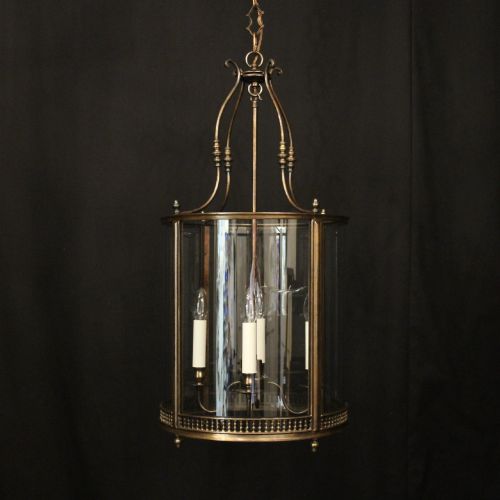
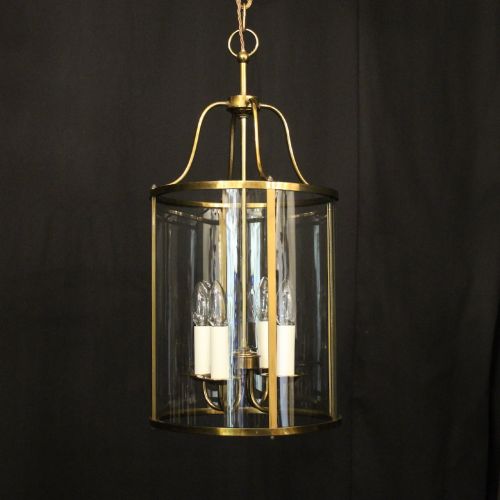
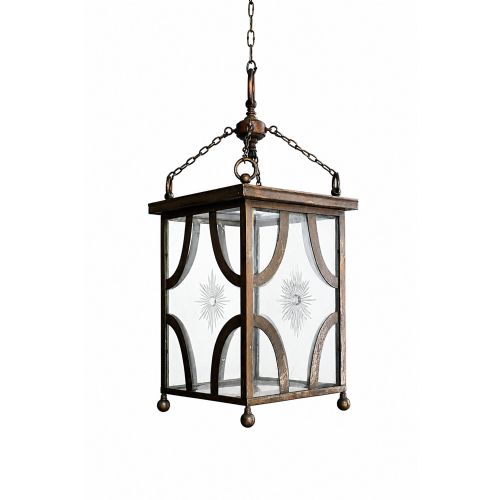
An English hall lantern sets a welcoming tone in an entranceway, diffusing light through glass panels held within a robust metal frame.
English Hall Lantern
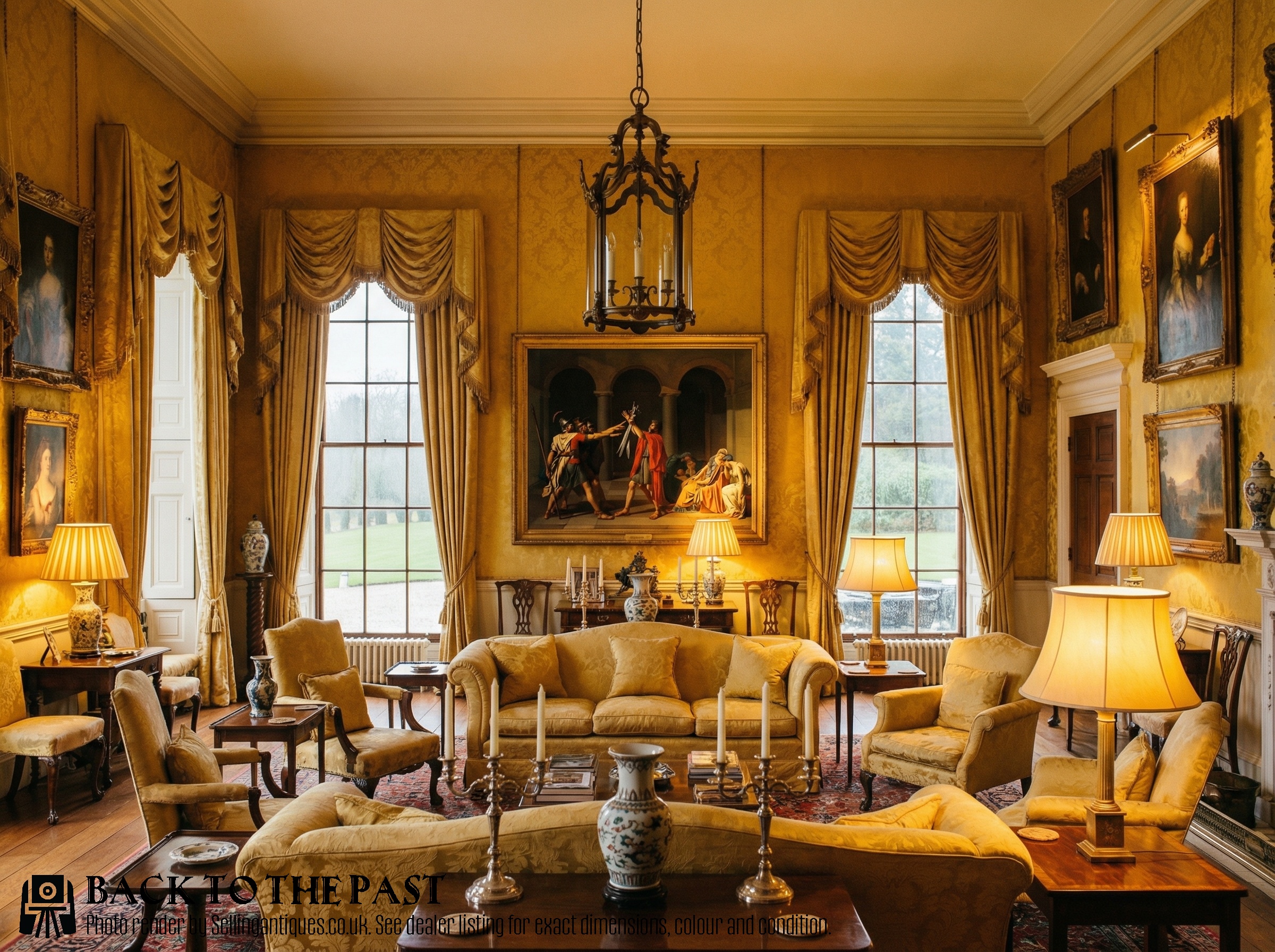
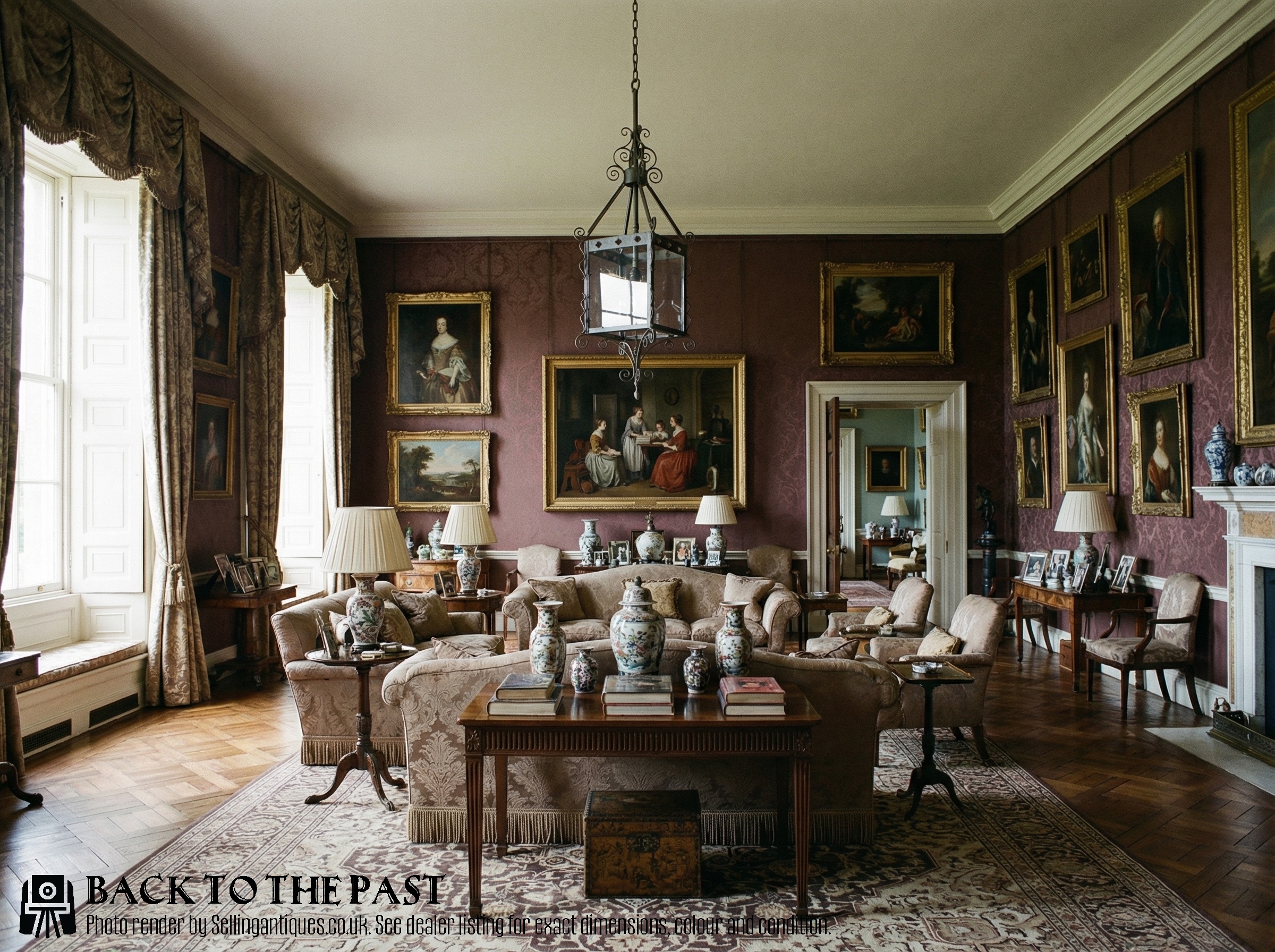
An English hall lantern provides overhead illumination specifically designed for narrow entranceways and stairwells. These hanging fixtures range from simple single-light pendants to elaborate multi-light configurations suited for grander spaces.
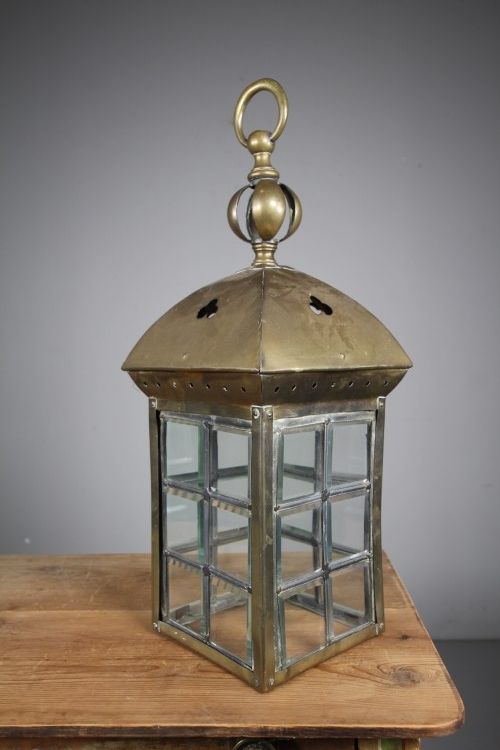
The materials and aesthetic details span several centuries, reflecting the changing tastes of British interior design. Examples include robust ironwork, polished brass, and ornate gilded bronze spanning from the nineteenth century into the twentieth.
Buyers encounter numerous stylistic interpretations when searching for an English hall lantern, including Gothic revival pieces, restrained Edwardian designs, and decorative variations from the Aesthetic movement.
Materials and Construction
Metal fabrication forms the structural backbone of these fixtures, utilising brass, bronze, copper, and wrought iron shaped to house the internal lighting components. Gilded bronze and silver plating appear on finer examples intended for formal reception rooms.
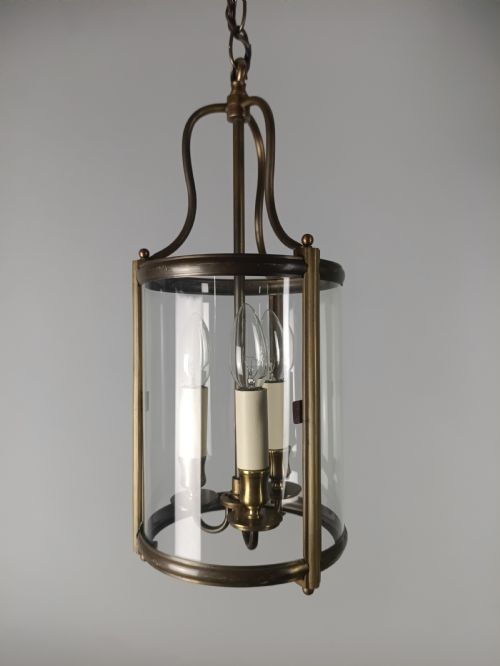
Glass selection defines the character of the illumination, incorporating clear cut glass, curved convex panes, and specialised moonstone glass to soften the light output. Frames are soldered or riveted together to support the weight of the heavy glass panels safely.
Materials span brass, bronze, copper, wrought iron, and silver plating paired with plain, cut, or moonstone glass.
Distinctions in Execution
Quality rests in the precision of the metalwork and the clarity of the glass. Heavier gauges of brass and bronze maintain their structural integrity better over time than lighter stamped alternatives.
The intricacy of the casting and gilding separates standard production from superior examples. Hand-finished details on frames and decorative mounts indicate a higher standard of workshop craftsmanship.
Pugin
The English Hall Lantern Glossary
- Convex glass
- Curved glass panels that project outward, frequently found on circular or hexagonal lantern frames to disperse light across a wider angle.
- Gilded bronze
- Bronze metal coated with a thin layer of gold leaf or powder, providing a rich, durable surface finish.
- Moonstone glass
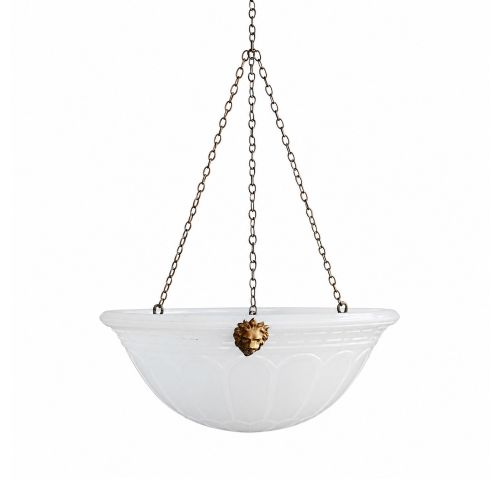
- An opalescent white glass type used to diffuse light gently without harsh glares.
- Wrought iron
- Iron beaten into shape by hand using tools, recognizable by subtle surface irregularities and texture.
English Hall Lantern: Frequently Asked Questions
Where should an English hall lantern be hung?
These fixtures work best suspended in entrance halls, corridors, or stairwells where ceiling height allows clearance underneath.
Ensure the scale matches the room proportions so the lantern provides adequate illumination without obstructing movement.
How do I identify a Victorian hall lantern?
Victorian examples often feature heavier bronze or brass castings with ornamentation drawn from Gothic or classical revivals.
Look for construction methods typical of the nineteenth century, including hand-cut glass and substantial metal frames.
What is a convex hall lantern?
A convex lantern utilises curved glass panes that bulge outward from the metal frame.
This shaping allows more bulbs inside while casting a wider spread of light across an entryway.
Can these lanterns be used with modern wiring?
Most antique hanging fixtures accept standard electrical fittings adapted for contemporary domestic circuits.
A qualified electrician can safely update the internal wiring while preserving the original metal and glass housing.