


Vintage Glass Lamp
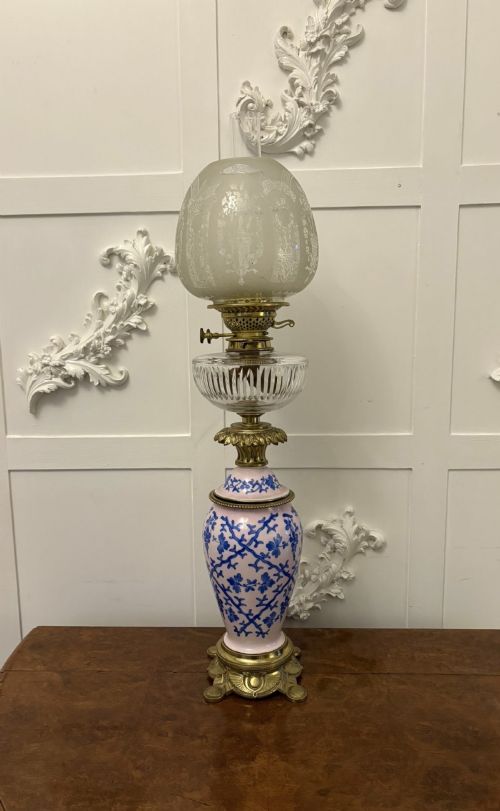
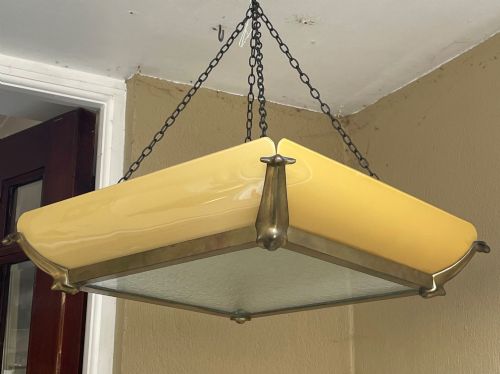
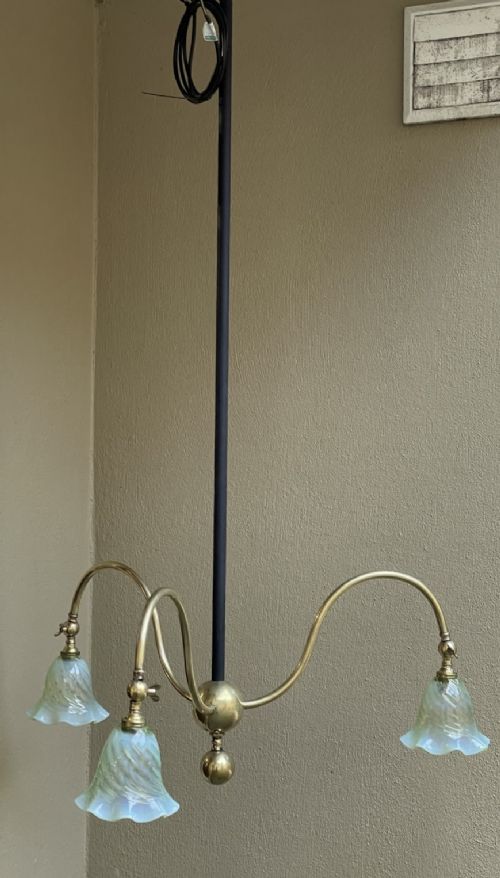
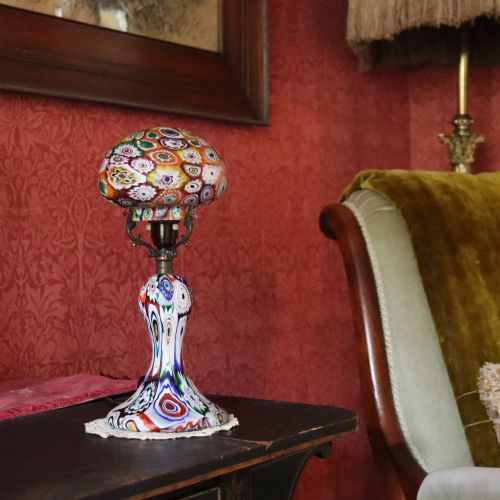
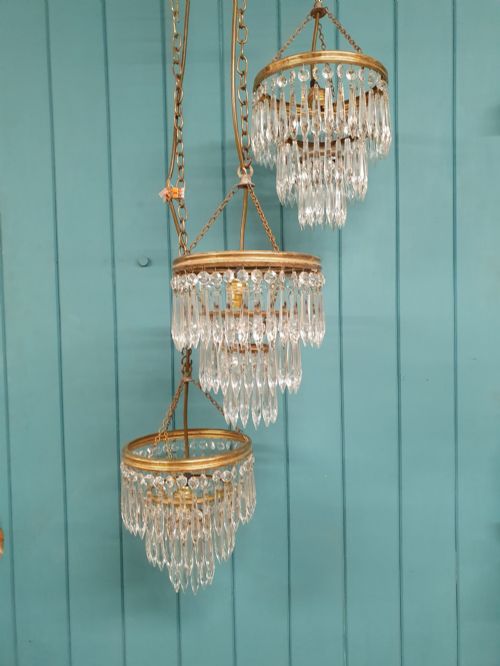
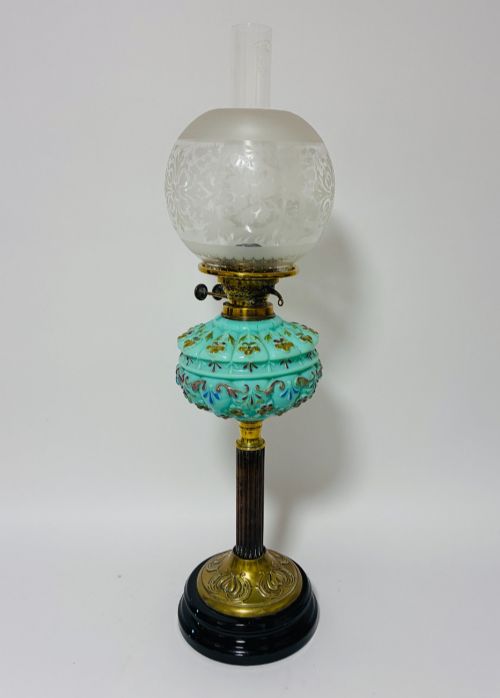
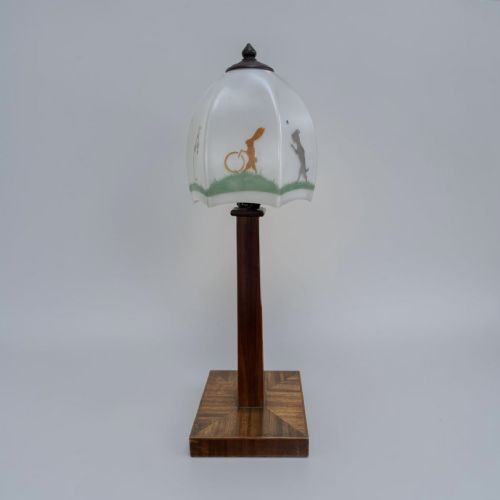
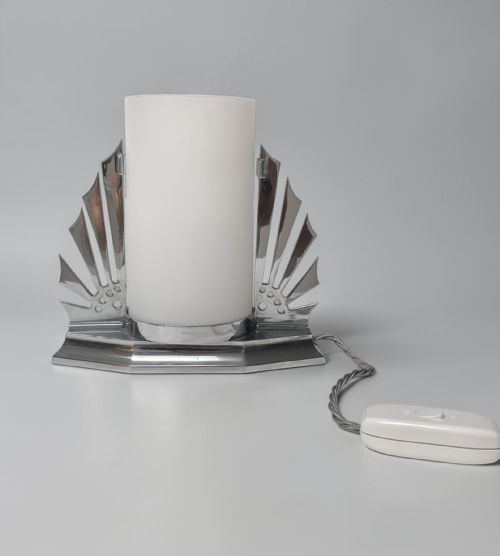
These vintage glass lamps range from 1930s Art Deco styles to Victorian oil lamps, bringing period illumination and material depth to an interior.
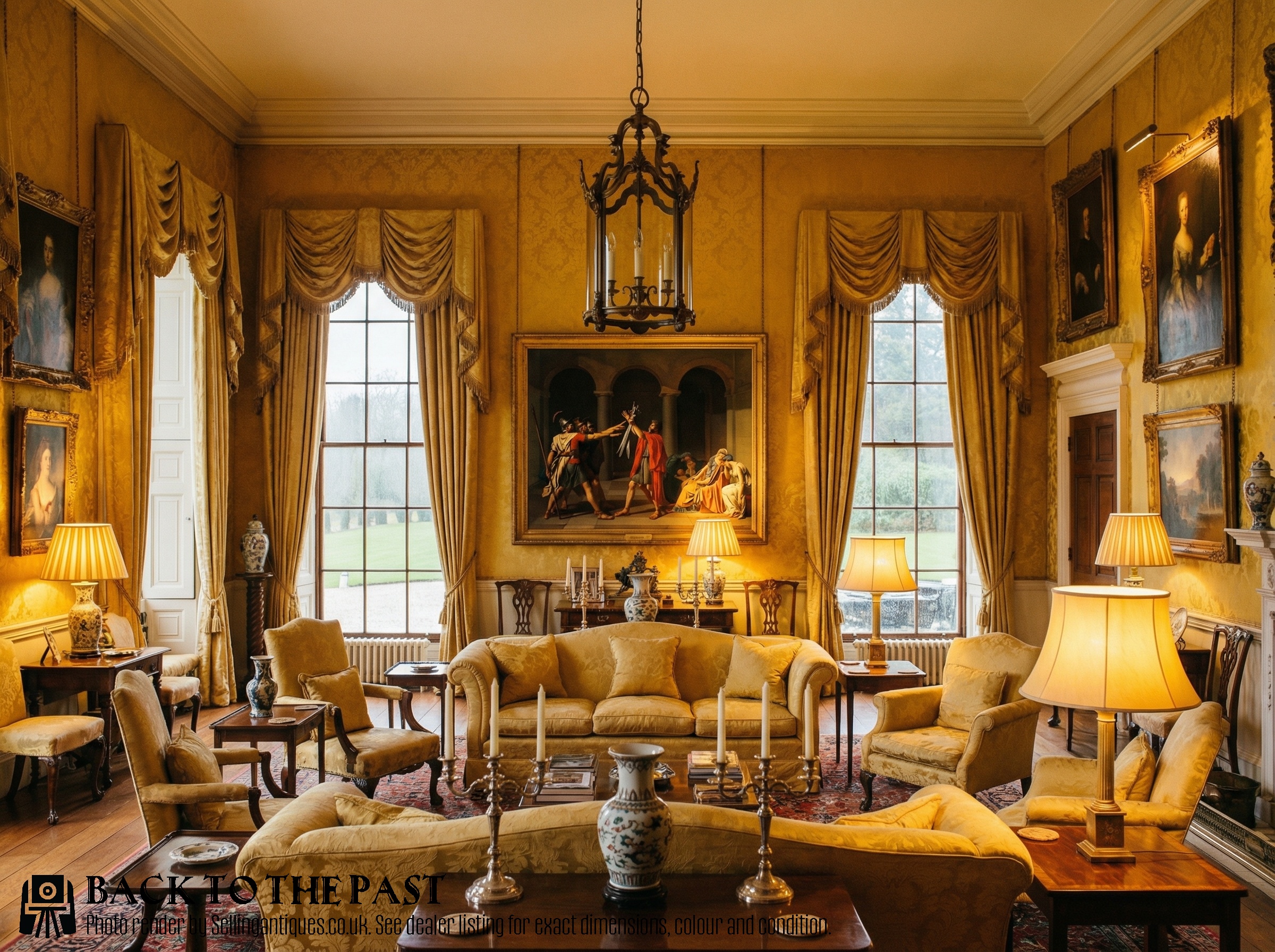
Vintage Glass Lamp
A vintage glass lamp search reveals a diverse mix of lighting forms, with table lamps, oil lamps, and various hanging fixtures appearing most frequently.
The selection spans several decades, drawing heavily on 1930s Art Deco creations, Edwardian designs, and Victorian oil lamps with decorated shades.
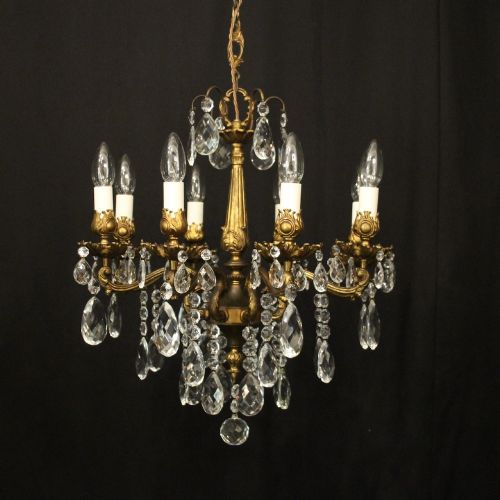
Materials extend beyond simple glass to include brass, cut crystal, opaline glass, and copper pairings that reflect the manufacturing standards of their respective periods.
Materials and construction methods
Glass components take the form of moulded slip shades, cut crystal, and opaque opaline elements shaped by period glassmakers.
Metal mounts in brass, bronze, copper, and chrome provide the structural support and decorative frames for these light fittings.
Assembly methods combine cast metal fittings with hand-finished glass shades, utilising traditional threading and mounting techniques.
Vintage Glass Lamp Retail Price Guide 2026
Typical asking prices for vintage glass lamp among the pieces listed under this phrase on Sellingantiques today, from the lower quarter to the upper quarter. They describe what is for sale here now, not the wider market.
Listings feature items spanning the Victorian era through the 1950s, utilising glass, brass, copper, and gilt bronze.
Assessing quality in vintage lighting
The calibre of a piece depends on the weight and clarity of the glass, whether through deep hand-cutting or finely moulded Art Deco forms.
Metalwork quality shows in the thickness of cast brass or bronze and the precision of fitted mounts rather than surface finish alone.
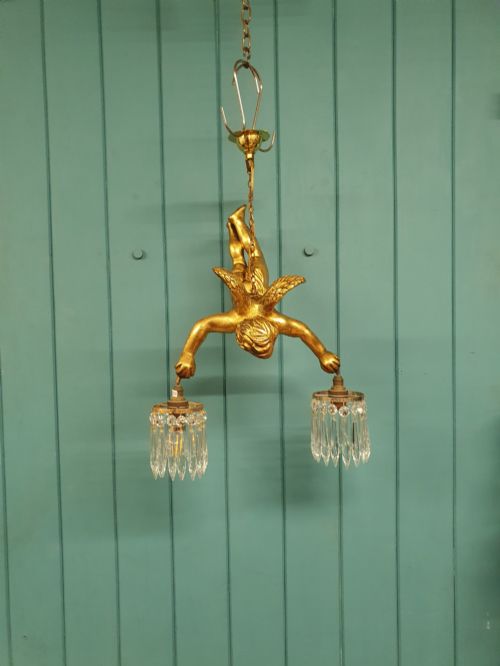
Design integrity separates standard production items from pieces displaying distinct stylistic ambitions, such as figural bases or complex multi-tier frames.
Fratelli Toso·Émile-Jacques Ruhlmann·Stiffel USA·PH Vogel
The Vintage Glass Lamp Glossary
- Opaline glass
- A type of semi-opaque glass, often white or pastel-coloured, used extensively for soft-diffusing lamp shades in the Victorian and Edwardian eras.
- Slip shade
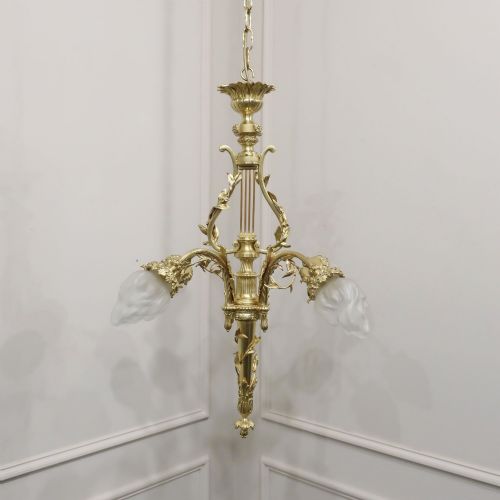
- A moulded frosted or coloured glass shade that fits directly into a metal frame, commonly seen in Art Deco ceiling and wall lights.
- Duplex burner
- A double-wick mechanism found on nineteenth-century oil lamps designed to produce a brighter flame than single-wick alternatives.
- Millefiori
- Multi-coloured glass canes fused together in patterns, frequently associated with Murano glass production.
- Corinthian column
- A classical architectural column style frequently adopted for the brass or bronze stems of tall Victorian oil lamps.
Vintage Glass Lamp: Frequently Asked Questions
How do I date a glass lamp?
Dating relies on identifying stylistic markers like Art Deco geometric lines or Victorian oil lamp column forms, alongside manufacturing techniques visible in the glass and metal.
Examining the fittings, switches, and wiring methods also helps narrow down whether a piece originates from the nineteenth century or the mid-twentieth century.
Can old oil lamps be electrified?
Many period oil lamps and lanterns undergo conversion to electricity so they can function as standard table lamps or ceiling pendants in modern homes.
Professional conversion typically preserves the original brass or glass components without causing permanent damage to the antique structure.
What is opaline glass?
Opaline glass is a translucent or opaque material developed in the nineteenth century, prized for its soft, milky appearance that diffuses light evenly.
It appears frequently on Victorian and Edwardian oil lamp shades in white or delicate pastel tints.
How do I clean antique glass shades?
Cleaning requires gentle washing with warm water and mild soap, avoiding harsh chemicals that might damage painted details or aged metal fittings.
Hand-cut crystal and opaline shades should be dried carefully with a soft cloth to prevent water spots.