


Moulded Glass Pendant
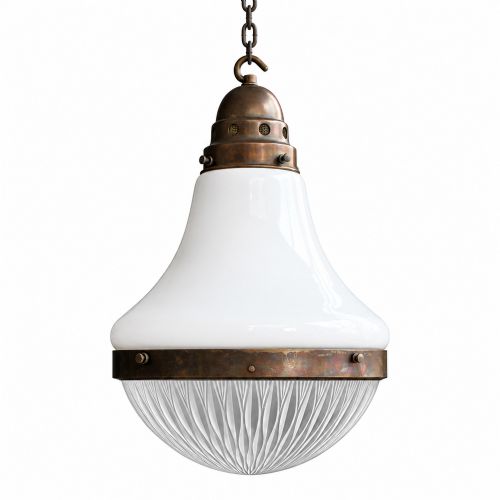
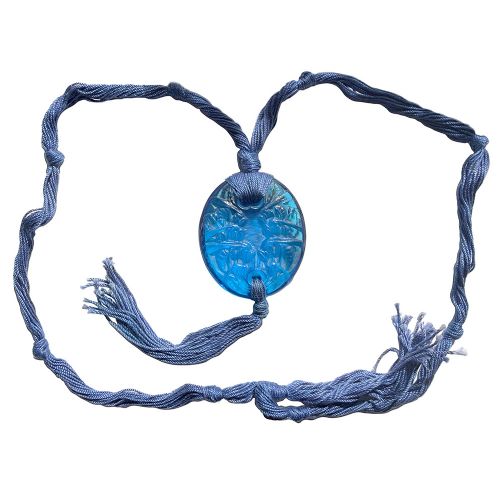
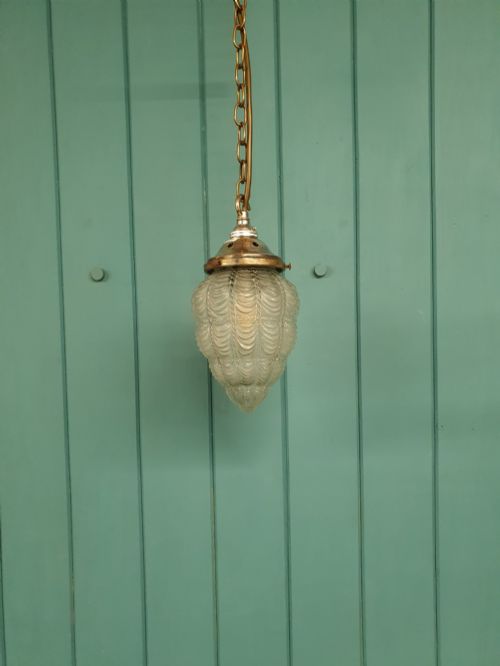
These moulded glass pendant examples span early twentieth century styles, bringing decorative illumination and wearable art to any room.
Moulded Glass Pendant
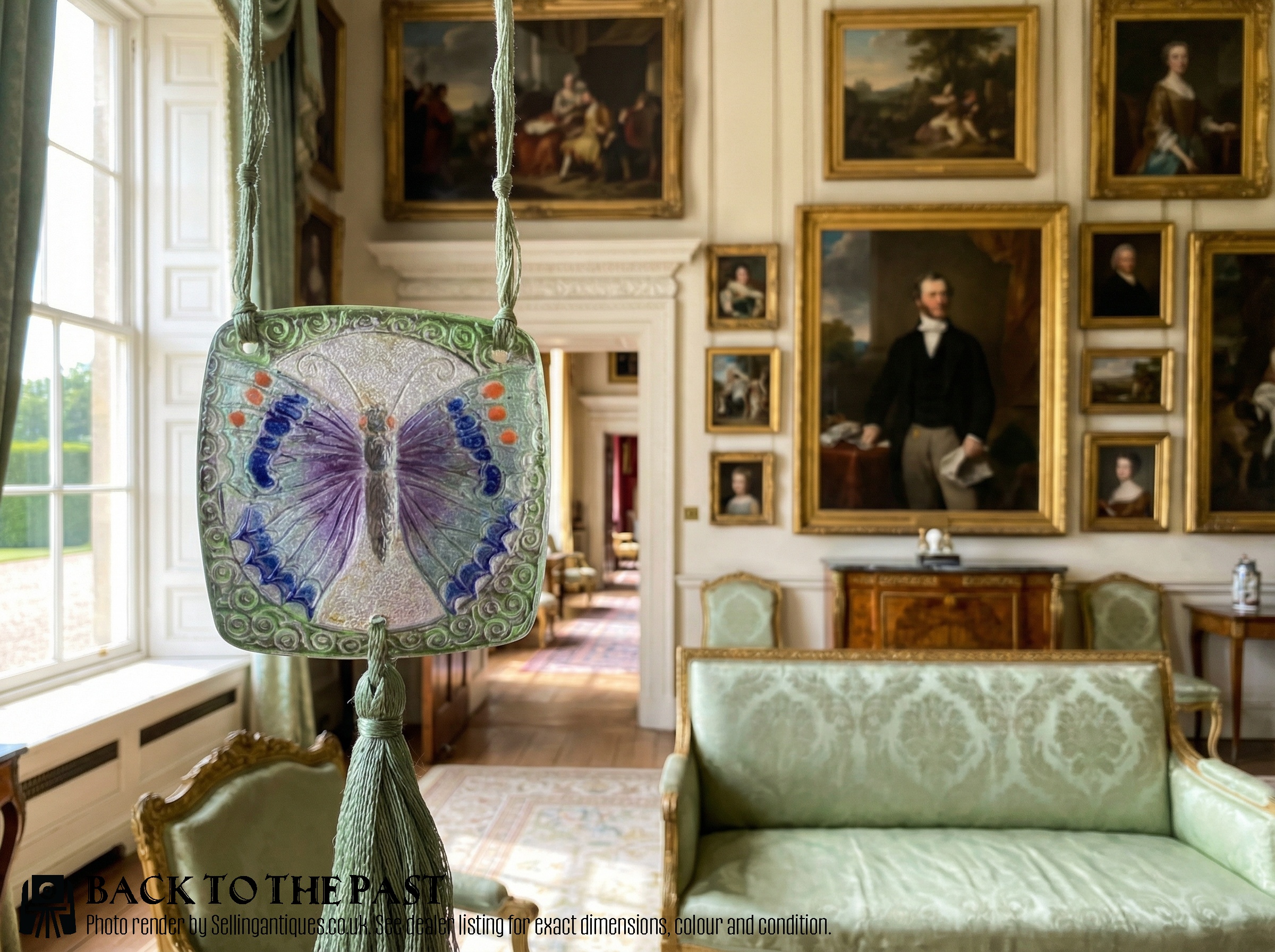
A moulded glass pendant search uncovers a fascinating split between decorative ceiling lighting and wearable art. Buyers encounter pendant lights and ceiling lights alongside jewellery and pendant necklaces.
The selection ranges from French Chateau lanterns and Edwardian enamelled ceiling lamps to striking Art Deco slip shade and clam shell fittings. Pendants often feature intricate motifs like wasps, butterflies, roses, cicadas, dragonflies, and doves.
Originating largely from the early twentieth century, particularly the 1910s, 1920s, and 1930s, these items showcase the enduring appeal of moulded, frosted, opaline, and pate de verre glass paired with brass, chrome, copper, and gilt metal.
Materials and construction
Makers utilised specialised glass techniques such as pate de verre, pressing molten material into metal moulds to achieve rich textures and reliefs. Frosted and opaline glass surfaces were frequently enhanced with coloured staining or enamelling.
Lighting components combine these glass shades with structural elements in brass, chrome, bronze, copper, and gilt metal. Jewellery pieces typically suspend the moulded glass elements from cords or precious mountings.
Distinguishing quality
Quality rests in the crispness of the moulded relief and the depth of the glass medium, particularly visible in pate de verre pieces. Finer works display meticulous staining and complex naturalistic detailing, such as insect wings or bird plumage.
The sophistication of the supporting metalwork, from heavy cast bronze and brass lanterns to delicate gilt mounts, distinguishes standard production from exceptional studio outputs.
R Lalique·Argy Rousseau·Gabriel Argy-Rousseau·Amalric Walter·Jean Gauthier
The Moulded Glass Pendant Glossary
- Pate de verre
- A glass-making method where finely crushed glass is packed into a mould and fused in a kiln. This technique produces rich, translucent colours and granular textures.
- Slip shade
- A type of glass shade fitted directly into a metal frame or basket. These shades were widely utilised in ceiling lights of the period.
- Opaline glass
- A pale, semi-translucent glass that diffuses light softly. It gained popularity for its milky appearance and fish scale or plain textures.
- Frosted glass
- Glass treated to achieve a pebbled or opaque surface finish. This treatment reduces glare in lighting applications.
Moulded Glass Pendant: Frequently Asked Questions
How do I date a glass pendant?
Dating relies on stylistic markers associated with the 1910s, 1920s, and 1930s. Edwardian pieces often feature delicate enamelling, while Art Deco designs lean towards geometric slip shades and stylised nature motifs.
Material combinations also help narrow the era, as early brass lanterns transition into the chrome and bronze fixtures of the later interwar period.
What is pate de verre?
Pate de verre translates to glass paste, describing a kiln-casting method. Crushed glass is packed into a mould and heated until the particles fuse together.
This creates a dense, colourful object with a characteristic mottled texture, favoured by studio glass artists.
Are these items for lighting or jewellery?
The category encompasses both domains. Search results include ceiling lights and pendant lamps alongside wearable pendant necklaces.
Both categories share the same dedication to moulded glass artistry, whether suspended from a ceiling cord or worn around the neck.
How should I clean antique glass?
Cleaning requires mild soapy water and a soft cloth to protect delicate surfaces and coloured staining. Harsh chemical cleaners can damage historical finishes and enamel work.
Metal components should be treated separately according to their specific brass, bronze, or chrome composition.