


Green Glass Pendant
Green glass pendant lighting and jewellery bring vibrant colour and historic craftsmanship to any room or outfit.

Green glass pendant forms and periods
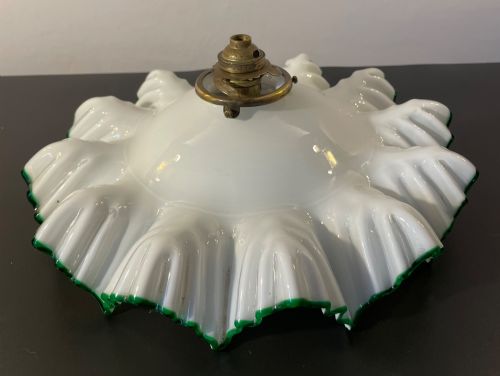
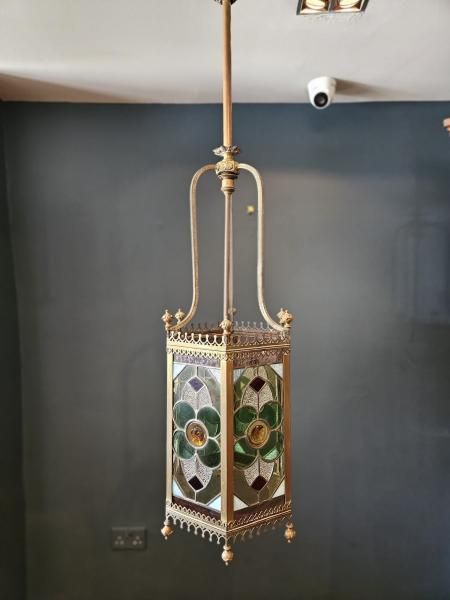
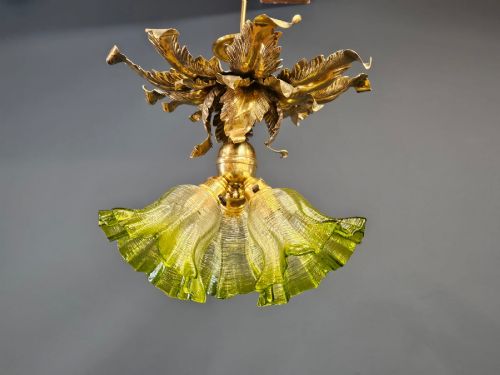
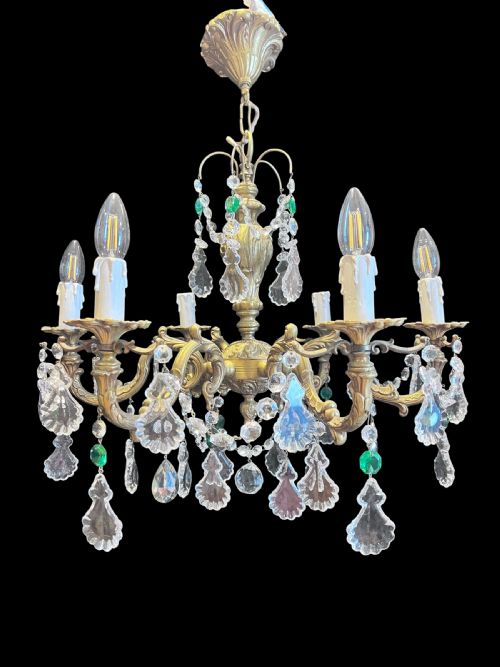
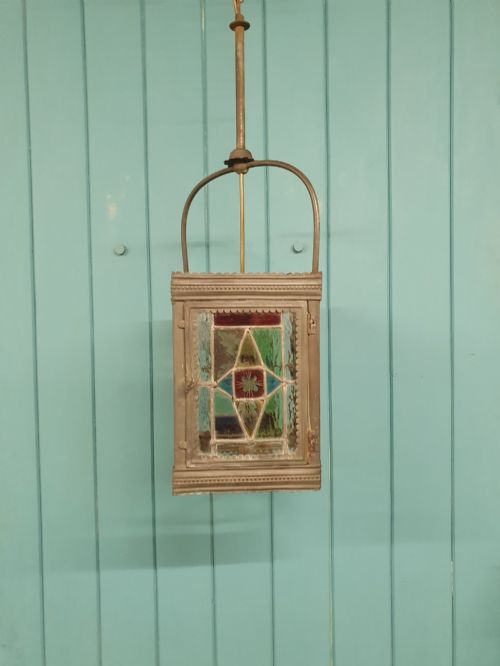
When you search for green glass pendant items, you encounter a diverse mix of hanging ceiling lights, billiard lanterns, and wearable jewellery pieces. These objects span several distinct historical eras, including the Victorian, Edwardian, and 1920 periods.
The wearable items often take the form of detailed paste glass, pearl, and pate de verre pieces designed during the Art Nouveau and Art Deco movements. Meanwhile, the lighting fixtures include brass rise and fall mechanisms and copper lantern styles equipped with original green glass shades.
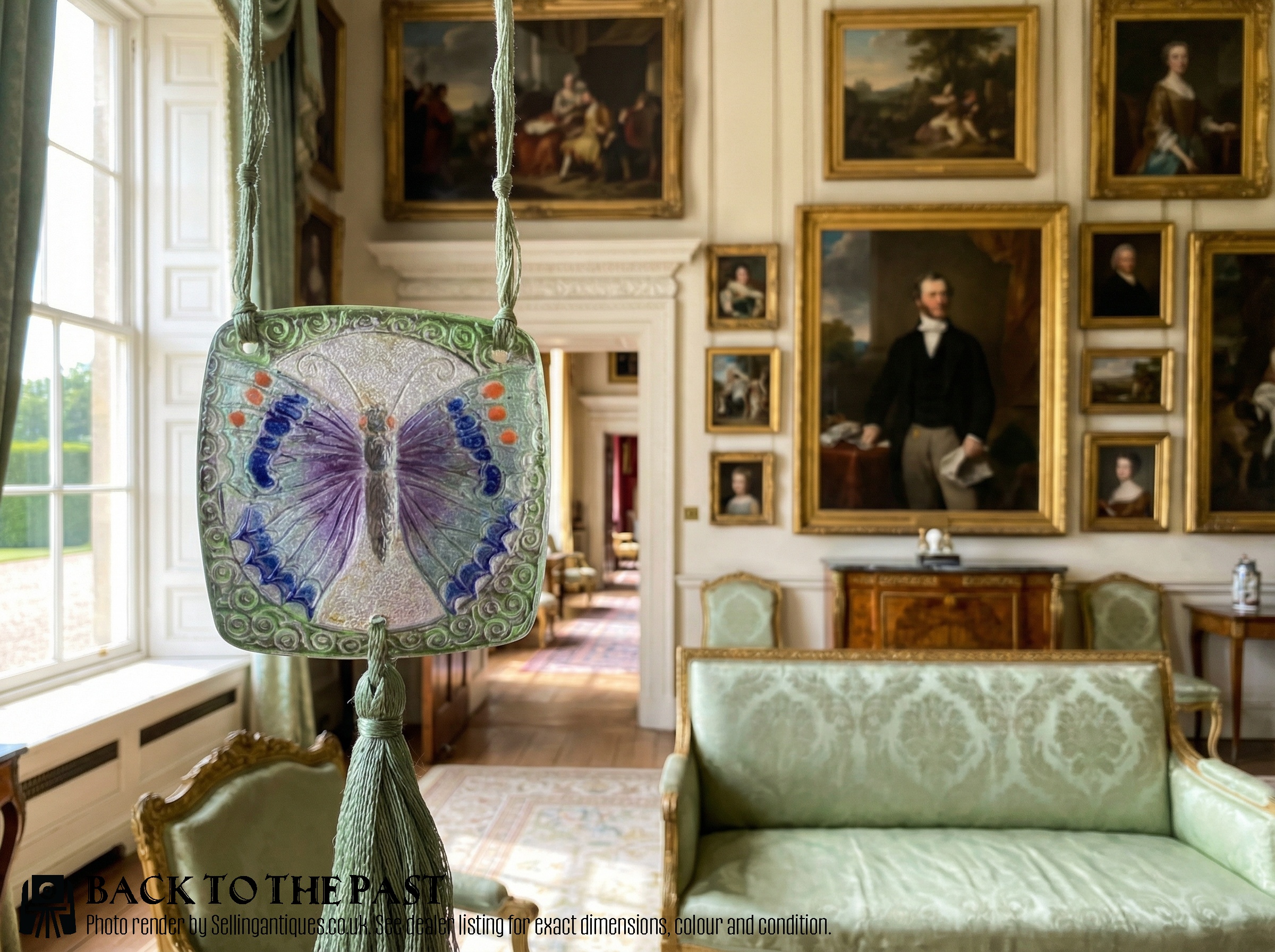
Austro-Hungarian and French influences appear frequently across both the lighting and jewellery selections. A buyer is equally likely to find a delicate insect-themed pendant from the 1920s as a robust industrial lantern intended for billiard rooms.
Materials and construction techniques
The construction of these pieces relies on combinations of moulded glass, pate de verre, and paste stones set into brass, copper, and silver frames. Delicate items utilise specialised glass-working techniques to achieve rich colour gradients and textured surfaces like those seen in butterfly and dragonfly motifs.
Hanging fixtures incorporate durable metal hardware alongside fabric, silk, or standard cord for suspension. The integration of metalwork and glass requires precise fitting, particularly in lantern structures and rise and fall mechanisms.
Retail Price Guide 2026
Typical UK retail prices for green glass pendant, calculated from the Sellingantiques database of over a million retail prices indexed since 2003. This retail price guide relies exclusively on Sellingantiques data; no external sources or auction records are used, so the figures do not describe the wider market.
Distinctions in quality and execution
The upper tier of these items is distinguished by named maker attribution and sophisticated artistic execution, such as intricate pate de verre shading and precious metal settings. Lesser examples rely on standard commercial production methods with simpler metalwork and less refined glass coloration.
The integrity of the original components, from the fabric suspension cords to the specific patination on the brass and copper mounts, defines the piece's historical fidelity. Superior examples retain their original shade configurations and unmodified structural hardware.
Argy Rousseau·Amalric Walter
The Green Glass Pendant Glossary
- Pate de Verre
- A French term for glass paste, created by packing finely crushed glass into a mould and fusing it in a kiln. This technique produces mottled colours and a distinctive textured finish.
- Rise and Fall
- A mechanical ceiling light system utilising a counterweight pulley. It allows the user to adjust the height of the pendant smoothly.
- Paste Glass
- Faceted glass stones cut and polished to resemble gemstones. Historically used in fine jewellery across the Victorian and Edwardian eras.
- Billiard Pendant
- A large, specialised lantern light designed to hang low over a game table. These typically feature elongated green glass shades to direct illumination downward.
Frequently Asked Questions
How do I hang a vintage pendant light?
Vintage ceiling lights require secure mounting to ceiling joists and appropriate electrical wiring. Consult a qualified electrician to ensure the historical hardware safely supports the weight.
For rise and fall models, proper pulley adjustment ensures the counterbalance functions correctly without putting undue tension on the original cord.
Are these glass shades fragile?
Historical glass, particularly pate de verre and moulded shades, requires careful handling during cleaning and relocation. Avoid using harsh chemical cleaners that might damage the surface.
Support the body of the pendant directly when changing bulbs or adjusting the hanging height to prevent accidental stress fractures.
Can I wear antique silver pendants daily?
Silver and paste jewellery from the Victorian and Edwardian periods benefits from gentle treatment. Remove delicate items before swimming, bathing, or engaging in strenuous physical activity.
Store them in lined boxes away from other pieces to protect vulnerable stones like pearls and soft paste glass from scratching.
How do I identify a 1920s pate de verre piece?
Look for signature details such as subtle colour mottling, naturalistic insect motifs, and characteristic maker stamps embedded in the glass body. The texture should feel slightly granular rather than uniformly smooth.
Examine the mounting metalwork to confirm it matches the manufacturing standards and stylistic conventions of the Art Deco period.