
Victorian Glass Pendant
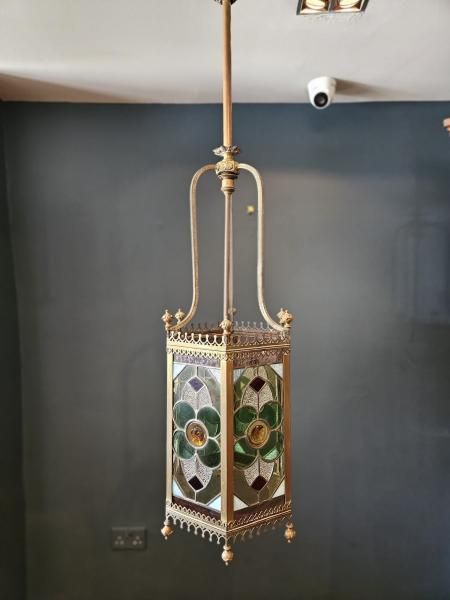
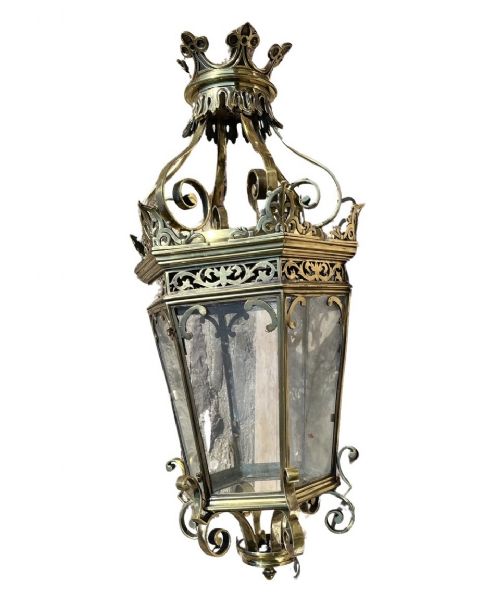
These victorian glass pendant options range from heavy brass lanterns to delicate paste hearts, bringing period illumination and charm into domestic spaces.
Victorian Glass Pendant
When searching for a victorian glass pendant, buyers encounter a diverse mix of lighting and wearable ornaments spanning the nineteenth century and subsequent early decades. The selection encompasses ceiling lights, hall lanterns, and chandeliers alongside personal items like necklaces, charms, and lockets.
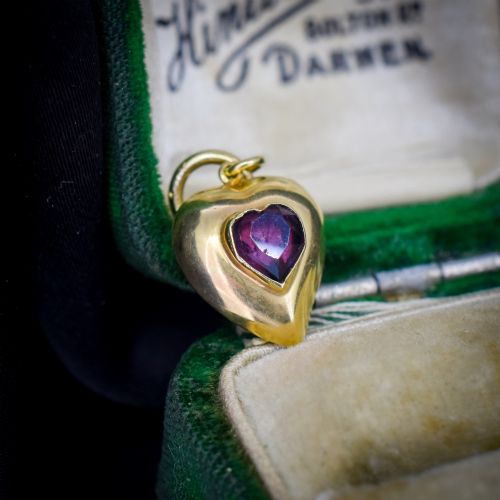
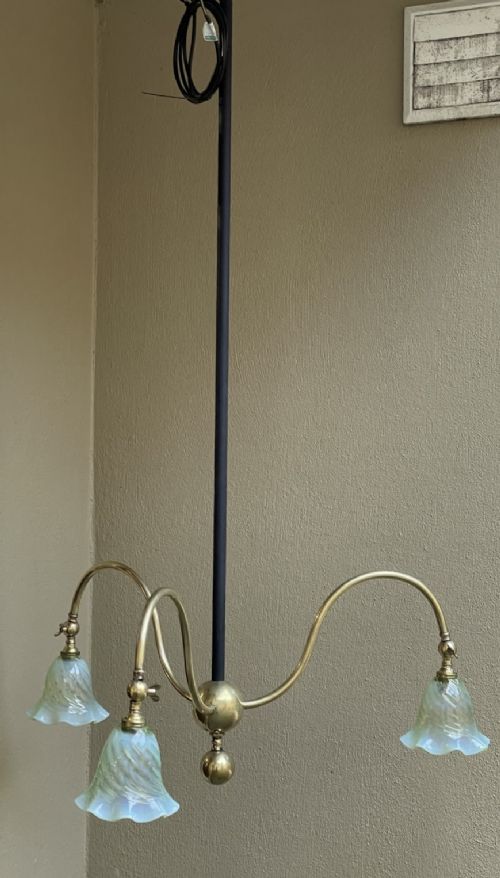
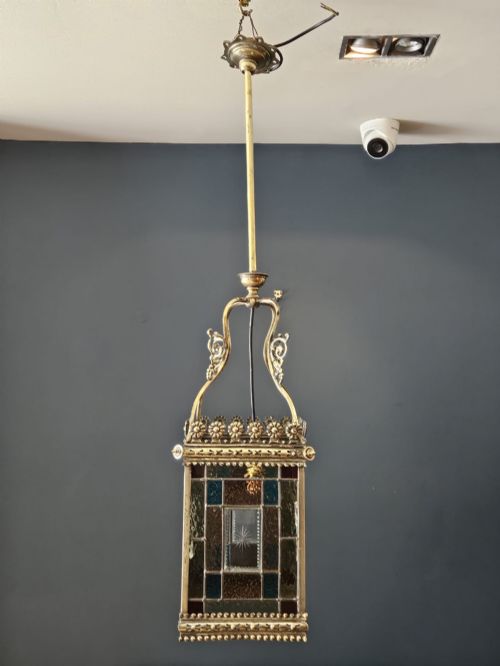
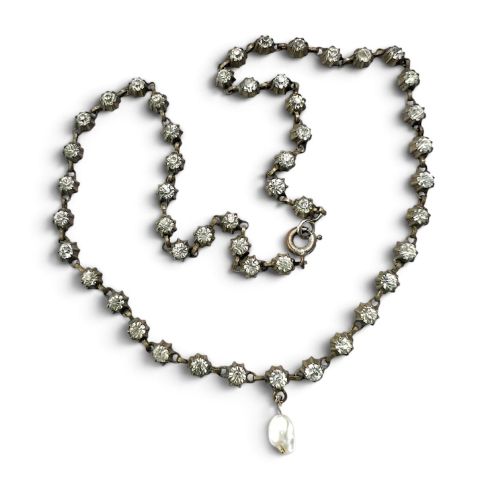
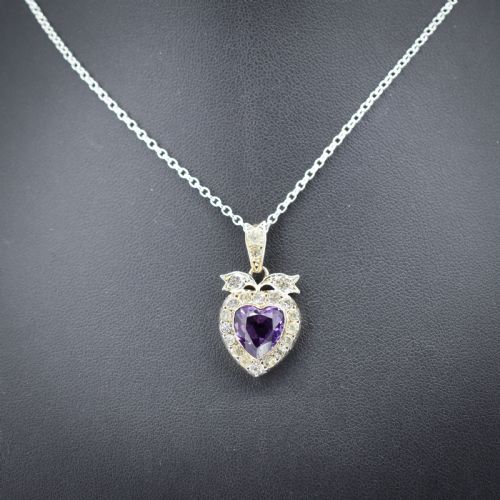
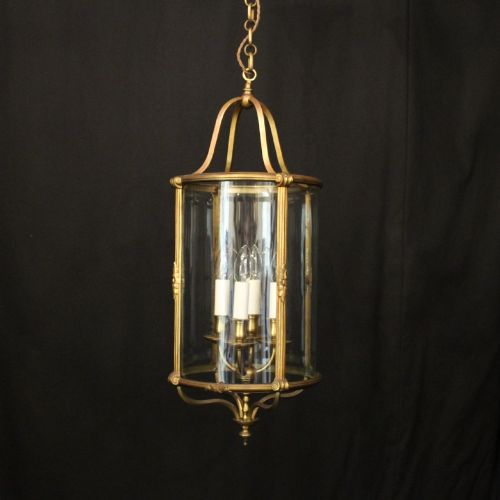
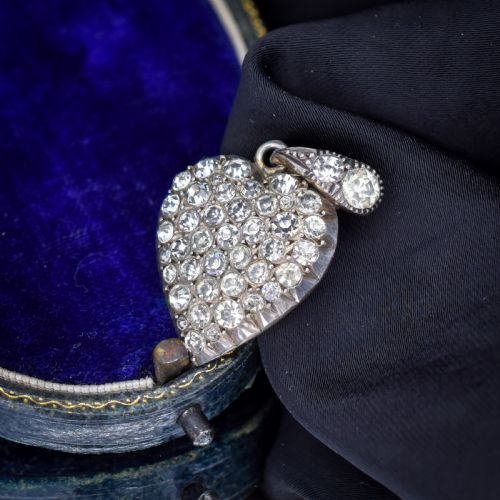
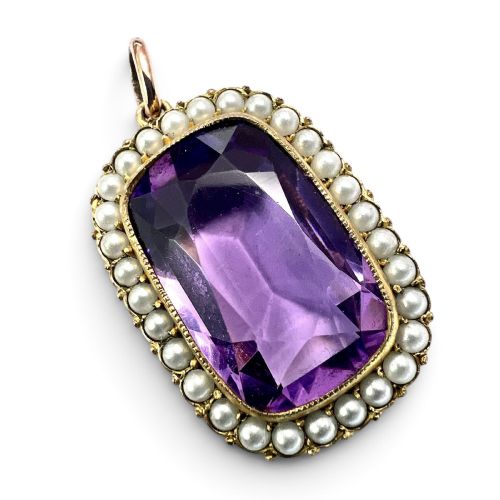
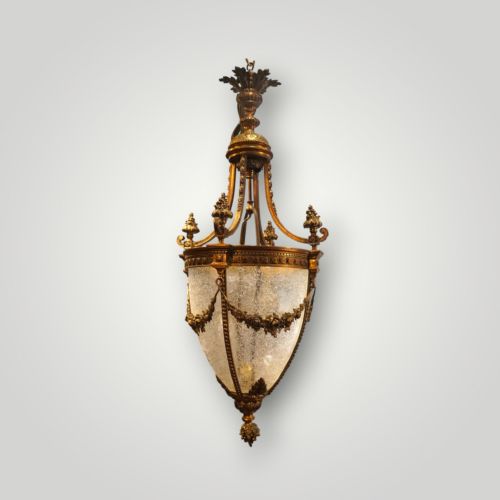
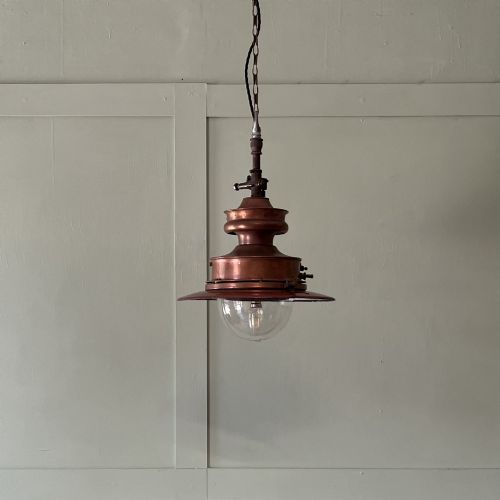
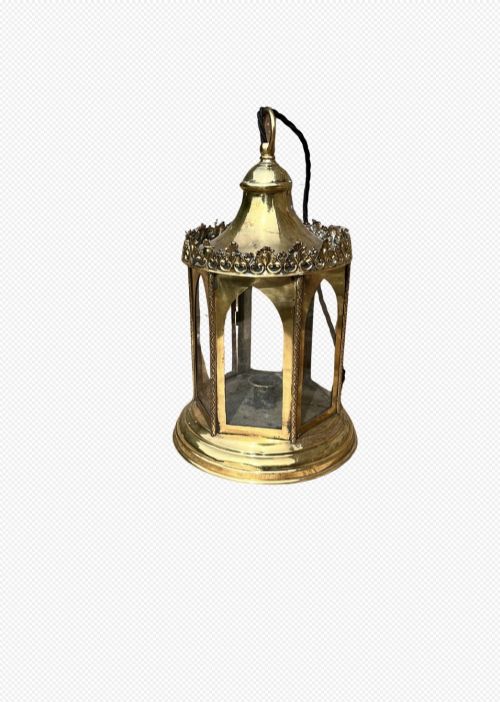
Lighting fixtures dominate the architectural offerings, featuring leaded, cut, opalescent, and milk glass mounted in brass, bronze, and copper frames. Smaller personal pendants incorporate glass-backed lockets, paste stones, and seed pearls set in silver and gold.
The majority of lighting pieces reflect Victorian and Edwardian tastes, with occasional Gothic Revival, French Chateau, and Arts & Crafts influences appearing across the inventory. Smaller wearable jewels span similar nineteenth-century periods, often featuring amethyst paste or enamel.
Materials and construction
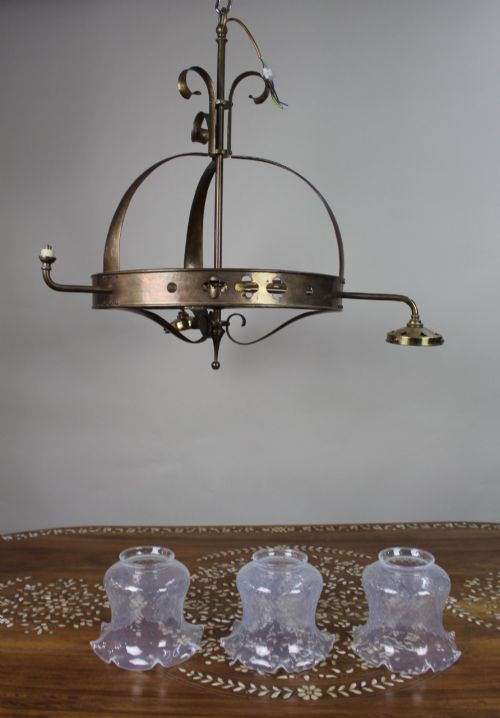
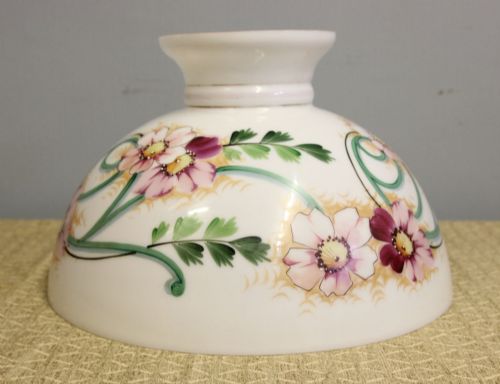
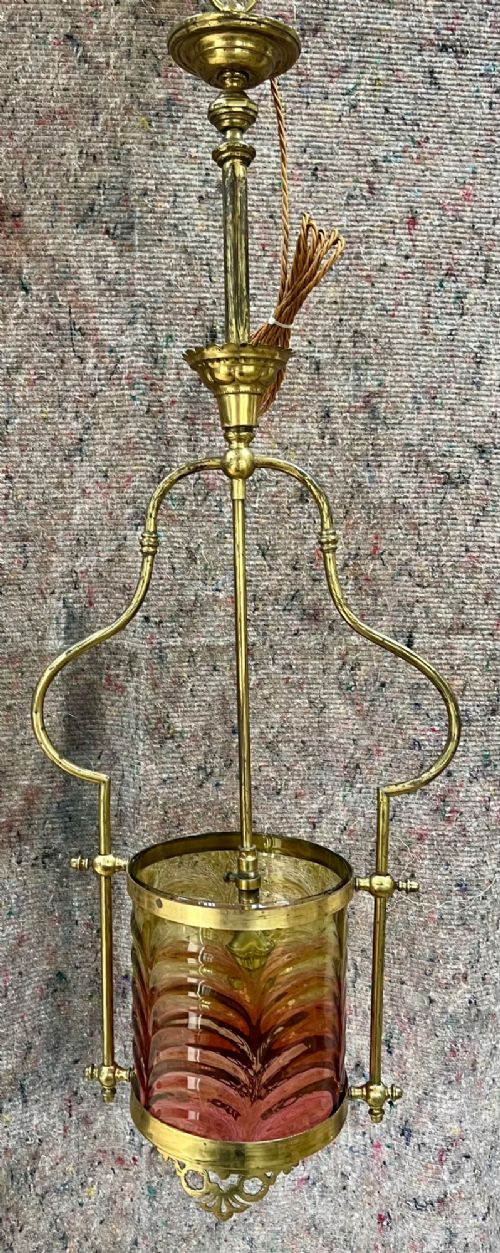
Makers constructed structural frames primarily from brass, bronze, copper, and silver, applying gilding or leaving the base metal exposed. Glass components range from heavy leaded and cut crystal panes to delicate opalescent shades, painted oil lamp reservoirs, and milk glass elements.
Lighting assemblies incorporate specialised hardware such as gasolier attachments, paraffin burners, and rise and fall mechanisms. Wearable jewellery items utilise gold, silver, and pinchbeck metals to secure glass-backed lockets, seed pearls, and faceted paste stones.
Victorian Glass Pendant Retail Price Guide 2026
Typical asking prices for victorian glass pendant among the pieces listed under this phrase on Sellingantiques today, from the lower quarter to the upper quarter. They describe what is for sale here now, not the wider market.
Listings feature brass, silver, and gold alongside cut, opalescent, leaded, and milk glass across Victorian, Edwardian, and Arts & Crafts styles.
Assessing quality and finish
Quality reveals itself in the precision of the metalwork, such as crisp cast brass details, lion masks, and well-fitted leaded glass panels. Superior lighting pieces retain original components like matching shades, functional mechanical systems, and authentic mounting hardware.
In wearable pendants and lockets, excellence is apparent in the secure collet settings of old cut paste stones and the fine clarity of glass-backed compartments. Heavier cast bronze or gilded frames on larger lanterns distinguish substantial workshop production from lighter commercial output.
Osler
The Victorian Glass Pendant Glossary
- Plafonnier
- A ceiling-mounted light fixture that sits flush or close to the ceiling surface. These often feature decorative glass bowls or moulded shades held within metal frames.
- Gasolier
- A multi-armed light fixture originally designed for gas illumination before subsequent conversion to electricity. These fixtures frequently display ornate brass framing and specialised gas keys.
- Paste
- Faceted glass or lead crystal hand-cut to imitate precious gemstones. Antique paste pieces demonstrate high craftsmanship through foil-backing and detailed metal settings.
- Rise and fall
- A mechanical pulley system allowing a hanging pendant light to be adjusted in height. This mechanism uses counterweights concealed within the ceiling rose or suspension lines.
- Opalescent glass
- Glass exhibiting a milky, translucent quality with milky blue or pink highlights. This material diffuses light softly across Victorian and Edwardian interiors.
Victorian Glass Pendant: Frequently Asked Questions
What is a victorian glass pendant?
A victorian glass pendant refers to antique hanging light fixtures and personal jewellery items made during the nineteenth century incorporating glass elements. The category covers everything from heavy brass hall lanterns with leaded glass to small silver necklaces featuring glass-backed lockets.
Buyers select these pieces for their authentic period craftsmanship and varied materials, which include cut glass, brass, silver, and paste stones. Each item reflects the domestic lighting or personal ornamentation styles of the Victorian era.
How were these pendant lights used?
Original nineteenth-century hanging lights illuminated hallways, high-ceilinged rooms, and municipal spaces using candles, oil, gas, or early electricity. Many surviving fixtures have undergone careful conversion to modern electrical standards for contemporary home use.
Wearable pendants served as personal adornments or sentimental keepsakes, often holding locks of hair behind glass compartments. Both lighting and jewellery formats functioned as decorative focal points within period interiors.
How do I clean an antique glass pendant?
Cleaning requires gentle removal of dust and grime using a soft, dry cloth or mild soapy water on the glass components. Strong chemical cleaners should be avoided to protect aged metal patinas, gilding, and fragile soldered joints.
For complex fixtures with cut glass crystals or leaded panes, dismantling individual drops for hand washing prevents moisture damage to the surrounding brass or silver frame. Care must be taken around painted glass shades and antique electrical fittings.
How can I date a glass pendant?
Dating relies on examining the construction techniques, mounting hardware, metal types, and stylistic indicators such as Gothic Revival or Arts & Crafts motifs. Patent burners, maker signatures, and original wiring methods offer precise chronological clues.
Lighting fixtures often transition from candle and oil mechanisms through gas systems to early electric wiring across the Victorian and Edwardian periods. Jewellery pendants display period-specific hallmarks and stone-cutting styles that help narrow the production era.