

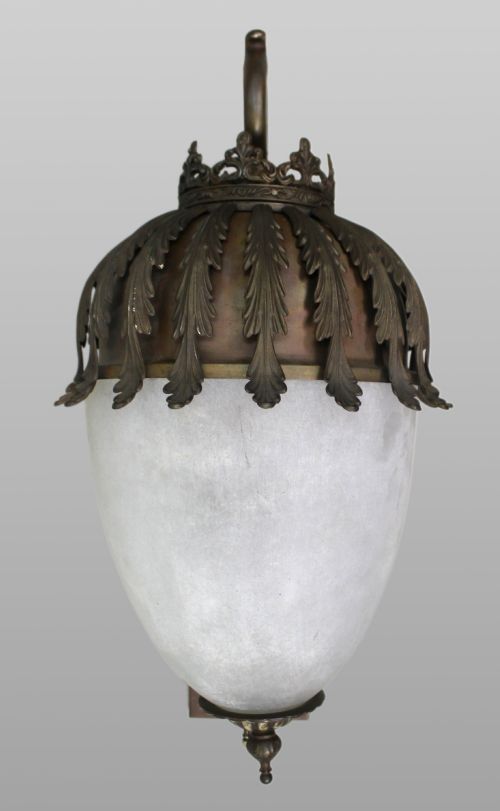
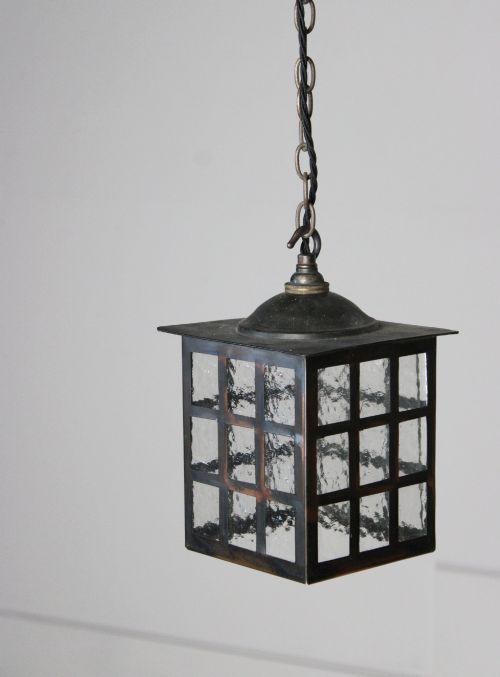
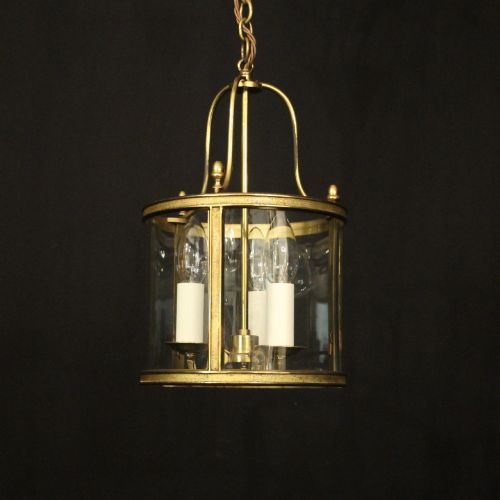
Vintage Glass Lantern
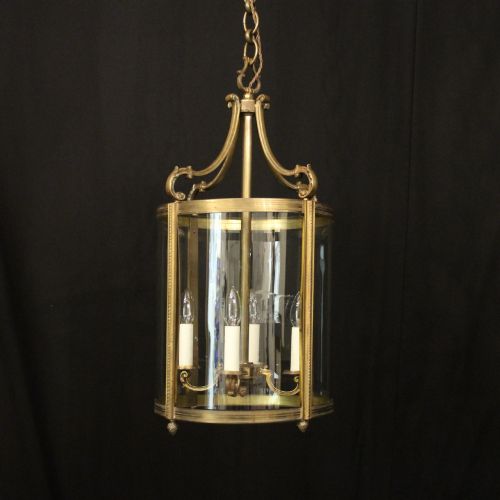
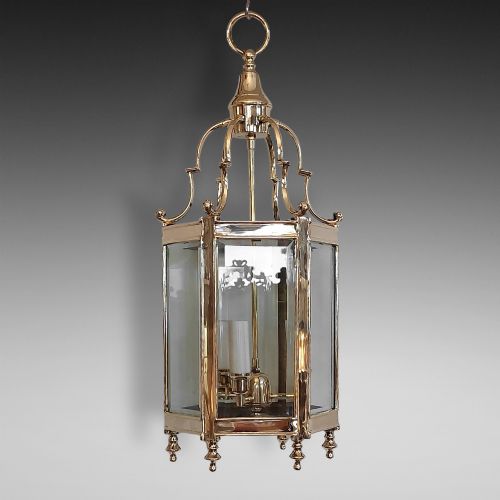
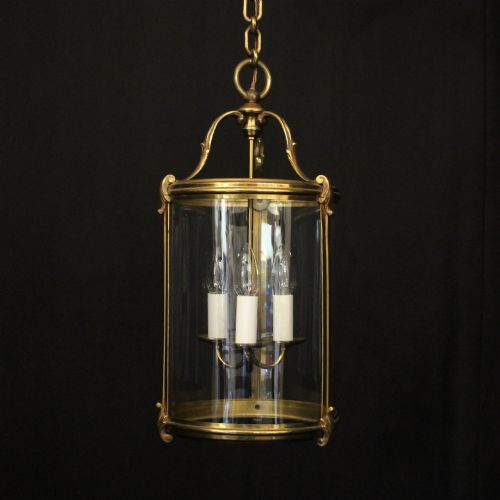
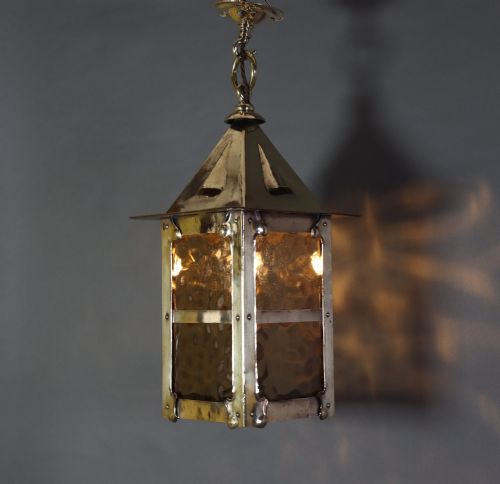
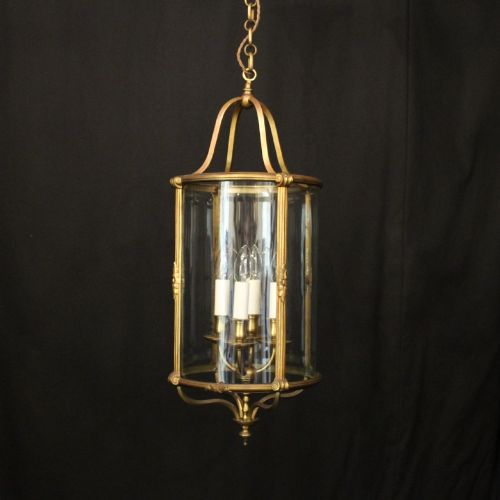
A vintage glass lantern brings genuine period character to a hallway or high-ceilinged room through robust construction and distinctive glasswork.
What They Are
When you search for a vintage glass lantern, you are looking at overhead lighting fixtures designed to cast ambient illumination downwards while showcasing decorative metal and glass panels.
The examples available here date from the 1920s and 1930s, reflecting the enduring design sensibilities of the early twentieth century.
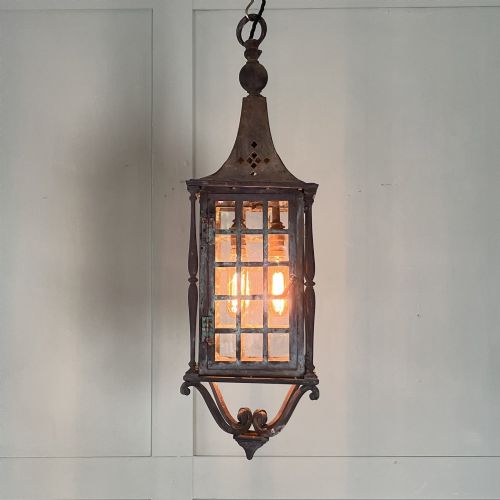
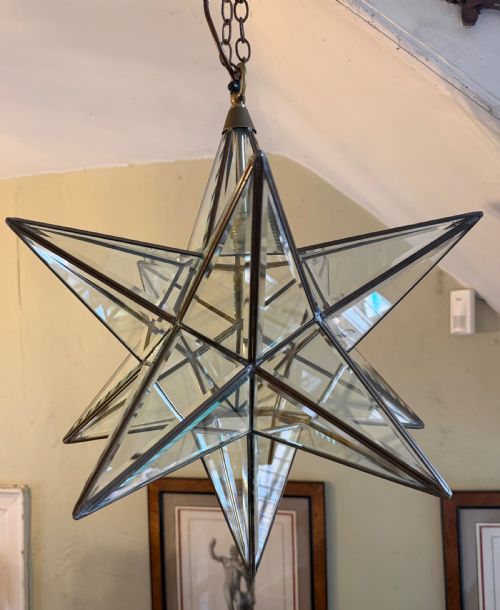
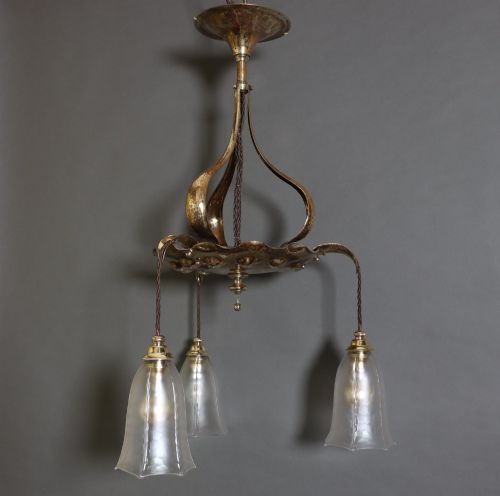
Buyers are most likely to encounter pendant lights and ceiling lights configured for interior suspension, such as hall lanterns and mirrored glass pendants.
How They Were Made
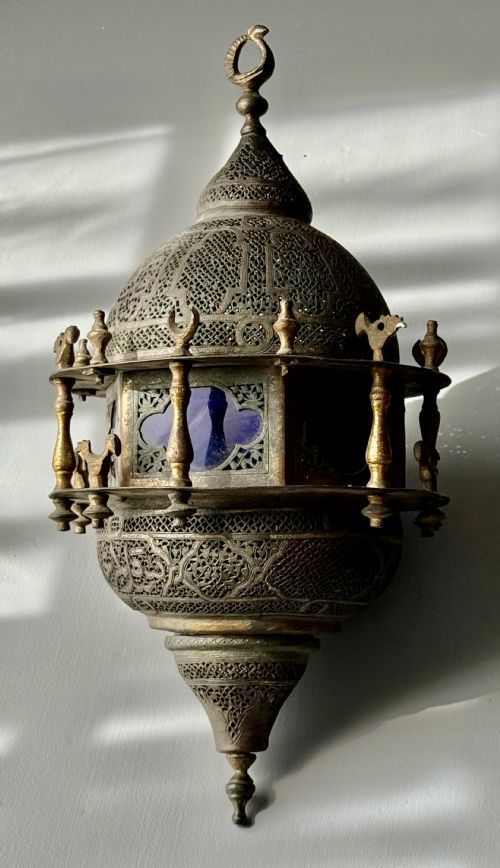
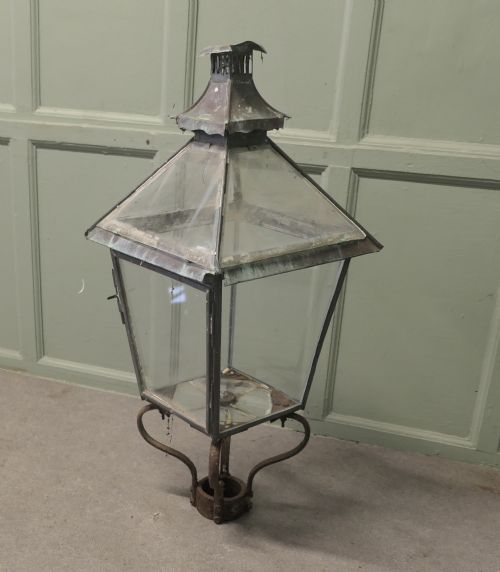
Maker workshops built these fixtures using sturdy metal frameworks of brass, chrome, copper, and mixed metals to support the weight of the glass shades.
The glazing incorporates cut glass, frosted glass, and mercury glass, often shaped into multifaceted or mirrored panels that catch and refract the light.
Many surviving examples have been updated with modern electrical rewiring to meet contemporary safety standards while retaining their original structural integrity.
Retail Price Guide 2026
Typical UK retail prices for vintage glass lantern, calculated from the Sellingantiques database of over a million retail prices indexed since 2003. This retail price guide relies exclusively on Sellingantiques data; no external sources or auction records are used, so the figures do not describe the wider market.
Mirrored glass panels inside these pendants were originally intended to multiply candlelight before electricity became standard in every hallway.
What Varies in Quality
Quality reveals itself in the weight and thickness of the metal frame, with solid brass and heavy chrome structures representing the superior end of production.
The complexity of the glasswork distinguishes standard utility pieces from finer examples, particularly where deep hand-cutting or specialised mirrored mercury finishes are employed.
Cohesion of style also matters, whether a piece exhibits the geometric lines of Art Deco design or the ornate flourishes of a French Chateau aesthetic.
The Vintage Glass Lantern Glossary
- Art Deco
- A design style from the interwar period characterised by streamlined geometric shapes and modern industrial materials. It dominates the aesthetic of several pieces on this page.
- Mercury Glass
- A double-walled blown glass filled with a silvering liquid to create a reflective, mirrored appearance. It produces a soft, diffuse glow when illuminated.
- Pendant Light
- A hanging light fixture suspended from the ceiling by a chain, cord, or metal rod. These serve as the primary lighting format in this collection.
- Frosted Glass
- Glass that has been treated by acid-etching or sandblasting to diffuse light evenly and reduce glare. This technique creates a smooth, opaque surface.
- Cut Glass
- Glass decorated with faceted patterns carved into the surface by abrasive wheels. This traditional method enhances the sparkle of the fixture.
Frequently Asked Questions
Where should I hang a hall lantern?
These fixtures suit entrance halls, landings, and high-ceilinged corridors where their downward illumination and decorative framing act as a focal point.
Ensure adequate clearance beneath the pendant for foot traffic and door swings.
Are these lights compatible with modern wiring?
Many vintage ceiling lights are updated with contemporary wiring during restoration to ensure safety and compliance.
Check individual listings to confirm whether a piece arrives fully rewired for immediate installation.
How do I identify a 1920s lantern?
Pieces from this decade frequently exhibit distinctive metalwork such as brass or copper alongside heavy cut or mirrored glass.
Stylistic cues often draw from Art Deco geometry or traditional French metalwork patterns.