
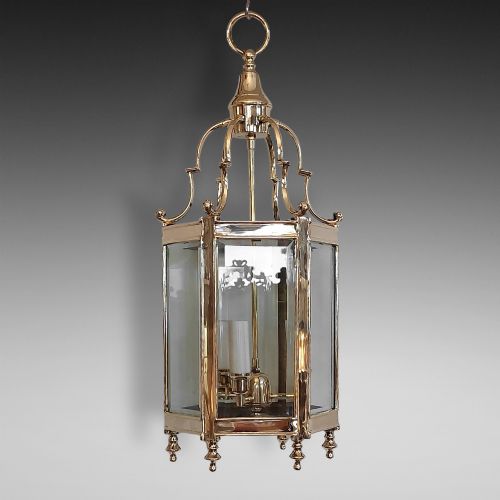
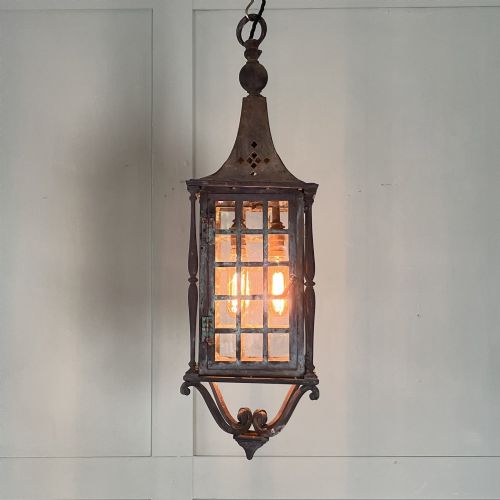
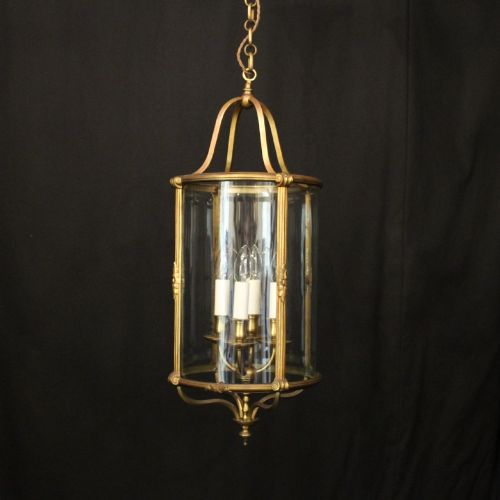
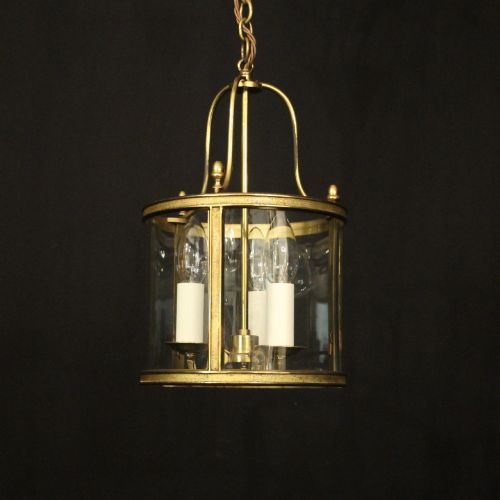

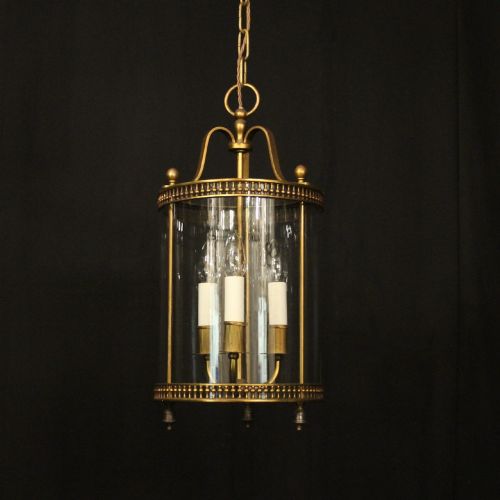
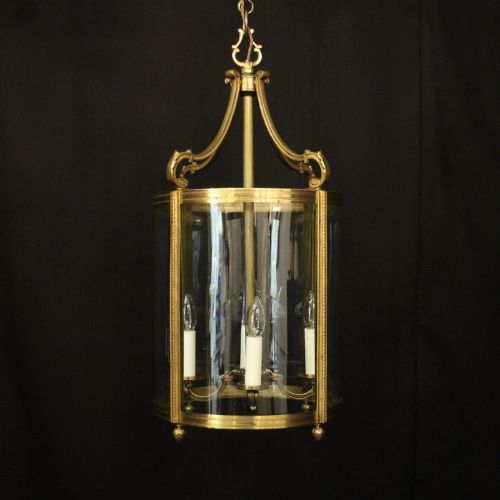
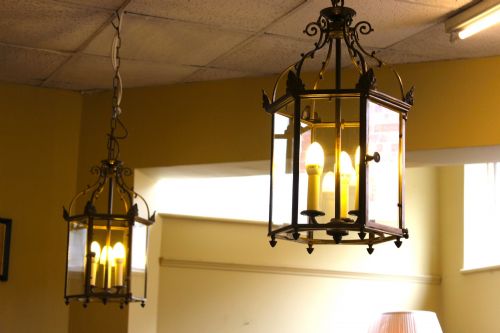
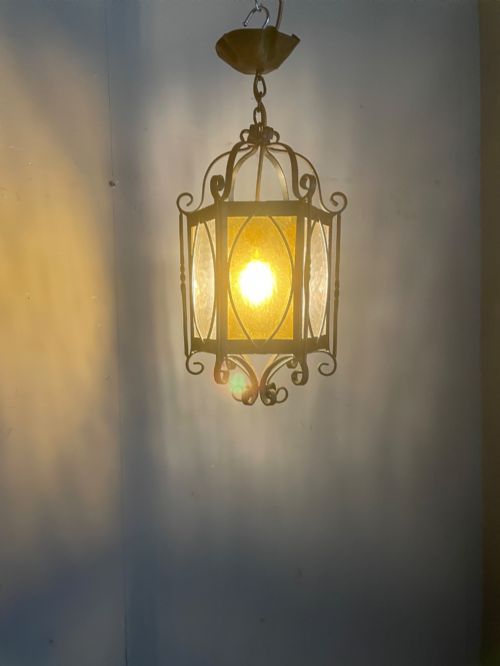
Glazed Hall Lantern
These glazed hall lantern fixtures offer a striking entrance statement, bringing period illumination and metalwork into hallways and landings.
Identifying Glazed Hall Lantern Designs
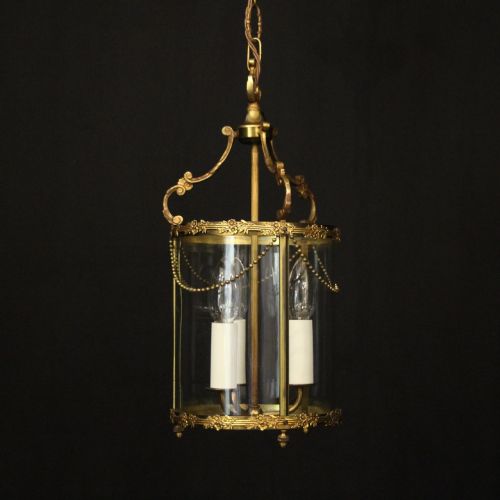
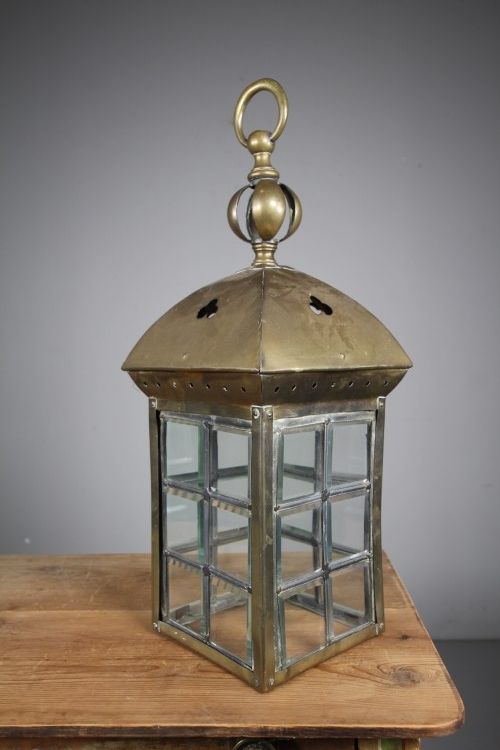
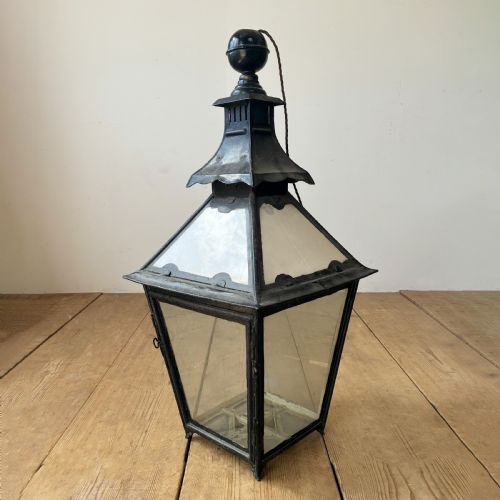
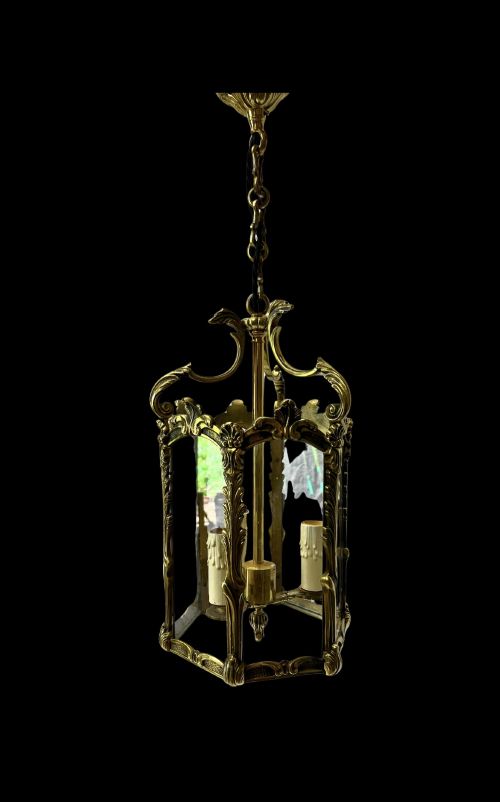
A glazed hall lantern provides overhead illumination designed specifically for entranceways, corridors, and stairwells, often using glass panes set within metal frames. Buyers searching for a glazed hall lantern encounter various configurations ranging from single-light fittings to multi-bulb arrangements.
The pieces catalogued here span the nineteenth century, the Edwardian era, and the early decades of the twentieth century. French regional designs and English interpretations predominate, reflecting classical, gothic, and rococo decorative traditions.

Construction and Materials
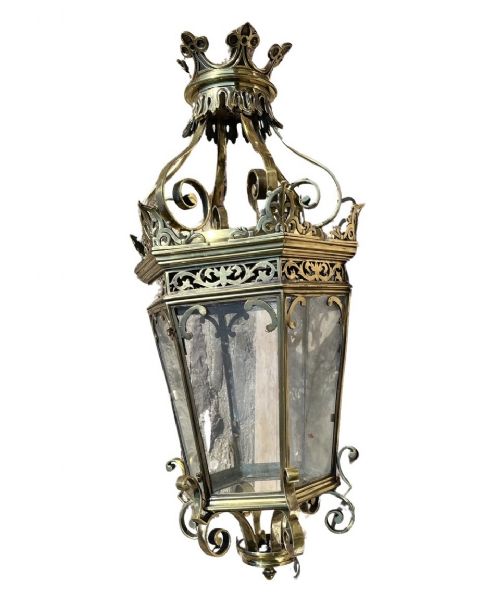
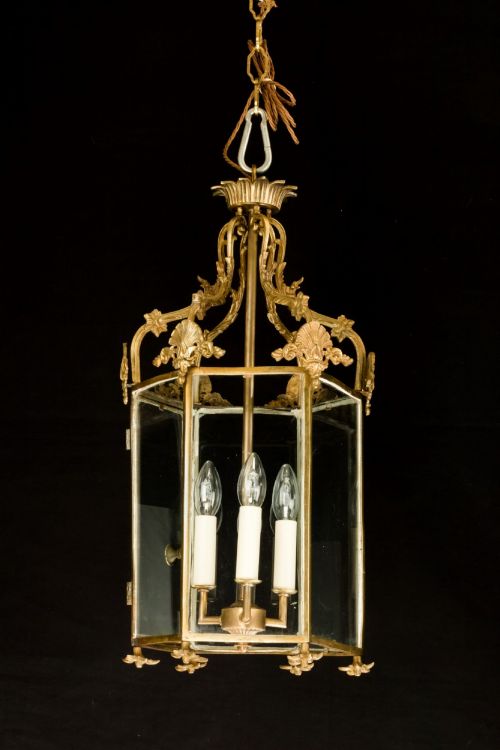
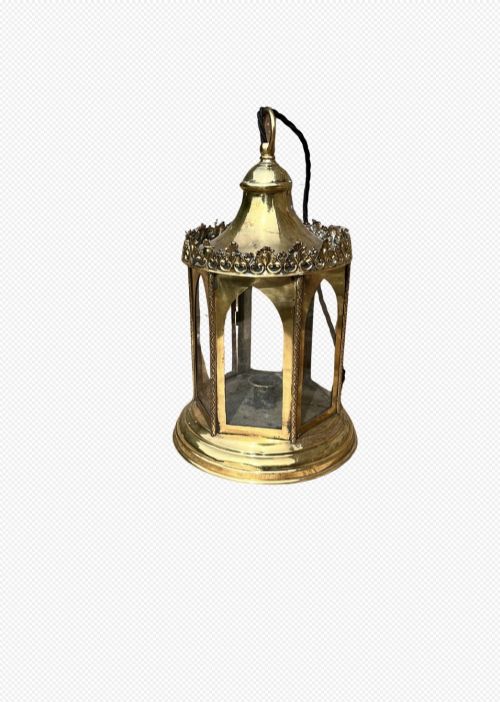
Frames are constructed from metals such as brass, gilt brass, gilded bronze, silvered bronze, and wrought iron, formed into geometric shapes like hexagons or rounded profiles. Glass panes are fitted securely within these metallic skeletons to enclose the light source.
Surface treatments include gilding and silvering applied to bronze and brass substrates, enhancing reflectivity and visual weight. Wrought iron variants rely on forged structural lines rather than applied surface finishes.
Retail Price Guide 2026
Typical UK retail prices for glazed hall lantern, calculated from the Sellingantiques database of over a million retail prices indexed since 2003. This retail price guide relies exclusively on Sellingantiques data; no external sources or auction records are used, so the figures do not describe the wider market.
Hexagonal lanterns were cleverly engineered so a single opening glass panel allowed candle replacement without taking down the entire heavy frame.
Assessing Craftsmanship
Quality in these lighting fixtures rests upon the crispness of metal casting, the weight of the bronze or brass used in the frame, and the precision of the glazed panels. Elaborate ornamentation found on French neoclassical and rococo examples requires meticulous hand-chasing of the metal.
Simpler wrought iron or brass iterations derive their merit from the purity of their proportions and the integrity of their construction. Finer examples exhibit integrated decorative mounts and substantial framing that hold glass panels without distortion.
The Glazed Hall Lantern Glossary
- Hexagonal lantern
- A hanging light fixture featuring a six-sided glazed frame. This geometry allows light to disperse evenly across narrow entrance spaces.
- Gilded bronze
- Bronze metal treated with a thin layer of gold leaf or gold paint. This technique provides a durable, lustrous surface finish.
- Gilt brass
- Brass alloy treated to simulate solid gold through gilding. It offers a bright, reflective appearance suited to formal interior schemes.
- Pendant light
- A solitary lighting fixture suspended from the ceiling by a chain or rod. These units focus illumination directly downward into a hallway.
Frequently Asked Questions
Where should a glazed hall lantern be hung?
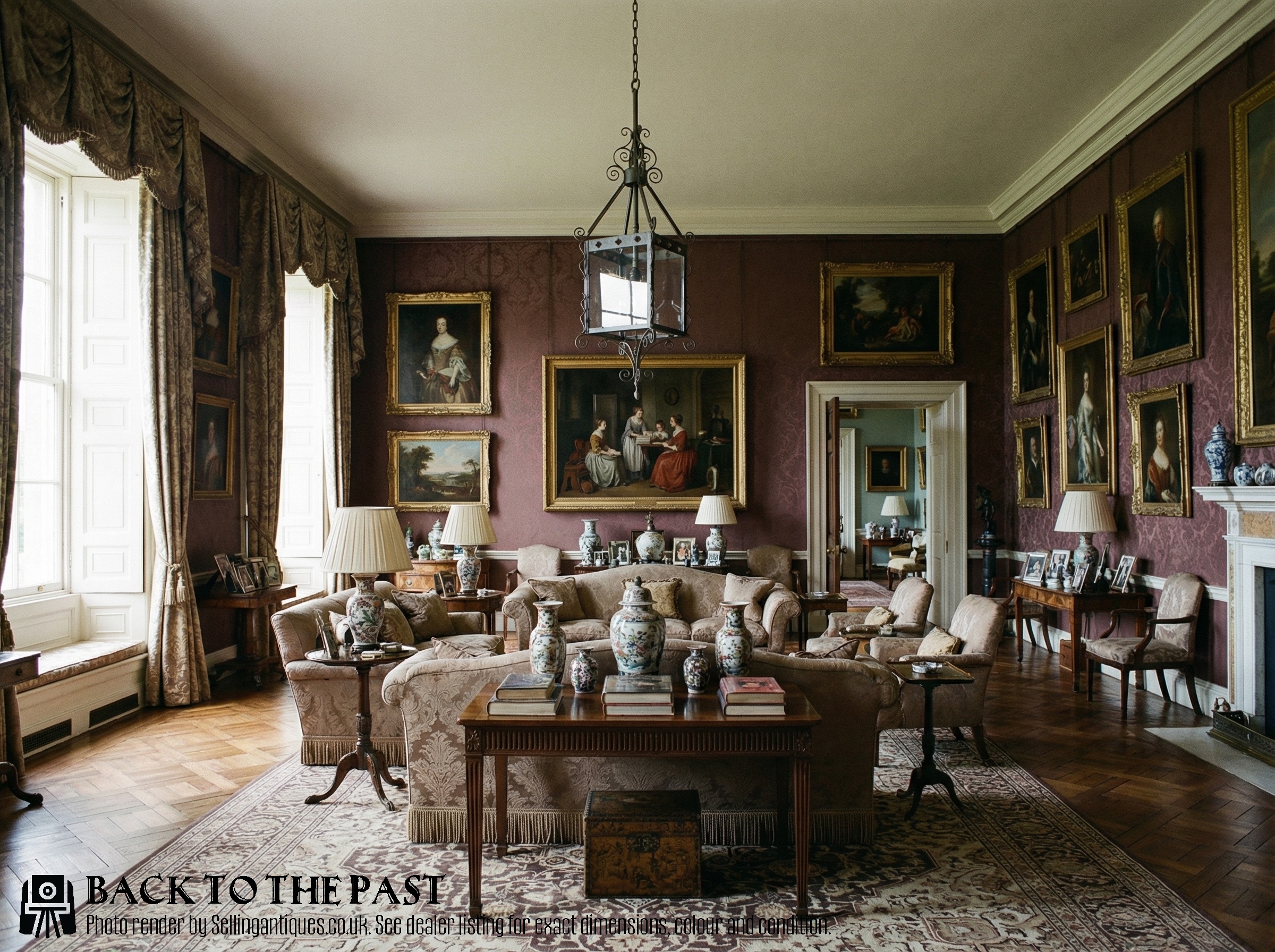
These lanterns suit entryways, corridors, and high-ceilinged stairwells where vertical space allows adequate clearance below the fixture. Their enclosed design protects the light source from drafts in busy transitional areas.
Positioning the fixture centrally ensures balanced illumination across the threshold and highlights surrounding architectural details.
How do I identify French styles?
French lighting designs often incorporate neoclassical or rococo motifs, featuring cast bronze frames adorned with foliate scrolls, urns, or asymmetric curves. The metalwork on these pieces typically displays refined surface chasing.
English equivalents tend to rely on more austere geometric forms, such as simple hexagonal brass or wrought iron frames.
What metals were used historically?
Period lighting primarily utilises brass, bronze, and wrought iron for structural support and decorative framing. Many bronze and brass frames received gilt or silvered surface treatments to increase reflectivity.
Wrought iron versions appeared in plainer domestic settings, relying on forged strength rather than applied metallic leaf.
Are these fixtures suitable for modern wiring?
Most antique hanging lights accommodate standard electrical lamp holders fitted during restoration or later adaptation. Internal space permits modern wiring configurations while retaining the original exterior frame.
Consulting a qualified electrician ensures safe installation and compatibility with existing ceiling junction boxes.