
Antique Foyer Lighting
Antique foyer lighting brings period character and welcoming illumination to an entrance hall.
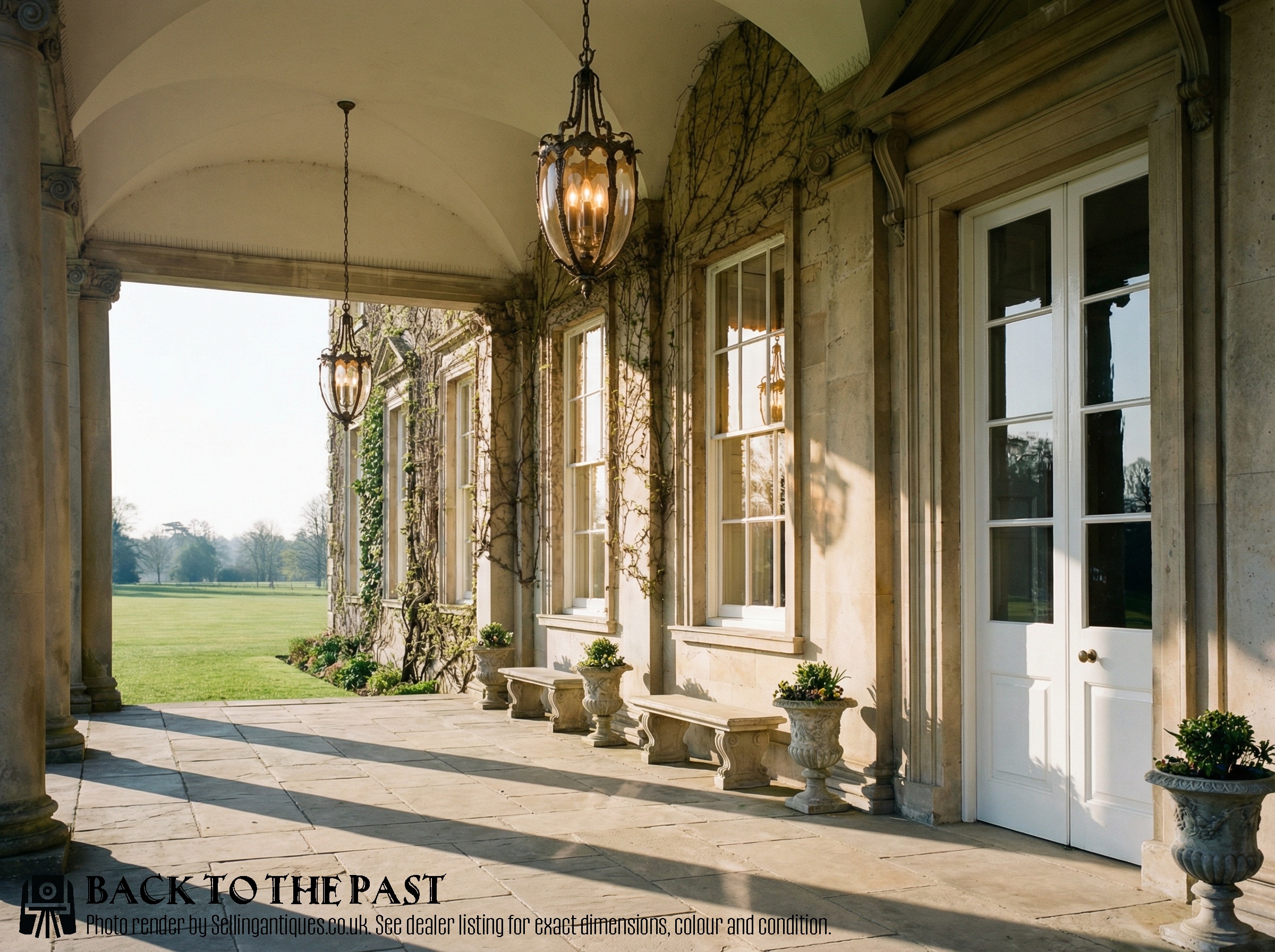
What antique foyer lighting is
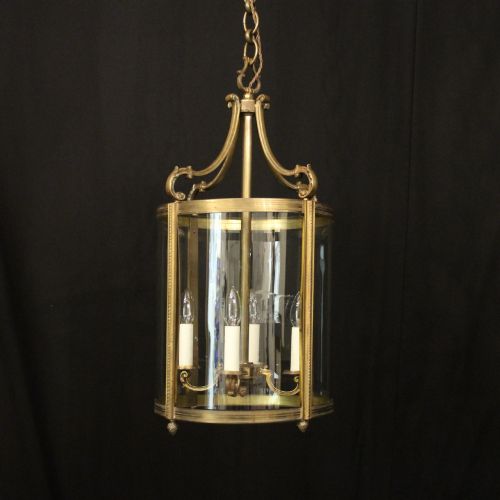
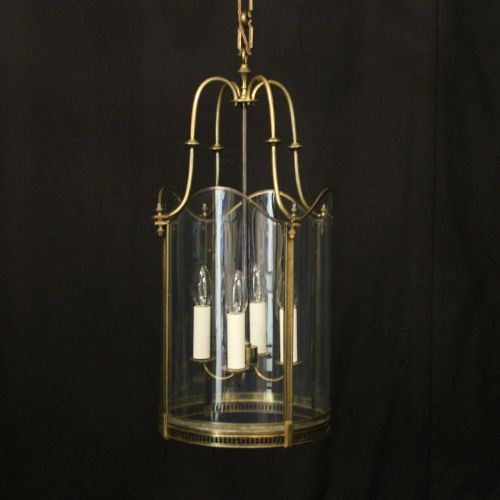
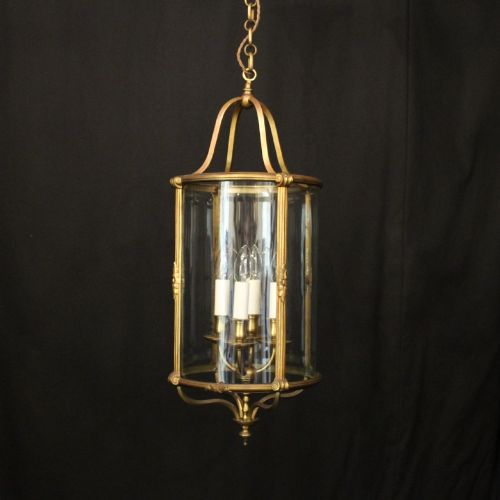
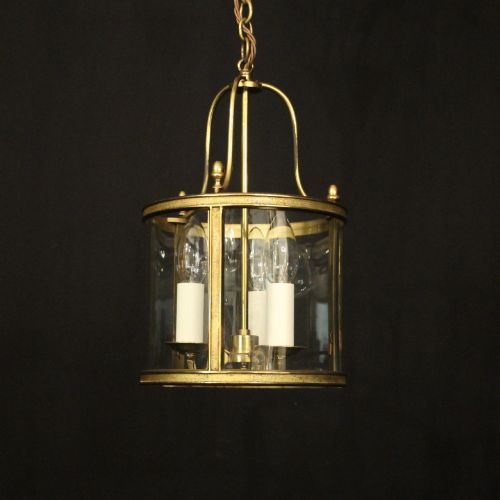
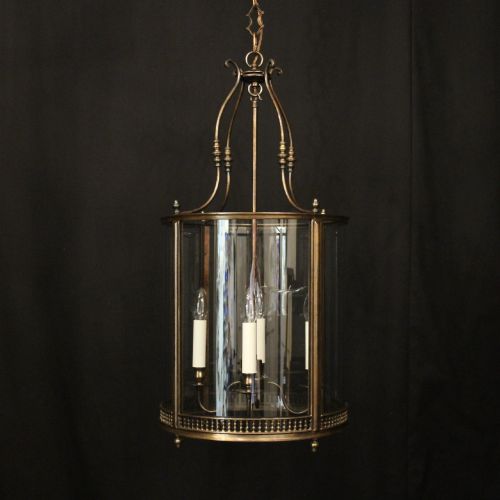
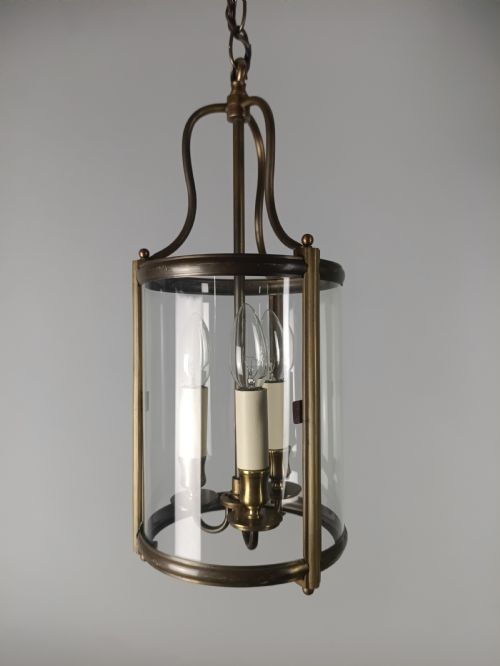
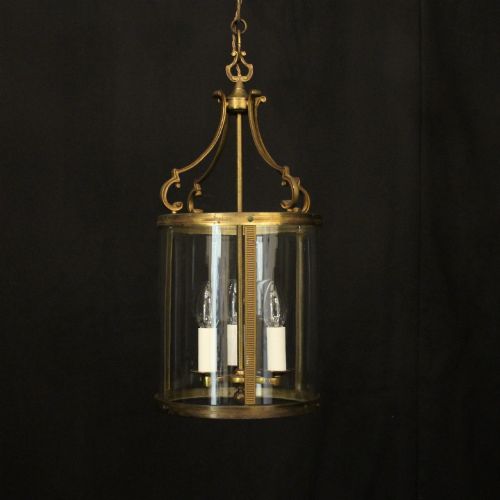
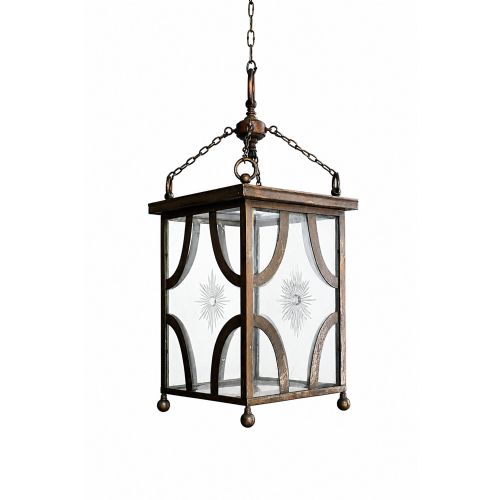
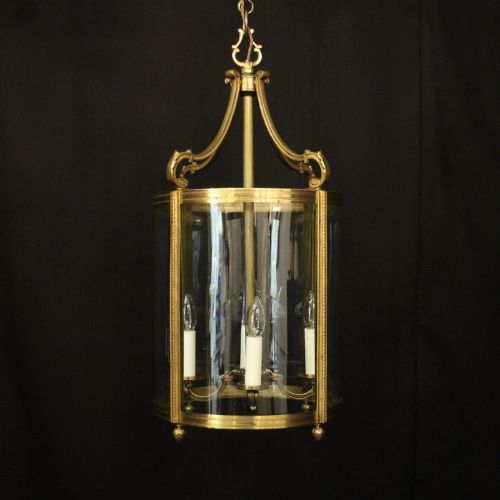
When buyers search for antique foyer lighting, they encounter functional entrance hall fixtures that combine glass and metal to illuminate entryways. These pieces primarily take the form of hall lanterns, ceiling lights, and pendant lights designed to hang in vestibules and corridors.
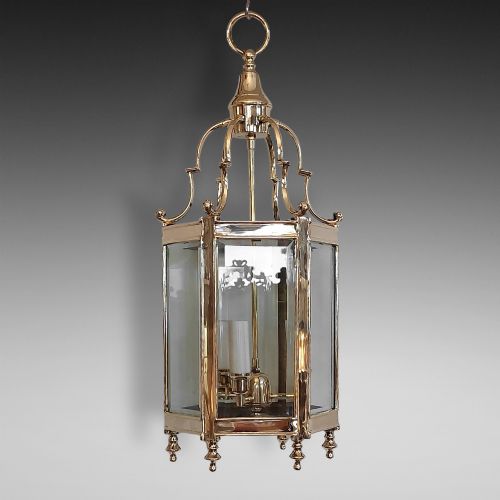
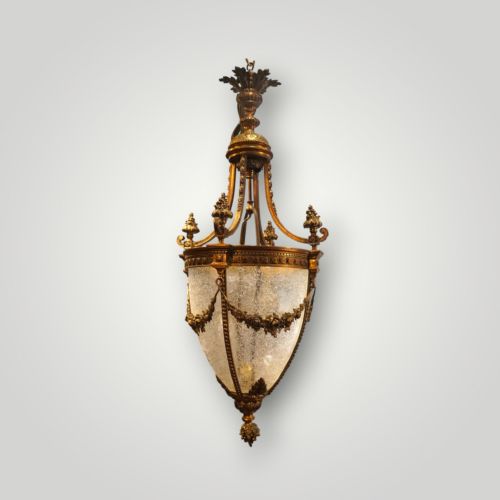
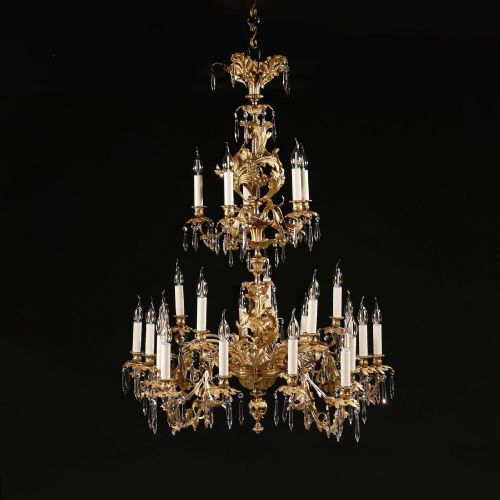
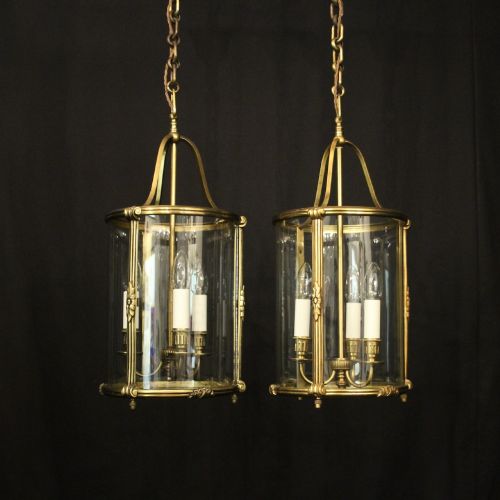
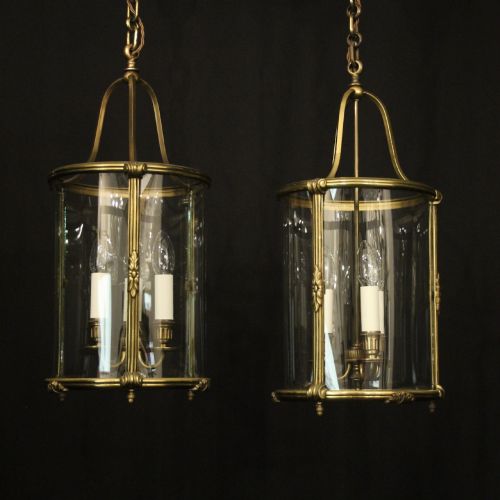
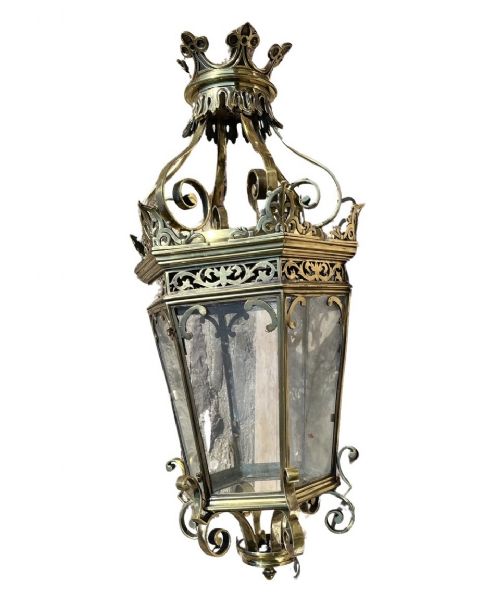
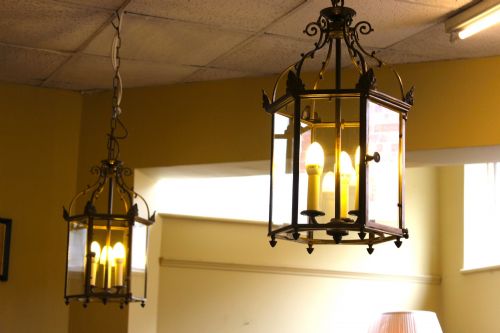
French neo-classical and French rococo influences appear alongside Victorian and Edwardian examples. Buyers will frequently meet brass hexagonal lanterns and pairs of gilded bronze or silver gilded bronze fixtures in this category.
How they were made
Makers constructed these fixtures using robust metals such as brass, gilded brass, and gilded bronze to form structural frames. Glass panels and cut glass shades were then fitted into the metal frameworks to enclose the light source.
Surface treatments included silver gilding and standard gilding applied to bronze and brass bases. Metalworking techniques shaped hexagonal geometries and detailed mounts that secured the glass securely within each lantern.
Retail Price Guide 2026
Typical UK retail prices for foyer lighting, calculated from the Sellingantiques database of over a million retail prices indexed since 2003. This retail price guide relies exclusively on Sellingantiques data; no external sources or auction records are used, so the figures do not describe the wider market.
Hexagonal lanterns ensure your hallway lighting has six sides to ponder while you search for your keys.
What varies in quality
Quality in these fixtures rests on the weight of the metal and the precision of the glasswork. Substantial brass and bronze frames with cleanly cut or convex glass panels demonstrate superior manufacture compared to lighter, simpler alternatives.
The refinement of decorative surface finishes, such as silver gilding on bronze, separates standard production from finer examples. Intricate framing and well-preserved original gilding elevate the visual impact of a hall lantern.
The Antique Foyer Lighting Glossary
- Hall lantern
- A ceiling-hung lighting fixture enclosed in glass and metal, designed specifically for corridors and entrance spaces. These pieces project light downward while protecting the flame or bulb from drafts.
- Hexagonal lantern
- A lighting fixture featuring a six-sided geometric frame fitted with glass panes. This shape distributes light evenly across an entryway.
- Gilded bronze
- Bronze metal treated with a thin layer of gold leaf or gold paint to enrich its appearance. This material provides a durable and decorative surface for French neo-classical designs.
- Cut glass
- Glass that has been faceted or patterned by grinding and polishing. It refracts light to create bright, sparkling illumination within a room.
Frequently Asked Questions
Where should I hang a hall lantern?
Hall lanterns belong in entrance spaces, vestibules, and corridors where ceiling height permits suspended fixtures. They provide primary overhead illumination for arriving guests.
Ensure there is adequate clearance beneath the fixture for doors to open fully and for people to pass underneath comfortably.
What styles are common in antique foyer lighting?
Common styles include Edwardian, Victorian, and French neo-classical designs. These pieces often feature brass frames and glass panels.
French rococo influences also appear, alongside simpler early twentieth-century interpretations.
How do I identify an Edwardian lantern?
Edwardian lanterns typically date from the early twentieth century and often feature hexagonal brass frames combined with glass shades. They balance decorative metalwork with functional illumination.
Comparing the construction details and metal patination helps distinguish Edwardian pieces from nineteenth-century examples.
Are these lights suitable for modern wiring?
These fixtures accommodate electrical conversion for modern domestic use while retaining their original exterior appearance. Professional rewiring ensures safety standards are met.
Consult a qualified electrician to adapt period lanterns for contemporary bulb types and ceiling fittings.