
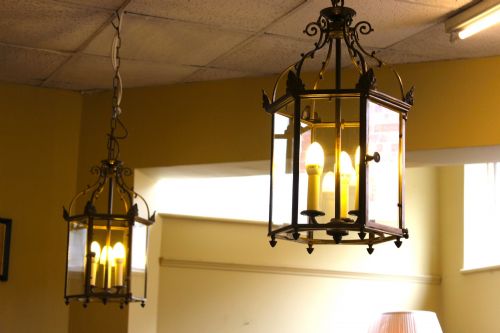


Pair Hanging Lanterns
Pair hanging lanterns bring balanced light and architectural presence to a hallway or entrance, offering matching illumination from above.
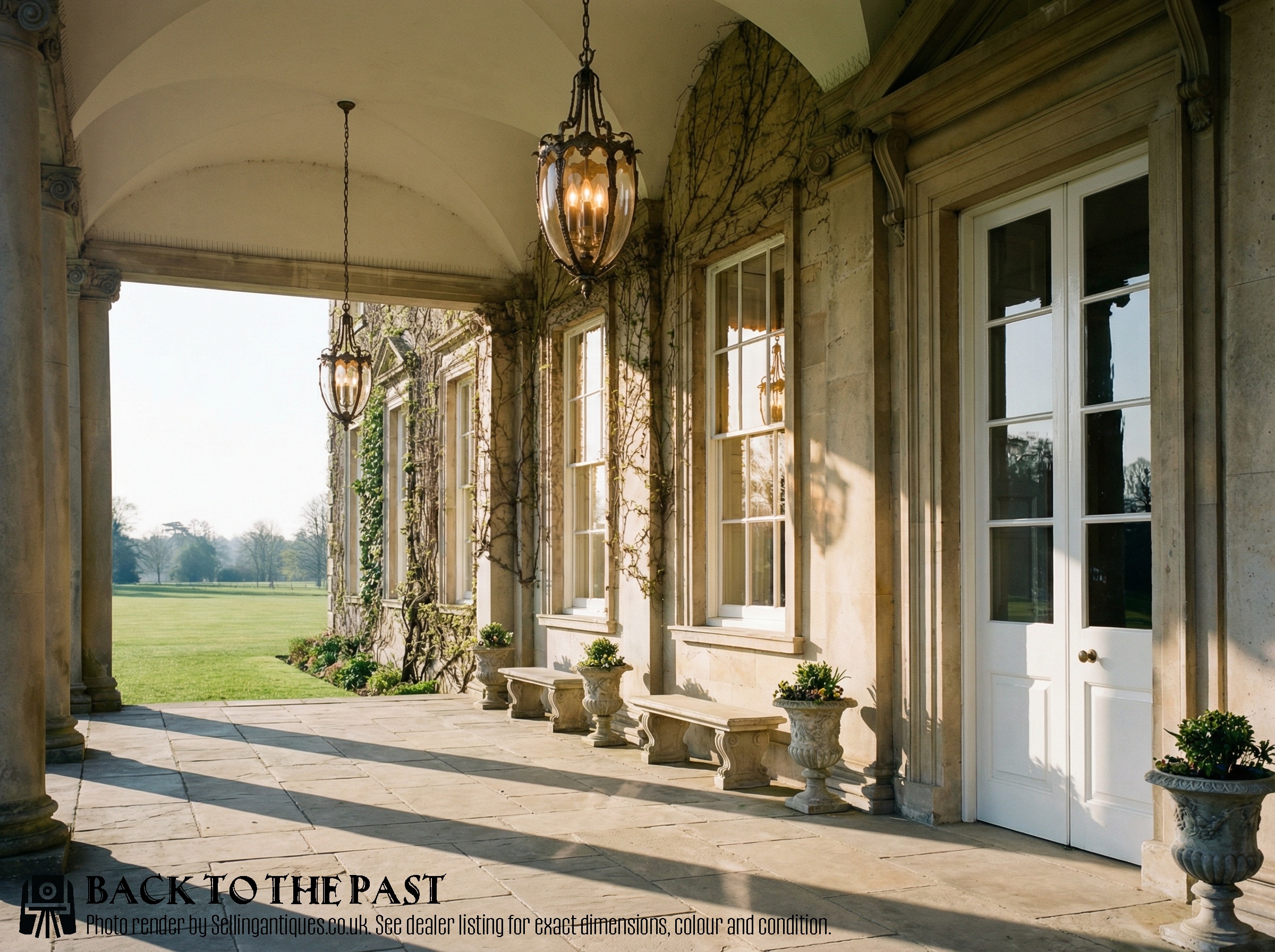
What pair hanging lanterns are
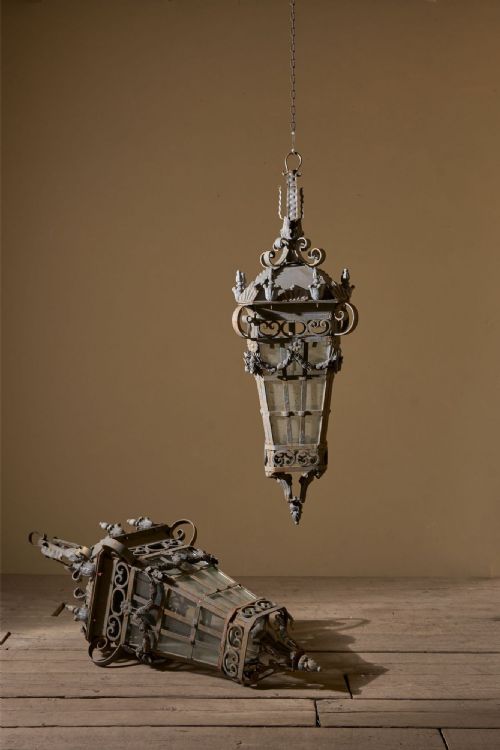
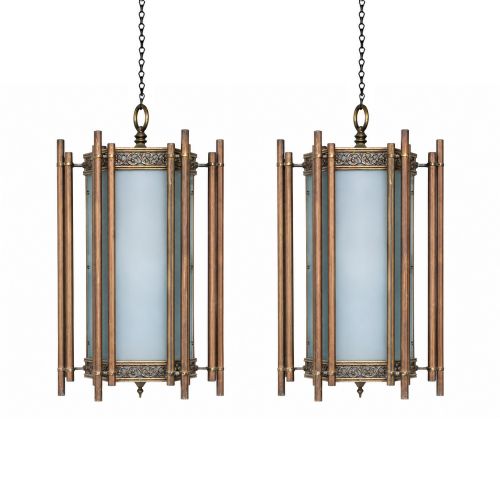
Pair hanging lanterns are matching suspended light fixtures designed primarily for entrance halls, corridors and principal rooms. The selection includes examples originating from the Victorian period through to the 1920 and 1930 decades. Most pieces encountered here stem from French workshops or follow Arts and Crafts design principles.
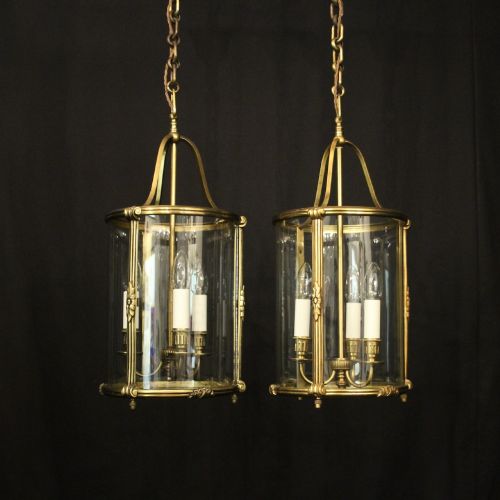
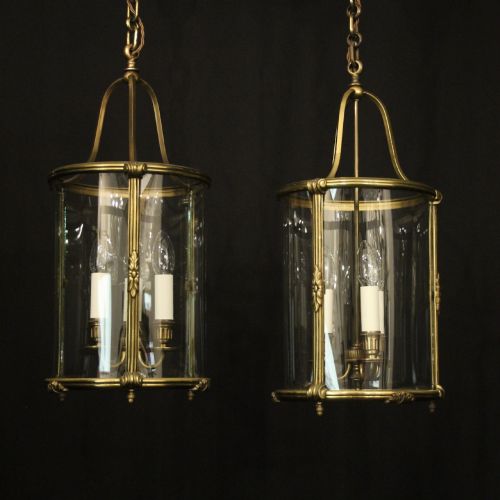
Forms span simple cylindrical brass shapes to elaborate French Neoclassical and Rococo interpretations. Materials range from traditional polished steel and wrought iron to gilt bronze and copper fitted with glass panels. Buyers select these pairs to establish symmetrical illumination and character in period interiors.
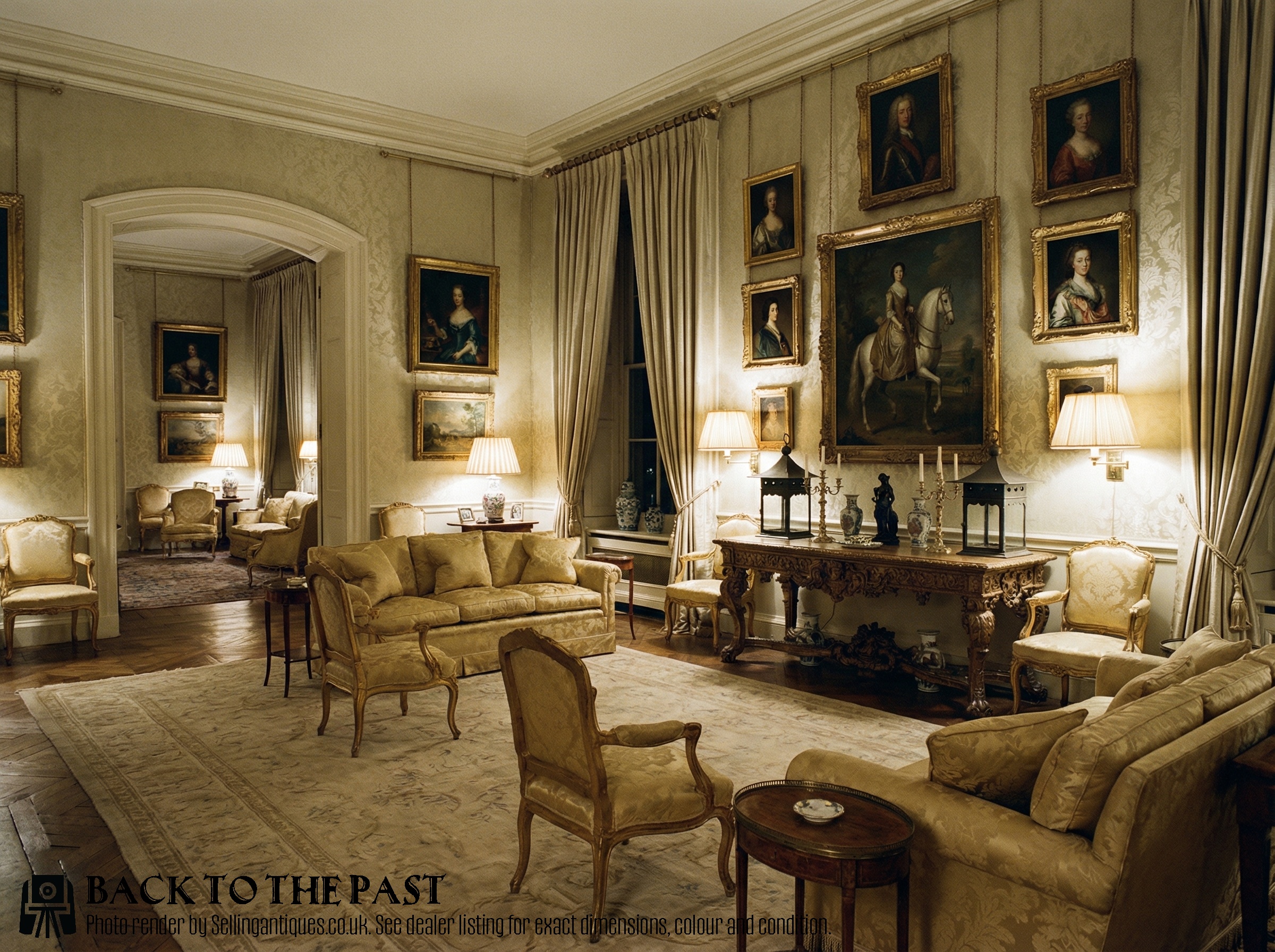
How they were made
Construction relies on structural frames formed from metals such as brass, steel, wrought iron, copper and gilt bronze. Artisans shaped these metallic components by hand, incorporating decorative casting or forging techniques depending on the chosen style.
Panels of glass, cut glass or curved convex glass were then fitted into the metallic armature to enclose the internal light source. Many examples utilise multi-light configurations housed within these glazed and metal frameworks.
Retail Price Guide 2026
Typical UK retail prices for pair hanging lanterns, calculated from the Sellingantiques database of over a million retail prices indexed since 2003. This retail price guide relies exclusively on Sellingantiques data; no external sources or auction records are used, so the figures do not describe the wider market.
Listings feature pieces spanning the Victorian era through to the 1920 and 1930 decades, constructed from brass, steel, copper and gilt bronze.
What varies in quality
Quality separates simple utility pieces from ambitious decorative works through the refinement of the metalwork and glass selection. Superior examples display crisp chasing on gilt bronze mounts, finely fitted convex glass or hand-beaten copper surfaces that reflect careful craftsmanship.
The choice of materials also dictates distinction, moving from standard brass or iron frames to silver gilded bronze or complex cut glass configurations. Proportion and decorative ambition distinguish standard hallway lighting from high-status French chateau or neoclassical fixtures.
The Pair Hanging Lanterns Glossary
- Convex glass
- Curved glass panels that project outward to diffuse light across a wider angle. This technique appears on specific French lanterns.
- Hall lantern
- A suspended light fixture specifically proportioned for narrow corridors and entrance spaces. These typically hang close to the ceiling on chains or rods.
Frequently Asked Questions
Where should pair hanging lanterns be hung?
These fixtures suit spaces requiring balanced illumination, such as entrance halls, long corridors or flanking a main doorway. Hanging them at a height that clears head traffic ensures both safety and correct visual proportion.
Matching pairs create symmetry when suspended side by side or placed across a large architectural space. Their enclosed frames direct light outward and downward effectively.
How do I identify a Victorian lantern?
Victorian examples often align with Arts and Crafts ideals, utilising materials like copper and iron with straightforward construction methods. The evidence shows these pieces date from the nineteenth century.
They generally feature less surface gilding than French neoclassical counterparts, focusing instead on honest metalwork and functional glass panels. Examining the primary material helps confirm the period.
What styles are available?
The selection encompasses French Neoclassical, French Rococo, Arts and Crafts and French Chateau styles. Each brings a distinct decorative vocabulary to the metal frames and glasswork.
Early twentieth century pieces also introduce Art Deco influences alongside traditional brass and steel configurations. Matching the style to your interior architecture ensures a cohesive appearance.
Are these lanterns wired for modern electricity?
Many vintage and antique hanging fixtures have been adapted over time to accept modern internal electrical components. Checking individual listings confirms the current wiring status.
Buyers should consult a qualified electrician to install and test hanging fixtures safely in a domestic setting.