

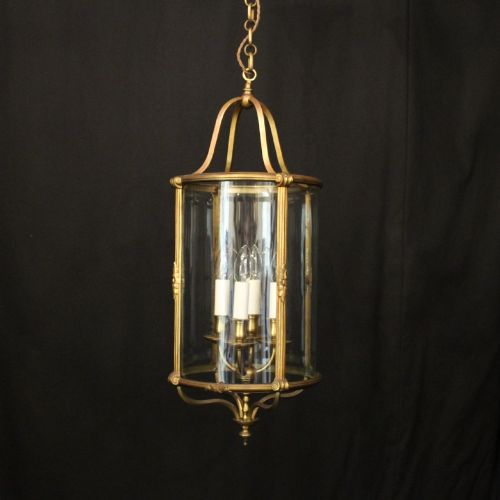
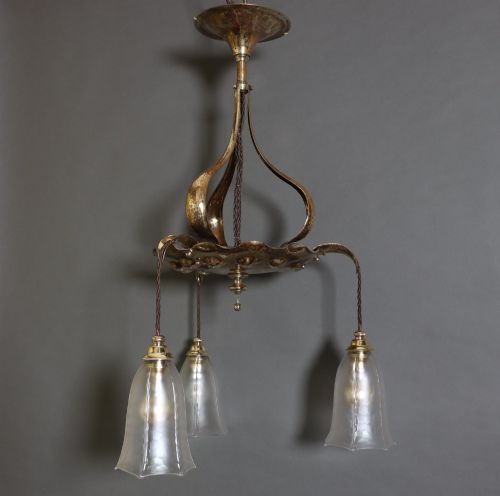
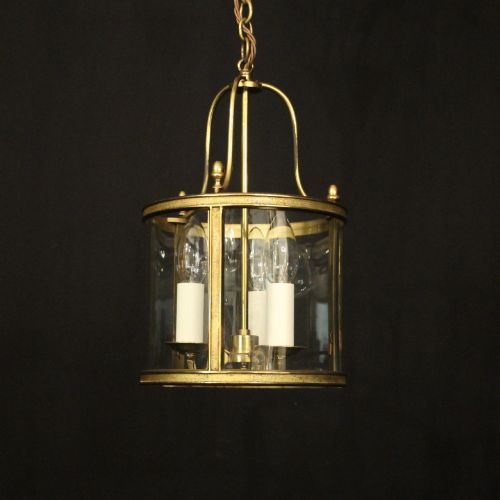
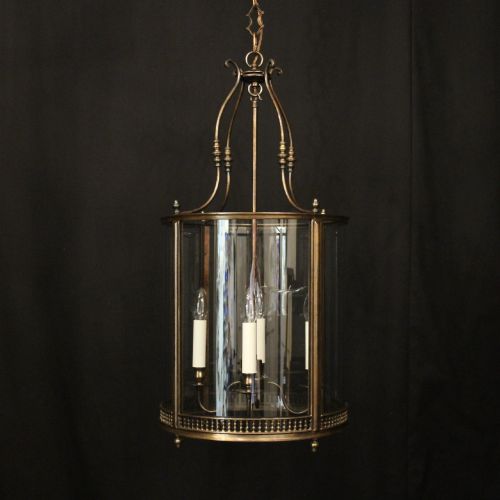
Brass Ceiling Lantern
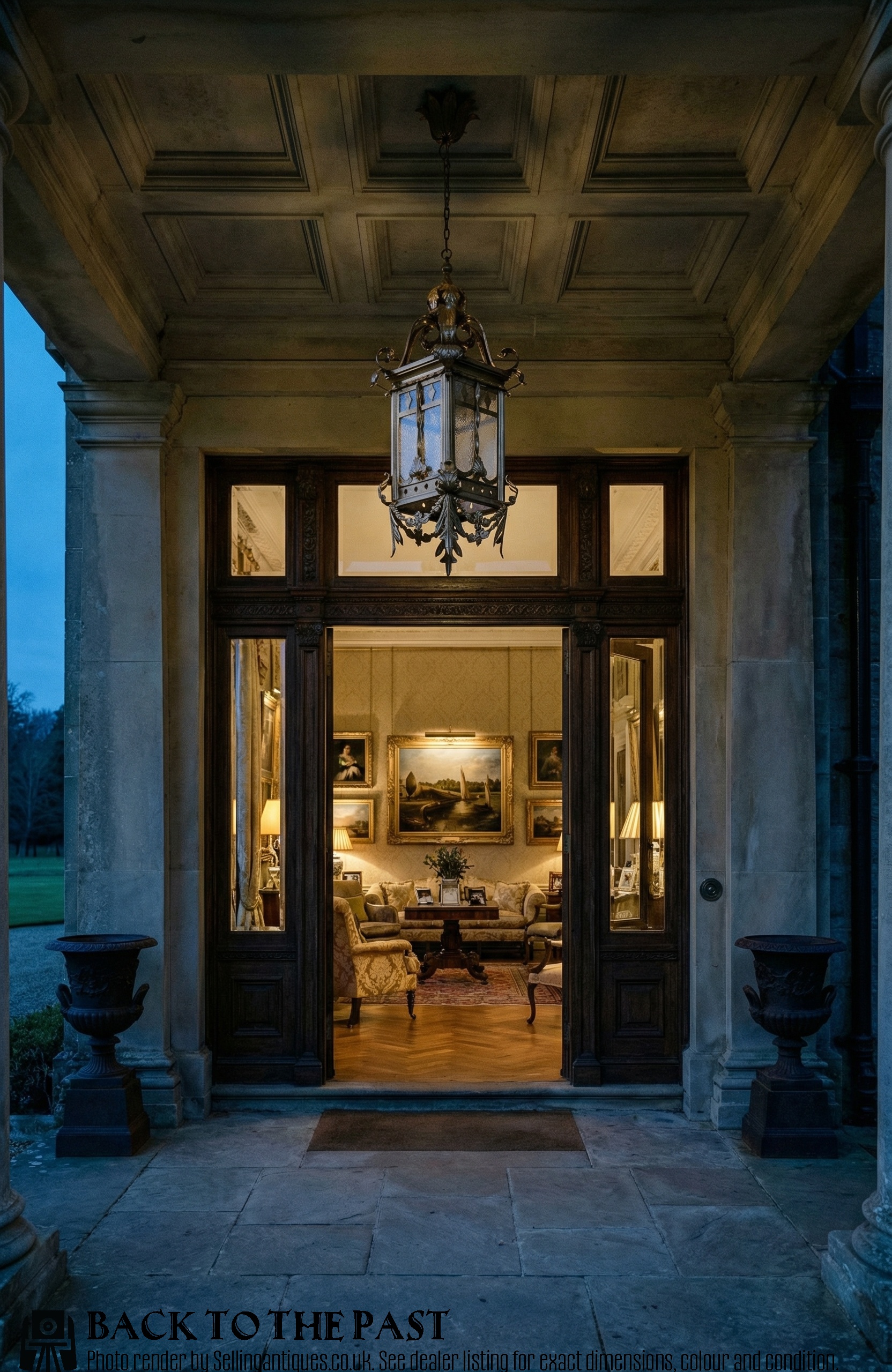
A brass ceiling lantern brings architectural presence to a hallway, combining cast metalwork and glass to illuminate entryways.
Identifying your brass ceiling lantern
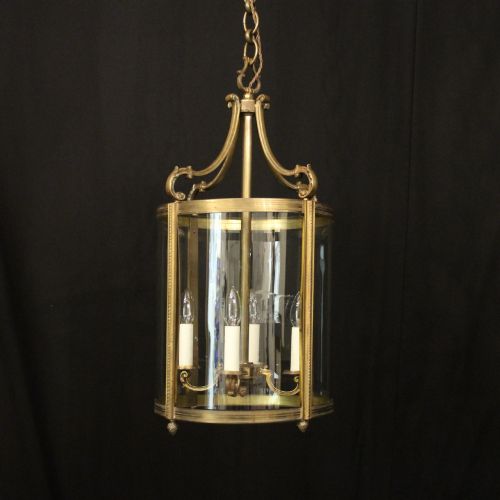
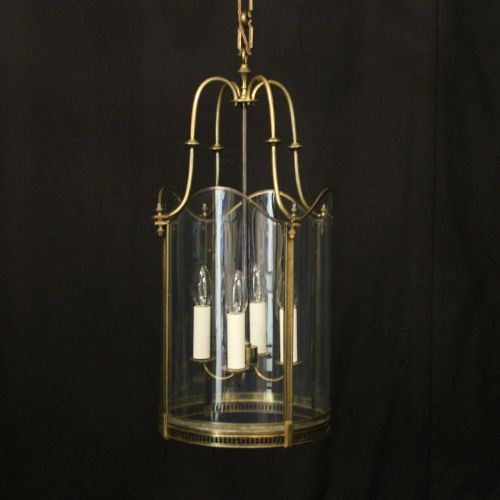
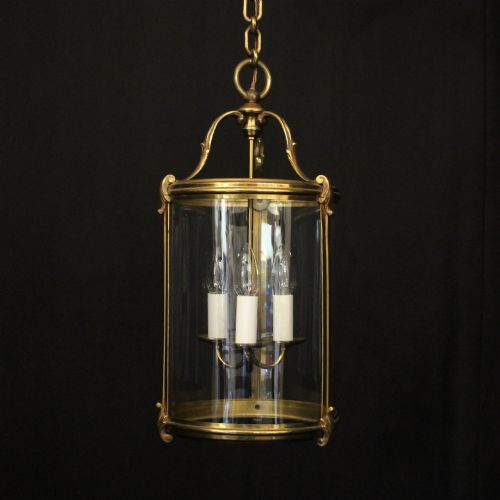
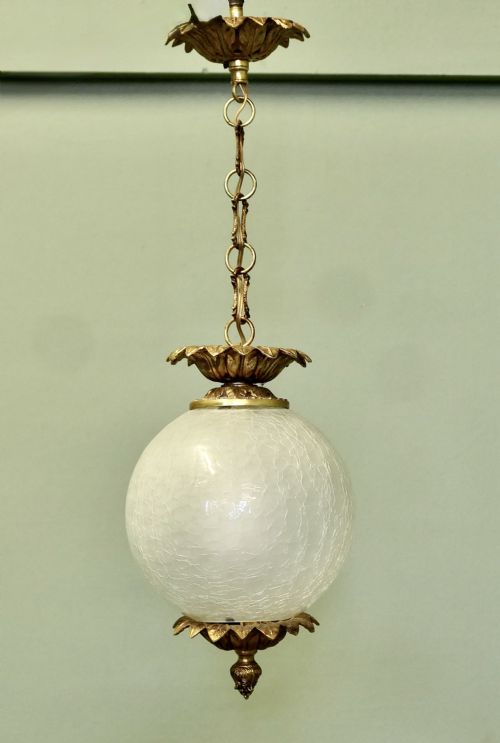
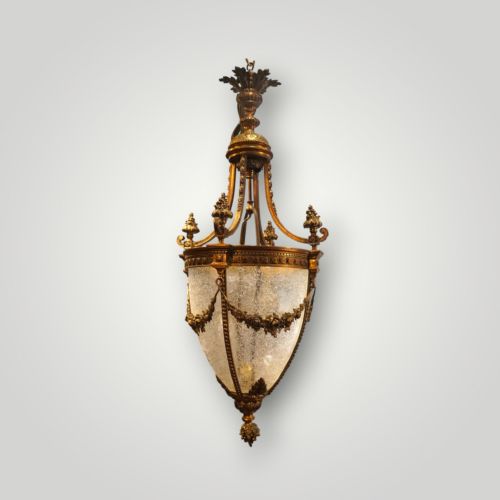
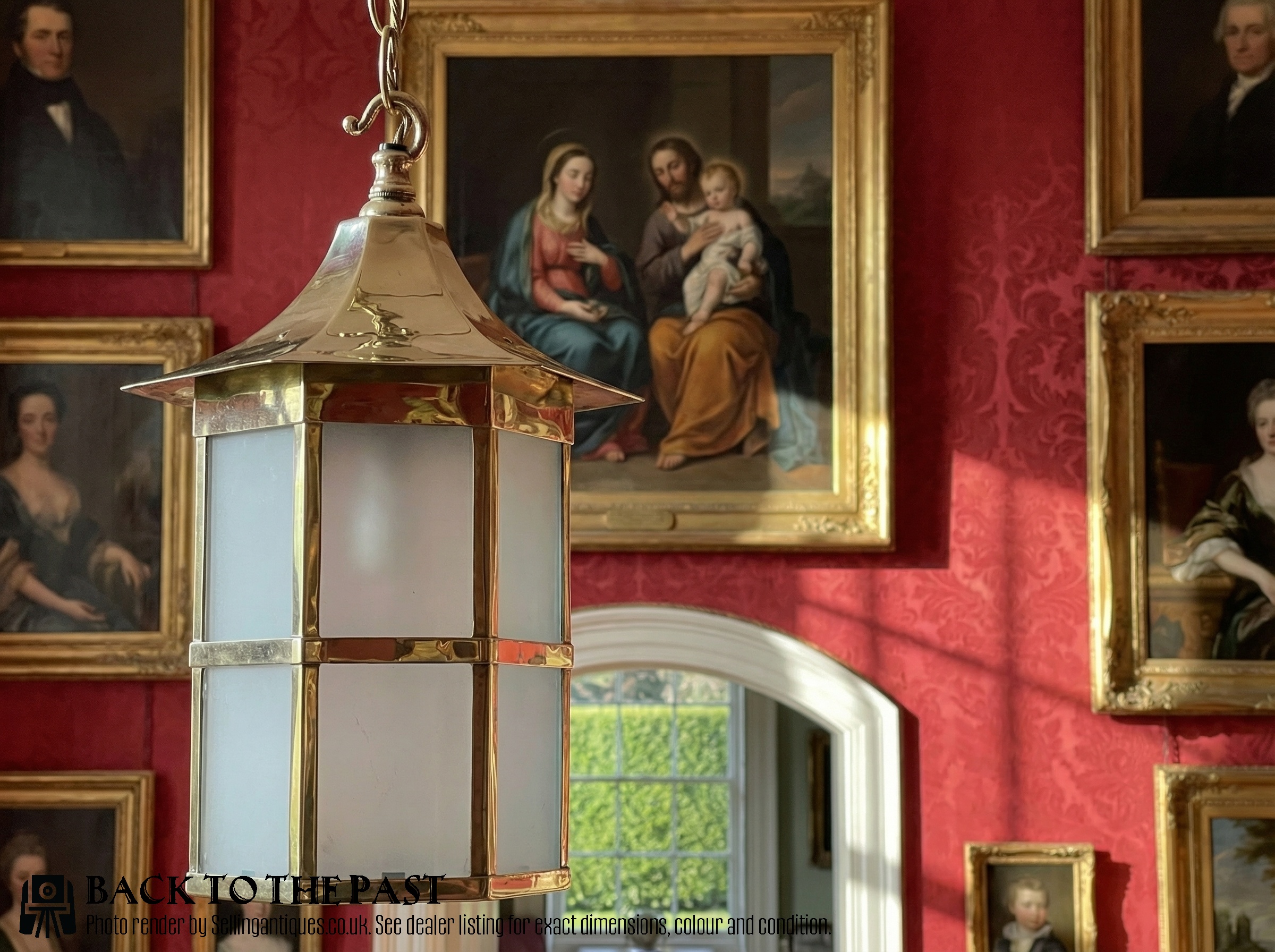
A brass ceiling lantern functions primarily as an overhead light fixture designed for hallways, porches, and vestibules. These hanging fixtures appear in configurations ranging from single-bulb pendants to multi-light chandeliers and twin-light setups.
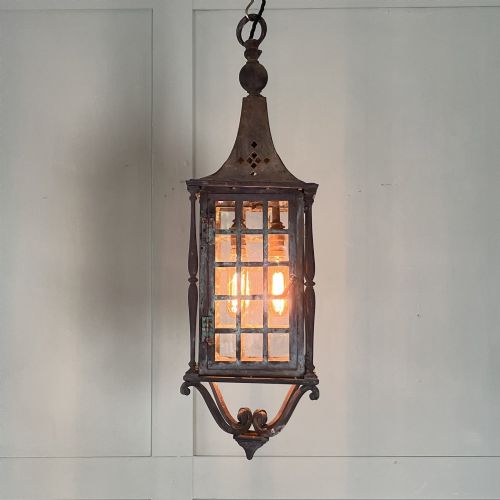
The pieces on this page span the Victorian and Edwardian eras through to the nineteen-twenties, nineteen-thirties, and nineteen-forties. Stylistic influences include French Rococo Revival, Gothic Revival, French Classical, and French Chateau designs.
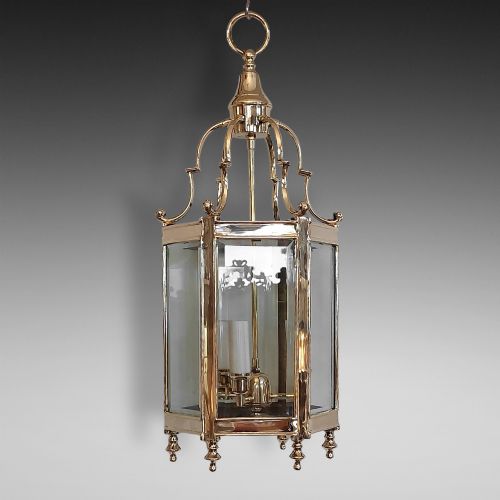
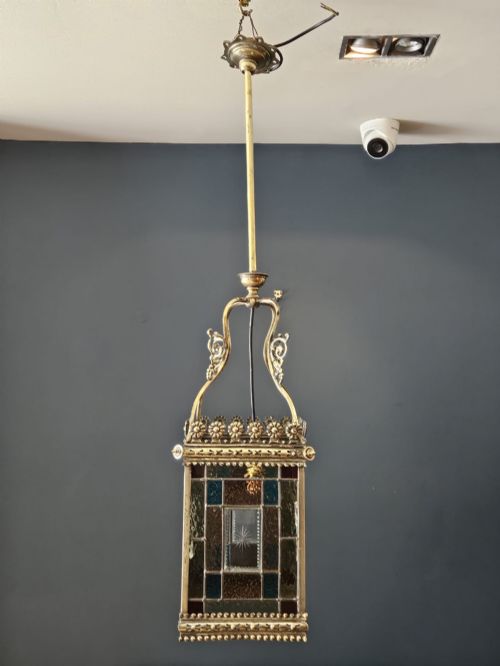
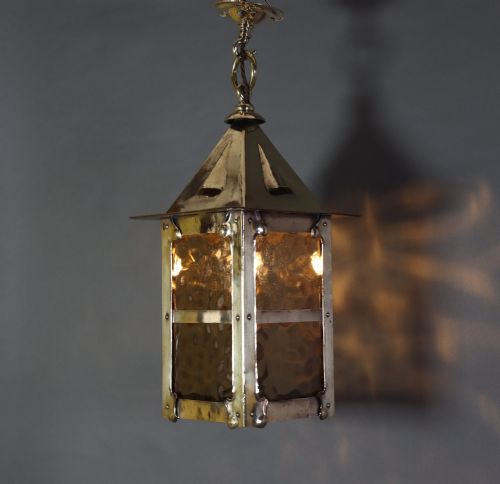
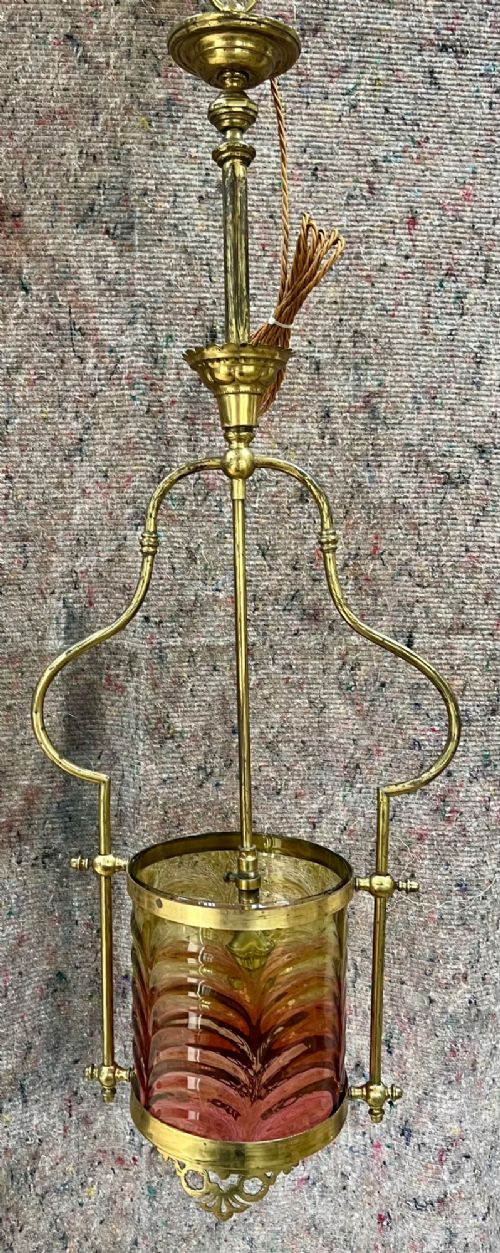
Forms vary from hexagonal and octagonal shapes to cylindrical and square profiles. Many examples incorporate hanging chains and ceiling roses for suspension.
Materials and construction
Constructed primarily from brass, gilt bronze, steel, and copper, these fixtures rely on metal framing to support various glass panels. Metalwork is polished, cast, or gilded to achieve different surface finishes.
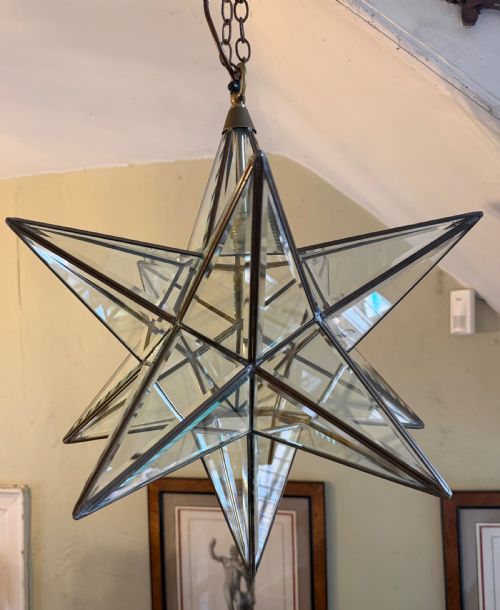
Panels utilise clear, bevelled, frosted, opaque, and stained glass inserted into the metal frameworks. Many surviving examples have been updated with modern electrical wiring while retaining their historic metal and glass components.
Retail Price Guide 2026
Typical UK retail prices for brass ceiling lantern, calculated from the Sellingantiques database of over a million retail prices indexed since 2003. This retail price guide relies exclusively on Sellingantiques data; no external sources or auction records are used, so the figures do not describe the wider market.
Some lanterns were originally designed to guide guests through fog before indoor gaslight took over.
Distinguishing quality in lantern construction
Quality rests in the weight and detail of the metal casting, from simple folded brass frames to heavy cast bronze and intricate gilt metalwork. Superior pieces display crisp decorative motifs and substantial metal thickness.
The glass selection dictates refinement, separating standard clear panes from bevelled, textured, or stained glass windows that demand greater skill in manufacture. The integration of original components like ceiling roses and hanging chains also affects the overall integrity of the piece.
The Brass Ceiling Lantern Glossary
- Ceiling rose
- The decorative plate attached to the ceiling that covers the wiring and anchors the suspension chain. It provides a finished architectural transition between the ceiling and the hanging fixture.
- Bevelled glass
- Glass panes featuring an angled edge ground down around the perimeter. This treatment catches and refracts light across the room.
- Gilt bronze
- Bronze metal coated with a thin layer of gold or gold-coloured alloy. Also known asormolu, this finish provides a rich, lustrous appearance that resists tarnishing.
- Gothic Revival
- An architectural and decorative style drawing inspiration from medieval forms. Pieces in this style often feature pointed arches and ecclesiastical detailing.
- Hexagonal
- A geometric shape possessing six sides and six angles. Many period lanterns utilise this multi-sided form to distribute light evenly.
Frequently Asked Questions
Where should I hang a brass ceiling lantern?
These fixtures suit entryways, corridors, and high-ceilinged landings where vertical space allows for a hanging light. They serve as primary overhead illumination while adding architectural character to transitional spaces.
Ensure adequate clearance beneath the fixture based on foot traffic and door swings. Hallways and porches benefit particularly from the directional illumination provided by enclosed glass panels.
How do I date a brass ceiling lantern?
Dating relies on stylistic clues, metal types, and construction methods visible in the frame and glass. Victorian and Edwardian examples often feature heavier cast brass and stained glass, whereas later twentieth-century pieces lean towards streamlined Art Deco or simpler geometric forms.
Examining the wiring components, chain links, and ceiling roses can also offer clues regarding the age of the fixture. Many surviving examples have been rewired for contemporary electrical standards while preserving the historic body.
Are these lanterns suitable for low ceilings?
Most hanging lanterns require sufficient vertical drop for the suspension chain and ceiling rose to hang properly. Placing them in low-ceilinged areas may restrict movement or obstruct doorways.
Some designs feature shorter suspension systems or flush-mounting capabilities that adapt better to restricted vertical spaces. Review the overall height measurements before selecting a fixture for your room.
How do I clean an antique lantern?
Dust glass panels regularly with a soft, dry cloth to maintain clarity and brightness. Avoid abrasive cleaners on polished or gilded brass surfaces to preserve the original finish and patina.
Inspect electrical connections periodically and consult a professional electrician for maintenance involving internal wiring. Gentle care ensures the metalwork and glass remain secure within their frames.