


Architectural Salvage Lighting
Architectural salvage lighting brings industrial character and period presence into modern spaces through surviving street lamps, lanterns and ceiling roses.
Architectural salvage lighting
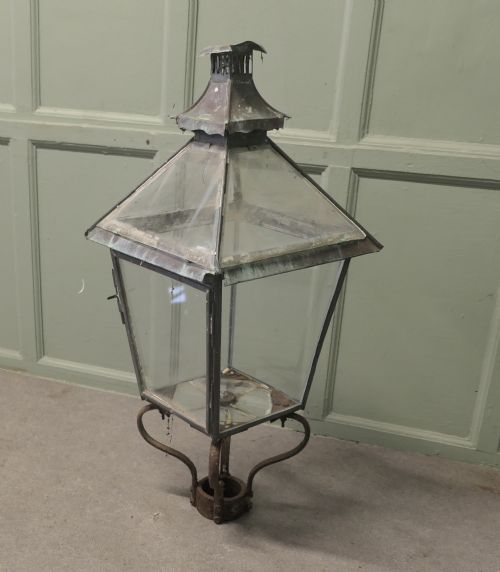
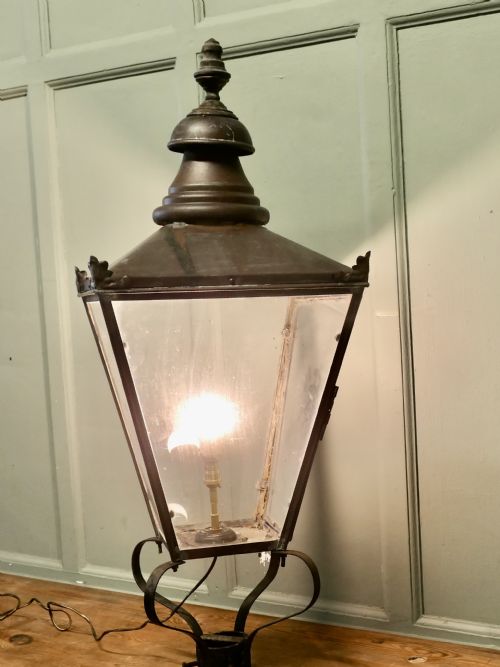
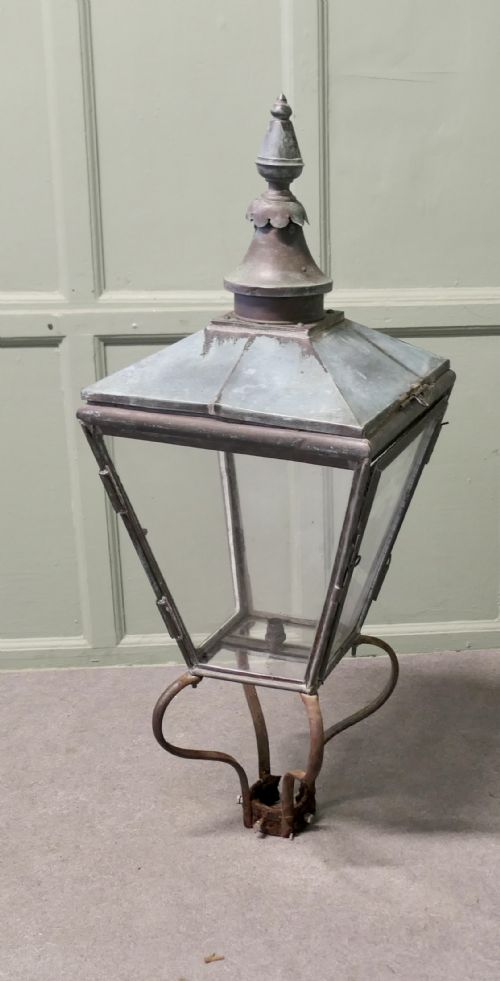
Architectural salvage lighting encompasses outdoor lanterns, street lights, lamp posts and ceiling roses drawn from nineteenth and early twentieth century buildings and streetscapes. Buyers search for these pieces to anchor interiors or gardens with authentic industrial and Victorian provenance.
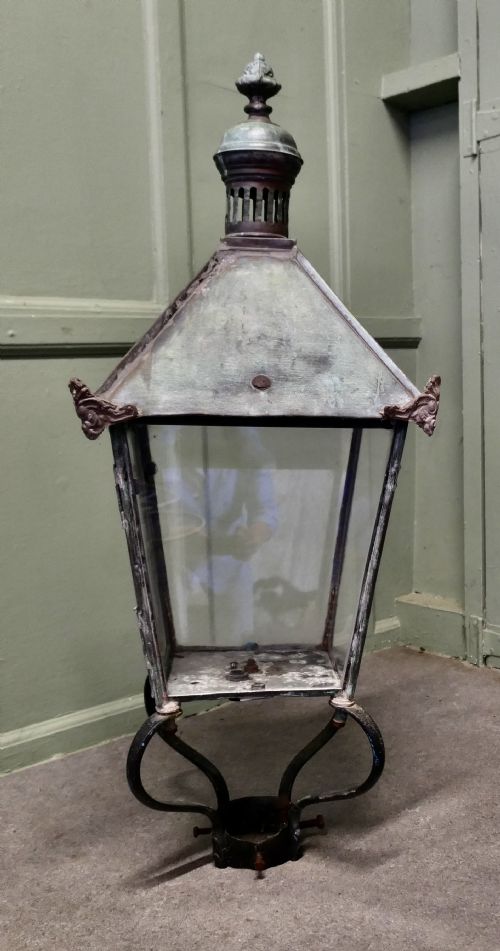
The selections encountered most frequently on this page feature copper, cast iron and brass construction, often taking the form of large outdoor lanterns and street lamps. Examples range from mid nineteenth century copper lanterns to ceiling roses and swan neck lamp posts from the nineteen thirties.
Materials and construction
These fixtures utilise robust metals suited for exterior endurance, combining copper, cast iron, wrought iron and cast brass. Glass panels complete the lanterns, while original painted finishes often survive beneath layers of later patination.
Maker signatures and regional foundry stamps occasionally appear on structural components, linking specific items to historic industrial hubs. The manufacturing techniques reflect heavy duty public and domestic utility work from the Victorian and Edwardian eras.
Retail Price Guide 2026
Typical UK retail prices for architectural salvage lighting, calculated from the Sellingantiques database of over a million retail prices indexed since 2003. This retail price guide relies exclusively on Sellingantiques data; no external sources or auction records are used, so the figures do not describe the wider market.
Some street lamps bear the industrial stamp of Bradford and Tipton, carrying municipal history right into the modern hallway.
Assessing quality
Quality in these pieces rests upon the integrity of the original metalwork and the preservation of authentic surface patination. Heavy gauge copper and crisp casting in iron or brass distinguish superior examples from standard utility output.
The presence of maker inscriptions or complete mounting hardware elevates a fixture beyond standard salvaged material. Original glass and intact structural joins separate standard utilitarian survivors from exceptional decorative focal points.
A Foster and Pullen Bradford·Revo Tipton
The Architectural Salvage Lighting Glossary
- Lantern
- An enclosed protective housing for a light source, typically constructed with metal frames and glass panels. They were designed to withstand outdoor weather exposure on streets and gates.
- Ceceiling Rose
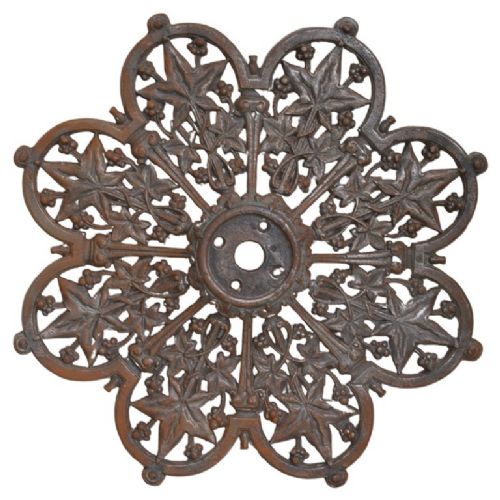
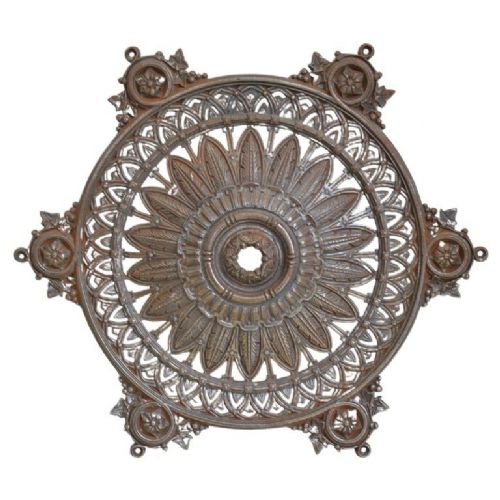
- A decorative circular plaster or metal moulding fixed to the ceiling from which a pendant light hangs. The brass examples provide ornate architectural detail around wiring entry points.
- Swan Neck
- A curved metal mounting arm extending outward from a wall or lamp post. This profile positions the light source clear of the building facade.
- Patina
- The surface texture and coloration developed through age, exposure and use over decades. This weathered skin proves authenticity in antique metal and paint.
Frequently Asked Questions
What periods do these lights come from?
The pieces span the nineteenth century, the Victorian era, and into the early twentieth century around nineteen thirty. This range captures both heavy industrial utility design and ornate domestic ornamentation.
Items reflect the manufacturing methods and material choices typical of their specific decade, from mid nineteenth century copper work to early twentieth century municipal street furniture.
What materials are used in these fittings?
Construction relies heavily on durable metals including copper, cast iron, wrought iron and cast brass. Glass panels and original painted surfaces frequently accompany the metal frames.
These robust materials were originally specified for exterior public lighting and substantial architectural settings, ensuring their survival across generations.
How were street lamps originally mounted?
Street lamps and lanterns were secured to exterior walls, gate posts, or dedicated metal lamp posts. Swan neck brackets allowed fixtures to project outward from vertical surfaces.
This mounting variety meant lighting could illuminate pathways, carriage entrances and public thoroughfares effectively.
Are ceiling roses made of brass?
Yes, surviving architectural examples can be cast in brass with decorative detailing. These items were fitted to interior ceilings to embellish the point where light fixtures met the room.
They offer a distinct metallic alternative to standard plaster ceiling ornaments from the same period.