



Patinated Copper Lights
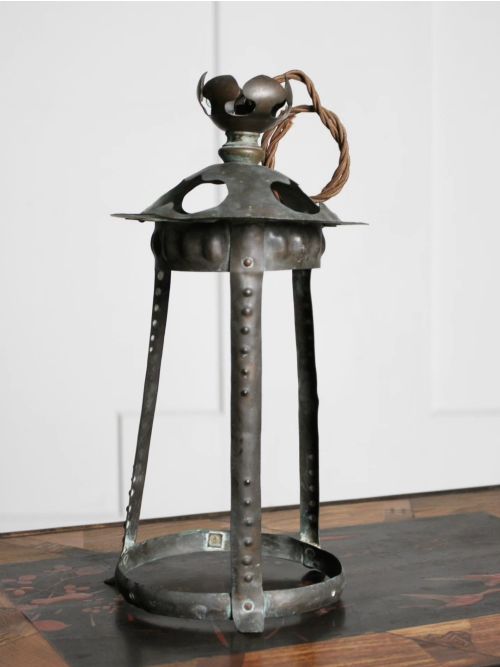
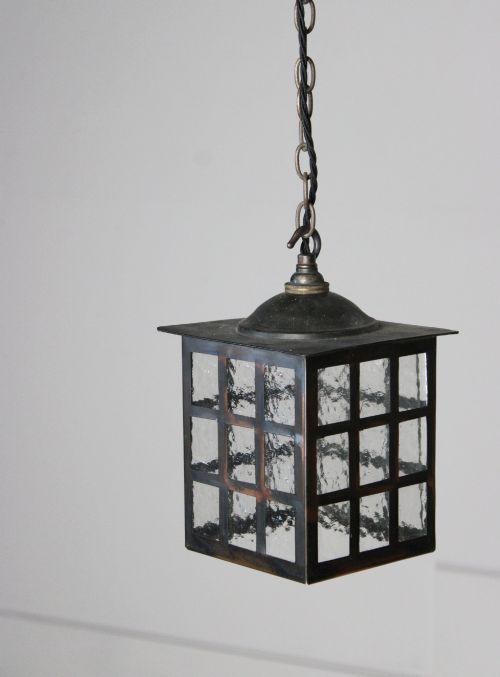
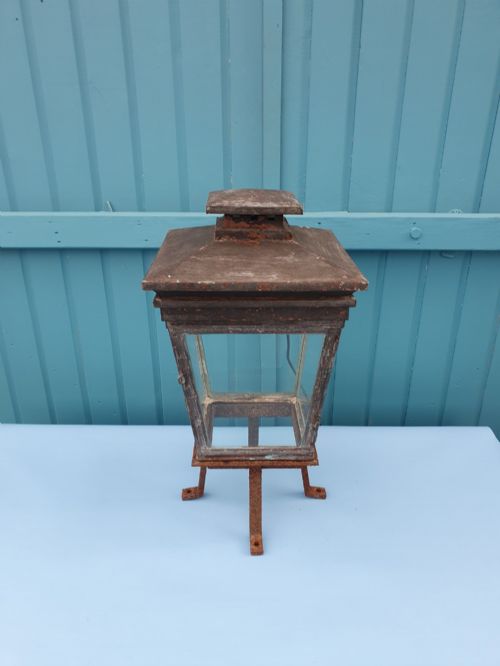
Patinated copper lights bring warm, aged metal surfaces and historical character into a room, spanning porch lanterns to street lamps.
Patinated Copper Lights
Patinated copper lights encompass lanterns, pendants, wall lights, and table lamps originating from the late nineteenth century through the early twentieth century. When exploring patinated copper lights, buyers encounter forms ranging from residential porch lanterns to converted gas street lamps and nautical ship fittings.
The selection on this page leans heavily towards Edwardian and Arts and Crafts examples, alongside Victorian and Amsterdam School designs. These fixtures served practical lighting roles in domestic halls, coach-houses, and streets before finding new life in modern interiors.
Makers and designers from these periods utilised copper, brass, and wrought iron to build robust housings for glass and gas or electric fittings. Surviving pieces carry the distinct surface ageing of decades outdoors or in domestic service.
How they were made
Craftsmen built these lights using sheet copper and brass, often joined by hand-soldering and riveting over iron or wrought iron frames. Glass panels, sometimes curved or bevelled, were secured within metal channels to protect the flame or bulb.
Surface patination developed naturally through environmental exposure or was chemically induced to create verdigris and dark green tones. Early street lamps and coach-house lanterns relied on gas burners before later conversions to electricity.
One green man lantern watches over the collection, bearing a carved face from the nineteenth century.
What varies in quality
The distinction between ordinary utility lights and finer decorative pieces rests in the hand-working of the metal and stylistic detail. Neo-classical coach-house lanterns or Amsterdam School table lamps display more intricate construction than standard street lighting.
The integrity of the original metal surface and the depth of the natural verdigris define the visual appeal. Replacements to glass panels or structural frames alter the original character of the piece.
A Foster & Pullen Bradford
The Patinated Copper Lights Glossary
- Patinated copper
- Copper surfaces altered by age, environment, or chemical treatment to display green, brown, or verdigris tones. This oxidation layer protects the underlying metal and creates historical depth.
- Amsterdam School
- An architectural and design style originating in the Netherlands around nineteen-sixteen, characterised by expressive forms and craft integration. Pieces from this movement often combine patinated copper with brass.
- Coach-house wall lantern
- A sturdy exterior light fixture designed to mount beside carriage house doors. These fixtures frequently employ glass panes held within heavy copper or iron frames.
- Arts and Crafts
- A design movement valuing traditional craftsmanship and honest material use over mass production. Light fittings in this style feature visible construction details and hand-beaten copper surfaces.
Patinated Copper Lights: Frequently Asked Questions
Were these lights originally gas or electric?
Many nineteenth and early twentieth century lanterns began as gas street or coach-house lamps. They were subsequently converted to run on electricity for modern domestic use.
Conversion work often retains the original burner housing or gas taps while updating the internal wiring to meet contemporary standards.
How do I clean patinated copper without damaging it?
The aged green or brown surface requires minimal intervention to preserve its historical character. Dusting with a dry cloth or gentle brushing removes loose debris without stripping the oxidation.
Harsh metal polishes and chemical cleaners will remove the patination entirely, exposing bright raw copper and destroying the antique appearance.
Can exterior copper lanterns be used outdoors today?
Many wall lanterns and porch lights were originally built for outdoor service on coach-houses or streets. Their robust copper and iron construction withstands weathering when properly sealed.
Buyers should check the current electrical ingress protection rating of any converted fitting before exposing it to heavy rain.
What defines Amsterdam School lighting?
Amsterdam School pieces showcase sculptural metalwork and experimental geometric forms. They frequently combine patinated copper with contrasting brass elements.
These table lamps and pendants reflect Dutch expressionist architecture from the early decades of the twentieth century.