


Victorian Street Lamp
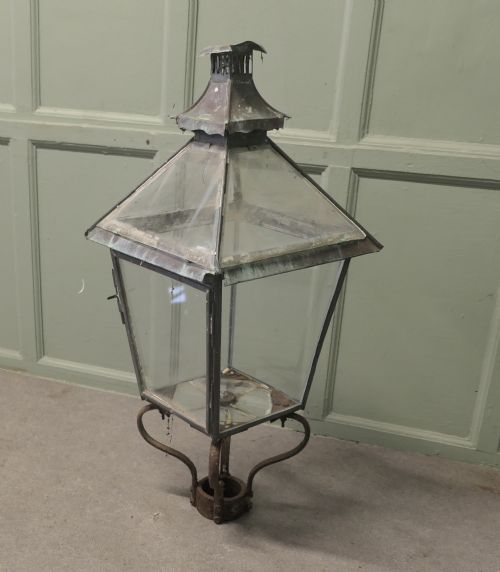
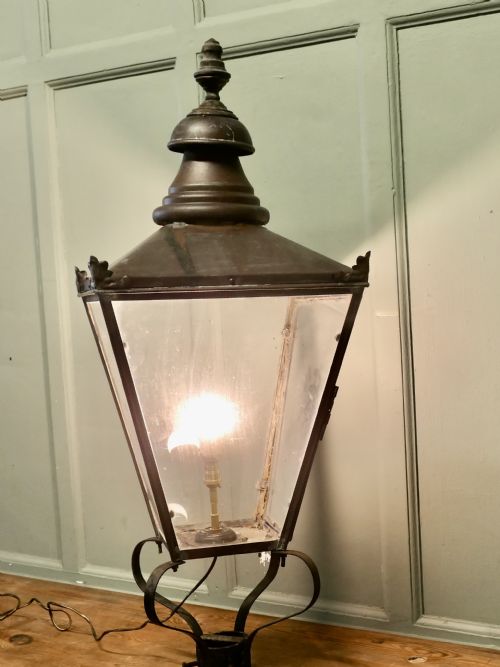
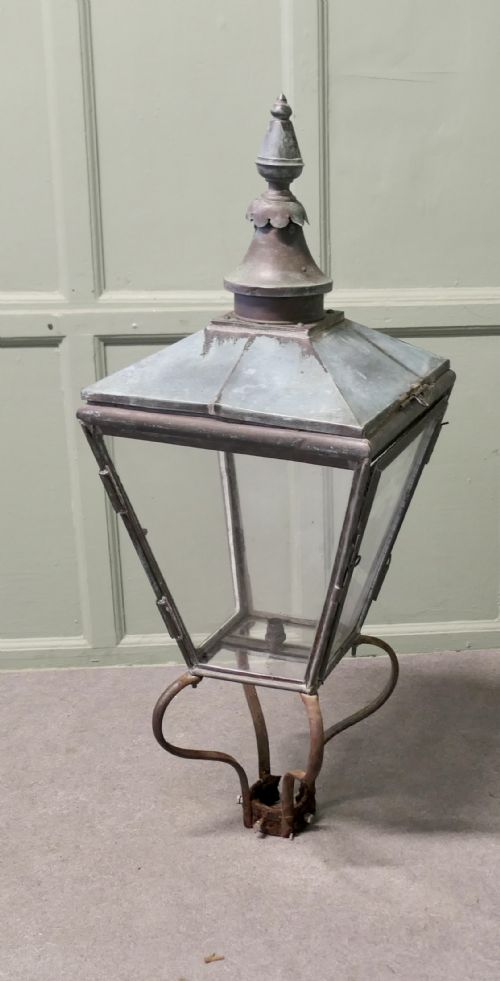
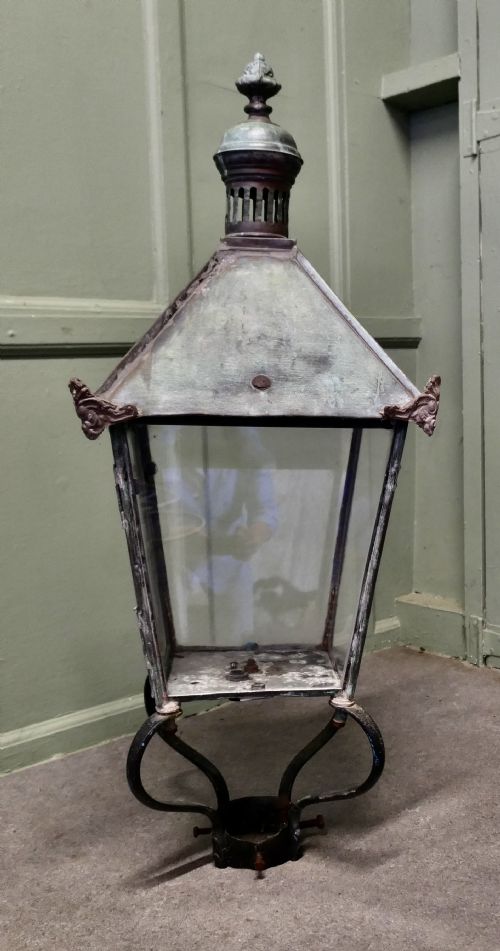
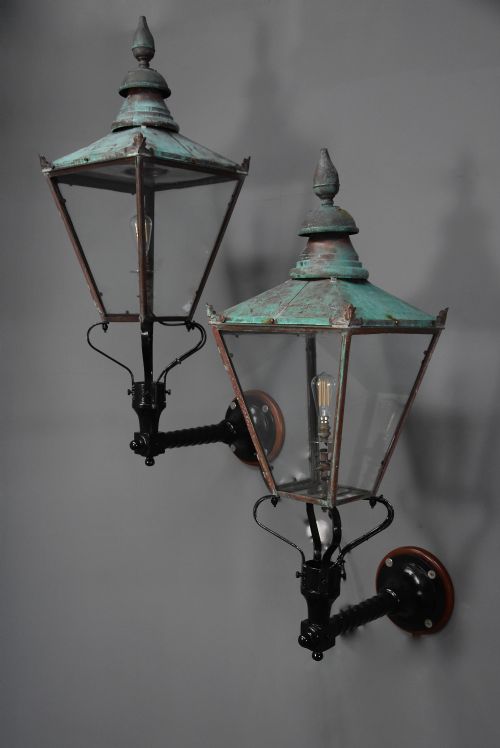
These Victorian street lamps and lanterns bring substantial public lighting history home, offering robust outdoor illumination built to withstand the elements.
Victorian Street Lamp
A victorian street lamp represents the utilitarian outdoor lighting of public thoroughfares and large properties during the nineteenth century and subsequent periods. Buyers seeking these fixtures encounter architectural copper lanterns, heavy cast iron lamp posts, and wall lights adapted from earlier municipal designs.
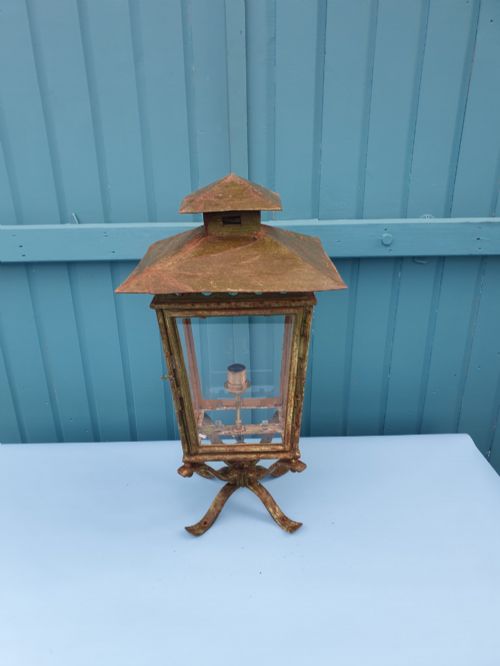
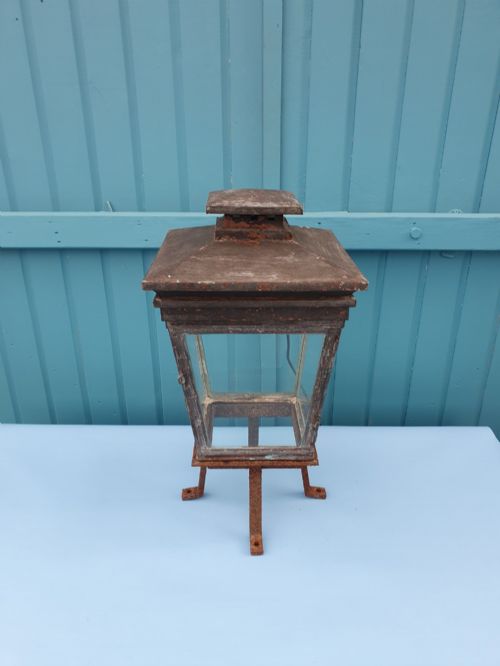
The primary forms on this page include large copper lanterns, gate post lights, and complete lamp posts. Many examples show conversions from gas lighting, retaining their original proportions while adapting to modern electrical requirements.
Materials and construction methods
Construction relies heavily on durable metals designed to endure perpetual outdoor exposure. Copper forms the bodies of the lanterns, soldered or riveted together to hold glass panels securely.
Structural support comes from iron, utilised in both cast and wrought forms for lamp posts, wall brackets, and bases. Paint finishes, including green, black, and gold schemes, often cover the metal components to provide additional protection against corrosion.
Glazing typically consists of flat or curved glass panes secured within the metal framework. Architectural elements such as spiral twist brackets and swan neck poles demonstrate specialised metalworking techniques of the period.
Victorian Street Lamp Retail Price Guide 2026
Typical asking prices for victorian street lamp among the pieces listed under this phrase on Sellingantiques today, from the lower quarter to the upper quarter. They describe what is for sale here now, not the wider market.
Materials recorded across the inventory include glass, copper, iron, cast iron, wrought iron, wood, and painted metal.
Factors determining quality
Quality in these outdoor fixtures depends upon the weight of the metals and the integrity of the original construction. Heavier gauge copper and substantial cast iron posts indicate higher durability and more ambitious municipal or estate origins.
The preservation of original architectural details, such as decorative brackets, gas conversion fittings, and intact glass panels, distinguishes superior examples. Refined construction in the metal framing and sophisticated structural flourishes elevate certain lanterns above standard utility items.
A Foster and Pullen Bradford·Revo Tipton
The Victorian Street Lamp Glossary
- Victorian street lamp
- A public or large estate lighting fixture dating from the nineteenth century, typically featuring a metal lantern mounted on a post or wall bracket.
- Gas conversion
- The process by which an antique gas-burning lamp is adapted to house modern electrical wiring and fittings while retaining its original exterior appearance.
- Swan neck
- A curved metal mounting bracket resembling a bird's neck, used to suspend a lantern outward from a wall or pole.
- Cast iron
- An iron-carbon alloy poured into a mould to create complex structural shapes like heavy lamp posts and bases.
Victorian Street Lamp: Frequently Asked Questions
How do I install an antique street lamp?
Most antique street lamps and lanterns require professional electrical installation, particularly when converting older gas infrastructure for modern use. Secure anchoring to a solid concrete base or reinforced wall is essential given the substantial weight of cast iron and copper components.
Positioning should account for weather exposure and local lighting requirements. Outdoor placement benefits from consultation with a qualified electrician to ensure weatherproofing meets current standards.
Are these lamps weatherproof?
These fixtures were originally engineered to withstand harsh outdoor conditions through robust construction in copper and iron. However, centuries of exposure can compromise seals and electrical components added during later conversions.
Routine maintenance involves checking the condition of the glass panes, metal frames, and protective paint coatings. Applying appropriate sealants helps preserve the metal against moisture.
What maintenance do copper lanterns need?
Copper develops a natural protective patina over time when exposed to the elements, which many collectors prefer to leave undisturbed. Regular cleaning with mild soap and water removes accumulated dirt without stripping the historic surface.
Iron components require monitoring for rust, particularly at ground level on lamp posts or mounting points, where protective paint may wear away.