
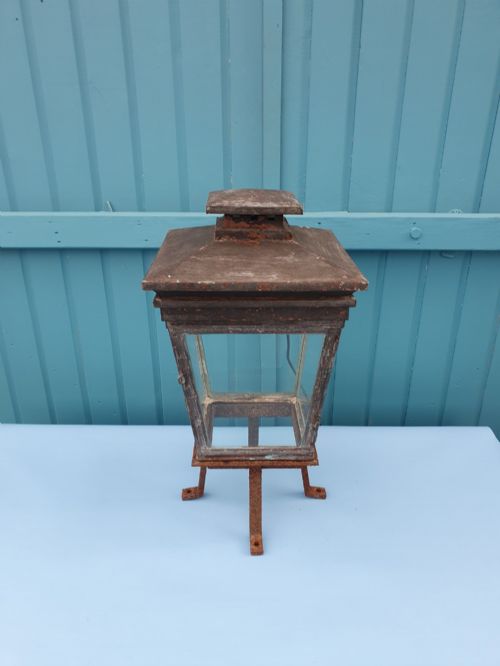


Antique Garden Lantern
These antique garden lantern pieces bring historic character to outdoor spaces through robust metalwork and period glass.
Antique Garden Lantern
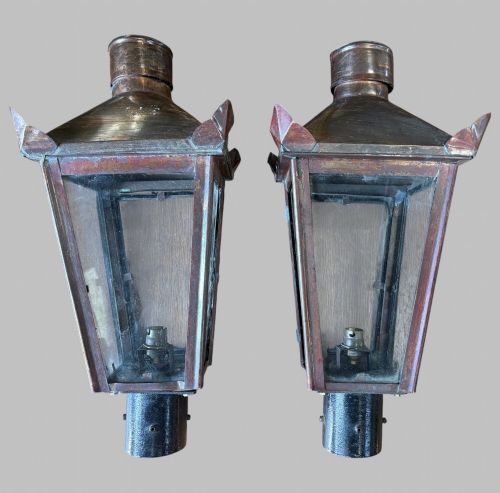
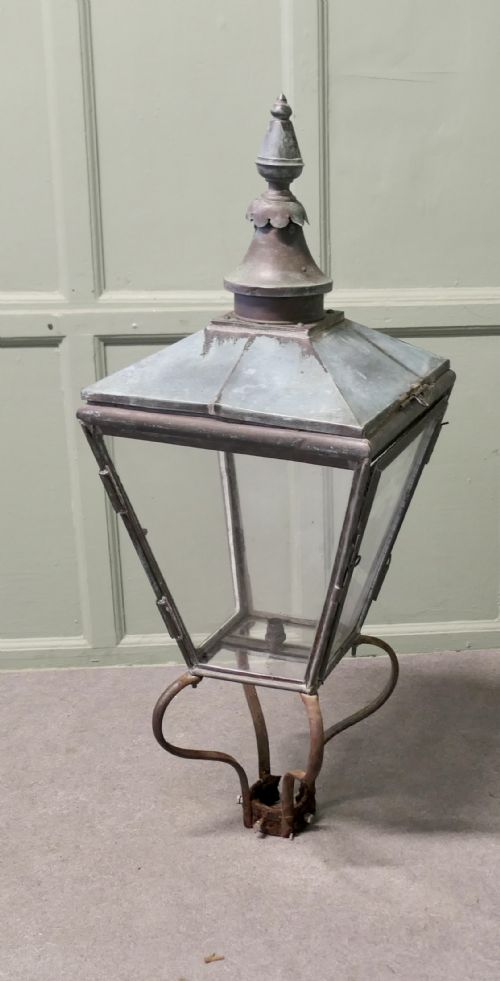
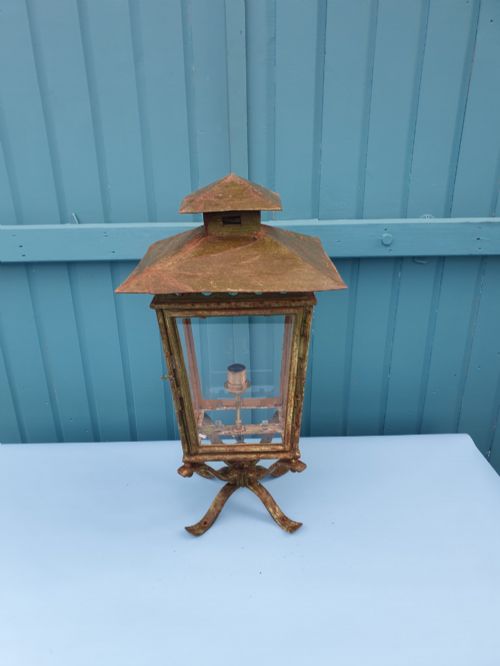
An antique garden lantern brings period illumination to grounds, pathways, and porches, drawing from Victorian and early twentieth-century street lighting forms. When searching for an antique garden lantern, buyers encounter copper, cast iron, and bronze fixtures designed originally for gas or early electric systems. Many surviving examples originate from street lighting or exterior porch installations, featuring substantial metal frames paired with glass panels.
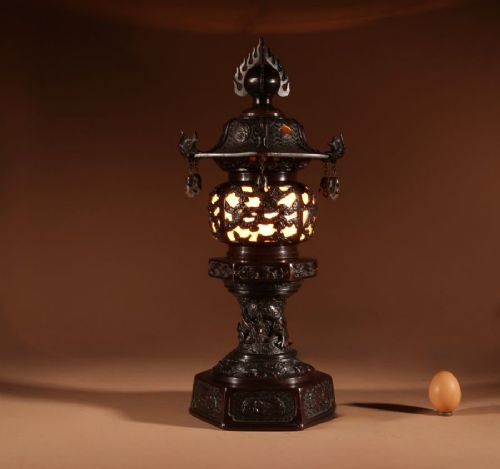
The selection ranges from large copper street lamps and lamp posts to Japanese bronze table lamps and garden cloches. Victorian designs often incorporate painted finishes, intricate metalwork such as shamrocks, or conversion elements from early gas setups. Buyers are most likely to meet copper and iron post lanterns spanning the late nineteenth century through the nineteen-twenties.
How they were made
Construction relies heavily on sheet copper, cast iron, and wrought iron assembled to withstand outdoor exposure. Metal components are joined by soldering, riveting, or bolting to form rigid housings for glass panes.
Surfaces receive protective treatments including dark paint, green painted finishes, or black and gold schemes applied over the base metal. Bronze examples utilise traditional casting methods to produce decorative detailing, while glass sections are cut and fitted into frame channels.
Listings feature periods spanning the Victorian era through the 1930s, using copper, iron, bronze, and glass.
What varies in quality
Quality rests in the substance of the metalwork and the integrity of the original construction rather than decorative additions. Heavier gauges of copper and substantial cast iron posts separate robust utility lighting from lighter decorative items.
The sophistication of the period metal shaping, whether in the curves of a swan neck post or the proportion of a street lamp housing, defines the upper tier of the range. Retaining original mounting bases or conversion details intact preserves the historical character of the piece.
Foster And Pullen Bradford·Revo Tipton
The Antique Garden Lantern Glossary
- Copper
- A durable, corrosion-resistant metal commonly used for exterior lantern housings due to its ability to weather outdoors. It takes patination well over decades of exposure.
- Cast iron
- A strong alloy poured into moulds to create rigid structural elements such as lamp posts and heavy frames. It provides the necessary weight for freestanding outdoor installations.
- Cloche
- A protective glass and metal cover originally designed for garden plants. Victorian examples combine quarter-inch glass panes with metal framing.
- Swan neck
- A curved mounting arm that extends a lantern away from a wall or post. This shape directs light downward over pathways and entrances.
- Gas conversion
- The historical alteration of a lighting fixture from a gas burner to an electric fitting. This process often leaves internal traces of early pipework.
Antique Garden Lantern: Frequently Asked Questions
How do I mount a heavy copper street lantern?
These lanterns often require professional structural support due to the weight of the copper frame and glass panels. Ground-standing lamp posts need secure foundations, while wall-mounted versions demand substantial fixings into masonry.
Consulting a specialist installer ensures the weight is distributed safely without straining the historic metalwork or original mounting points.
Were these lanterns originally meant for gas or electricity?
Many exterior lanterns from the Victorian period and early twentieth century started life as gas street lights or porch lamps. They were subsequently adapted for electrical wiring as municipal and domestic lighting evolved.
This history of conversion is common among surviving outdoor fixtures and contributes to their authentic period character.
Can I leave an antique copper lantern outdoors year round?
Copper and cast iron are naturally weather-resistant materials built to endure outdoor conditions. Over time, the metal develops a stable protective patina when exposed to the elements.
Ensuring the glass panels are securely sealed helps protect the interior wiring and historical components from moisture ingress.