

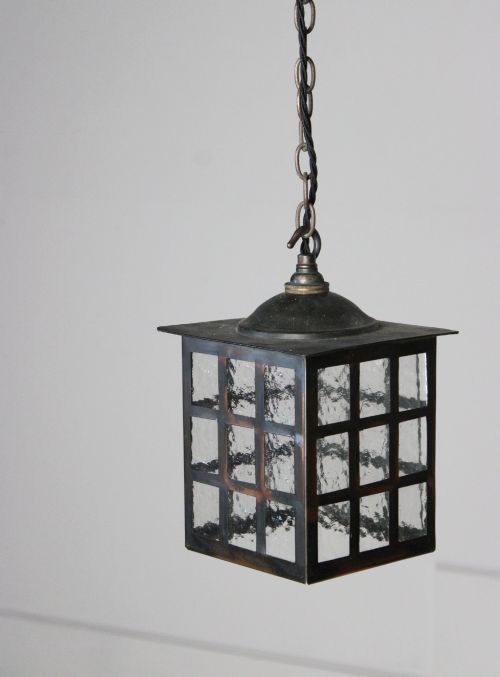


Period Lantern Light Fixture
A period lantern light fixture is a genuine piece of history that brings character and warm illumination to hallways, porches, and rooms.
Period Lantern Light Fixture
A period lantern light fixture groups together authentic lighting pieces from the nineteenth and early twentieth centuries, spanning Victorian, Edwardian, and later decades. These fixtures arrive in various formats including pendant lights, ceiling lights, wall lights, and outdoor lanterns.
Buyers searching for a period lantern light fixture will most frequently encounter brass and copper examples, often fitted with clear, frosted, or cut glass panels. The selection ranges from compact hall lanterns to substantial street lights and carriage style wall lights.
Design influences across the inventory draw heavily upon recognised movements such as Arts and Crafts, Art Nouveau, Art Deco, Gothic Revival, and French Empire styles. Each piece reflects the architectural preferences and manufacturing capabilities of its specific era.
Materials and construction methods
Makers constructed a period lantern light fixture using durable metals such as brass, copper, iron, bronze, and silver plate, often shaping them by hand to create structural frames. These metals provided both the necessary strength for hanging or wall mounting and a decorative framework for glass elements.
Panels of glass were carefully cut, frosted, or moulded to fit within the metal framing, diffusing light effectively while protecting the internal bulb or burner. Artisans utilised decorative motifs, such as the distinctive green man detail, to add ornamentation to the copper and bronze bodies.
Period Lantern Light Fixture Retail Price Guide 2026
Typical asking prices for period lantern light fixture among the pieces listed under this phrase on Sellingantiques today, from the lower quarter to the upper quarter. They describe what is for sale here now, not the wider market.
Object types recorded across the inventory include pendant lights, ceiling lights, wall lights, outdoor lanterns, and street lights.
Factors that distinguish quality
The standard of a period lantern light fixture depends heavily upon the weight and thickness of the metal frame, alongside the clarity and finish of the glass panels. Heavier gauge copper and brass with crisp architectural detailing indicate superior craftsmanship compared to lighter, more utilitarian alternatives.
Subtleties in decorative execution, such as hand-cut glass patterns and complex casting work found in French Empire or Arts and Crafts examples, elevate certain pieces above standard production models.
The Period Lantern Light Fixture Glossary
- Hall lantern
- A ceiling-hung lighting fixture traditionally designed to illuminate entrance passages and corridors. These pieces frequently feature glazed panels held within a decorative metal cage.
- Carriage style
- A descriptive term for wall or hanging lights inspired by the lanterns once mounted on horse-drawn carriages. They typically possess a linear, weather-resistant silhouette.
- Silver plate
- A thin layer of silver applied to a base metal object to provide a bright, reflective surface. This finish appears on select Edwardian pendant lights for a formal appearance.
- Frosted glass
- Glass treated to scatter light and create a soft, diffused illumination rather than a direct beam. It helps conceal the internal lamp components while reducing glare.
Period Lantern Light Fixture: Frequently Asked Questions
Where should I hang a period lantern?
These fixtures suit entrance halls, high-ceilinged landings, and covered porches where their architectural shapes can be fully appreciated. They also work effectively in period kitchens or dining spaces as focal points.
Ensure you check the drop length and physical dimensions of the fixture to match the scale of your room and ceiling height.
How do I date a lantern light?
Dating relies on identifying the stylistic markers, such as the flowing organic lines of Art Nouveau or the geometric symmetry of Art Deco and 1930s pieces. Materials like heavy cast brass, copper, and frosted glass also point towards specific manufacturing eras.
Examining construction techniques and fasteners can provide further clues regarding the age of the metalwork.
Are these lights suitable for modern wiring?
Most antique and vintage fixtures can be adapted to accept contemporary lamp holders and wiring by a qualified electrician. The original metal bodies usually offer sufficient internal space for modern electrical components.
It is advisable to have any historical lighting installation checked and certified for safety before daily use.
What glass types are common?
Common variations include plain clear glass, heavily cut crystal panes, and frosted panels designed to soften the bulb's glare. Each glass type alters how the fixture distributes light across the space.
Cut glass often appears on more formal Edwardian and decorative pieces, while frosted glass frequently accompanies 1930s designs.