



Edwardian Street Light
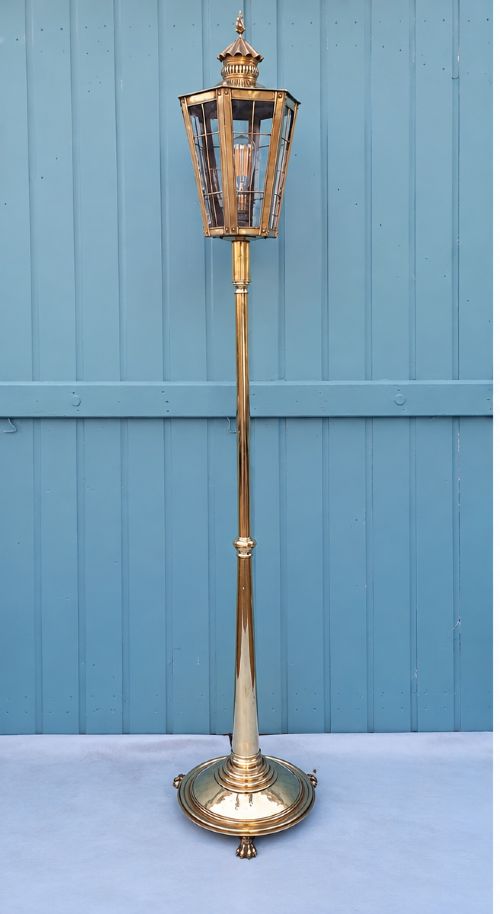
An edwardian street light brings authentic civic scale to a garden or hallway, fashioned from heavy copper and cast iron.
Edwardian Street Light
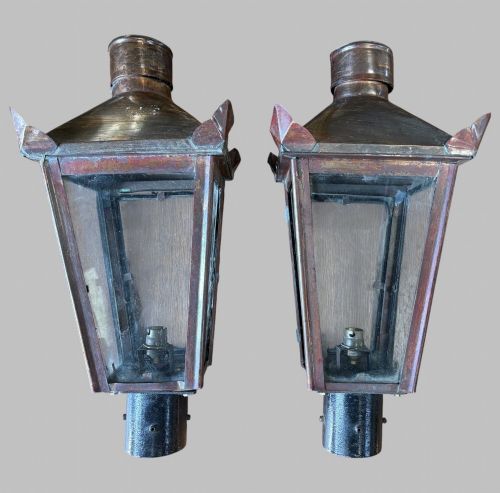
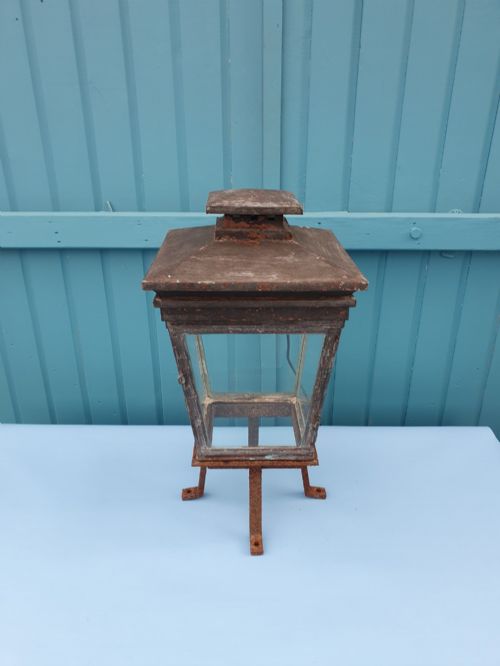
When searching for an edwardian street light, collectors encounter robust outdoor lighting salvaged from municipal and domestic settings. The pieces available span wall lanterns, post lanterns, and complete lamp posts designed to illuminate pathways and entrances.
Most examples found on this page date from the late nineteenth and early twentieth centuries, including styles spanning Victorian, Edwardian, and industrial periods. These fixtures frequently transition from gas to electric illumination while retaining their original metal chassis and glass panels.
How they were made
Makers constructed these heavy fixtures using sheet copper, cast iron, and wrought iron to withstand harsh outdoor weather. Metal components were riveted or soldered together to house vulnerable gas burners and early electric bulbs securely.
Glazing typically involved clear or prismatic glass panels designed to diffuse bright light evenly across municipal streets and large property grounds.
Edwardian Street Light Retail Price Guide 2026
Typical asking prices for edwardian street light among the pieces listed under this phrase on Sellingantiques today, from the lower quarter to the upper quarter. They describe what is for sale here now, not the wider market.
Several lanterns still carry the literal scars of nineteenth-century lamplighters who tended the original gas flames daily.
What varies in quality
Quality rests upon the weight of the metal and the intact survival of original brackets, bases, and maker plates. Heavier copper bodies and cast iron supports distinguish high-utility civic installations from lighter domestic adaptations.
The presence of specialised components, such as prismatic glass or named manufacturer fittings, elevates a piece above standard utility lanterns.
REVO Leicester·A FOSTER AND PULLEN BRADFORD
The Edwardian Street Light Glossary
- Post lantern
- A light fixture designed to mount directly onto the top of a dedicated vertical lamp post. These fixtures provided illumination for pathways and civic thoroughfares.
- Prismatic glass
- Specialised glass moulded with directional ridges to refract and disperse light efficiently. This material was utilised in street lighting to maximise bulb luminosity.
- Wall lantern
- A lighting fixture secured directly to an exterior wall surface via a mounting bracket. These pieces often originated from gas conversion street lighting.
- Lamp post
- A tall vertical upright structural column supporting an outdoor lantern at its summit. They are cast from heavy metals to ensure stability in public spaces.
Edwardian Street Light: Frequently Asked Questions
How do I mount a street lantern?
These lanterns typically require secure fixing to a dedicated vertical post or a heavy load-bearing exterior wall bracket. Their substantial weight demands structural support far exceeding that of modern domestic light fixtures.
Installers should consult professional electricians to safely integrate legacy metal frames with contemporary wiring standards.
Are these lights weatherproof?
Original municipal lanterns were engineered from durable copper and iron to endure decades of severe outdoor exposure. The heavy metal housing naturally protects internal components from driving rain and wind.
Gaskets and seals may require modern reinforcement during restoration to ensure complete moisture resistance outdoors.
Can original gas lights be electrified?
Many surviving examples have already undergone historical conversion from gas burners to standard electrical fittings. This adaptation allows the historic housing to function safely as modern overhead or pathway illumination.
Rewiring preserves the exterior civic aesthetic while accommodating standard contemporary lamp bulbs inside the glass chamber.
How do I identify the period?
Dating relies upon examining the manufacturing techniques, metal alloys, and distinctive maker stamps found on the brackets or collars. Victorian and Edwardian examples often feature heavy cast iron components paired with hand-soldered copper sheet work.
Design motifs and patent markings provide further clues to connect specific pieces to late nineteenth or early twentieth-century production.