

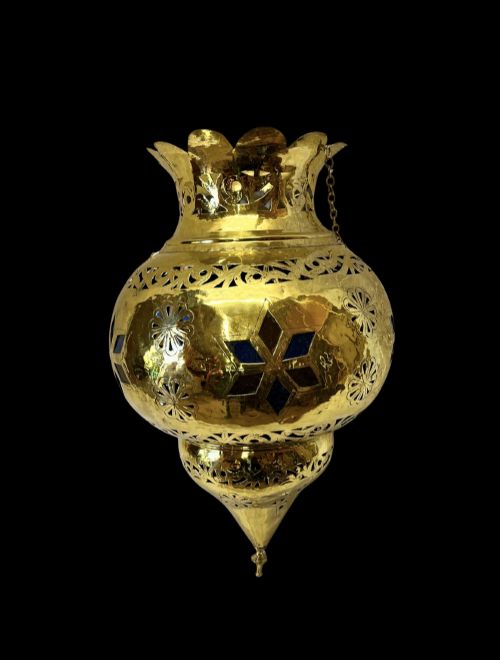


Antique Metal Lantern
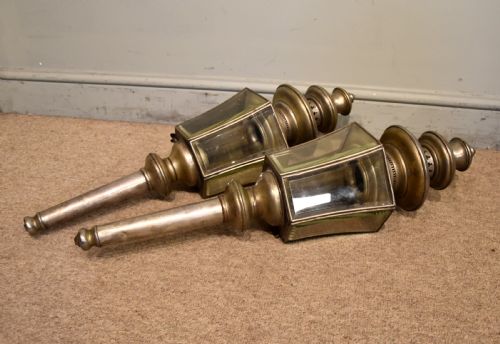
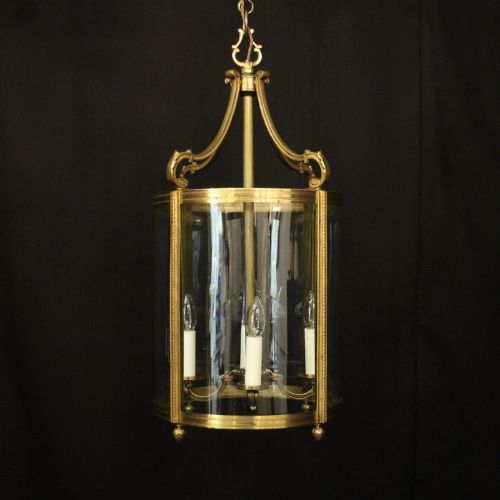
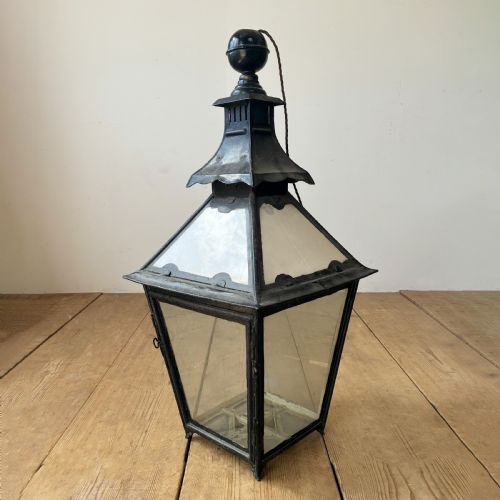
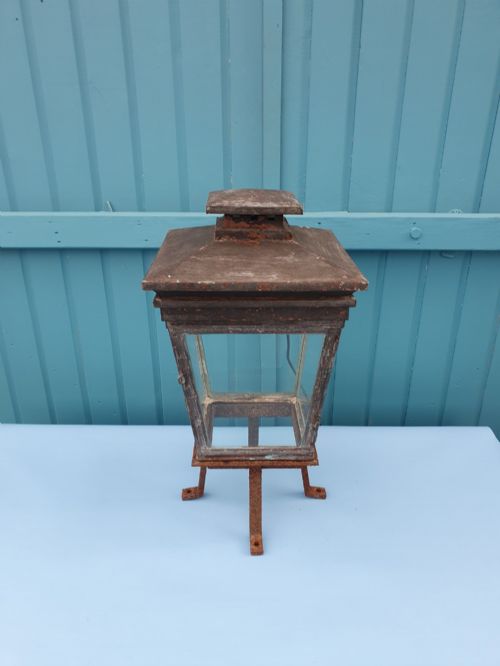
An antique metal lantern brings historic illumination into a room, combining robust structural framing with hand-formed glass panels.
Antique Metal Lantern
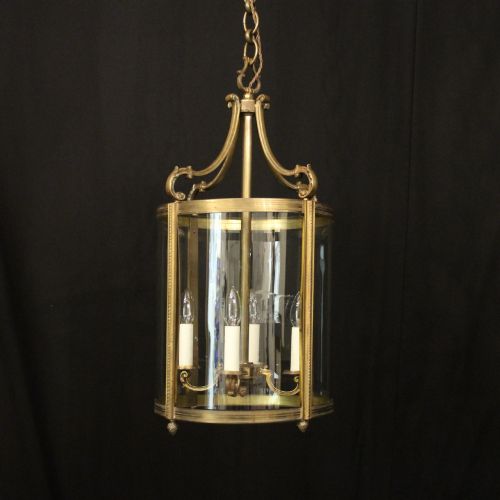
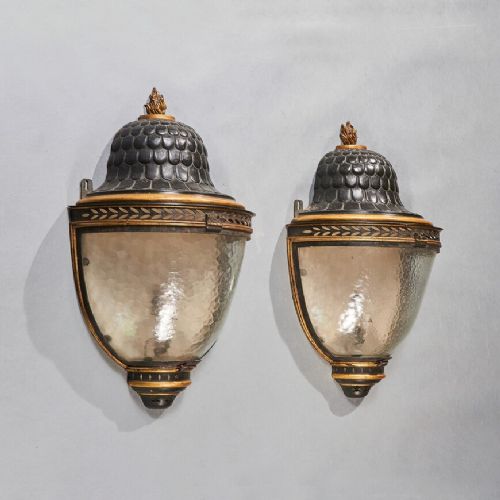
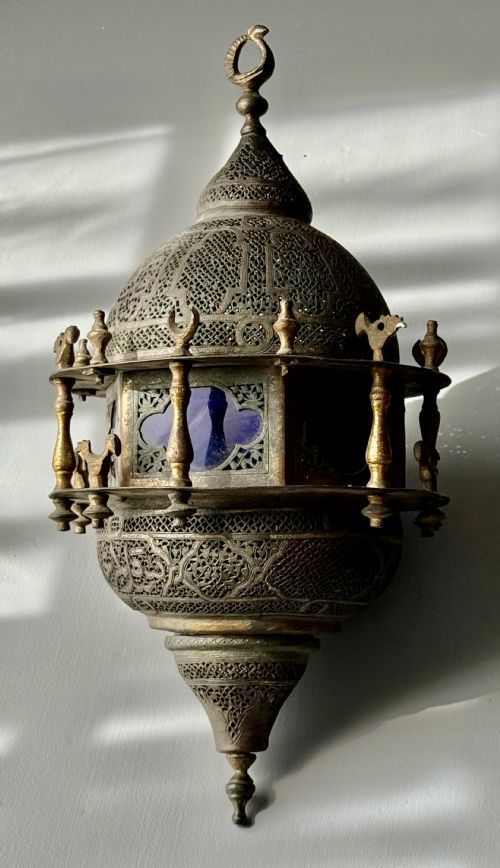
An antique metal lantern comprises various forms intended to illuminate interior halls, exterior doorways, and carriage transport, spanning periods from the Victorian era through the early twentieth century. Buyers encounter hall lanterns, wall lanterns, and hanging pendants shaped by distinct regional aesthetics, particularly French neoclassical, Gothic revival, and Moorish styles.
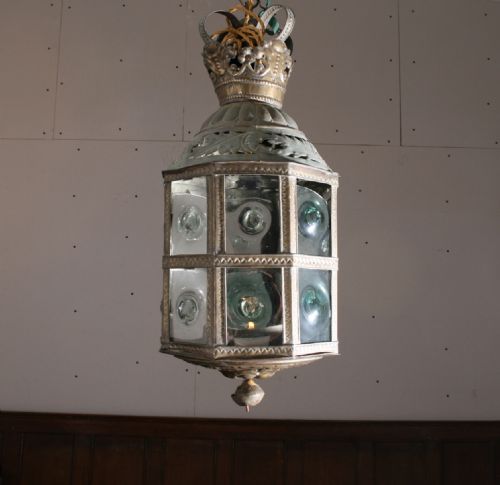
The materials utilised in these lighting fixtures range from brass, copper, and wrought iron to gilded bronze and steel, often housing hand-blown glass or bullseye panes. Pieces frequently reflect conversions from earlier fuel sources such as gas or oil to modern electricity.
Materials and Construction Techniques
Smiths and metalworkers formed the structural frames of these lanterns using forged wrought iron, cast brass, rolled steel, or spun copper, frequently joining components through riveting or soldering. Gilding, ormolu, and parcel gilt treatments were applied to bronze surfaces to achieve decorative lustre, particularly on French hall fixtures.
Glazing involved securing hand-blown glass, convex panes, bevelled segments, or pierced brass sheets into the metal framework. Pierced metalwork required meticulous hand-cutting to create intricate geometric or floral patterns typical of Moorish and Art Nouveau designs.
Listings feature items from the Victorian and Edwardian eras alongside early twentieth-century pieces, constructed from brass, copper, wrought iron, and gilded bronze.
Distinctions in Quality and Execution
Quality rests upon the crispness of casting in bronze or ormolu mounts, the integrity of hand-forged ironwork, and the weight of the metal utilised in the frame. Superior examples display refined chasing on gilded surfaces and precise alignment of individual glass panels within their channels.
Scale and proportion also define the upper tier, with larger matched pairs or architectural hall lanterns commanding greater presence than standard single-light variants. The retention of original surface patination without excessive cleaning separates well-preserved specimens from heavily restored pieces.
The Antique Metal Lantern Glossary
- Bulls Eye Glass
- A thick round pane of blown glass featuring a prominent central knop left by the pontil rod. This optical imperfection creates distorted light patterns.
- Ormolu
- Finely ground high-carat gold mercury-gilded onto a bronze base. It provides a rich, warm metallic finish seen on French decorative lighting.
- Tole Peinte
- Enamelled and painted tinplate sheet metal used to simulate more costly materials. It appears frequently in nineteenth-century decorative lanterns.
- Hall Lantern
- A ceiling-suspended lighting fixture designed specifically for entryways and corridors. These units project downward illumination through glass panels.
- Gothic Revival
- An architectural and decorative style drawing inspiration from medieval forms. Pieces display pointed arches, tracery, and heavy iron framing.
Antique Metal Lantern: Frequently Asked Questions
How do I install an antique lantern?
Most antique lanterns require professional rewiring and a secure ceiling or wall anchor to support their substantial metal and glass weight. Electrician mounting ensures compliance with current safety standards.
Wiring often runs down through the original suspension chains or mounting brackets, preserving the exterior appearance while concealing modern electrical components safely.
Can these lanterns be used outdoors?
Certain pieces, such as copper carriage lamps and exterior wall lanterns, were originally built for outdoor exposure to the elements. Their durable metal construction withstands weathering.
Interior hall fixtures and delicate gilded bronze pieces lack weather sealing and should remain inside protected domestic spaces to prevent corrosion.
How do I clean an antique metal lantern?
Dusting the metal frame and glass panels with a soft, dry cloth prevents the accumulation of grime without disturbing the historic surface patination. Avoid harsh chemical polishes.
Unlacquered brass and copper naturally darken over time, a process many collectors prefer to leave untouched to preserve the authentic age of the object.