

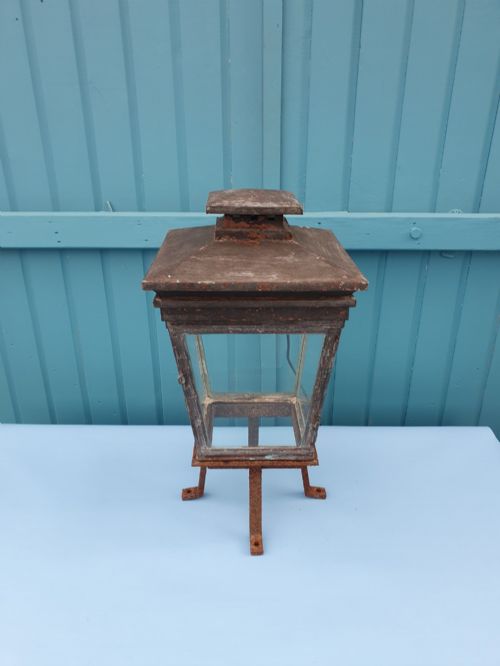


Victorian Gas Lantern
These Victorian gas lantern pieces are robust exterior and interior fixtures that bring authentic nineteenth-century illumination to modern gardens and halls.
Victorian Gas Lantern
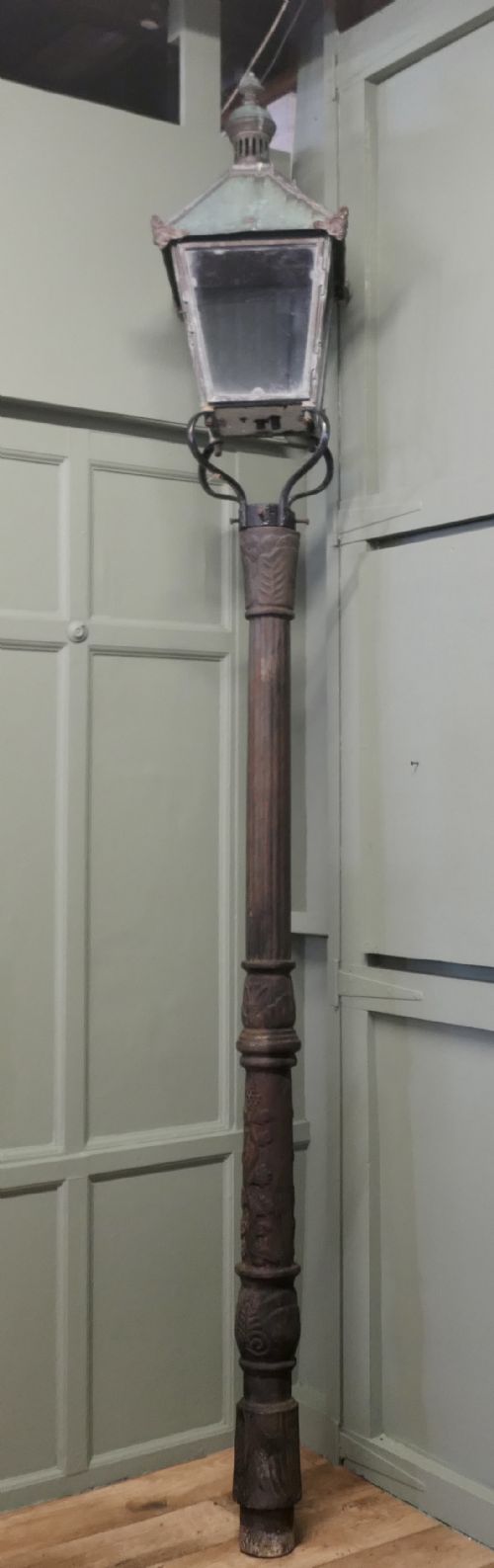
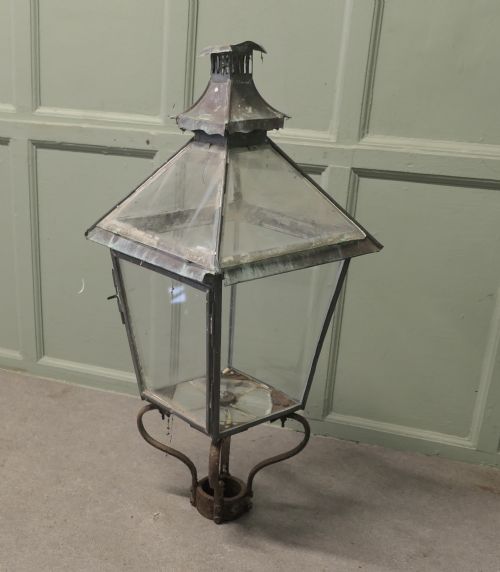
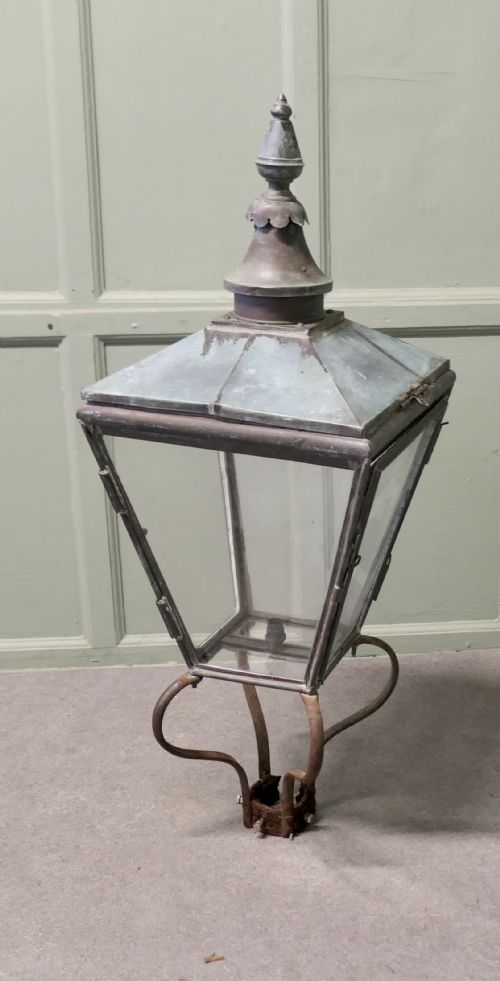
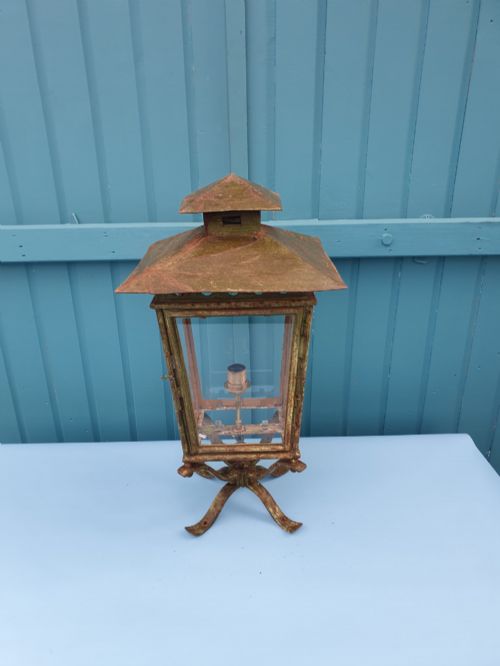
A victorian gas lantern brings substantial period character to exterior walls, gate posts and gardens. These utilitarian survivals often originate from street lighting or domestic contexts.
The selections on this page encompass outdoor lanterns, street lights and lamp posts. Many examples have been converted from gas to contemporary use while retaining their original form.
Makers and origins span the nineteenth century and the early twentieth century. Buyers encounter copper bodies, glass panels and iron mounts set upon stone bases or matching lamp posts.
How they were made
Makers constructed these lanterns using sheet copper, cast iron and wrought iron to withstand exposed street conditions. Glass panels provided shelter for the burner while diffusing the light across pathways.
Painted metal and paint finishes were applied to protect the iron and steel components from corrosion. Structural joints relied on traditional soldering and riveting techniques suited to heavy municipal use.
Victorian Gas Lantern Retail Price Guide 2026
Typical asking prices for victorian gas lantern among the pieces listed under this phrase on Sellingantiques today, from the lower quarter to the upper quarter. They describe what is for sale here now, not the wider market.
Recorded object types include outdoor lanterns, street lamps, hall lights, and complete lamp post assemblies.
What varies in quality
Quality rests upon the preservation of the original metal gauge and the complexity of the glazing frames. Substantial copper bodies and intact iron brackets distinguish utilitarian municipal pieces from lighter domestic variants.
The presence of original shades and authentic mounting hardware elevates a piece above standard conversions. Condition depends heavily on how cleanly the transition from gas apparatus to modern wiring was executed.
A Foster & Pullen Bradford
The Victorian Gas Lantern Glossary
- Gate Post Light
- A lantern designed to mount directly onto the top of a brick or stone pier flanking an entrance. These fixtures served to mark boundaries and light property approaches.
- Street Light
- A large municipal lantern originally suspended from brackets or mounted atop tall iron columns to illuminate public thoroughfares. Their scale is considerably larger than domestic hall lights.
- Wrought Iron
- Tough, malleable iron worked by hand while hot to produce decorative scrolls and sturdy structural brackets. It resists snapping under tension better than cast iron.
- Cast Iron
- Molten iron poured into moulds to create rigid components like lamp posts and heavy bases. This material offers immense compressive strength but can fracture under sharp impacts.
Victorian Gas Lantern: Frequently Asked Questions
How do I mount a street light?
Most large lanterns require secure fixing to brick piers, sturdy exterior walls or dedicated metal lamp posts. Professional structural assessment is essential due to the considerable weight of copper and glass.
Ensure that the mounting bracket matches the original fixing points to preserve the historical integrity of the metalwork.
Are these converted for electricity?
Many surviving examples have been successfully adapted for modern electrical wiring while maintaining their external appearance. This conversion allows period fixtures to function safely as practical garden or porch lighting.
Buyers should consult a qualified electrician to check the internal wiring standards of any newly acquired lantern.
Can I use them outdoors?
Copper and painted iron lanterns were originally engineered to endure decades of harsh outdoor weather. Their durable construction makes them well suited for contemporary exterior garden and gateway placement.
Regular cleaning of the glass panels and gentle maintenance of the metal surfaces will preserve the finish against the elements.
How do I identify a nineteenth-century piece?
Examination of the metal gauge, construction seams and fastening methods reveals the manufacturing period. Nineteenth-century examples typically display hand-soldered copper joints and heavy cast iron components rather than modern pressed steel.
Patina accumulated over generations of exposure provides a reliable indicator of genuine age.