



Antique Carriage Lights
Antique carriage lights bring historic illumination into domestic spaces, offering durable metalwork and glass built for travel.
Antique Carriage Lights
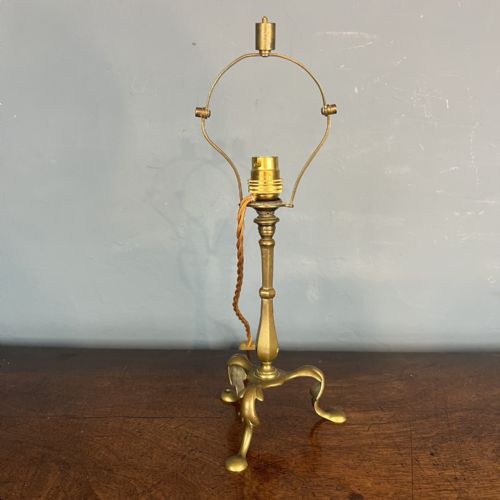
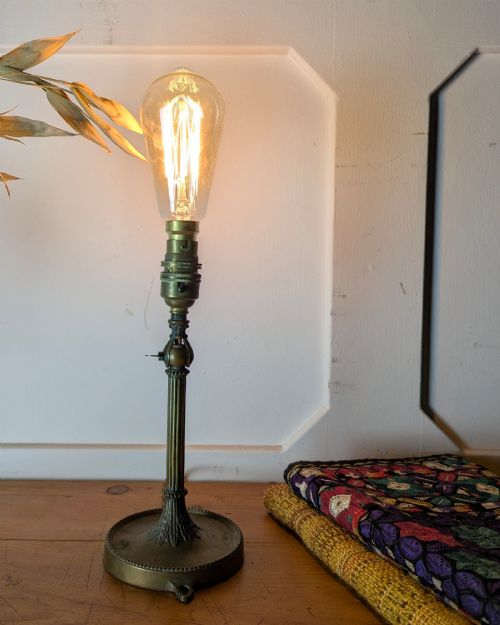
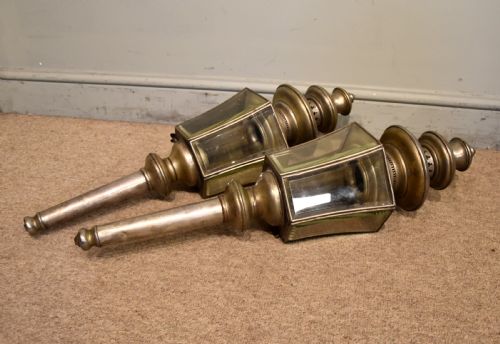
The assortment includes pairs of coach-house style wall lanterns alongside specialised travel reading lamps and ship gimble lamps. Many pieces derive from French Empire and neo-classical designs, reflecting the diverse decorative applications of transport lighting over past decades. These utilitarian objects now function primarily as interior and exterior wall fixtures or decorative table lamps.
How they were made
Makers utilised robust metals including brass, cast iron, copper, and wrought iron to withstand the vibrations and weather exposure of travel. Components were frequently joined with heavy metal framing to support glass panels safely within the housing. Surface finishes range from polished brass to verdigris patinated copper and nickel plating.
Glazing typically involved clear or opaline glass shaped to fit securely within metal channels designed for lanterns and lamps. Construction methods prioritized mechanical durability, utilising gimbals, heavy brackets, and secure mounting points for transit use on vehicles or vessels.
Listings feature brass, copper, iron, and nickel-plated materials across Victorian, Edwardian, Arts and Crafts, and French Empire styles.
What varies in quality
Quality differences emerge in the weight of the metal casting, the precision of the joinery, and the integrity of the original glass panels. Heavier gauge brass or iron and well-preserved surface patination distinguish finer examples from standard production pieces.
The presence of maker attribution, specialised mechanisms like gimbals, and matching original pairs elevate the distinction of individual lanterns and lamps within the range.
Veritas Lamp Works·Daris
The Antique Carriage Lights Glossary
- Pullman lamp
- A specialised lighting fixture designed for use on trains, typically featuring secure bracket mounts and durable metal construction. These lamps provided reliable illumination for travellers in railway carriages.
- Coach lamp
- A heavy-duty lantern originally mounted to the exterior of horse-drawn carriages to illuminate roadways. They use robust metal frames and glass panels to withstand outdoor travel conditions.
- Gimbal lamp
- A lighting fixture hung within a pivoting ring system that keeps the lamp level regardless of motion. These were commonly utilised on ships and trains.
- Opaline glass
- A milky, translucent white glass used in lamp shades to diffuse light softly. It appears frequently in Edwardian interior lighting designs.
- Verdigris patination
- A green or bluish coating formed naturally on copper or brass surfaces through atmospheric oxidation. This aged finish is deliberately preserved on certain historic outdoor lanterns.
Antique Carriage Lights: Frequently Asked Questions
Where were antique carriage lights used?
These lights originated on horse-drawn carriages, railway coaches, ships, and country houses for practical illumination during travel.
Today, collectors adapt them for domestic interiors as wall-mounted lanterns or accent lighting.
How do I mount a carriage lamp?
Most carriage lamps feature original mounting brackets or wall plates designed for flat vertical surfaces.
Professional installation ensures secure attachment to walls and safe integration with modern electrical wiring.
Are these lamps electrified?
Surviving lighting fixtures from the nineteenth and early twentieth centuries often arrive with various states of wiring, requiring adaptation for modern use.
Collectors frequently convert them for domestic electrical standards while preserving the historic metalwork and glass.
How do I identify Victorian carriage lights?
Victorian examples typically display heavy brass or cast iron construction with period-specific neo-classical or industrial design elements.
Common markers include nineteenth-century manufacturing techniques, traditional patination, and heavy framing meant for outdoor transport.