
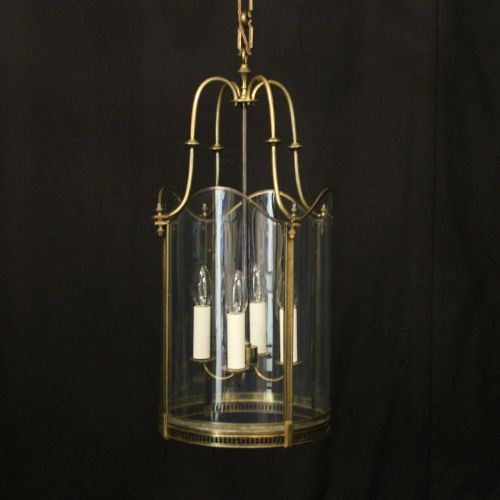
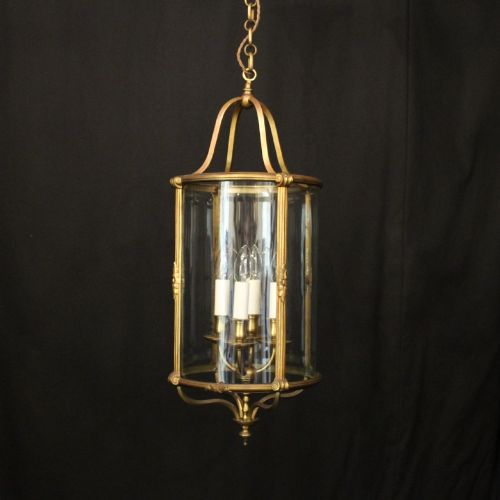
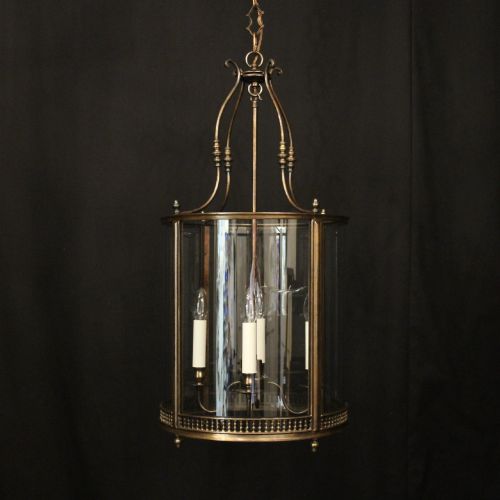
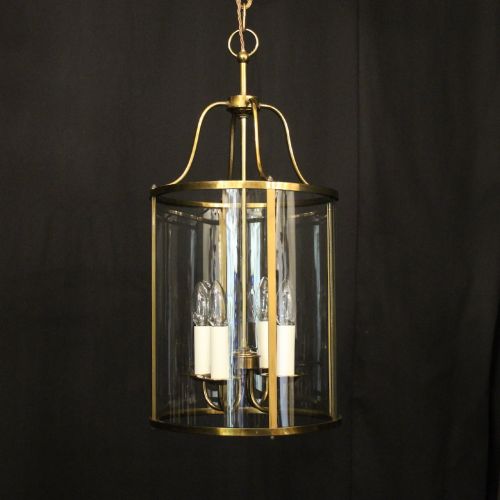


Four Light Lantern
A four light lantern brings impressive illumination and classical presence to a grand entrance hall or high ceiling space.

Identifying a four light lantern
A four light lantern is a hanging fixture designed to hold four internal lights, most frequently encountered as hall lanterns or pendant lights in interior spaces. These fixtures serve as overhead ceiling lighting, casting an even spread of illumination across large rooms and corridors.
The pieces seen here span the nineteenth century up to the nineteen-thirties, reflecting a long tradition of decorative ceiling lighting. English and French origins dominate the selection, often taking the form of substantial hall fixtures designed for prominent placement.
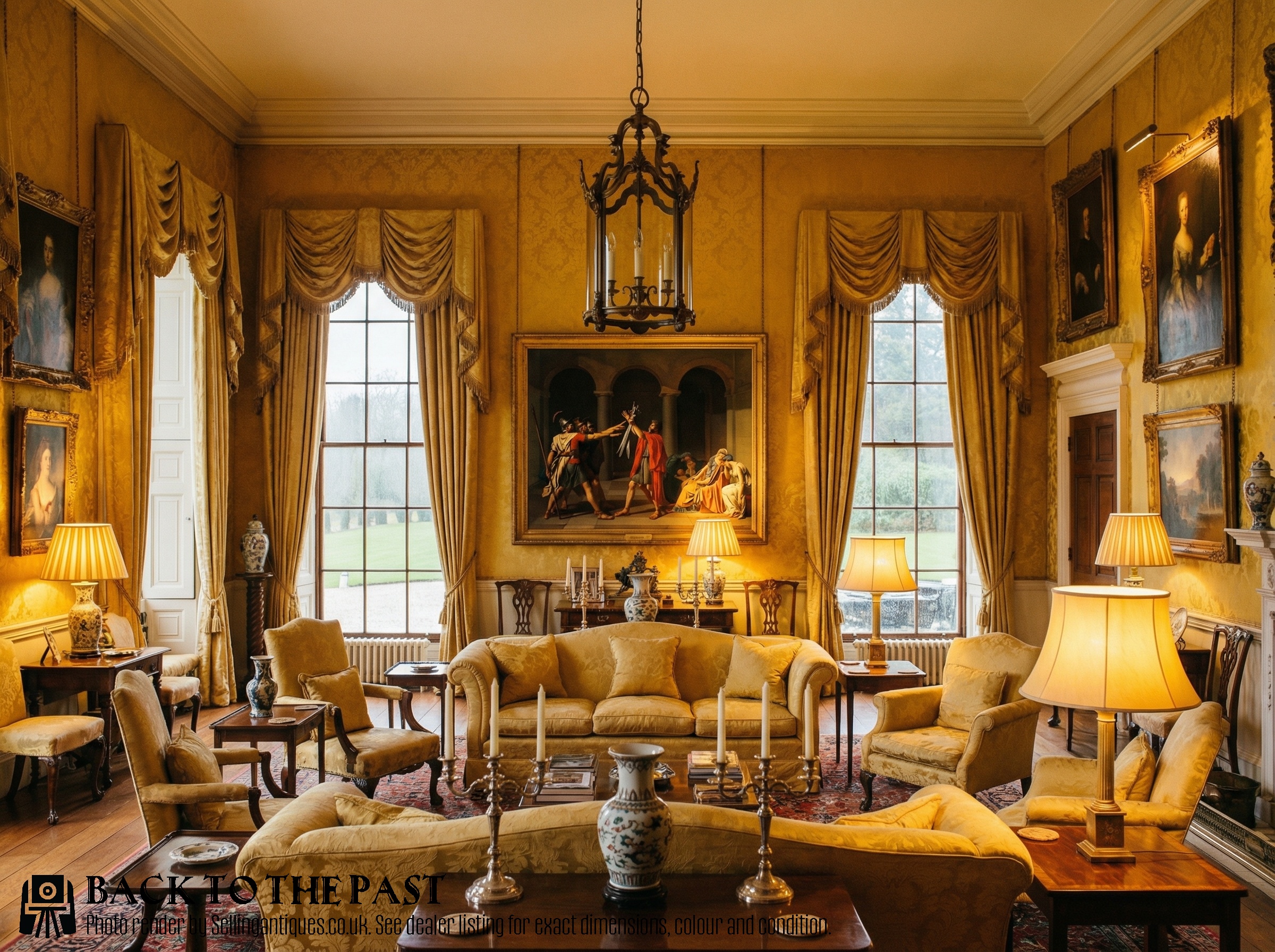
Materials and construction
Metal frameworks form the backbone of these pieces, utilising brass, bronze, steel, and gilded bronze or gilded brass. Glass panels enclose the light source, sometimes shaped into convex profiles to alter the refraction of the bulbs inside.
Gilding and silver gilding frequently finish the metal surfaces, adding reflective depth to the bronze and brass structures. Structural styles draw upon English Regency, French Neoclassical, Rococo Revival, and French Chateau aesthetics.
Retail Price Guide 2026
Typical UK retail prices for four light lantern, calculated from the Sellingantiques database of over a million retail prices indexed since 2003. This retail price guide relies exclusively on Sellingantiques data; no external sources or auction records are used, so the figures do not describe the wider market.
Convex glass panels were originally shaped to make four small candles look like a multitude dancing in the hallway.
Judging quality and proportion
Quality rests in the weight and substance of the metal frame, alongside the clarity and cut of any glass panels. Finer examples display crisp casting work in the bronze or brass mounts, maintaining balanced proportions across large dimensions.
The finish of the metal, whether polished brass or applied gilding, dictates the visual impact of the fixture. Scale also plays a part, with oversized and imposing versions demanding greater precision in construction to support the four light internal arrangement.
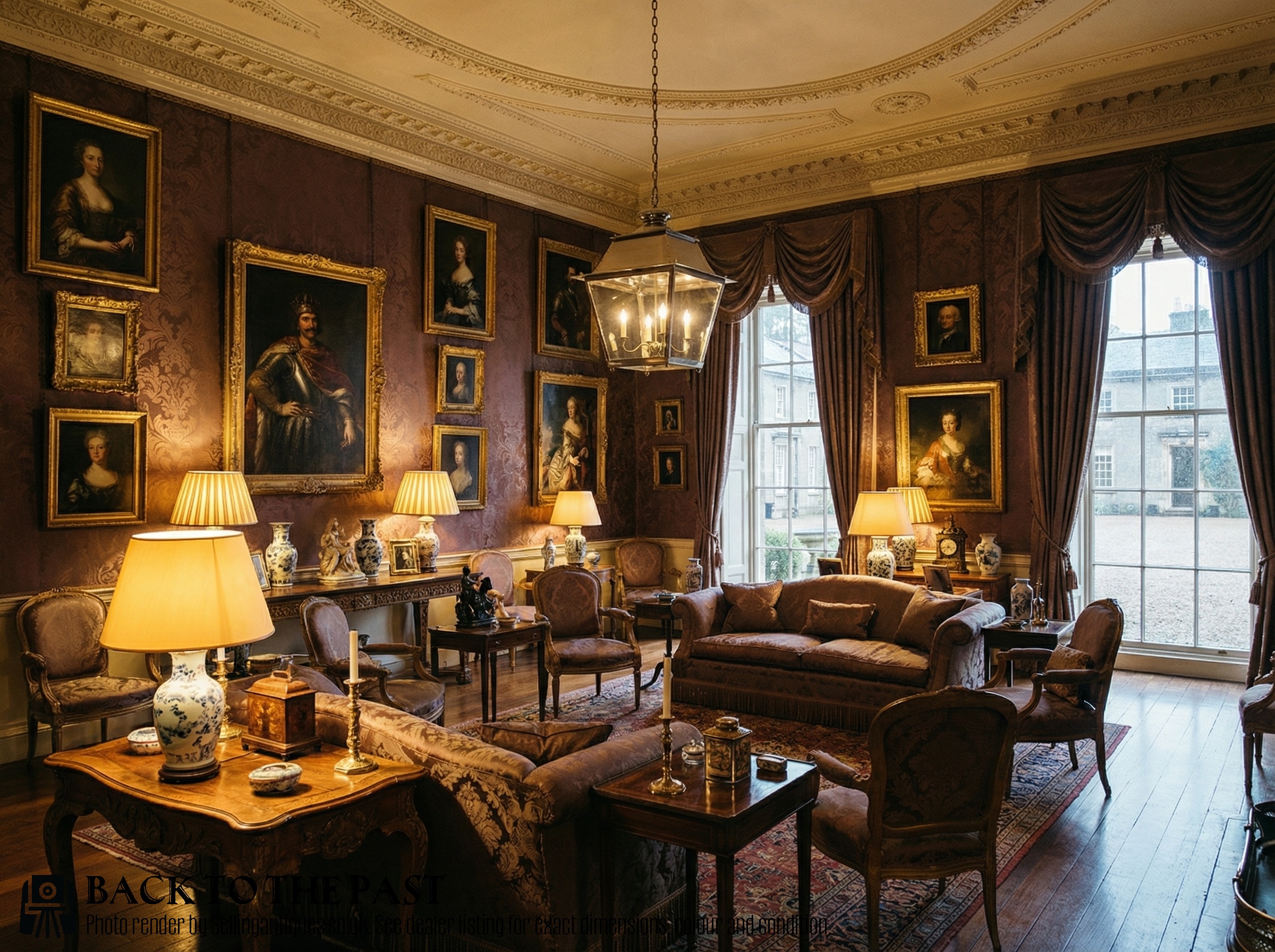
The Four Light Lantern Glossary
- Convex glass
- Curved glass panels that project outward to diffuse light across a wider angle. This treatment appears frequently on nineteenth-century and twentieth-century hall fixtures.
- Gilded bronze
- Bronze metal treated with a thin layer of gold leaf or gold powder. It provides a durable and rich finish often seen on French decorative lighting.
- Hall lantern
- A ceiling-hung lighting fixture specifically scaled for entryways, corridors, and stairwells. They provide strong vertical presence in tall spaces.
- Regency revival
- An aesthetic style drawing inspiration from the British Regency period, characterised by classical restraint and elegant metalwork. Pieces from later decades often adopt these motifs.
Frequently Asked Questions
Where should I hang a four light lantern?
These fixtures suit tall entrance halls, wide stairwells, and high-ceilinged reception rooms where their substantial drop and scale can be appreciated. Ensure adequate vertical clearance beneath the fixture for foot traffic.
Positioning them centrally allows the four internal lights to distribute illumination evenly across the surrounding space.
How do I determine the period of a lantern?
Dating relies on examining the metal composition, casting techniques, and stylistic vocabulary such as Rococo Revival or French Neoclassical details. Nineteenth-century examples often display heavier bronze casting compared to later iterations.
Matching the materials, such as steel and brass combinations, to known manufacturing eras helps narrow down the date of production.
Are these lanterns suitable for modern wiring?
Many surviving examples have been rewired to meet contemporary electrical standards while preserving their antique frames. It is standard practice to check the internal lamp holders and wiring upon acquisition.
Consulting a qualified electrician ensures safe installation with modern bulbs and ceiling fixings.
What is the difference between English and French styles?
English lanterns often favour clean brass or convex glass designs influenced by Regency traditions. French pieces frequently incorporate gilded bronze, rococo curves, and more ornate structural mounts.
Both traditions utilise four internal light sources, but the decorative language of the metalwork distinguishes their regional origins.