

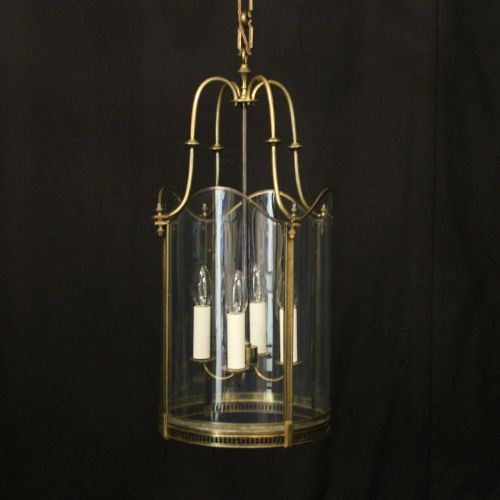
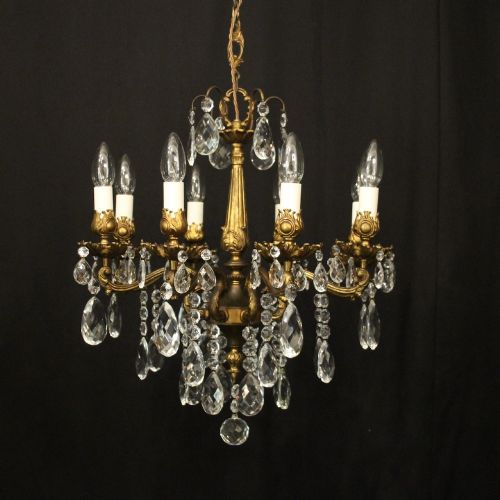
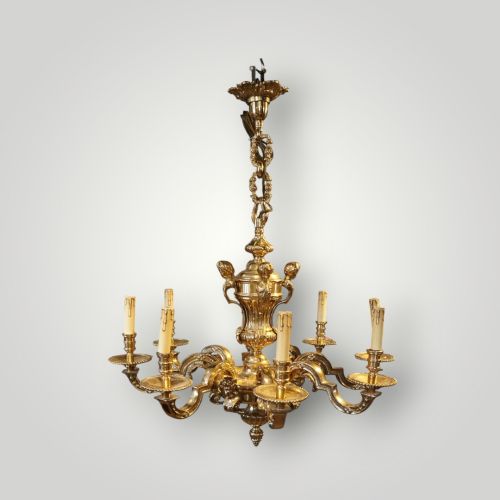
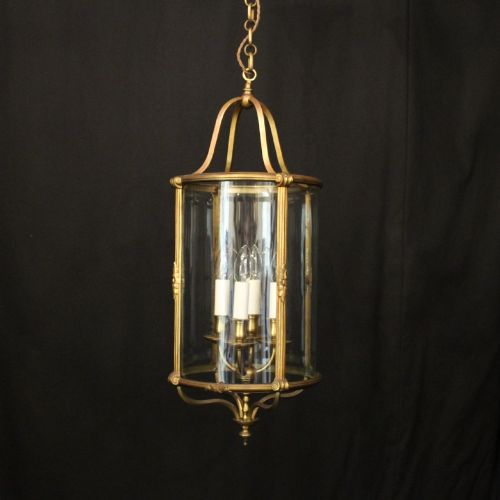
French Bronze Pendant
French bronze pendant lights bring substance and warmth to a room through cast metal and glass.

French Bronze Pendant
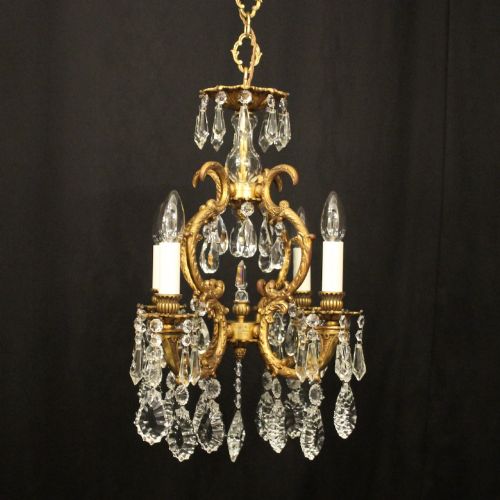
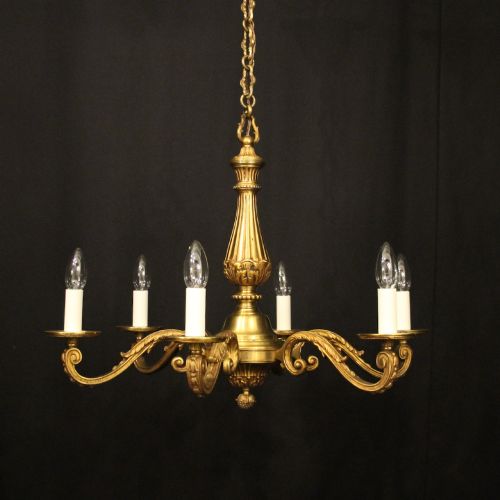
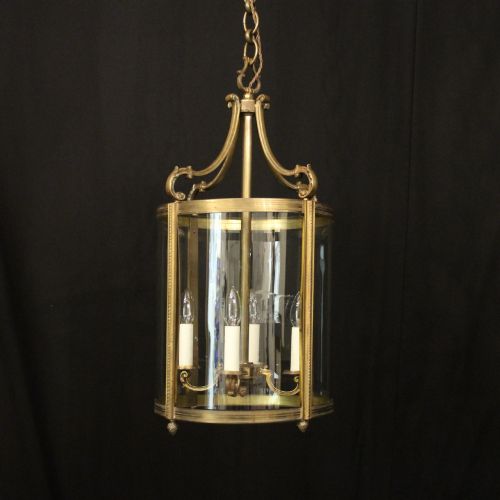
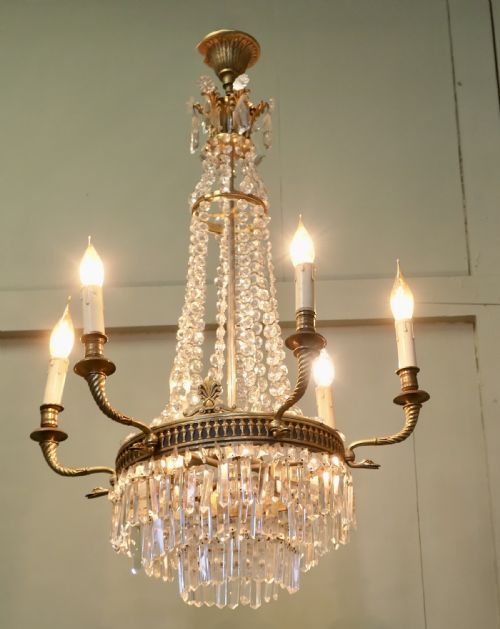
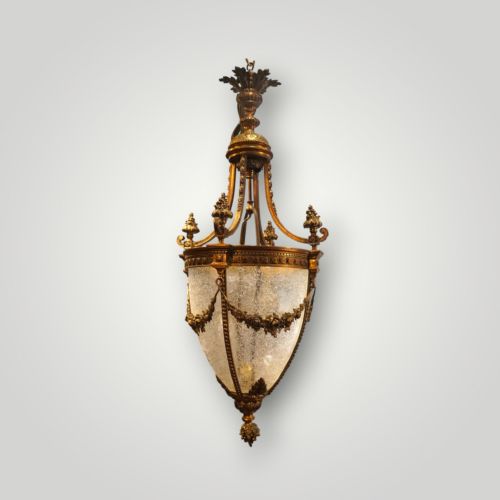
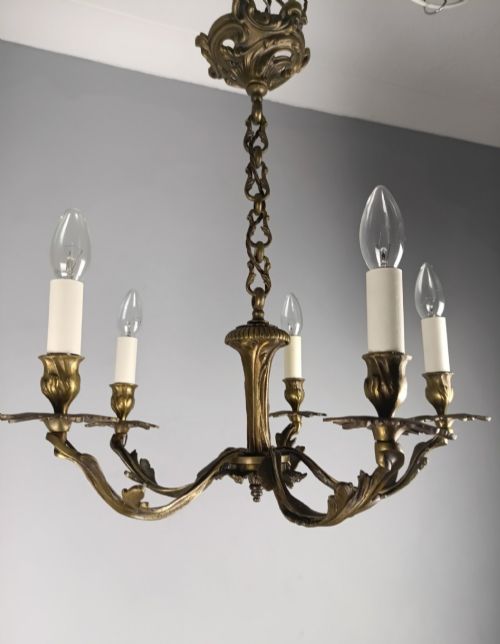
When you search for a french bronze pendant, you are looking at overhead lighting fixtures originating from France, spanning the nineteenth and early twentieth centuries. These pieces encompass multi-light chandeliers, hall lanterns, and single ceiling lights designed to hang centrally in a room.
The versions you are most likely to meet on this page date from the decades around nineteen hundred up to nineteen thirty. They appear in styles ranging from classic empire and neoclassical to Louis revival and chateau, often incorporating glass drops or crystals.
Materials and construction
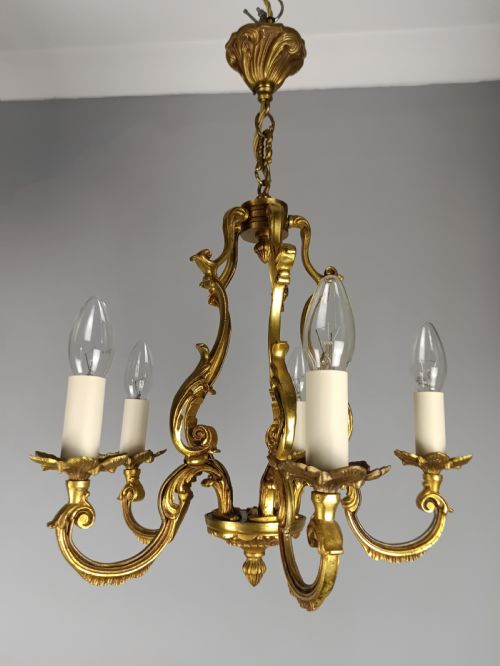
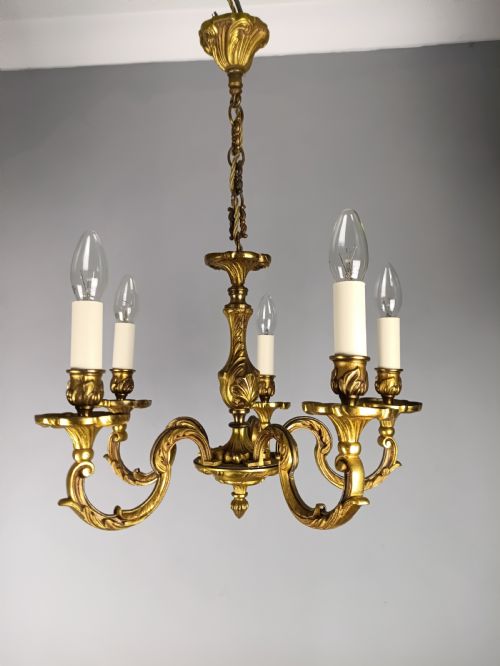
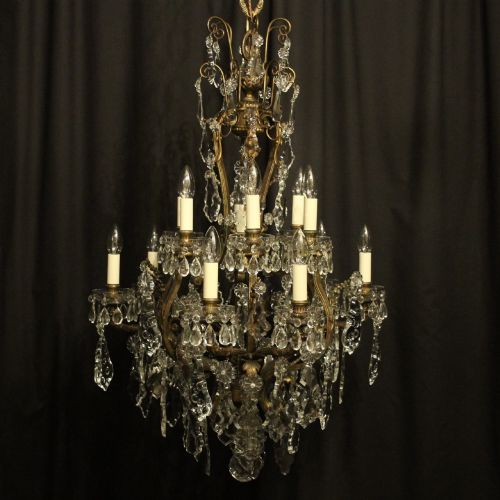
The primary structural metal is bronze, frequently gilded or silver gilt, alongside brass, spelter, and cast metal. Makers combined these metallic frames with cut glass crystals, alabaster, and glass shades to diffuse the light from multiple candle or electric arms.
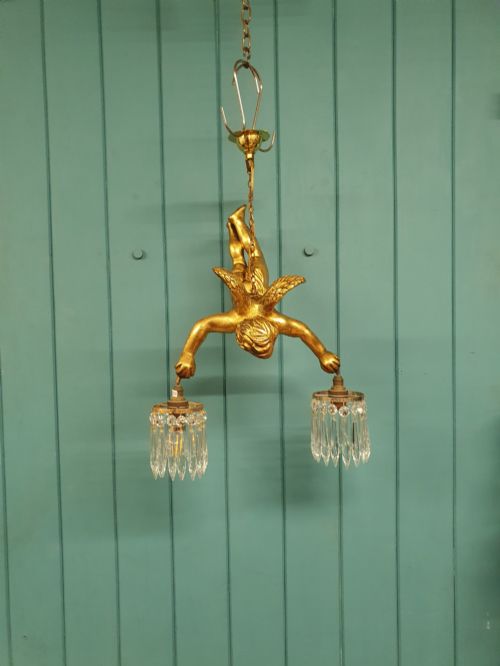
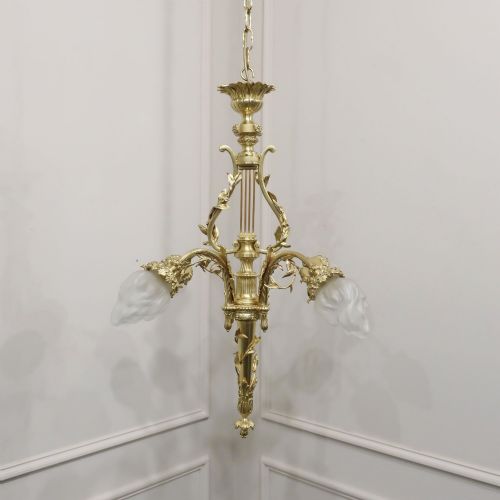
Casting methods allowed for detailed ornamentation such as cherubs, leaf decoration, and neoclassical motifs like the lyre. Components were assembled mechanically, joining cast bronze arms and rings with screws and pins to support glass drops and lanterns.
Several chandeliers include flying cherubs keeping a watchful eye over the room from their perch among the crystals.
Variations in quality
Quality rests in the crispness of the metal casting and the depth of the gilding applied to the bronze or brass frame. Finer examples display sharp definition in chased details such as acanthus leaves and cherub figures, whereas simpler pieces show softer edges.
The integrity of the glass elements also dictates the standard of the piece, with hand-cut crystals and heavy convex glass panels marking the upper tier of production over plain moulded glass.
G.E.C
The French Bronze Pendant Glossary
- Gilt bronze
- Bronze that has been coated with a thin layer of gold or gold-coloured leaf. This finish protects the metal and provides a bright metallic sheen.
- Tent and waterfall
- A chandelier configuration where strings of crystals form an upper tent shape above a lower cascade of glass drops. This design maximises light reflection.
- Hall lantern
- An enclosed ceiling-hung light fixture designed for entranceways and corridors. They often feature convex glass panels held within a bronze frame.
- Spelter
- A zinc alloy commonly used as a less expensive substitute for bronze in decorative figures and mounts. It takes plating and patination well.
- Neoclassical style
- A design movement drawing inspiration from classical antiquity, featuring symmetrical lines, urns, and lyre motifs. It appears frequently in nineteenth-century lighting.
French Bronze Pendant: Frequently Asked Questions
How do I hang a heavy French bronze pendant?
These fixtures require direct attachment to ceiling joists using a suitable mounting hook or bracket that can support the substantial weight of cast bronze and crystal.
Professional electrical installation is recommended to safely connect the internal wiring to your mains supply.
Were these pendants originally wired for electricity?
Most pieces from the nineteenth and early twentieth centuries were originally designed for candles or gas before being converted for electric bulbs.
Rewired examples are common to meet modern electrical safety standards while retaining their period frames.
How do I clean a crystal chandelier pendant?
Remove dust gently using a feather duster or microfiber cloth on both the bronze frame and the hanging glass crystals.
For deeper cleaning, apply a mild soapy solution to the glass components while they remain attached, drying them immediately to protect the metal.
How do I identify the period of a bronze pendant?
Examine the stylistic details, such as empire motifs, art nouveau lines, or louis revival ornamentation, alongside the construction methods of the metal frame.
Dates typically range from the nineteenth century through the interwar period of the nineteen twenties and thirties.