

Antique Entry Light
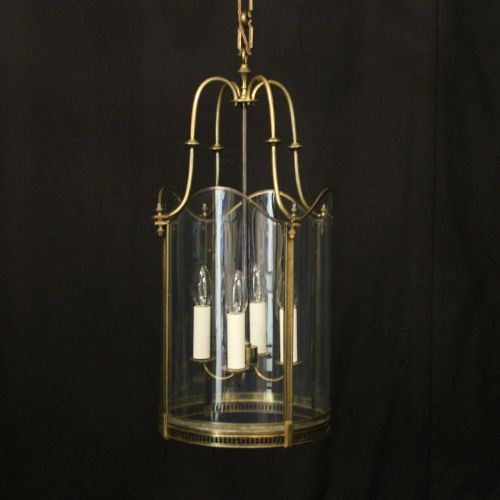
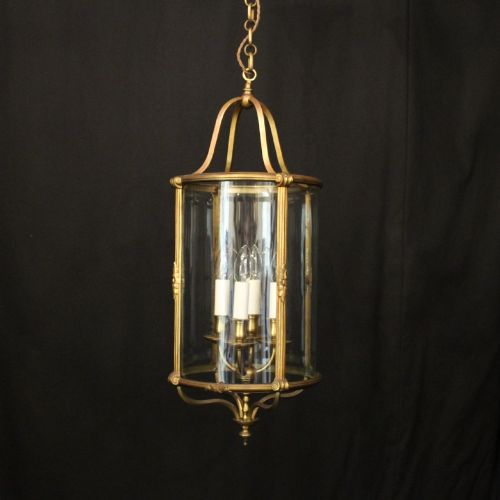
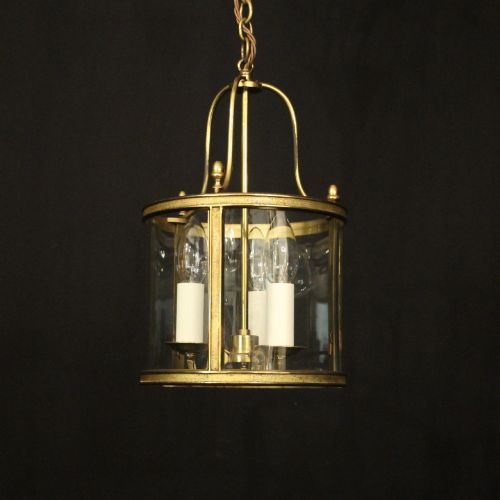
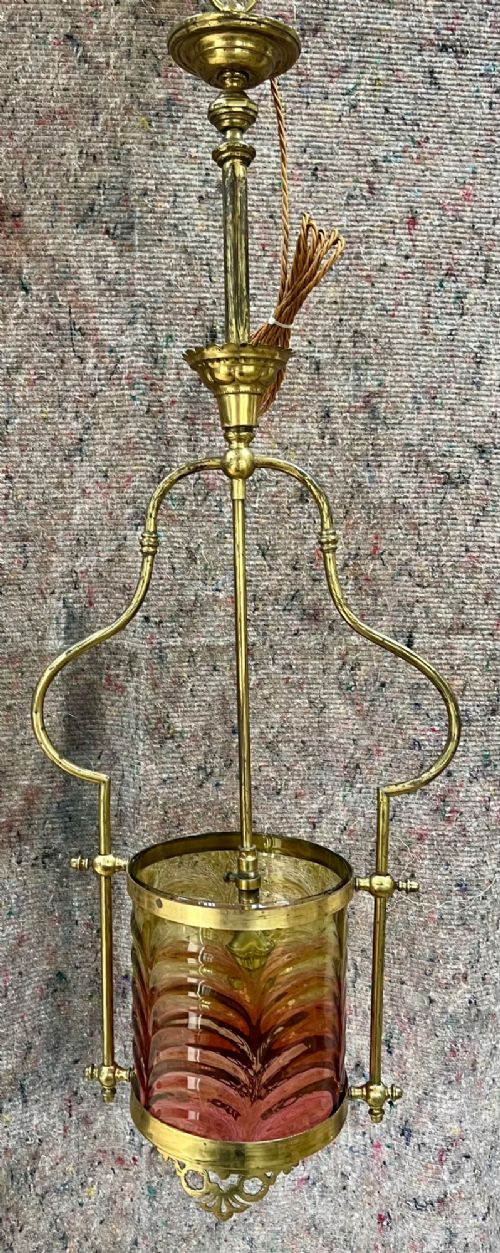
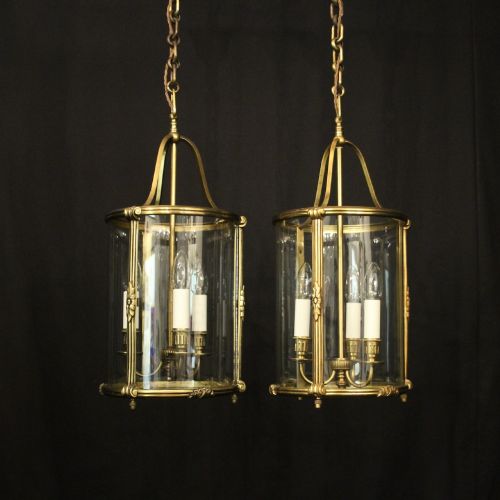
An antique entry light brings a distinct presence to a hallway, framing the threshold with period character and polished metal.

Antique Entry Light
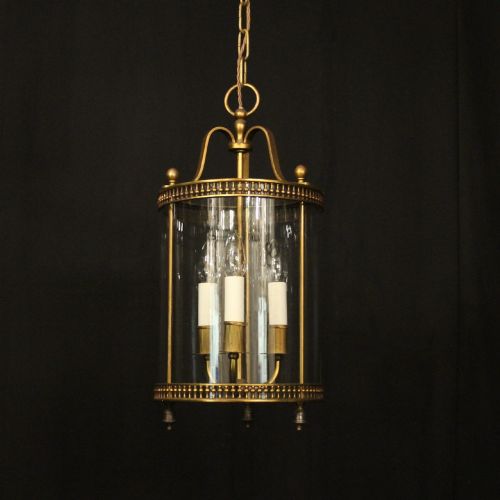
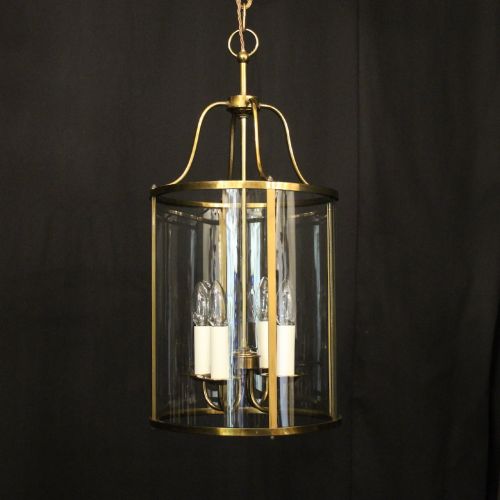
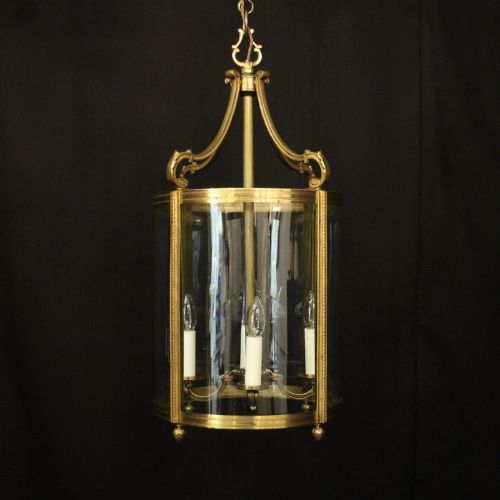
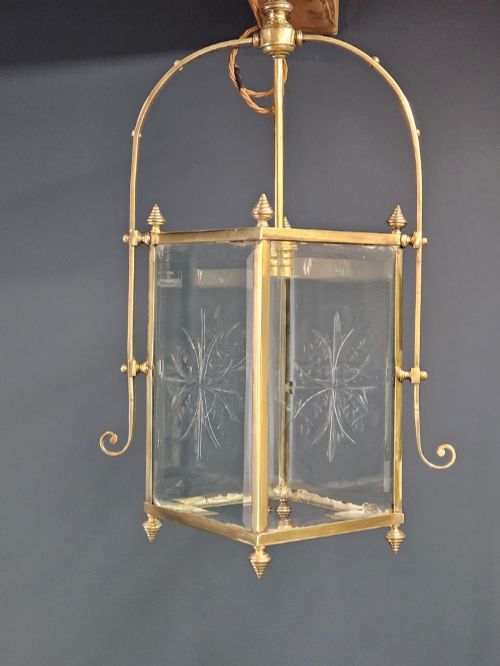
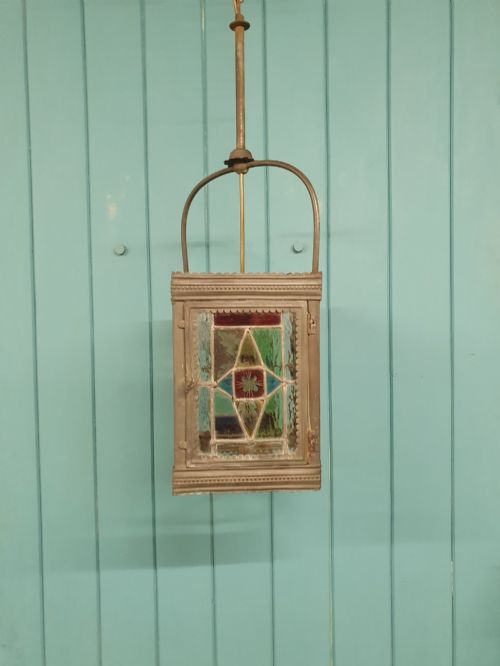
An antique entry light serves to illuminate a hallway, vestibule or landing while establishing the decorative tone of a home from the moment the front door opens. Buyers seeking these fixtures encounter a strong representation of hall lanterns, hanging lights and ceiling lighting spanning periods from the nineteenth century through the 1930s.
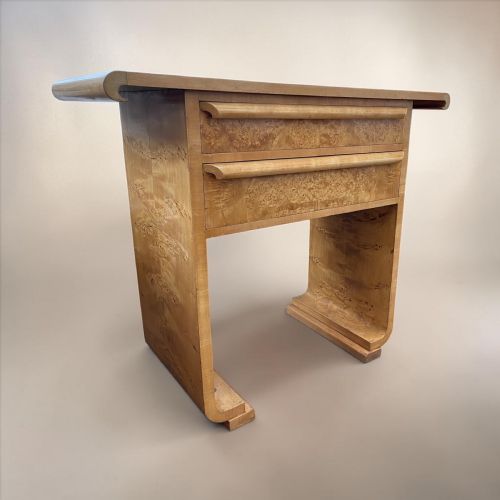
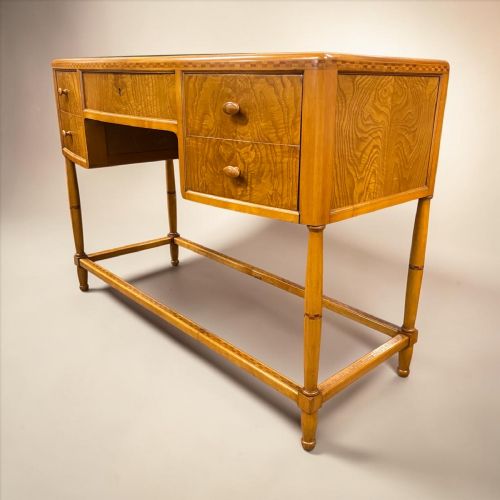
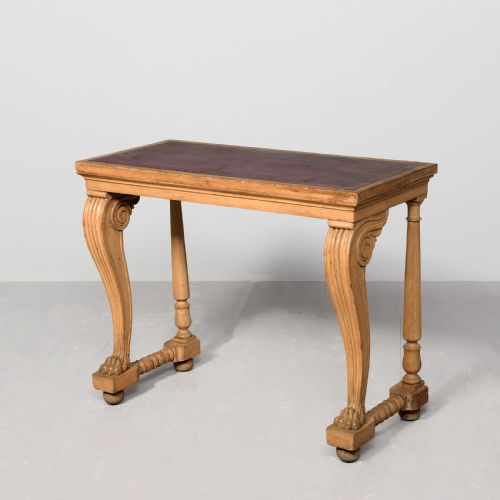
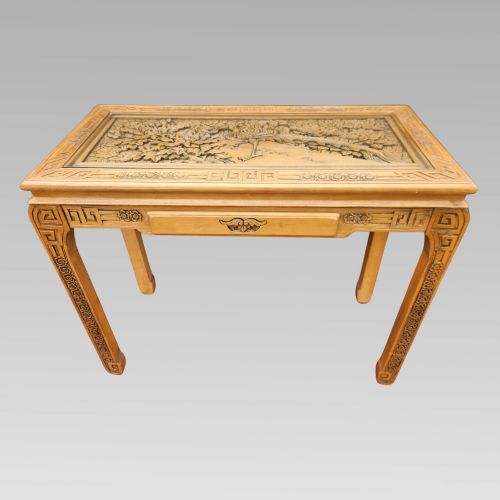
The selection leans heavily toward French designs, notably rendered in styles such as French Rococo, Neoclassical and Art Deco. Alongside these hanging fixtures, listings include related hall furniture like console tables and centre tables in oak and elm, creating a cohesive vocabulary for period entranceways.
Most pieces date from the early twentieth century, specifically the 1920s and 1930s, alongside Edwardian and nineteenth-century examples. The dominant format is the ceiling-hung lantern, utilising glass panels set within metal frameworks to cast clear illumination across an entrance space.
How they were made
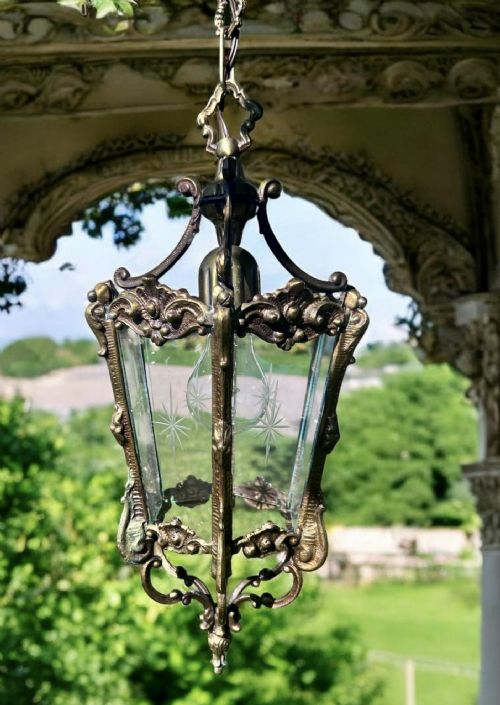
Makers constructed these lanterns using metals such as brass, bronze, copper and gilded bronze, often applying a gilt finish to enhance the reflective quality under artificial and natural light. Metalwork frames were hand-assembled to support leaded or bevelled glass panes, creating rigid structures designed to hang securely from ceilings.
Glass panels were cut specifically to fit convex, octagonal or rounded frames, requiring precise glazing techniques to maintain structural integrity. Surface ornamentation on the metal components involved casting and chasing, particularly within French chateau and neoclassical traditions where decorative mounts and frames display intricate detail.
Listings feature brass, bronze, copper and oak across Edwardian, Art Deco and nineteenth-century periods.
What varies in quality
The distinction between tiers of quality rests largely on the sophistication of the metalwork casting and the depth of the gilding applied to the bronze or brass frames. Heavier gauges of metal and crisper chased detail indicate a higher standard of manufacture, whereas simpler frames rely on basic sheet construction.
The complexity of the glasswork also drives variation, with bevelled or curved convex panes representing a more ambitious level of craftsmanship than flat, plain glass panels. Furthermore, matched pairs and multi-light configurations demand greater technical skill in design and assembly than single-light variants.
Fortnum and Mason·James Mein of Kelso
The Antique Entry Light Glossary
- Hall lantern
- A ceiling-hung lighting fixture enclosed in glass and metal, designed specifically for narrow circulation spaces like entrance halls and corridors. These pieces often feature hinged access doors for maintenance.
- Gilded bronze
- Bronze metal treated with a thin layer of gold leaf or gold powder suspension to give a rich, reflective golden surface. This finish was favoured in French decorative arts for its durability and lustre.
- Convex glass
- Glass panes curved outward to create a rounded profile, diffusing light across a wider angle than flat glass. It requires specialised manufacturing techniques to achieve an even curve without distortion.
- Arts and Crafts
- A design movement emphasising handcraftsmanship, traditional materials and simple utility over mass production. Pieces from this tradition often display honest construction and minimal, organic ornamentation.
- Console table
- A narrow table designed to stand flat against a wall, frequently placed in entrance halls to hold correspondence or decorative items. They often match the stylistic vocabulary of contemporary hall lanterns.
Antique Entry Light: Frequently Asked Questions
How do I hang a heavy antique lantern?
Hanging a heavy bronze or brass lantern requires securing the fixture directly into ceiling joists or installing a proper weight-bearing hook. Professional electrical installation ensures the supporting chain or rod safely bears the load.
Because many vintage lanterns feature solid metal frames and thick glass panels, standard lightweight ceiling boxes are insufficient. Consulting an electrician before mounting guarantees the hardware supports the piece securely.
Can these lights be wired for modern bulbs?
Most antique lanterns accommodate modern electrical wiring with minor adjustments by a qualified professional. Interior lamp holders can be updated to meet current safety standards while preserving the exterior historic appearance.
Rewiring also allows for the integration of low-energy or dimmable bulbs. This makes historic fixtures practical for daily use in contemporary entryways.
How do I clean an antique brass light?
Cleaning antique brass requires a soft cloth and mild soapy water to remove dust and surface grime without stripping patination. Avoid harsh chemical polishes that can permanently alter the aged surface quality.
Glass panels can be removed carefully if the frame permits, allowing for thorough washing. Keeping the metal dry prevents corrosion and preserves the authentic finish.