

Gold Crystal Light
Gold crystal light pieces bring together faceted glass and metalwork, offering illumination and sparkle for domestic interiors.
What gold crystal light means for your home
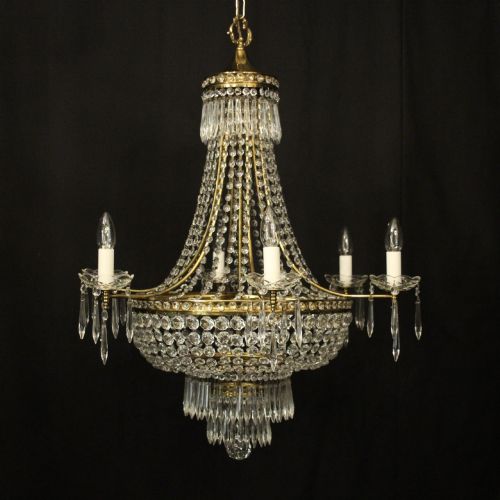
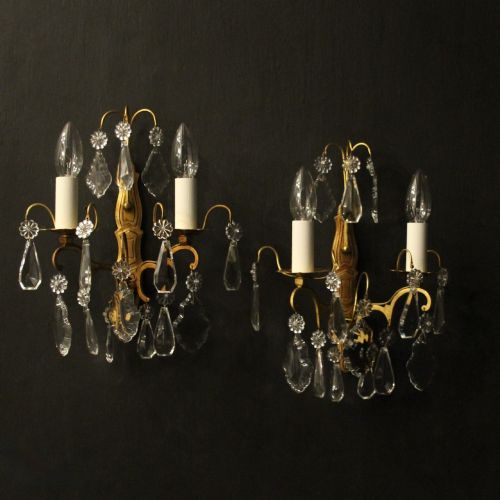
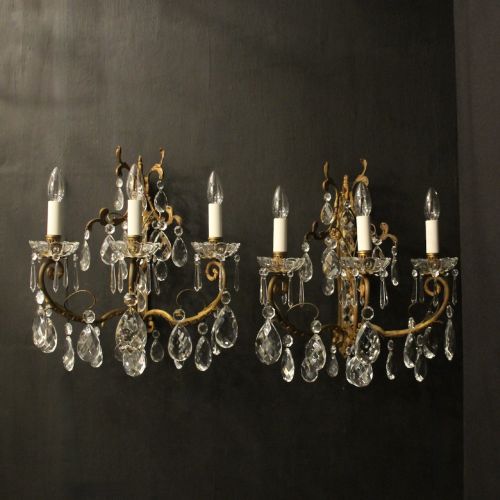
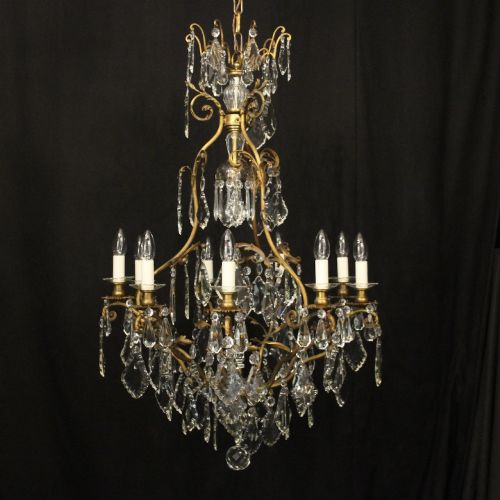
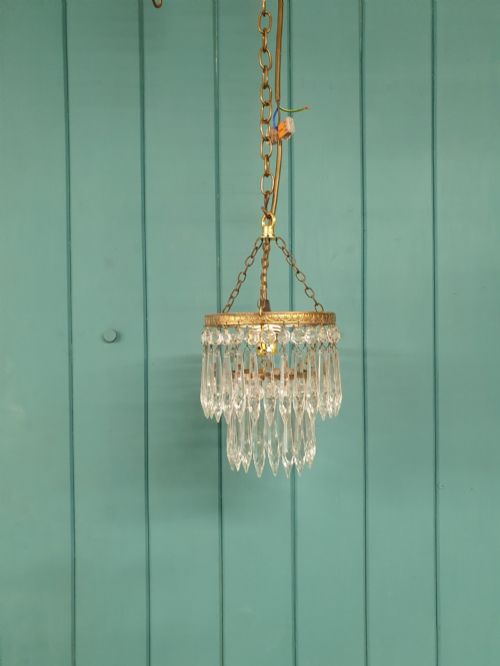
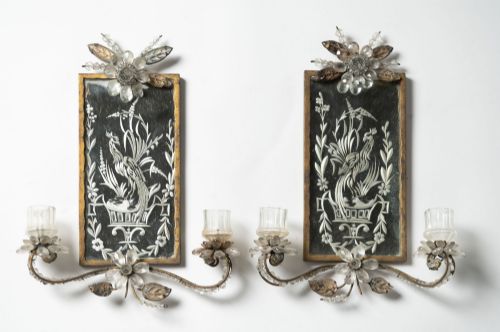
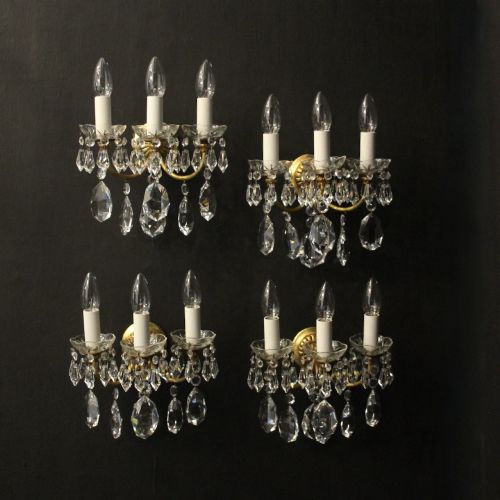
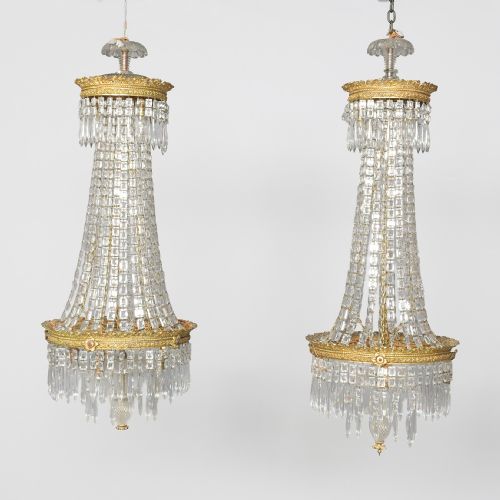
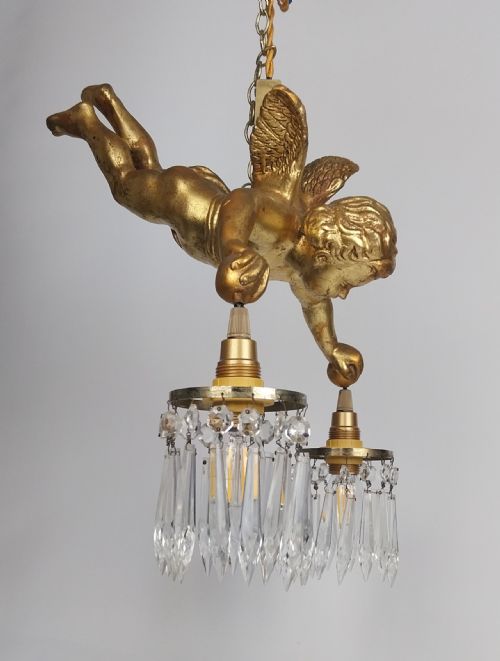
When searching for gold crystal light items, collectors encounter two distinct categories spanning chandeliers and jewellery. The lighting category dominates the selection, featuring hanging fittings adorned with glass and metalwork from the nineteenth and early twentieth centuries.
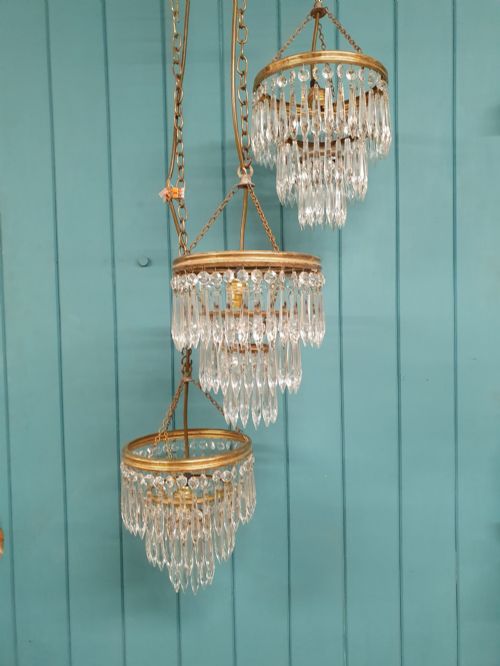
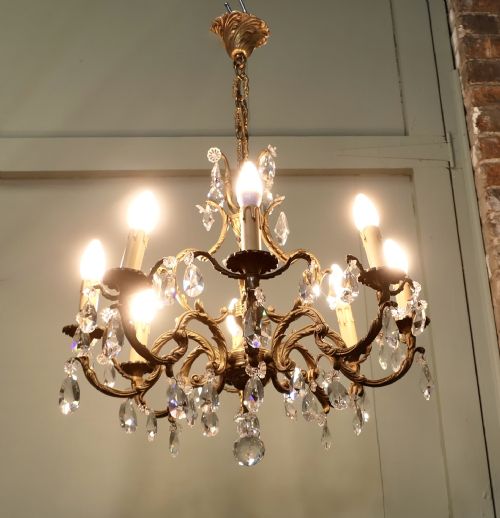
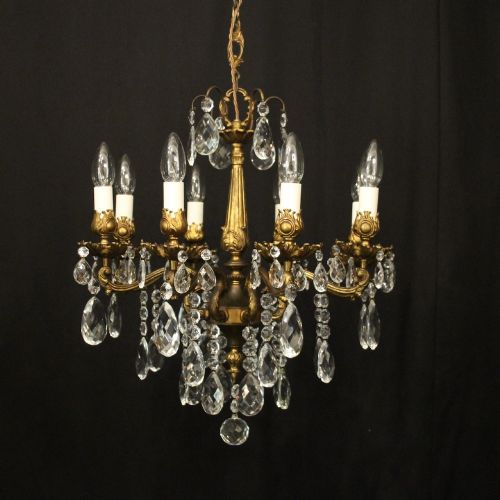
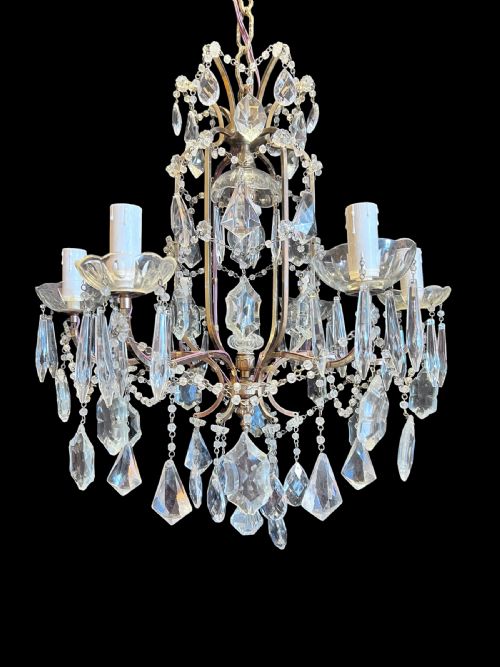
Chandeliers form the primary focus of these listings, originating from periods such as the nineteenth century, nineteen-ten, nineteen-twenty, and nineteen-thirty. These fixtures draw upon Italian Florentine, French Chateau, French Rococo, and French Empire styles to create decorative overhead illumination.
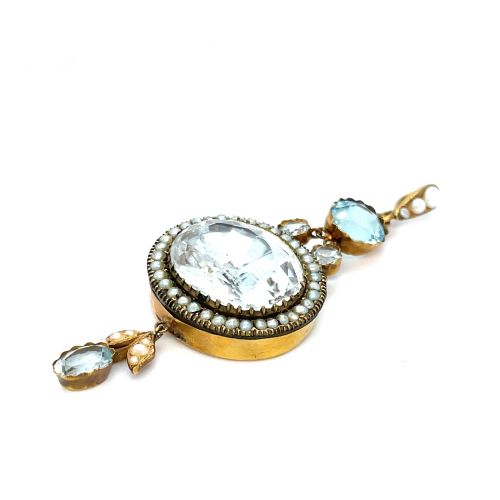
Jewellery pieces also appear in the historical archive under this description, specifically utilising solid or rolled gold alongside spherical glass drops. These wearable items demonstrate how the terminology applies to both interior fixtures and personal adornment.
Materials and construction methods
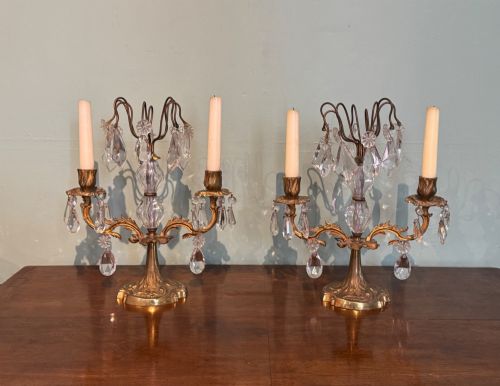
The physical construction relies heavily upon combinations of glass, crystal, and cut crystal glass paired with metallic elements. Makers utilised gilt metal, gilded brass, gilt brass, gilded bronze, and gilt bronze to form the structural frames and decorative mounts.
Jewellery items in the archive incorporate nine-carat rolled gold and fifteen-carat yellow gold to hold spherical crystal elements securely. Lighting fixtures employ metal armature to suspend multiple glass drops, beads, and pendants in tiered arrangements.
Retail Price Guide 2026
Typical UK retail prices for gold crystal light, calculated from the Sellingantiques database of over a million retail prices indexed since 2003. This retail price guide relies exclusively on Sellingantiques data; no external sources or auction records are used, so the figures do not describe the wider market.
Spherical crystal drops were once worn as earrings to create shimmering pools of light.
Distinguishing quality across pieces
Quality in these items rests upon the precision of metal gilding and the clarity of the glass elements. Heavier metal castings and more intricate bronze work separate superior decorative fixtures from simpler brass frames.
The complexity of the design also dictates the standard of the piece, with multi-tiered structures, waterfall drops, and specialised forms like birdcage frames demonstrating higher ambition in manufacturing.
The Gold Crystal Light Glossary
- Gilt bronze
- Metal alloy coated with a thin layer of gold. This material provides a durable and rich metallic surface for decorative mounts.
- Cut crystal
- High-clarity glass shaped with geometric facets. These cuts enhance the refraction of illumination.
- Birdcage chandelier
- A lighting fixture featuring a curved wire frame resembling a cage. This traditional form supports numerous hanging glass drops.
- Rolled gold
- A thin sheet of gold mechanically bonded to a base metal core. This technique offered the appearance of solid precious metal at a lower cost.
Frequently Asked Questions
What periods do these pieces come from?
The lighting fixtures date primarily from the late nineteenth century through to nineteen-thirty. Jewellery items in the archive represent Victorian and Edwardian production.
These dates reflect the manufacturing eras recorded in the available evidence for both categories.
Which styles are most common?
French Rococo, French Empire, and Italian Florentine designs appear frequently among the lighting fixtures. These styles dictate the decorative details of the metal frames.
Buyers will also encounter French Chateau influences within the selection of hanging chandeliers.
What materials make up the frames?
Frames utilise gilded brass, gilt brass, gilded bronze, and gilt bronze for the metallic structures. These metals provide the gold-coloured foundation that supports the glass elements.
Jewellery pieces incorporate nine-carat and fifteen-carat gold alongside the crystal components.
How do chandeliers and jewellery connect?
Both categories share the use of crystal glass and gold-toned metals to manipulate illumination. Chandeliers disperse light across a room using suspended glass drops.
Archive jewellery items use solid gold settings to hold spherical crystal stones known as pools of light.