

Antique Ceiling Fitting
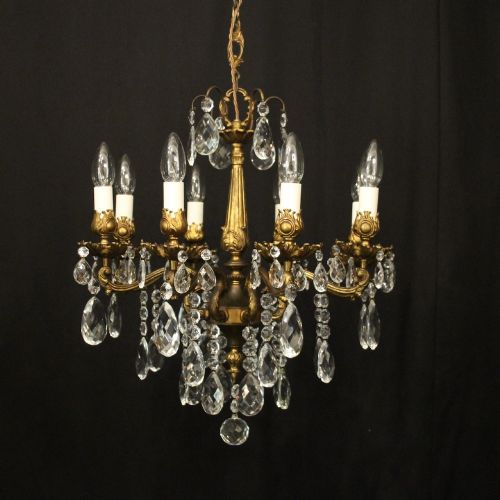
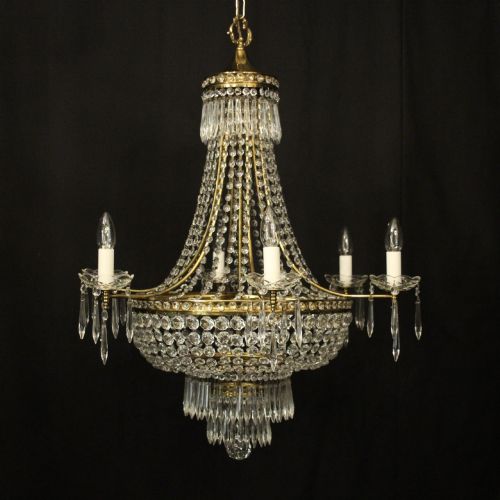
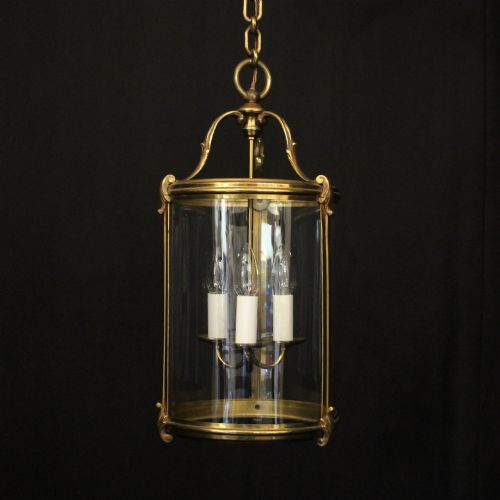
These antique ceiling fitting examples range from nineteen-thirties Florentine chandeliers to nineteenth-century ormolu designs, offering the exact illumination period rooms demand.
What these pieces are
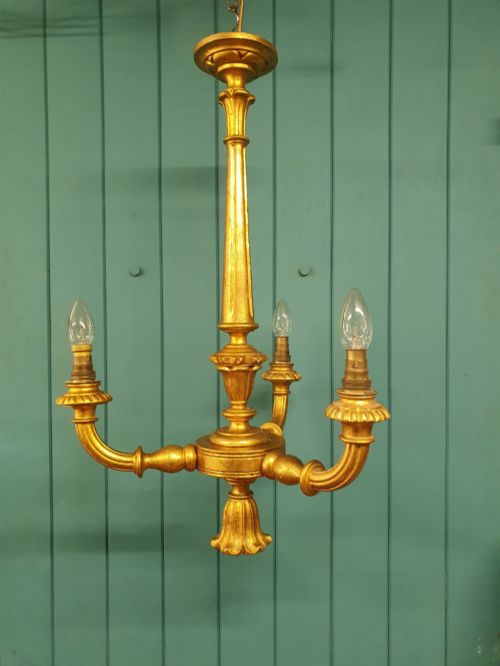
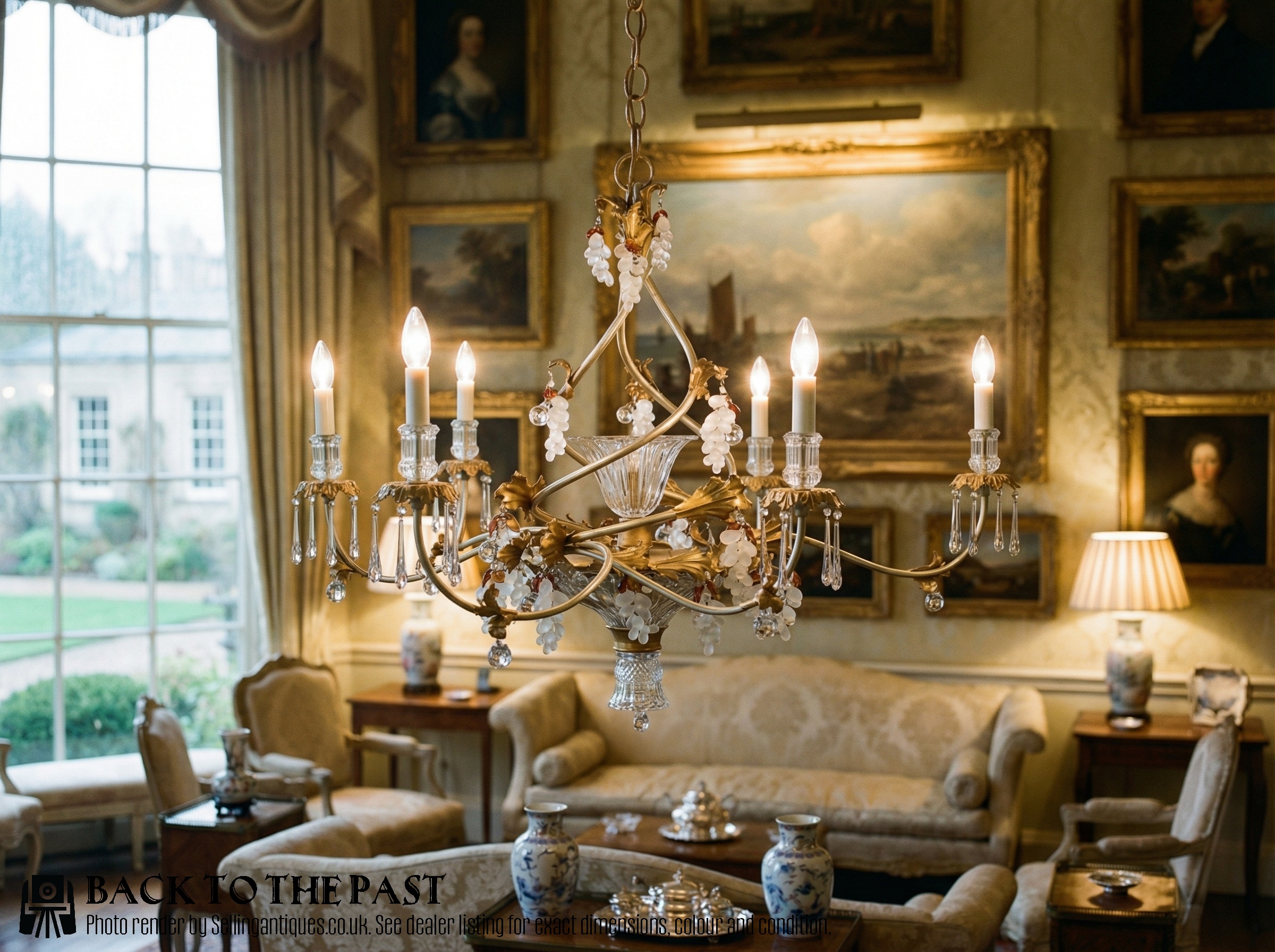
An antique ceiling fitting search covers large multi-light chandeliers and electrified glass shades originating from the nineteenth century through to nineteen-thirty. These objects serve as primary room illumination while functioning as major decorative centrepieces.
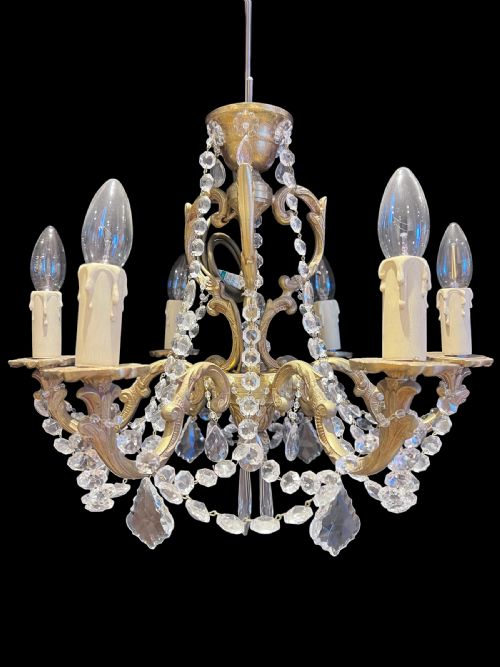
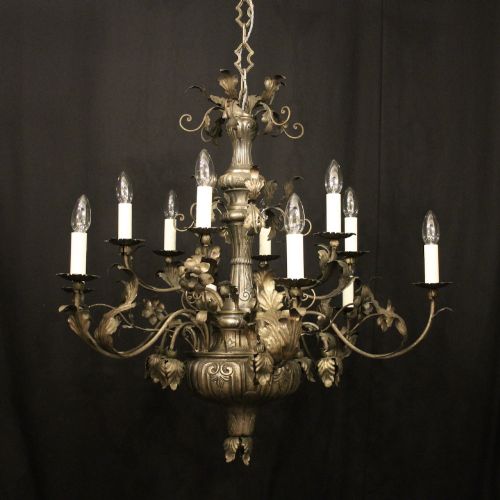
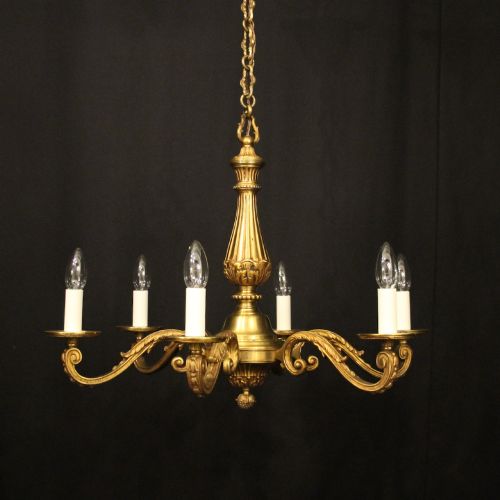
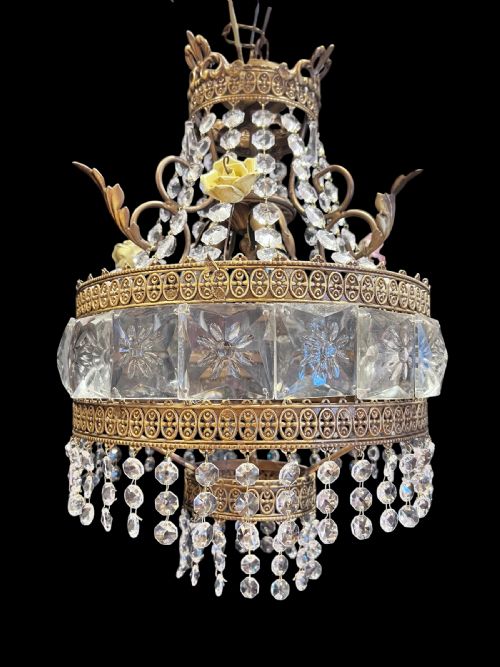
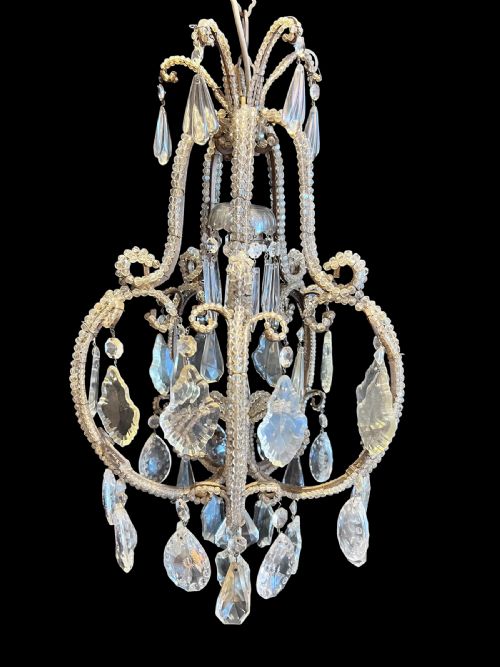
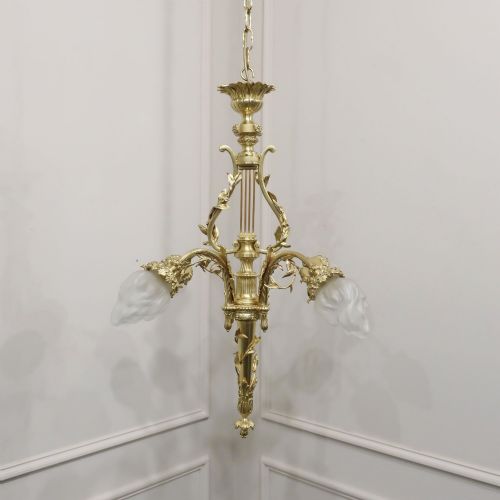
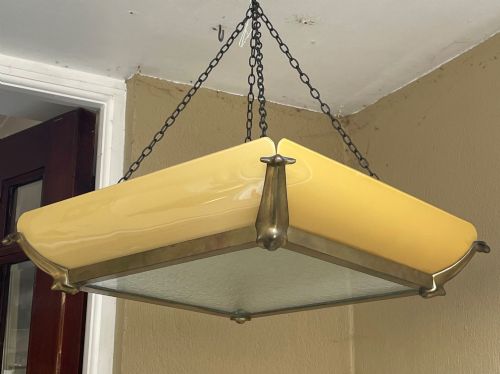
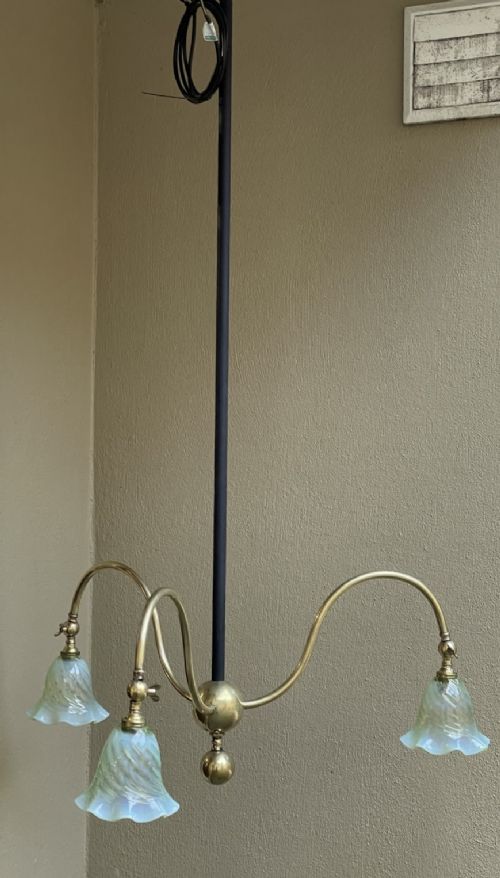
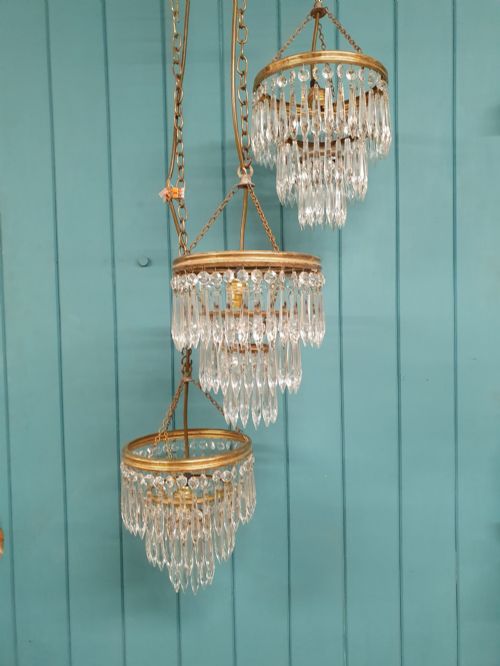
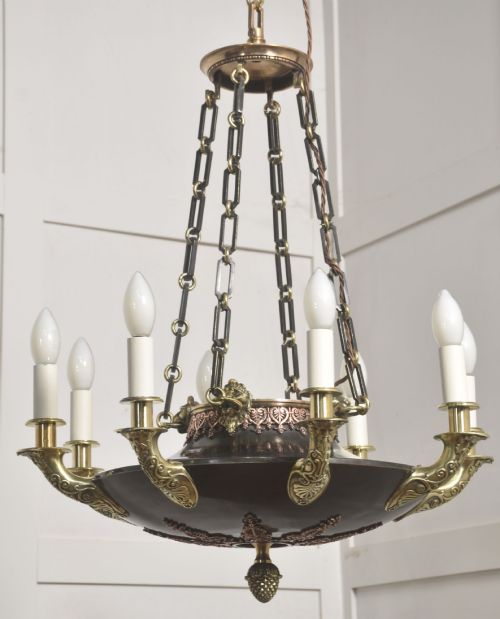
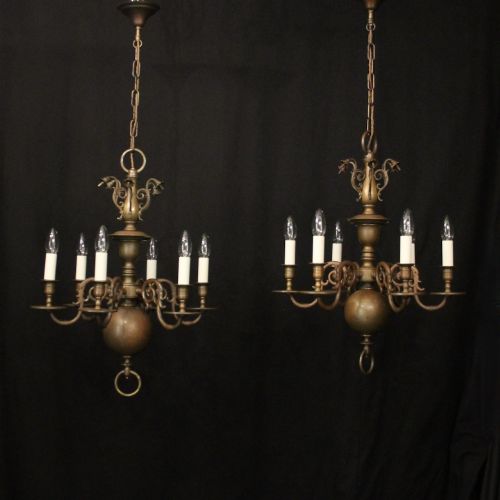
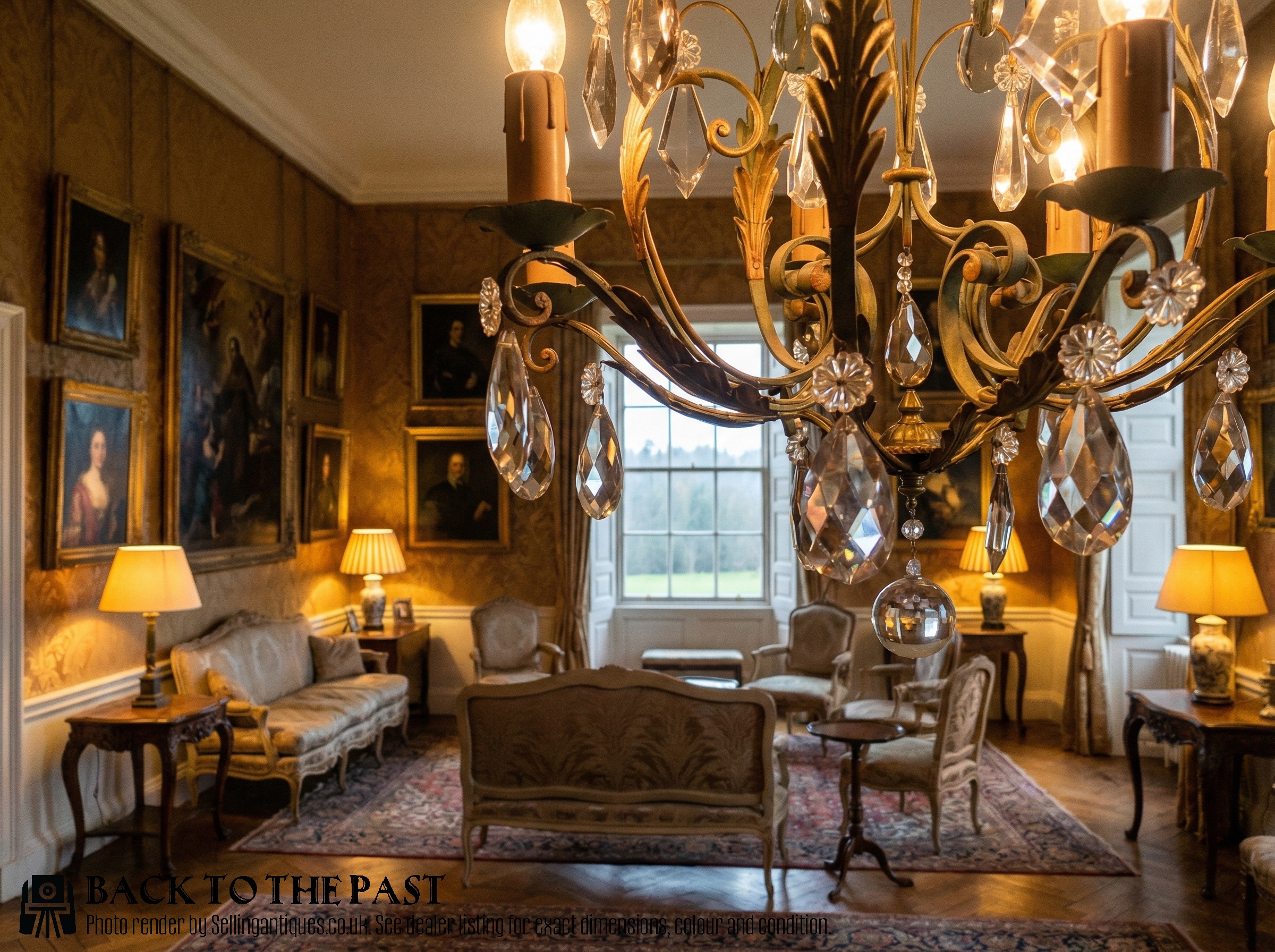
The selection on this page relies heavily on Florentine, French Provincial, and French Empire styles, often spanning multiple tiers and numerous light sources. Buyers frequently encounter ornate gilt metal and crystal configurations alongside simpler glass lamp shades from the Edwardian era.
How they were made
Maker workshops utilised traditional metalworking techniques to shape brass, steel, and ormolu into structural frames, applying gilt finishes for a rich metallic lustre. Glass and crystal elements were individually cast, cut, and wire-bound or beaded onto the primary framework.
Electric fittings and fabric components appear alongside classical metal constructions, reflecting the transition from early lighting methods to wired domestic environments during the early twentieth century.
Retail Price Guide 2026
Typical UK retail prices for ceiling fitting, calculated from the Sellingantiques database of over a million retail prices indexed since 2003. This retail price guide relies exclusively on Sellingantiques data; no external sources or auction records are used, so the figures do not describe the wider market.
Listings span the nineteenth century, nineteen-twenty, and nineteen-thirty, incorporating brass, crystal, steel, and fabric materials.
What varies in quality
Quality differences emerge in the weight of the metalwork and the precision of the gilt or ormolu application across the frame. Heavier cast bronze and detailed hand-cut crystal drops indicate superior workshop standards compared to lighter stamped alternatives.
The complexity of the design, such as multi-tiered Florentine floral arrangements or large beaded structures, dictates the level of artisan labour invested in the original construction.
The Antique Ceiling Fitting Glossary
- Ormolu
- A technique of applying finely ground high-carat gold to a bronze object, creating a rich golden surface finish that resists tarnish. This method defines high-end French decorative metalwork.
- Florentine
- A regional Italian style characterised by ornate floral motifs, leaf scrollwork, and gilded surfaces. These pieces often incorporate elaborate crystal drops and multiple light tiers.
- Holophane
- A brand of prismatic glass light fittings engineered to direct and diffuse illumination evenly across a space. Edwardian examples utilise specific ribbing patterns to reduce glare.
- Vaseline glass
- A type of glass coloured with uranium oxide, producing a distinctive yellow-green hue that glows under ultraviolet light. It appears frequently in early electric lamp shades.
Frequently Asked Questions
How do I hang a heavy antique chandelier?
Heavy chandeliers require direct structural support from ceiling joists rather than standard plaster fixings. A qualified electrician must install a suitable load-bearing ceiling hook.
Weight distribution matters greatly with multi-tier brass and crystal fittings. Ensuring the mounting hardware matches the total mass prevents structural failure.
Are these fittings wired for modern electricity?
Many older ceiling fittings retain historical wiring components or early lampholders that require professional rewiring to meet current safety standards. An electrician can update internal cables while preserving the external antique appearance.
Checking the bulb type, such as standard bayonet fittings, ensures compatibility with modern domestic power supplies.
How do I clean crystal and gilt fittings?
Dust accumulates on multi-light frames and crystal drops over decades of use, requiring gentle cleaning with a soft cloth and mild soapy water. Strong chemical cleaners strip gilt finishes and damage delicate metal patinas.
Removing individual crystal beads for washing allows thorough cleaning without stressing the underlying wire mountings.
What defines the French Empire style?
The French Empire style draws heavily on classical Roman and Greek motifs, featuring symmetrical metalwork and rich ormolu details. These fittings project formal grandeur suitable for high-ceilinged reception rooms.
Proportions tend to be robust and architectural, contrasting with the lighter, more floral Florentine aesthetic.