

Gilded Crystal Chandelier
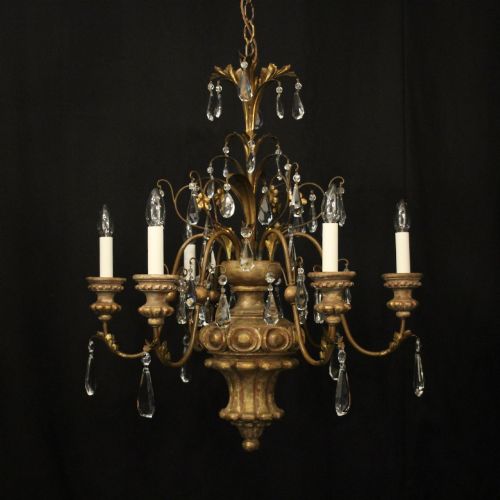
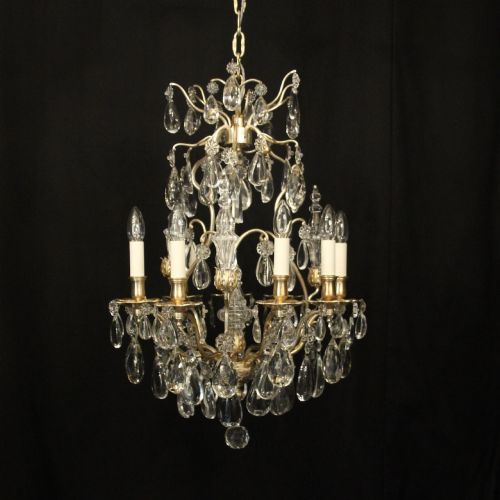
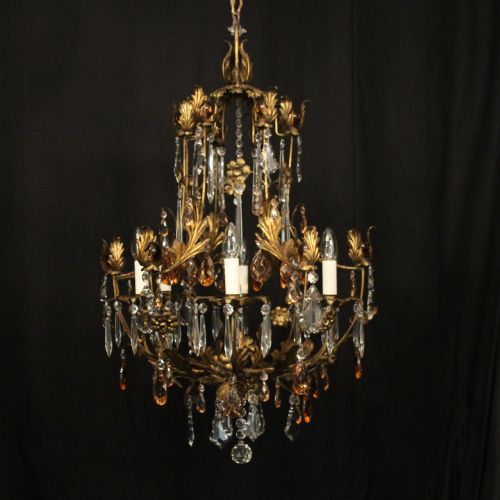
A gilded crystal chandelier brings luminous depth and ornate metalwork to a room, drawing the eye upwards through cascading glass drops.
Gilded Crystal Chandelier
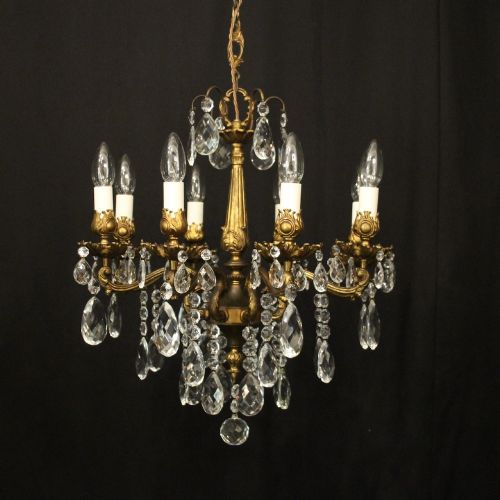
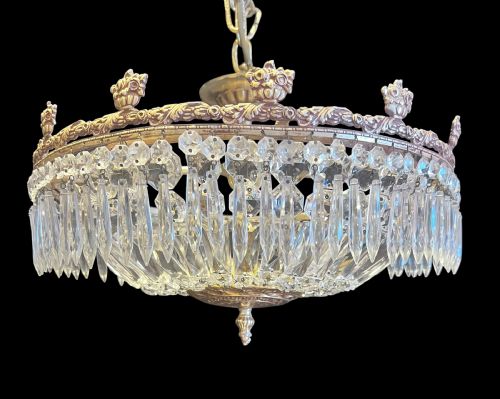
A gilded crystal chandelier is a hanging lighting fixture defined by metallic frames and glass or crystal components. These objects illuminate interior spaces while serving as prominent decorative centerpieces.
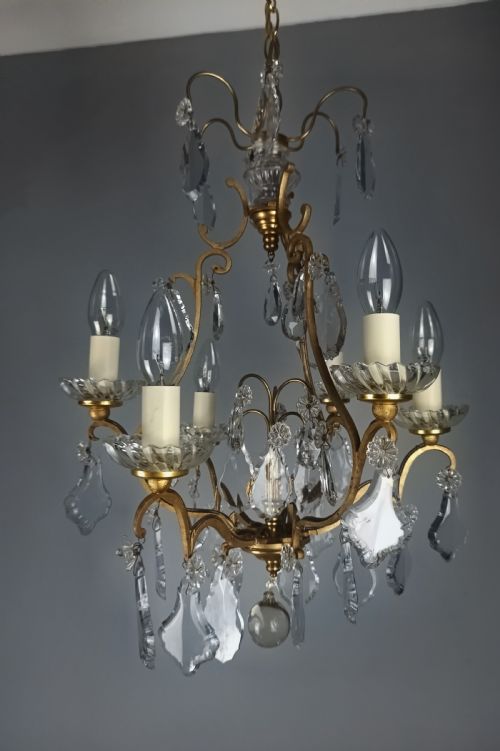
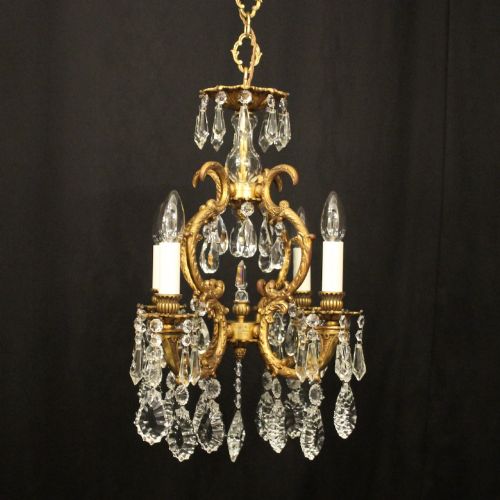
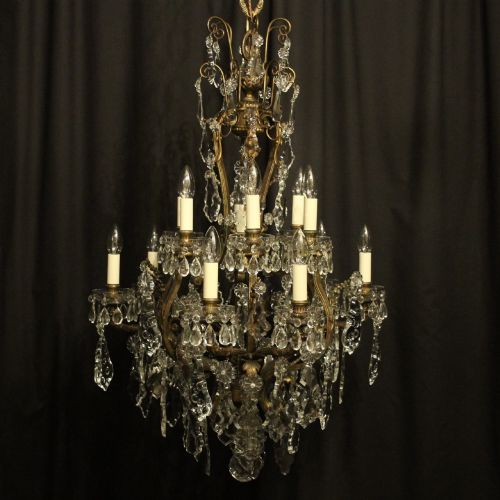
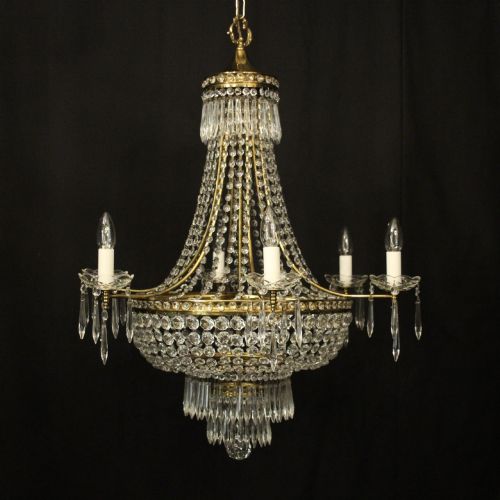
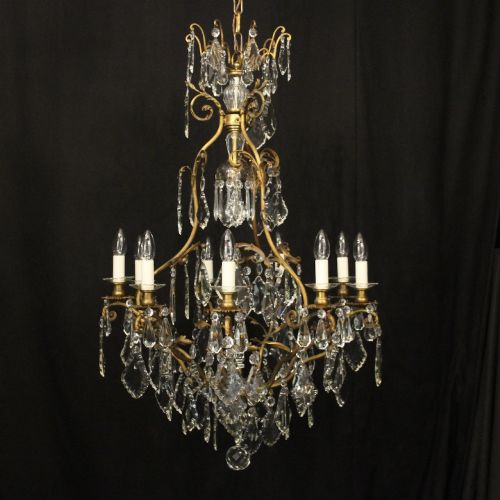
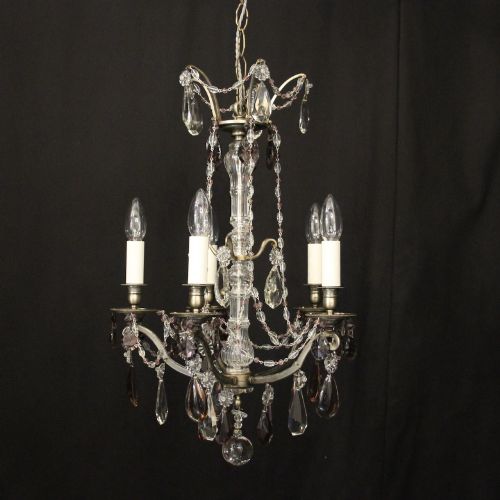
Most examples found in this inventory originate from France and Italy, spanning the nineteenth century through the 1930s. Common forms include birdcage frames, tent and waterfall configurations, and multi-armed light arrangements.
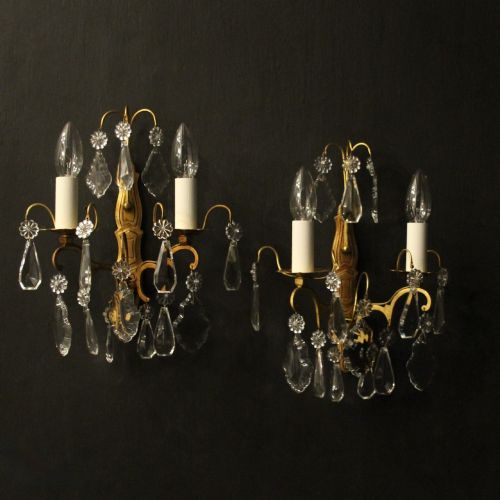
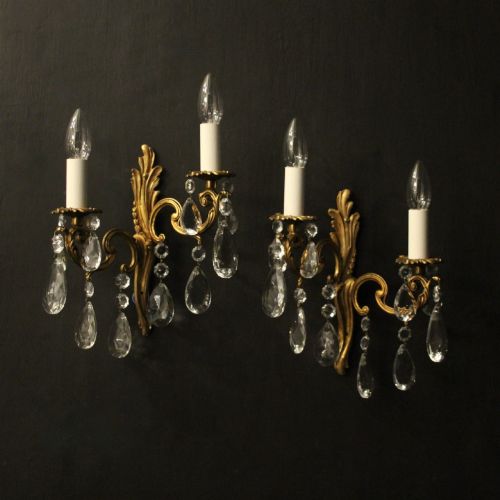
Buyers also encounter related fixtures such as wall lights, sconces, and plafonieres sharing the same characteristic metal finishes and glass drops. French and Italian workshops produced the vast majority of these surviving designs.
Materials and Construction
The structural framework relies on cast metals, including brass, bronze, and wrought iron, treated with a layer of gold or silver gilt. Artisans shaped these metals into scrolling arms, hoops, and cage structures to support the weight of the glass components.
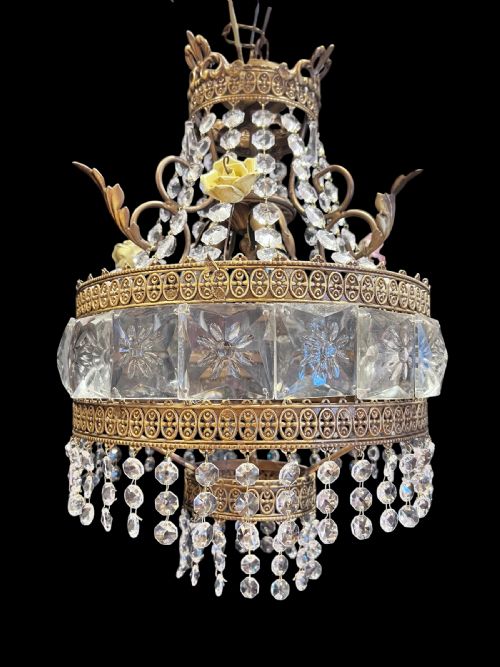
Crystals and glass drops are hand-cut or moulded into teardrops, beads, and plates, then suspended from the metal frame using wire pins. Some iterations incorporate coloured crystals, porcelain flowers, or toleware elements to add variety to the composition.
Gilded Crystal Chandelier Retail Price Guide 2026
Typical asking prices for gilded crystal chandelier among the pieces listed under this phrase on Sellingantiques today, from the lower quarter to the upper quarter. They describe what is for sale here now, not the wider market.
Listings feature items dated from the 19th century through the 1930s, constructed in brass, bronze, glass, and gilt metal.
Assessing Quality
Quality rests upon the casting detail of the metal frame and the clarity of the crystal components. Finer examples display crisper chasing on the bronze or brass alongside cut glass that refracts light with high definition.
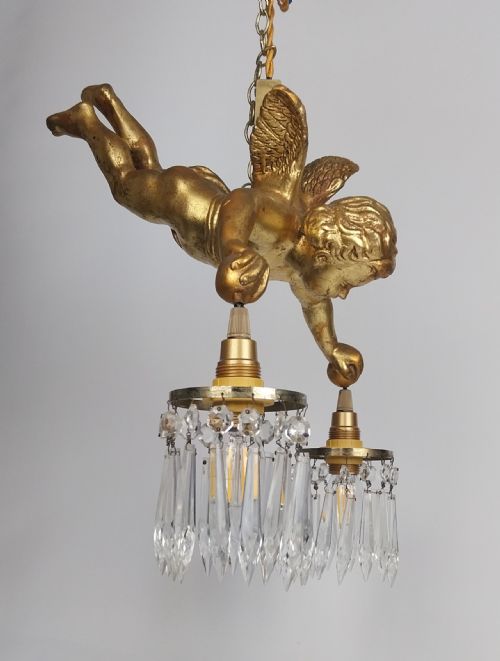
The scale and complexity of the design also distinguish different tiers of production. Multi-tiered arrangements with numerous lights and integrated cast figures represent more ambitious workshop output than simpler single-tier frames.
The Gilded Crystal Chandelier Glossary
- Birdcage Chandelier
- A lighting fixture constructed with curved metal bands forming a cage-like silhouette around central stems and lights. This style gained popularity across French and Italian domestic interiors in the early twentieth century.
- Tent and Waterfall Chandelier
- A design featuring an upper conical canopy of crystal beads strung in a tent shape above a lower cascade of hanging drops. These fixtures maximise refraction across numerous cut glass surfaces.
- Gilt Metal
- Metal surfaces coated with a thin layer of gold leaf or gilt paint to simulate solid gold. This finish provides the reflective warmth characteristic of antique lighting frames.
- Plafoniere
- A ceiling-mounted lighting fixture placed flush or close to the plasterwork rather than suspended on a chain. These pieces often combine brass mounts with moulded glass bowls or crystal drops.
- Toleware
- Painted tin or metalware utilised in decorative elements of certain light fittings. It often introduces painted floral motifs or coloured sections to the metal framework.
Gilded Crystal Chandelier: Frequently Asked Questions
How do I hang a heavy antique chandelier safely?
Suspension requires fixing directly into ceiling joists or installing a dedicated metal ceiling hook capable of supporting the combined weight of metal and crystal. Professional installation ensures the electrical wiring meets current standards while taking the structural load.
Heavier multi-light fixtures demand reinforced ceiling brackets. Consulting an electrician before purchase prevents installation complications.
Can I clean the crystal drops without removing them?
Surface dust accumulates on glass components over time, dulling their reflective properties. Spraying a specialist glass cleaner onto a cloth and wiping individual drops maintains clarity without disturbing the suspension wires.
For thorough restoration, technicians unhook the crystals entirely for washing in warm soapy water. Rinsing thoroughly prevents residue spots from forming on the cut surfaces.
How do French and Italian chandeliers differ?
French production frequently employs structured bronze frames with formal gilt finishes and classic birdcage or tent configurations. These pieces lean towards restrained elegance and symmetry.
Italian pieces, particularly from Florentine workshops, often incorporate leafy motifs, porcelain flowers, and polychrome details. The aesthetic tends towards organic flourishes and varied colour palettes.
What periods do these chandeliers come from?
The available inventory spans the nineteenth century through the Edwardian era and into the 1930s. Mid-nineteenth-century examples often feature heavier bronze casting, while 1920 and 1930 pieces show lighter brass and gilt frames.
Stylistic revivals during the early twentieth century drew heavily upon earlier Rococo and Empire precedents. Dating relies on construction methods, wiring access points, and material combinations.