
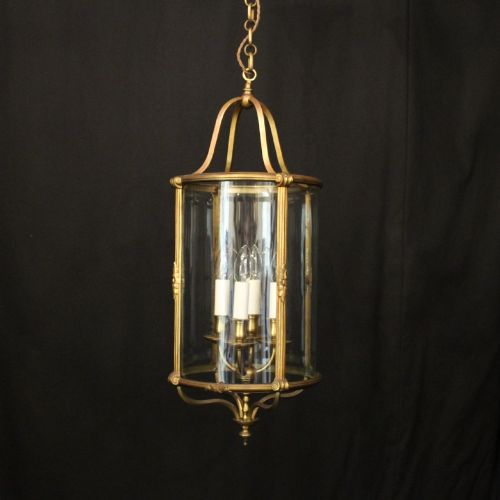
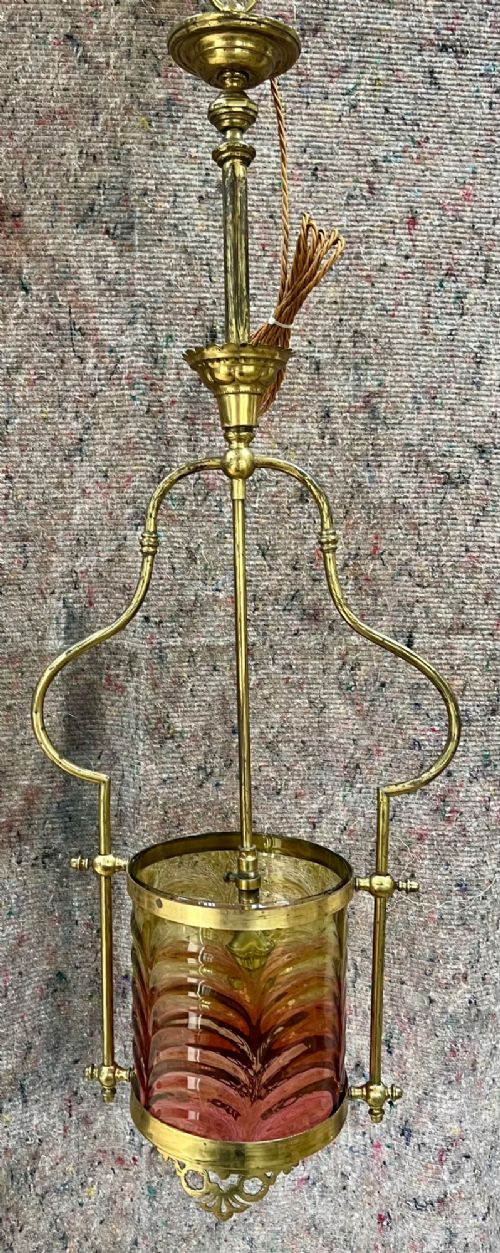
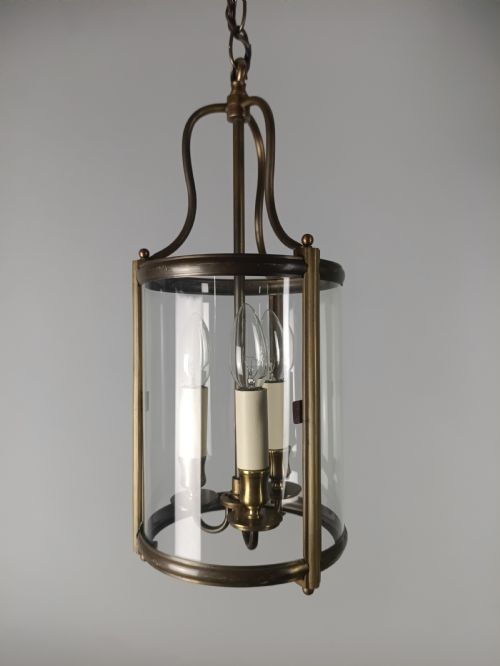
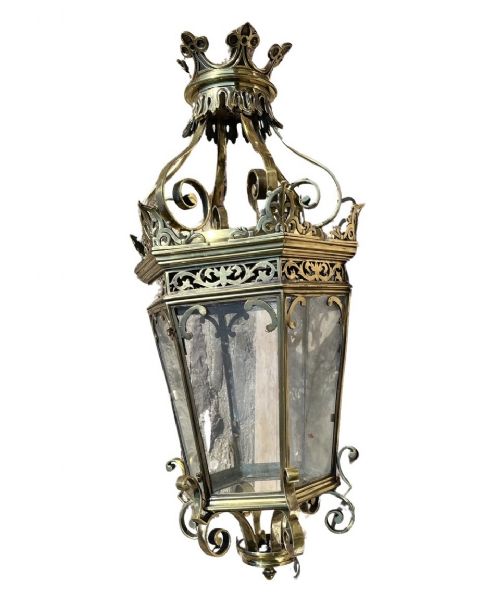
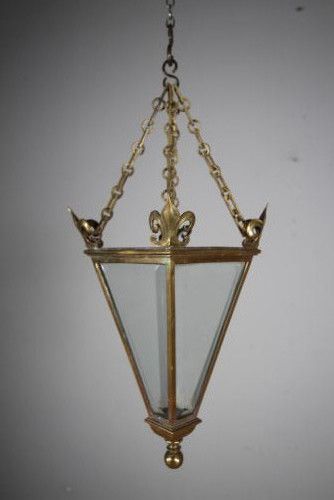
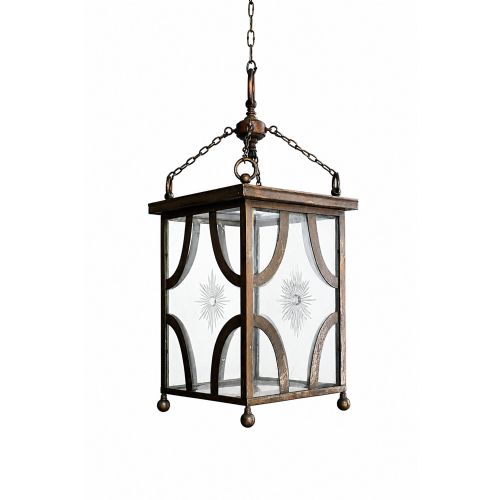
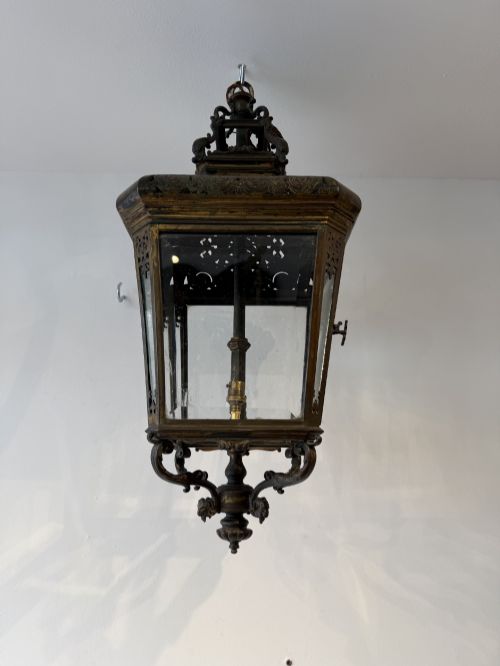
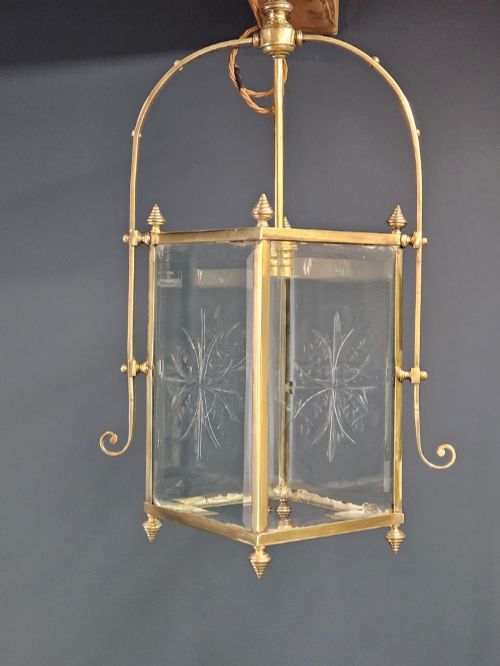
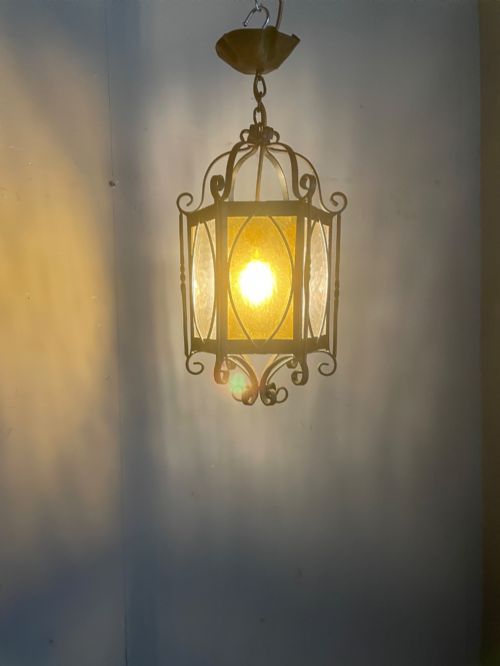
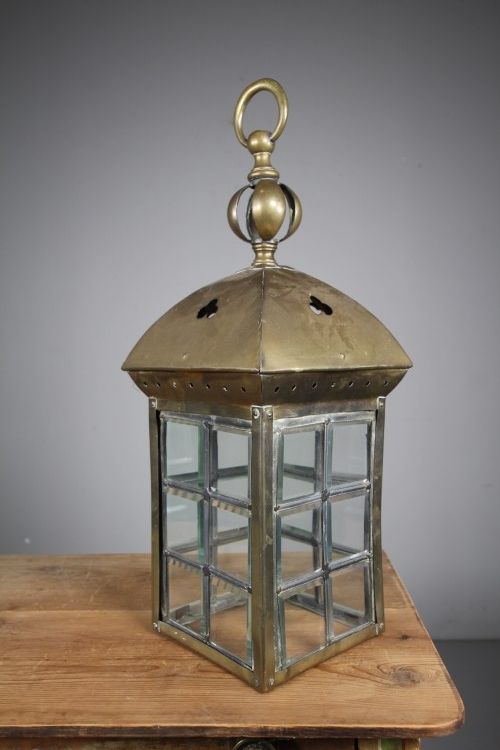


Vestibule Hanging Lantern
A vestibule hanging lantern brings distinct character and illumination to an entryway, drawing the eye upwards with period metalwork and glass.
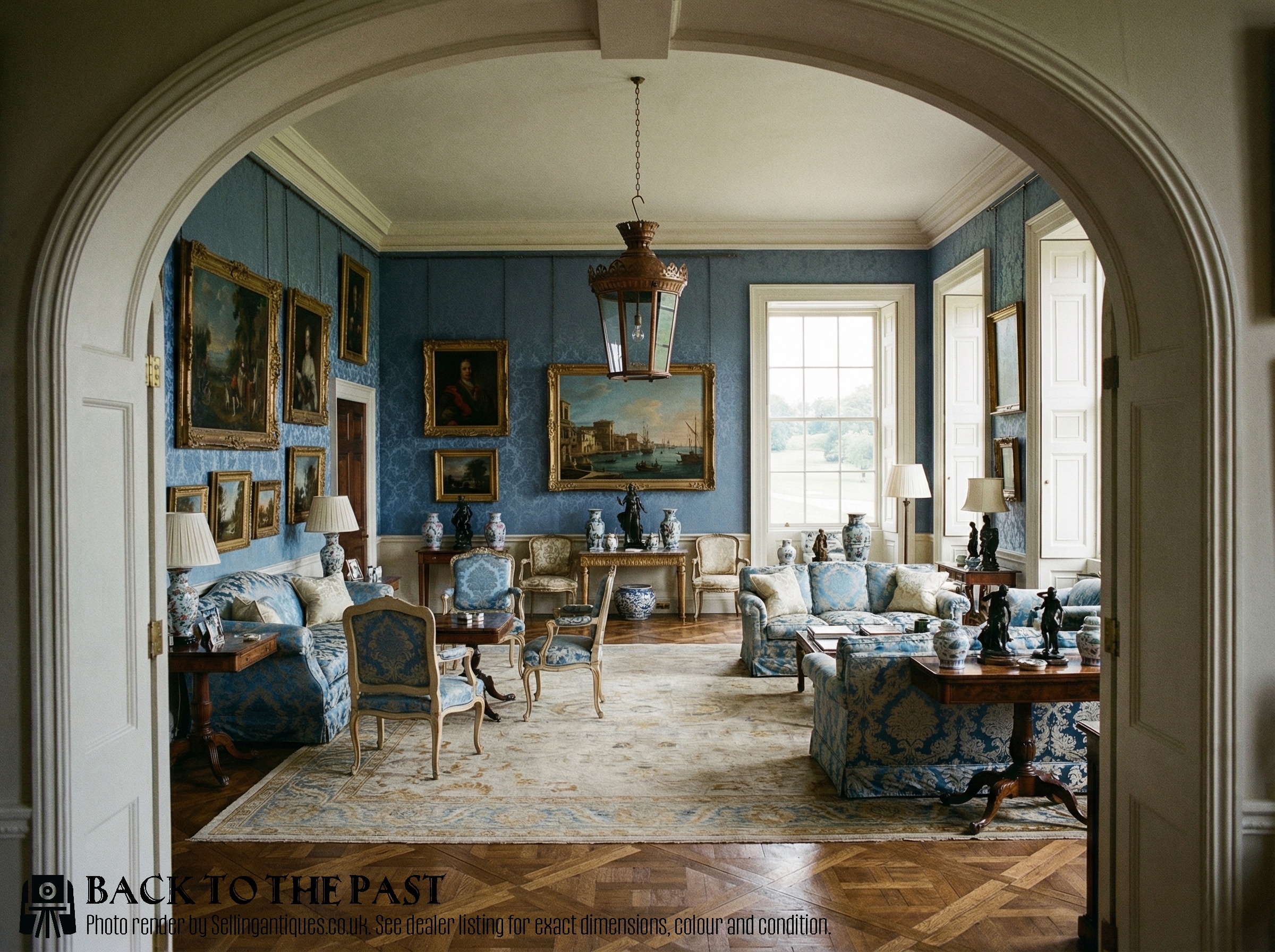
Vestibule Hanging Lantern
A vestibule hanging lantern serves as a primary lighting fixture for entrance halls, corridors, and porches, combining structural metal frames with glass panels. These pieces vary widely in scale, from small domestic fittings to monumental examples designed for grand properties.
The selections available here span multiple eras and design vocabularies, including Victorian, Edwardian, and twentieth-century examples. French and English aesthetics dominate the offerings, showing both restrained neoclassical symmetry and more exuberant rococo or baroque ornamentation.
Most examples found on this page utilise brass, bronze, or wrought iron frames paired with glazed panels or convex glass. They function equally well as pendant lights and hall lanterns, casting light downwards through enclosed metal and glass housings.
Materials and construction methods
Metalworking forms the core of these lanterns, utilising cast bronze, spun or sheet brass, wrought iron, and copper. Artisans joined these structural elements with mechanical fasteners or forged them directly into rigid frames to support glass panes.
Gilding techniques, including gold leaf and silver gilt bronze finishes, appear frequently on high-status French pieces. Blacksmiths also employed cast iron and leaded construction to shape robust outdoor and porch fixtures.
Materials span brass, bronze, copper, wrought iron, and giltwood, reflecting diverse manufacturing traditions across the nineteenth and twentieth centuries.
Assessing quality in period lanterns
The calibre of metal casting and hand-chasing separates standard production pieces from exceptional ones, particularly visible in the crispness of gilt bronze or carved giltwood ornament. Weight, gauge of metal, and the complexity of the frame construction dictate the structural integrity of the fixture.
The Vestibule Hanging Lantern Glossary
- Gilt Bronze
- Bronze metal coated with a thin layer of gold, providing a rich, durable surface finish. This technique was widely utilised in French lighting design.
- Convex Glass
- Glass panels curved outward during manufacture, creating distorted light refractions and added volume to the lantern profile. It appears frequently in English hall lanterns.
- Hexagonal
- Having six sides and six angles, describing the geometric plan of many lantern frames. This shape allows for multiple glass panels.
- Hall Lantern
- A ceiling-hung lighting fixture specifically designed for entrance corridors and vestibules. These fixtures provide focused downward illumination.
Vestibule Hanging Lantern: Frequently Asked Questions
How do I hang a vestibule hanging lantern?
Suspension typically relies on a matching chain or rigid rod secured to a ceiling hook, connected to the internal wiring framework of the lantern.
Professional installation is recommended to ensure the ceiling structure safely supports the combined weight of the metal frame and glass panels.
Are these lanterns suitable for outdoor use?
Certain variations, such as copper porch lanterns and leaded designs, were originally built to withstand exterior conditions. Indoor hall lanterns require sheltered placement away from direct moisture to protect their metal finishes and historical wiring.
Checking the specific construction material helps determine whether a piece suits an exterior entrance or an interior hallway.
Can I use modern bulbs in these antique lights?
Most antique lanterns accommodate modern LED or standard bulbs once the internal electrical fittings are updated by a qualified electrician. The internal cluster should be inspected to ensure it matches current safety standards while preserving the original aesthetic.
Clear glass panels allow the bulb type to influence the overall illumination style of the hallway.