
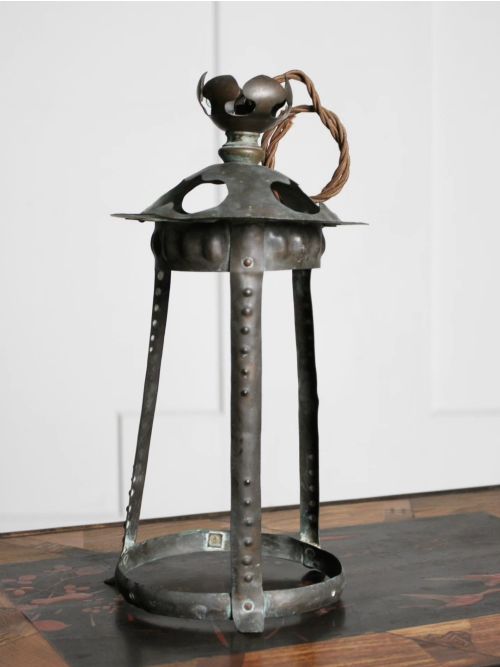
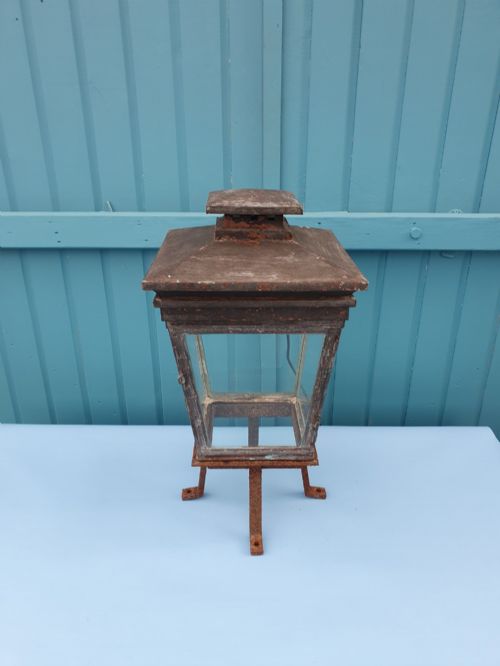


Copper Porch Lantern
These copper porch lanterns are robust entrance lights that bring enduring warmth and character to a doorway.
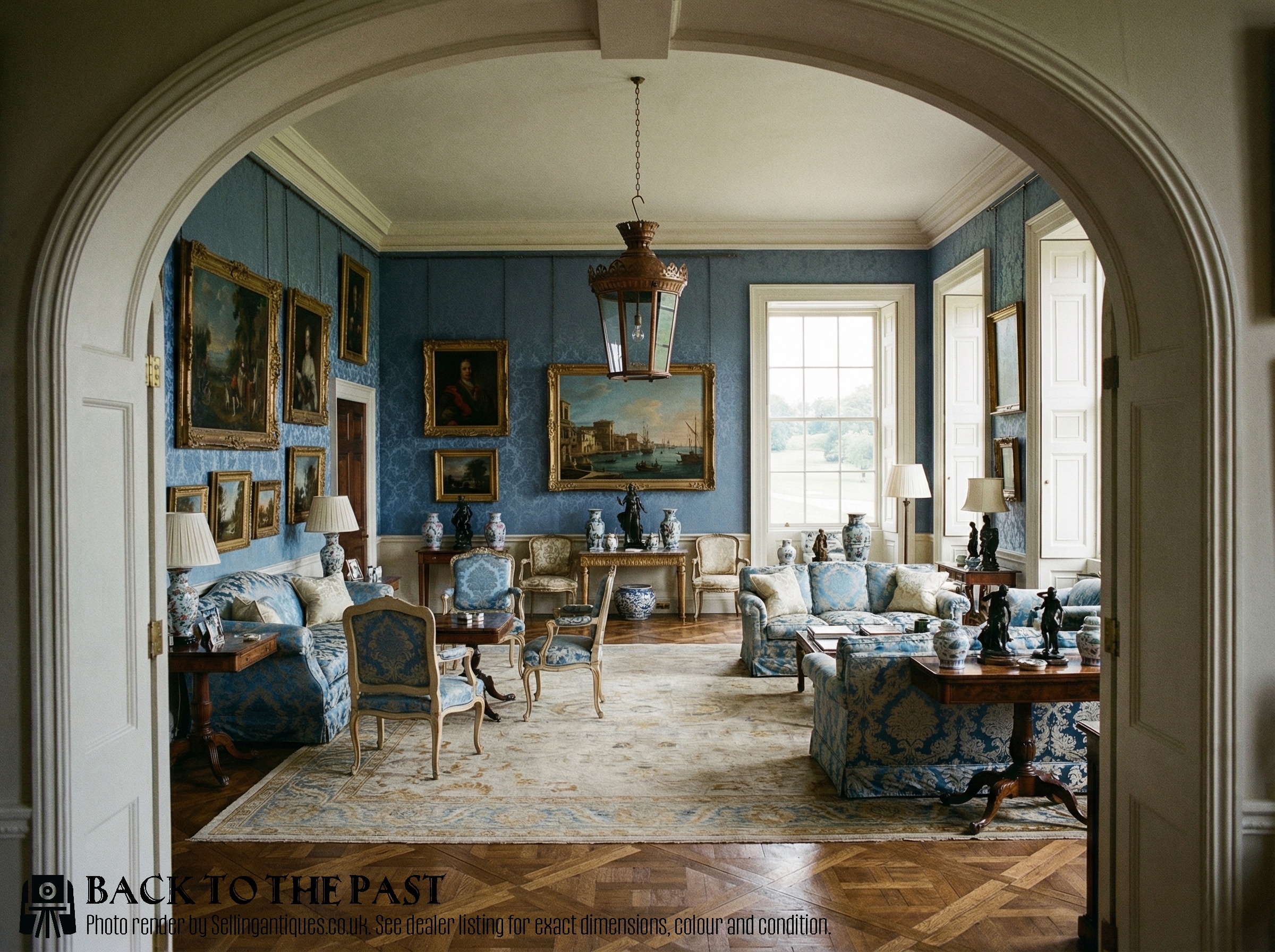
Copper Porch Lantern
A copper porch lantern provides a welcoming exterior light for an entrance, drawing upon historical designs ranging from the Victorian era through the Edwardian period. The versions most commonly met here include wall-mounted fixtures and hanging hall lanterns fashioned from sheet metal and glass.
The styles span Arts and Crafts simplicity, Gothic Revival detailing, and Art Deco geometry, reflecting the architectural tastes of their respective periods. Many examples utilise mixed metals, combining copper bodies with brass fittings or iron brackets for added structural strength.
These fixtures serve both a practical purpose and an ornamental role, illuminating pathways while establishing the character of a property's threshold. Their construction accommodates both traditional gas conversion work and modern electrical wiring.
How they were made
Makers constructed these lanterns by hand, shaping sheets of copper over forms and soldering or riveting the joints together to withstand exposure to the weather. Wrought iron and brass elements were incorporated for structural support, hinges, and decorative trim.
Glazing typically involves clear, frosted, or patterned glass panels held securely within metal framing by internal glazing bars or clips. Some surviving pieces retain traces of original paint finishes or decorative motifs applied directly to the metalwork.
What varies in quality
The standard of a copper porch lantern depends upon the weight of the metal utilised and the precision of the hand-formed joints. Heavier gauge copper maintains its structural integrity better over decades of exterior exposure than thinner alternatives.
Artistry in the decorative details, such as hand-beaten textures in the Arts and Crafts tradition or cast brass mounts, separates standard utility lighting from superior examples. Original glass panels and intact period fixings further distinguish the finer pieces.
The Copper Porch Lantern Glossary
- Lantern
- A protective housing enclosing a light source, designed to shield a flame or bulb from wind and rain. These fixtures hang from ceilings or mount directly onto exterior walls.
- Arts and Crafts
- A design movement prioritising traditional craftsmanship and simple forms over mass production. Pieces from this style often display visible hand-beaten surfaces and straightforward construction.
- Frosted glass
- Glass treated to diffuse light and soften illumination, creating an even glow. It appears frequently in period entrance lighting to obscure internal workings.
- Gas conversion
- The adaptation of a lighting fixture originally designed to burn gas so that it can accommodate electrical wiring. Many older exterior lanterns have undergone this process to remain functional.
Copper Porch Lantern: Frequently Asked Questions
Can I use these lanterns outside?
These lanterns were built for exterior use on porches and entranceways, constructed from weather-resistant copper and iron.
Buyers should ensure that any electrical components are checked and sealed by a qualified professional for modern outdoor safety standards.
How do I mount a wall lantern?
Wall-mounted versions typically secure to an exterior brick or timber surface through a dedicated metal backplate or mounting arm.
Due to the weight of the metal and glass, a secure fixing into solid structure is essential.
What is a converted gas lantern?
Many Victorian and Edwardian fixtures began life as gas lamps before homes were wired for electricity. These pieces retain their original external appearance while hiding modern lamp holders inside.
This historical adaptation is a normal characteristic of antique lighting.
How do I clean antique copper?
Antique copper develops a natural patina over decades of exposure to the elements, which many collectors prefer to leave undisturbed. Gentle dusting and occasional washing with mild soapy water is usually sufficient to maintain the surface.
Harsh metal polishes should be avoided as they strip away the historical finish.