
Victorian Glass Lantern
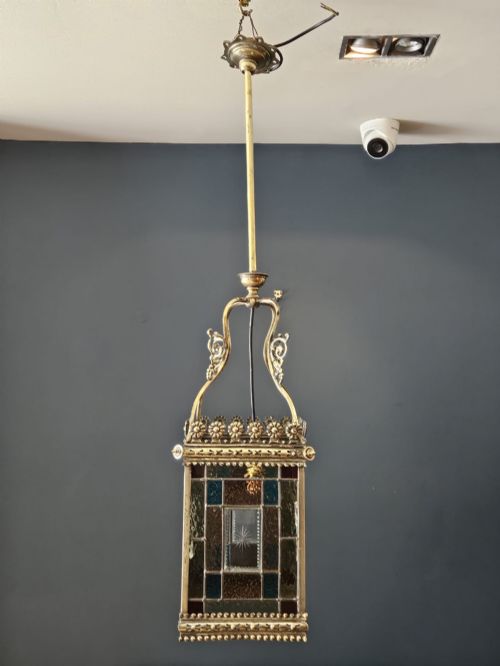
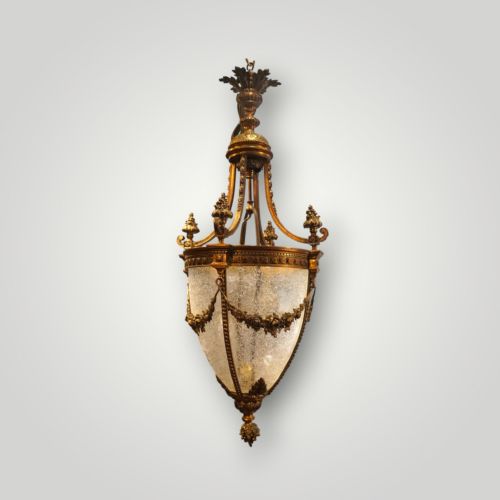
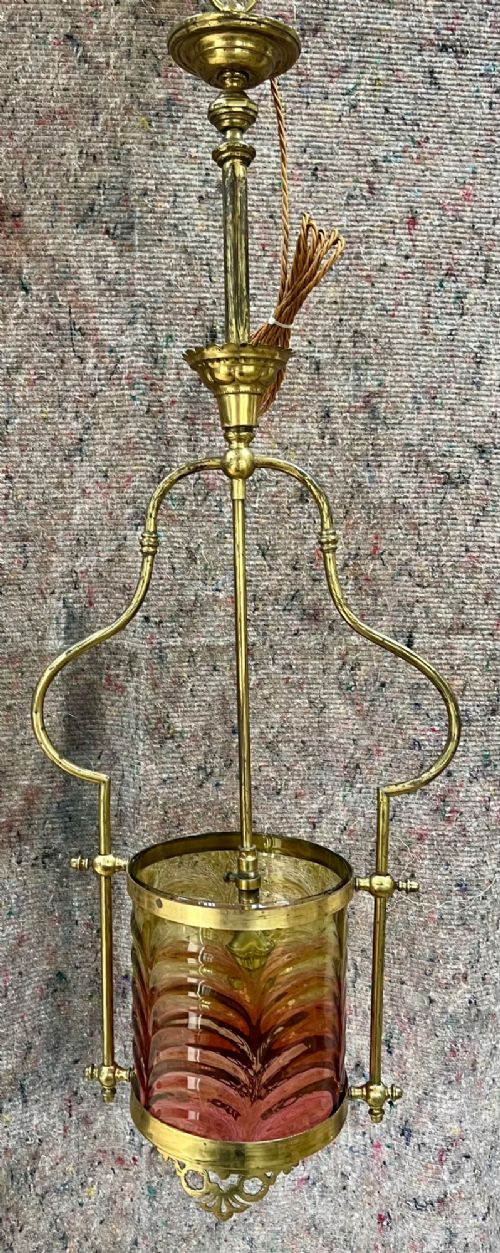
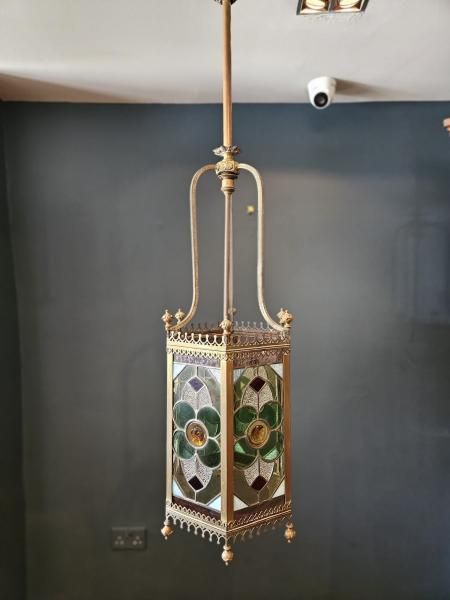
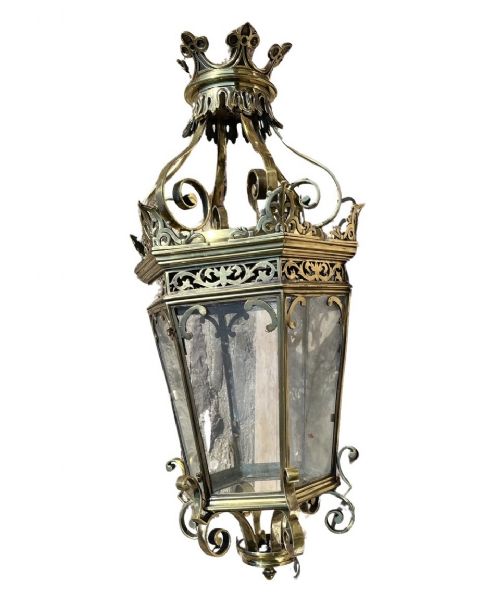
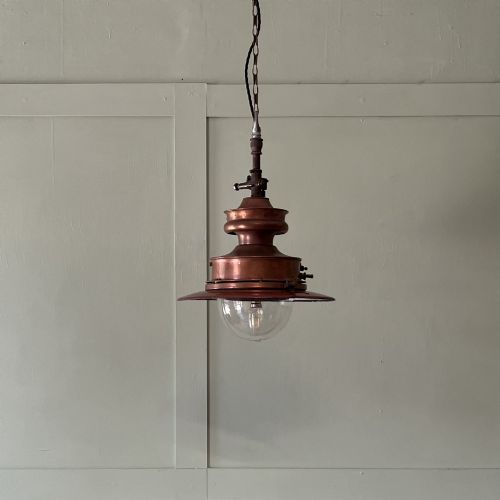
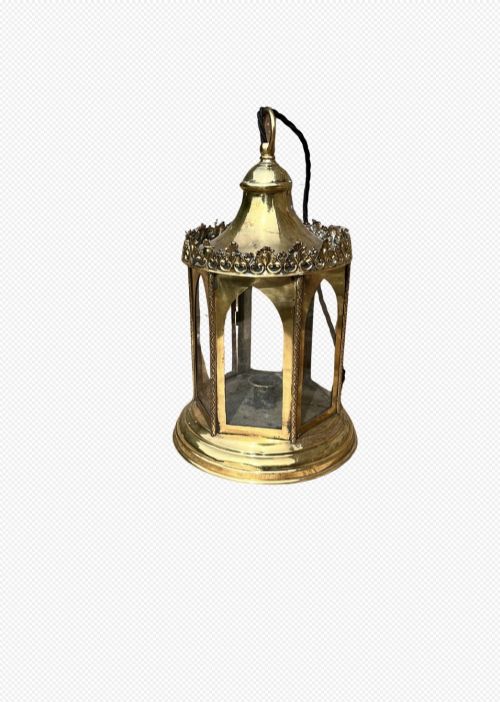
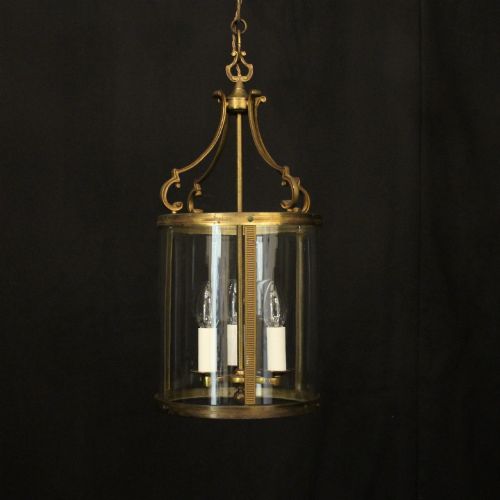
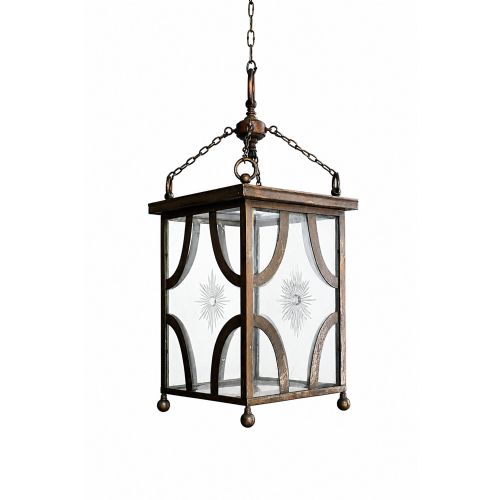
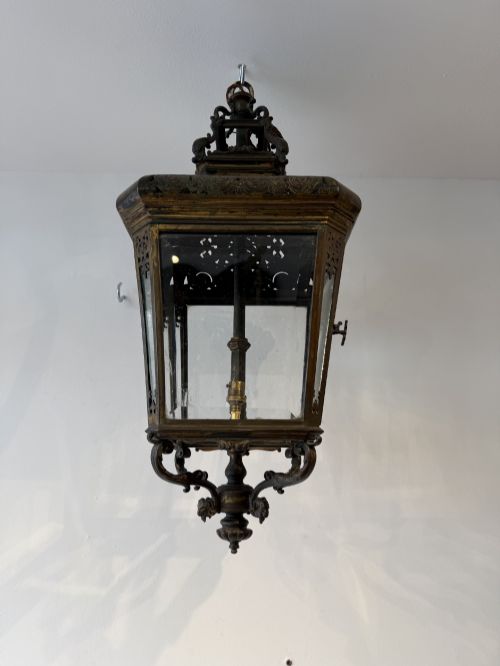
A victorian glass lantern brings period character to a hallway or porch through shaped glass panes held within metal frameworks.
Victorian Glass Lantern
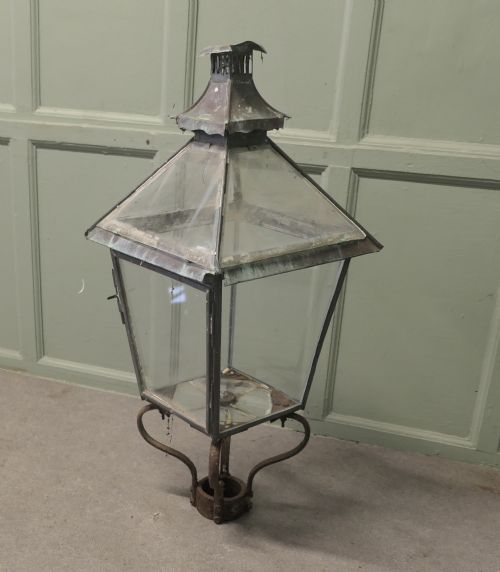
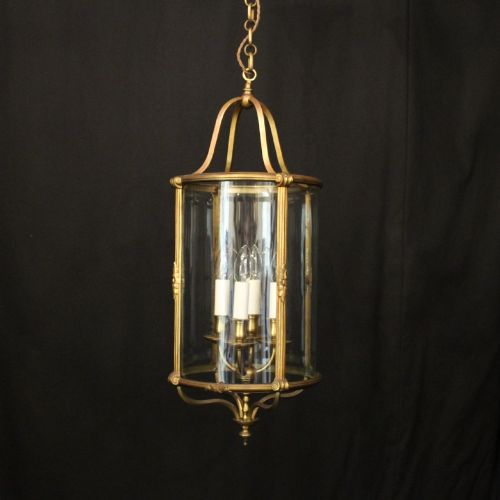
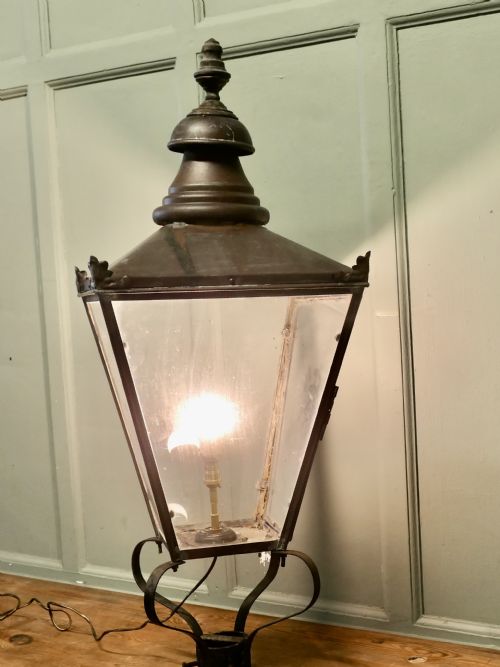
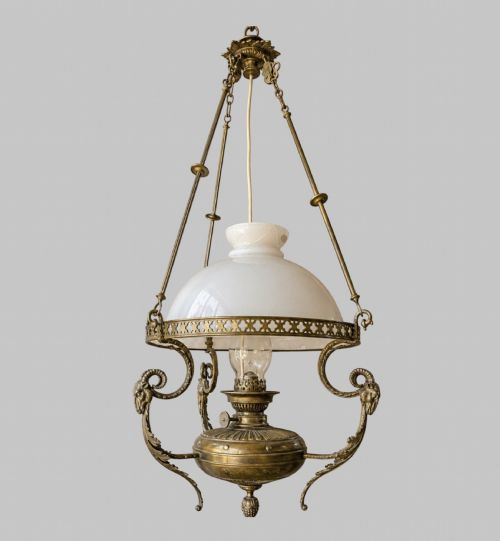
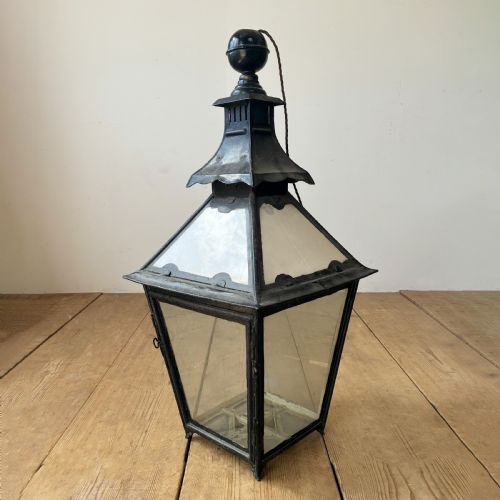
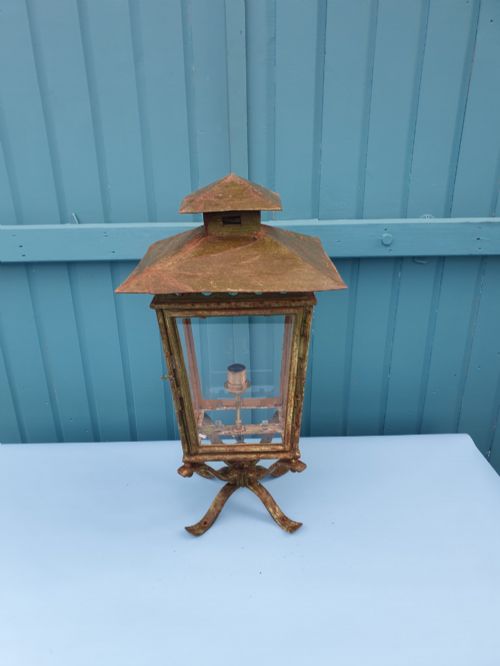
A victorian glass lantern primarily serves as a ceiling light, pendant, or hall light, drawing from styles such as Gothic Revival, Arts and Crafts, and French Neoclassical influences. These pieces range from compact round hallway lights to large hanging fixtures and outdoor street or gatepost lanterns.
The materials span clear leaded panes, coloured glass, stained glass, and opaline panels secured in metal frames. Many examples originate from domestic interiors, railway settings, or larger architectural installations.
Conversion from earlier illumination methods remains common, shifting from initial candle or oil power through gas systems to modern electrical wiring. This evolutionary path means various fittings coexist within the selection.
Judging construction and design standards
The standard of a piece depends on the weight and finish of the metal frame, ranging from simple iron or tin construction to heavy cast brass, bronze, and gilded mounts. Hand-cut bevelling, complex leaded joints, and intact stained or coloured glass indicate superior workshop output.
Intricacy of design influences the overall character, with simpler utilitarian railway or street variants differing markedly from ornate domestic hall fixtures attributed to established makers like Perry and Co.
Victorian Glass Lantern Retail Price Guide 2026
Typical asking prices for victorian glass lantern among the pieces listed under this phrase on Sellingantiques today, from the lower quarter to the upper quarter. They describe what is for sale here now, not the wider market.
Materials utilised across the selection include brass, copper, bronze, iron, lead, and various forms of clear, coloured, and stained glass.
Perry and Co
The Victorian Glass Lantern Glossary
- Leaded glass
- Individual glass pieces joined together by strips of lead came to form a structural panel. This technique allows for geometric and curved designs within the lantern frame.
- Hinks burner
- A specific type of duplex oil burner mechanism found on nineteenth-century lighting. It regulated the flame for paraffin lamps before electrification.
- Gilded bronze
- Metalwork coated with a thin layer of gold leaf or applied gold paint. This finish enhances decorative hall lanterns from French and English workshops.
- Opaline glass
- A pale, translucent white glass used for shades and panels to diffuse light softly. It appears frequently in nineteenth-century pendant and ceiling fixtures.
- Gothic Revival
- An architectural and decorative style drawing inspiration from medieval forms. Pieces often feature pointed arches, heavy ironwork, and structural tracery.
Victorian Glass Lantern: Frequently Asked Questions
How do I hang a heavy hall lantern safely?
Heavy brass and iron lanterns require secure anchoring into ceiling joists rather than plaster alone. Using appropriate chain links and ceiling hooks ensures the weight of the metal and glass frame is supported safely.
Consulting a qualified electrician ensures that internal wiring matches the weight-bearing suspension setup. This prevents strain on the historical electrical components.
Were these lanterns originally electric?
Original nineteenth-century lanterns utilised candles, paraffin oil, or gas illumination. Many retain internal elements like burners or conversion adaptations from these earlier fuel sources.
Later rewiring brings the lighting up to modern standards while retaining the external period frame. Look for signs of past gas pipes or oil fonts to understand the original ignition method.
Can outdoor lanterns be used inside?
Robust copper, iron, and brass variants designed for exterior gates or street lighting adapt well to porches, hallways, and large interior spaces. Their weather-resistant metal construction handles indoor environments easily.
Scale is the main consideration when moving architectural outdoor pieces inside. Measuring ceiling height and room proportions ensures a balanced fit.
What is the difference between hall and pendant lights?
Hall lanterns generally feature rigid mounts or shorter suspension chains designed for entryways with specific clearance needs. Pendant lights often hang lower on longer chains for general room illumination.
Both categories utilise similar glass and metal construction methods. The distinction lies primarily in the intended hanging height and placement within a home.