

Victorian Ceiling Light
These robust fittings illuminate period interiors, bringing period weight and presence to high ceilings.
Victorian Ceiling Light
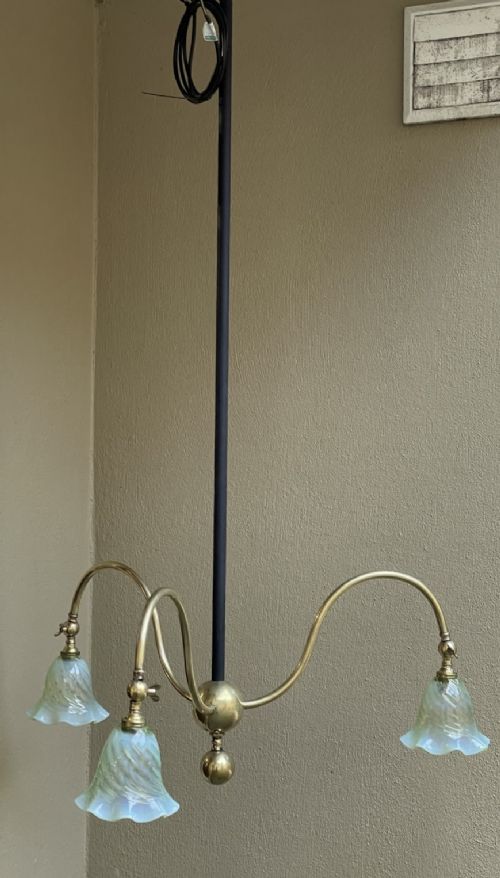
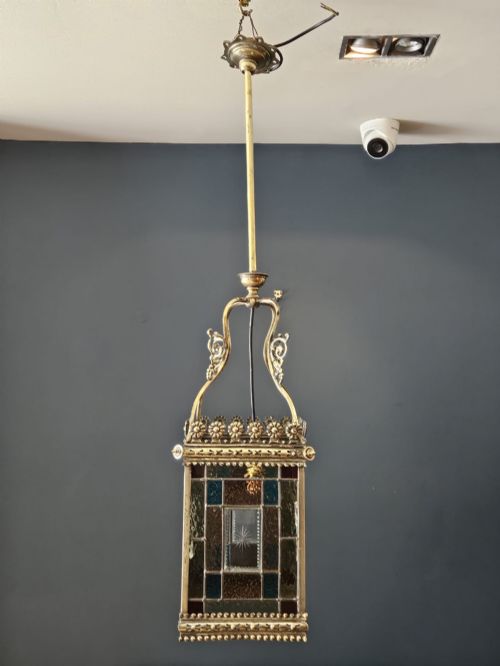
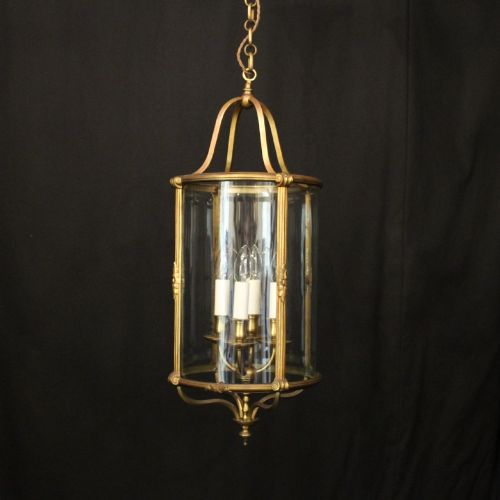
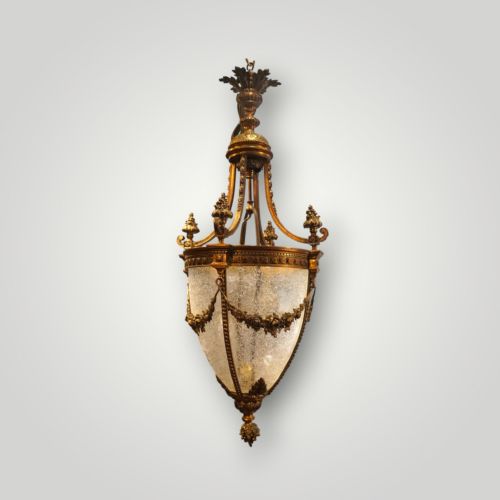
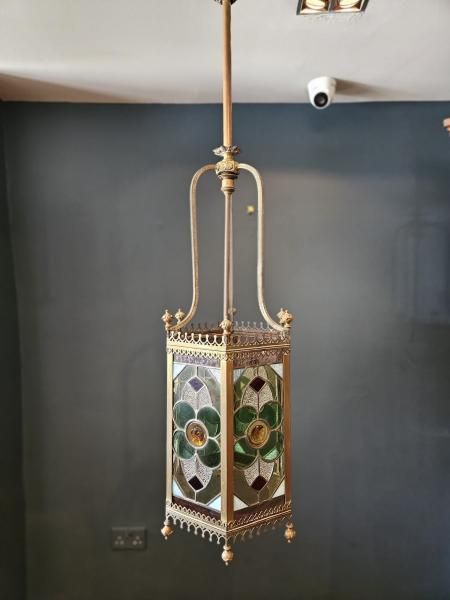
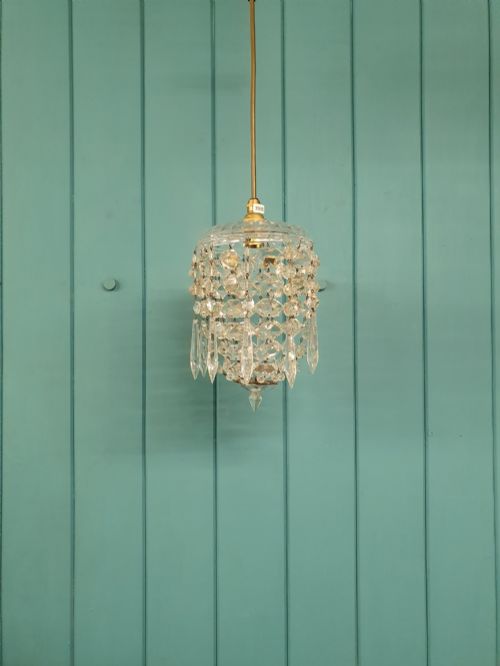
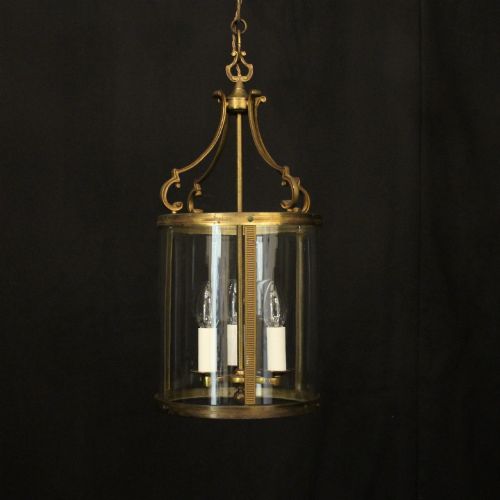
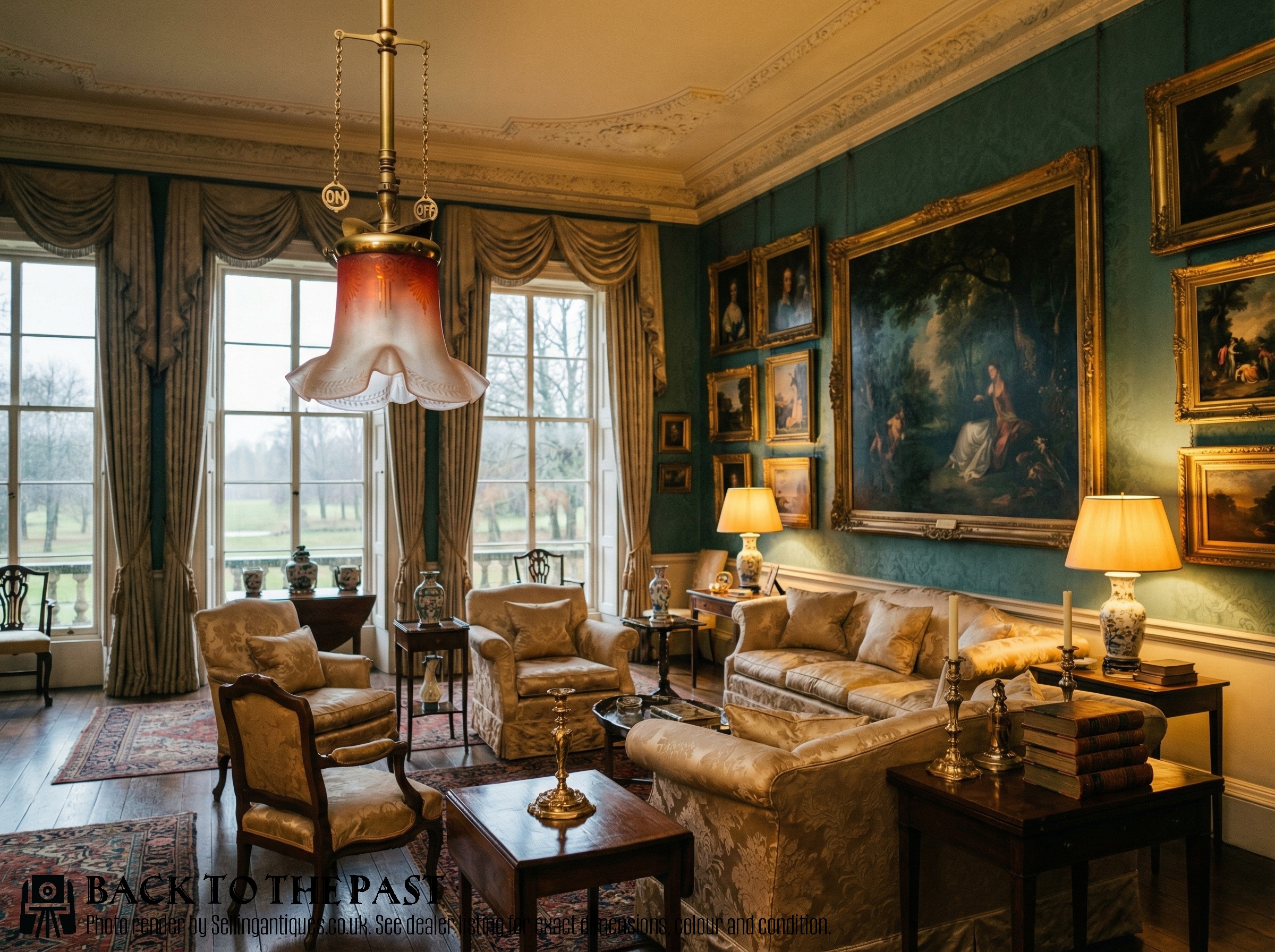
A victorian ceiling light spans hanging lanterns, multi-arm chandeliers, and gasoliers designed to bring artificial illumination into domestic and public spaces. The pieces appearing in these listings range from heavy cast brass frames holding stained or leaded glass panels to intricate cut glass crystal domes and metal gas fixtures.
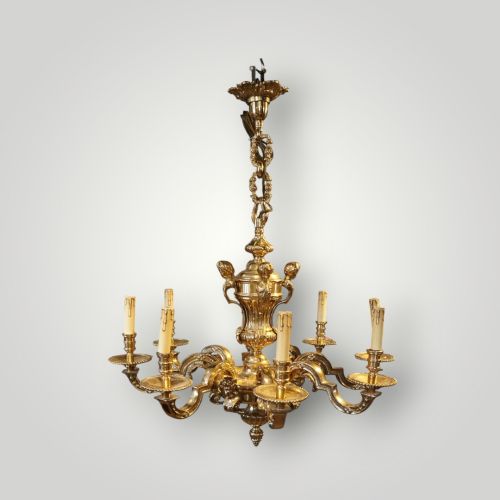
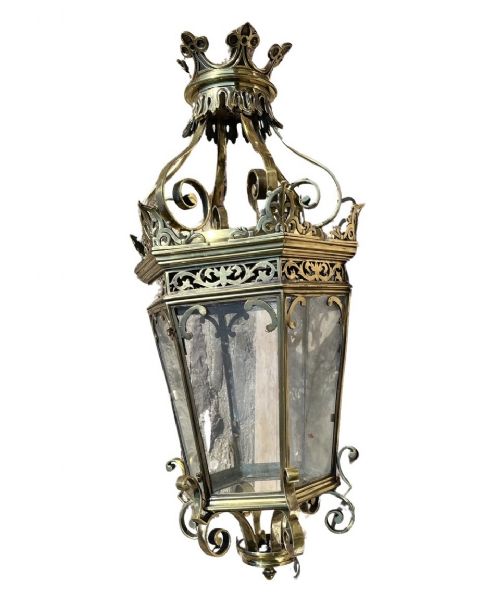
Domestic entrance halls frequently receive hexagonal brass lanterns or hanging lamps containing coloured or frosted glass panels, while grander reception rooms utilise multi-arm chandeliers cast in bronze or gilt metal. Architectural salvage examples also include cast iron ceiling roses featuring ivy leaf or feather decorations designed to anchor the suspension point.
Materials and construction methods
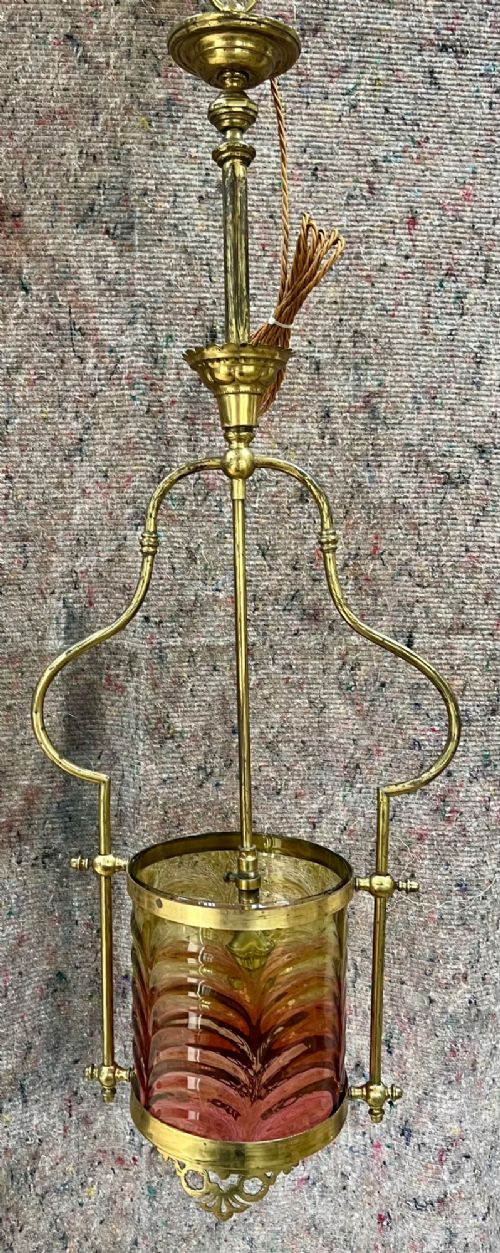
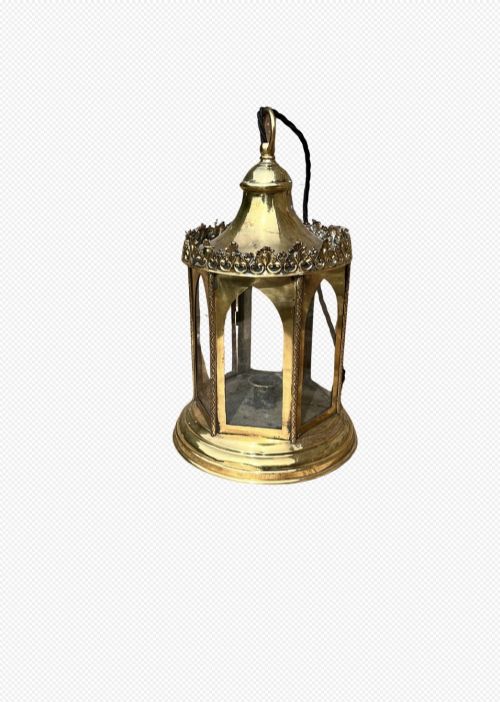
Makers relied heavily on cast and spun brass, bronze, and gilt metal to build the structural frames, cages, and decorative arms of these hanging fixtures. Structural integrity often depended on leaded or soldered joints securing individual panes of amber, cranberry, stained, or opalescent glass within the lantern bodies.
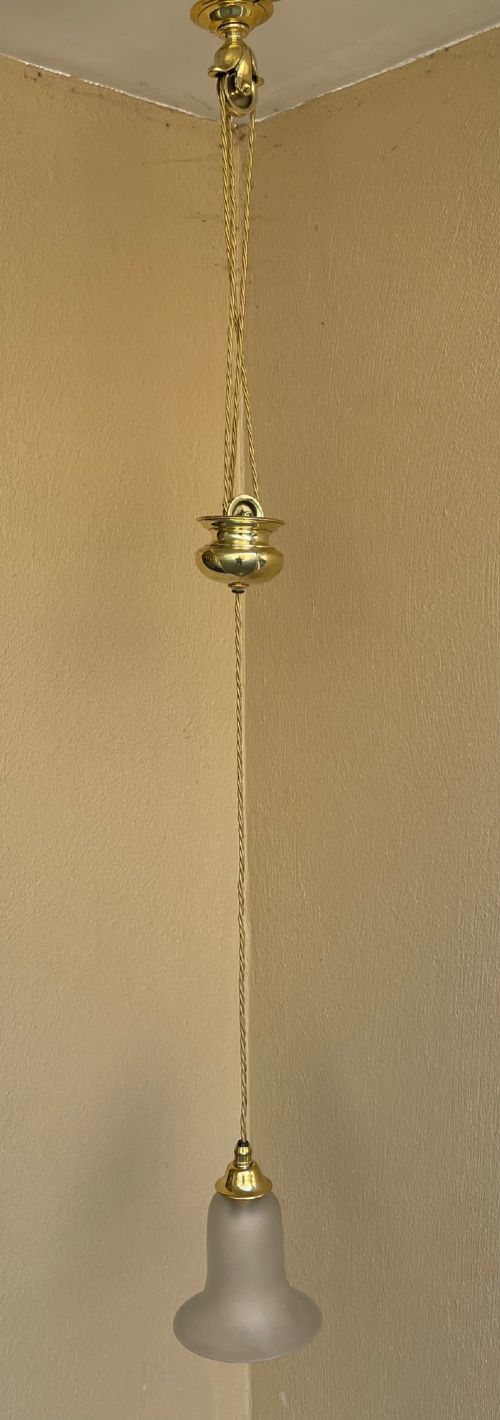
Lighting mechanisms incorporated early gas supply pipes, paraffin burners by makers such as Hinks, or weighted rise-and-fall pulley systems designed to adjust the hanging height. Crystal and cut glass elements were faceted by hand and pinned together with metal wire to build cascading chandeliers and dome fixtures.
Victorian Ceiling Light Retail Price Guide 2026
Typical asking prices for victorian ceiling light among the pieces listed under this phrase on Sellingantiques today, from the lower quarter to the upper quarter. They describe what is for sale here now, not the wider market.
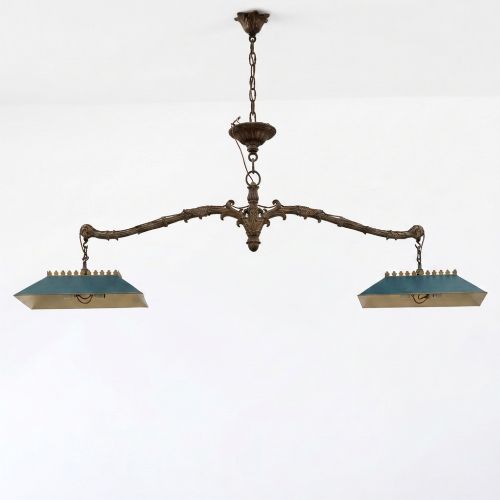
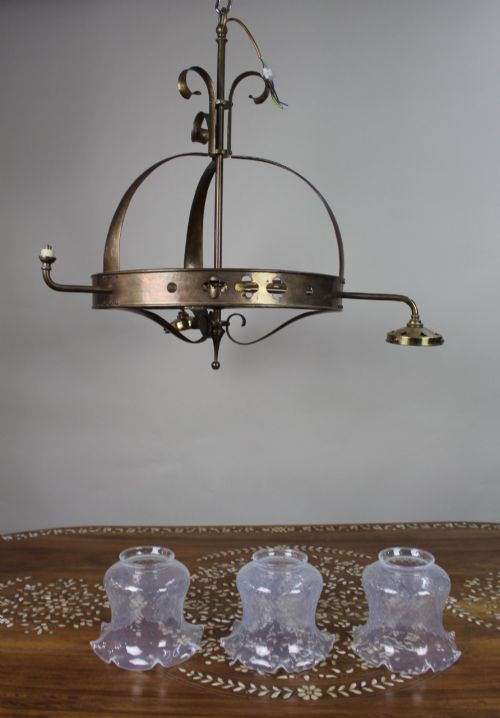
Common configurations include multi-arm chandeliers, hall lanterns, and specialised billiard table lights.
Distinguishing marks of quality
Superior examples display crisp casting detail in the metalwork, such as well-defined leaf designs, lion masks, or cherub arms, rather than soft or blurry surface patterns. The thickness and clarity of the glass panes, especially on cut crystal and stained or leaded hall lanterns, dictate the overall refinement of the fixture.
The presence of original fittings, matching etched or crimped glass shades, and intact mechanical elements like rise-and-fall counterweights or maker-signed burner components elevate a piece above standard utilitarian salvage.
Osler·E W Pugin·Hinks
The Victorian Ceiling Light Glossary
- Gasolier
- A branched ceiling light fixture designed specifically to burn coal gas rather than electricity or oil. These units feature hollow brass gas poles and shut-off keys.
- Plafonnier
- A shallow or dome-shaped bowl light mounted directly against the ceiling surface or suspended on short chains. French examples frequently employ moulded glass.
- Hall lantern
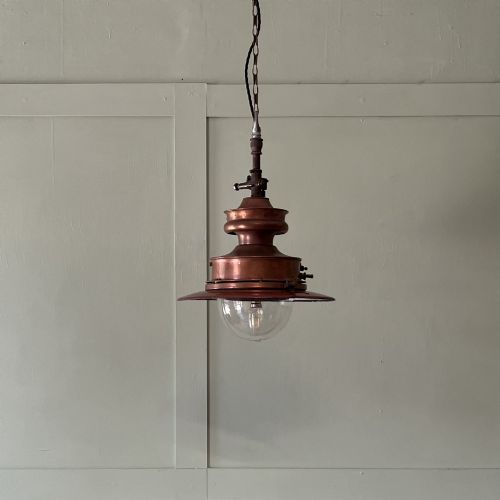
- An enclosed hanging light fitted with glass panels, designed primarily for entryways and corridors. They appear in brass, copper, and leaded configurations.
- Ceiling rose
- An ornamental plaster, wood, or cast-iron disc fixed to the ceiling from which a light fitting is suspended. Victorian examples frequently display botanical motifs like ivy leaves.
- Lustre
- A hanging glass pendant or prism attached to a chandelier to refract light. They are threaded onto metal frames with small pins.
Victorian Ceiling Light: Frequently Asked Questions
Can these lights run on modern electricity?
Most antique hanging fixtures constructed for gas or paraffin can be successfully converted to accept modern electrical lamp holders. Professional rewiring ensures the internal cabling meets current safety standards while preserving the exterior metal and glass components.
Fitted brass poles and hollow gas arms provide internal channels for modern wires without requiring structural alteration to the historic metalwork. Many surviving examples have already undergone rewiring and insulation testing.
How do I hang a heavy brass lantern?
Heavy bronze and brass hall lanterns require direct mechanical support from ceiling joists rather than relying on standard plasterboard fixings. A suitable steel hook or pattress block screwed into the wooden framework safely bears the substantial weight of cast metal bodies and thick glass panels.
Chain lengths can be adjusted using closed and open links to position the fixture at the correct height above floor level. Clearance must be checked carefully in hallways and high-traffic circulation spaces.
What is a gasolier?
A gasolier is a gas-burning chandelier or pendant light popular during the nineteenth century before widespread domestic electrification. These fixtures routed gas through central hollow brass stems to individual burners fitted with glass shades.
Converted units retain their characteristic stopcocks and heavy central tubes, serving as decorative ceiling centerpieces. The original burners are typically bypassed or removed during electrical conversion.
How do I clean antique glass shades?
Delicate stained, frosted, or etched glass shades benefit from gentle hand washing in warm soapy water using a soft cloth. Abrasive cleaners and harsh scouring pads must be avoided to prevent scratching the surface or removing surface decoration.
Leaded and stained glass panels should not be submerged for prolonged periods to protect the old lead cames and solder joints. Thorough drying prevents moisture retention in tight corners and metal joins.