


19th Century Pendant
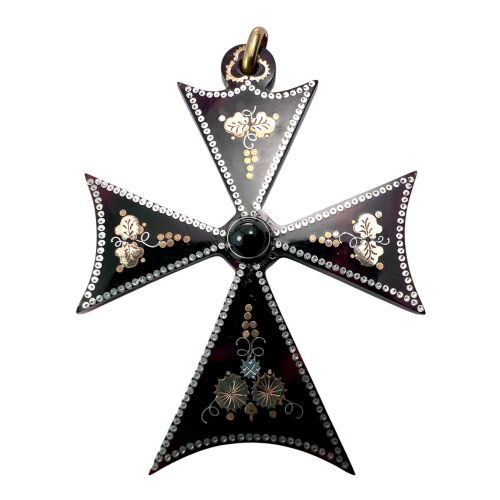
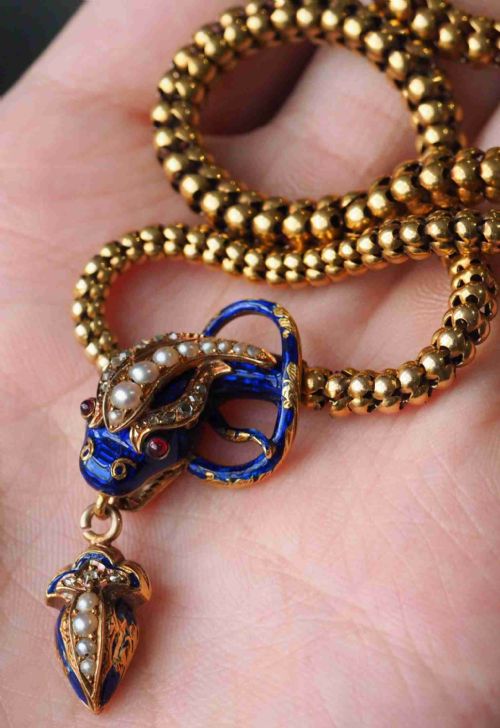
A 19th century pendant brings centuries of intricate craftsmanship and distinct historic character straight to the neckline.
19th Century Pendant
The pieces on this page span several stylistic revivals and cultural influences, including Etruscan, Ottoman, and Baroque interpretations alongside classical European designs. Many items incorporate multi-functional designs such as brooch-pendant combinations, offering versatile ways to display the jewellery. Buyers frequently find garnet, diamond, sapphire, turquoise, and pearl embellishments set securely within these historic mountings.
Beyond personal adornment, some entries reflect broader decorative contexts, though the wearable pendants remain the focal point of this category. The selection preserves personal histories through hair compartments, miniature portraits, and commemorative engravings embedded in the gold and enamel work. Every piece captures the distinct decorative tastes prevalent across Britain and continental Europe during the 1800s.
How they were made
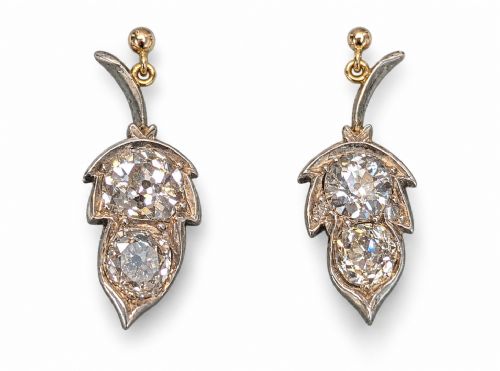
The fabrication of these items relied heavily on hand-worked gold and silver, often combining different metal colours to accentuate gemstones and chased details. Goldsmiths utilised casting, repoussé, and piercing techniques to shape elaborate frames for diamonds, pearls, and coloured gemstones. Enamelling provided vibrant polychrome surfaces, while specialised foil-backing enhanced the brilliance of older-cut stones set in closed backs.
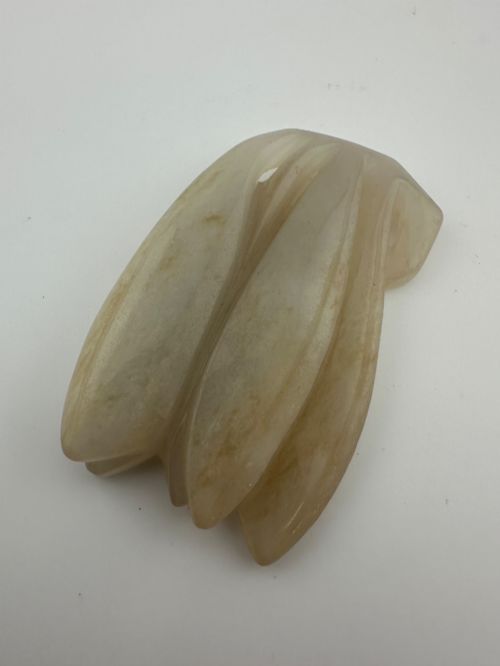
Carving natural materials such as jade, ivory, shell, and coral required exceptional skill from lapidaries and glyptic artists working with primitive hand tools. Gemstones were shaped into cabochons or cut as early brilliant, rose, and old mine diamonds before being secured in bezel or claw settings. Assembly often involved intricate wirework, soldering, and hinged components for lockets and multi-drop configurations.
What varies in quality
The standard of execution in metalwork and gemstone selection dictates the upper tier of these jewels, distinguishing master craftsmanship from simpler production. Precision in hand-chasing, the depth of relief in carved cameos, and the uniformity of micro-mosaic or enamel work indicate superior artisan input. Finer examples maintain original components, clasps, and chains without significant modern replacement parts.
The purity of the gold - ranging from lower carat standards up to high purity yellow and rose gold - contributes to the intrinsic value of the piece. Gemstone quality, including the natural treatment status of rubies, sapphires, and pearls, creates a substantial divergence in market standing. Exceptional provenance, original fitted boxes, and documented historical attribution further elevate the standing of specific specimens.
The 19th Century Pendant Glossary
- Cabochon
- A gemstone shaped and polished with a smooth, convex dome rather than faceted edges. This style highlights the natural colour and optical properties of stones like garnets, opals, and star sapphires.
- Repoussé
- A metalworking technique where a malleable metal is hammered from the reverse side to form a raised design in relief. Artisans then refine the front details with chasing tools.
- Old Cut Diamond
- A general term for hand-cut diamonds produced before modern brilliant-cutting standards were established in the twentieth century. These stones typically feature smaller tables, higher crowns, and open culets.
- Chatelaine
- A decorative belt hook worn with a series of suspended functional tools and accessories such as keys, vinaigrettes, and sewing implements. They served as both practical utilities and status symbols for Victorian households.
- Micro-mosaic
- An intricate Italian art form composed of tiny glass tesserae assembled together to form detailed miniature pictures. They frequently decorated brooches and pendants depicting archaeological ruins or flora.
19th Century Pendant: Frequently Asked Questions
Can I wear these pendants on modern chains?
Most antique pendants feature bails or loops that accommodate standard modern chains, provided the opening is sufficiently wide. It is important to match the gold colour and metal type to maintain a cohesive historical appearance.
Heavier pieces require sturdier chains to support their weight safely during daily use. Consulting a jeweller can help secure an appropriate matching chain for delicate antique bails.
What is an Etruscan Revival pendant?
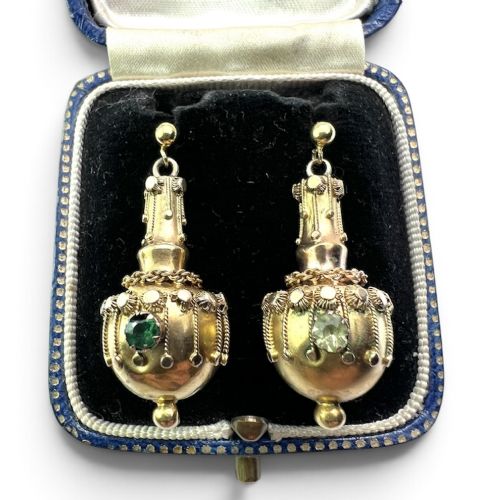
Etruscan Revival jewellery draws direct inspiration from ancient archaeological excavations in Italy during the mid-nineteenth century. Goldsmiths replicated ancient granulation and filigree techniques to create distinctive golden textures.
This style became immensely popular following major museum acquisitions and archaeological discoveries in Rome and Etruria. Pieces often feature amphora motifs, classical profiles, and rich matte yellow gold finishes.
How do I identify a locket pendant?
Locket pendants are hinged ornaments designed to open and reveal a hidden interior compartment for photographs, hair mementos, or miniature paintings. They often feature secure snap closures or small glass glazed panels inside the cavity.
Victorian mourning jewellery frequently utilised this form to keep deceased loved ones close to the heart. Examining the reverse side usually reveals the subtle split line where the hinged cover meets the main body.