
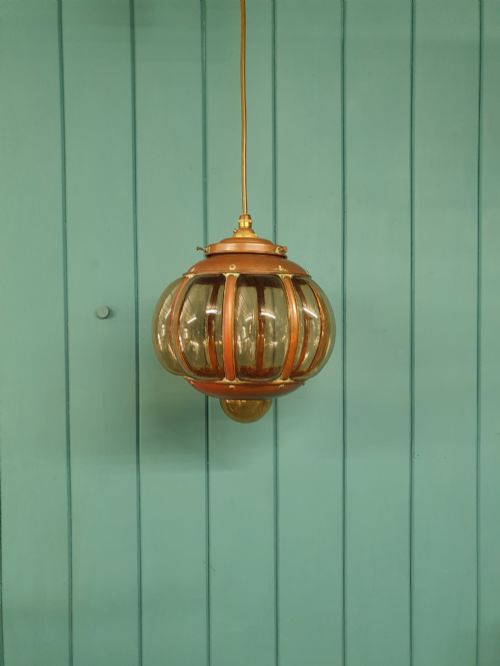


Copper Pendant Lantern
These copper pendant lantern designs combine practical illumination with enduring metalwork from Victorian, Edwardian, and later twentieth-century workshops.
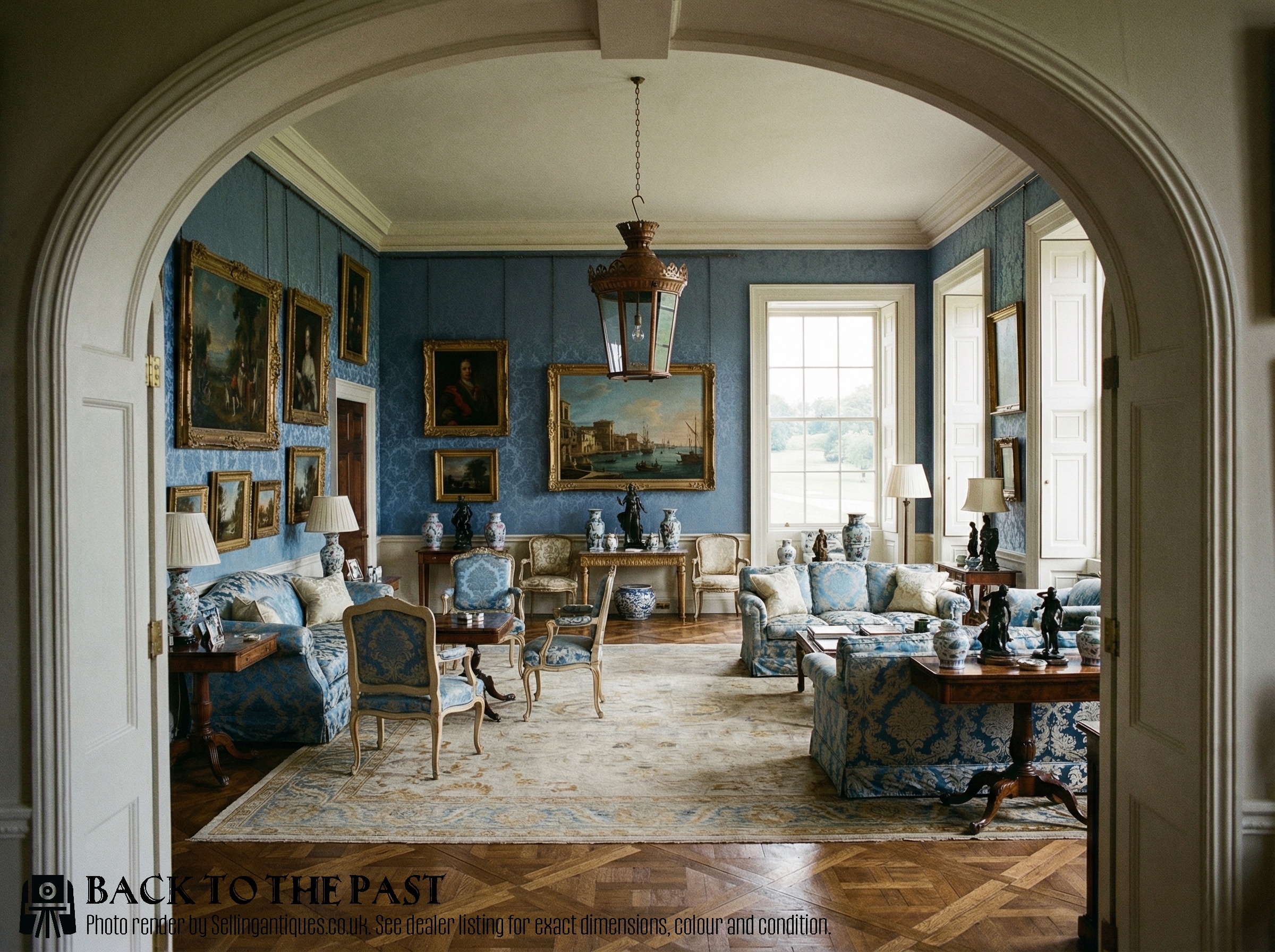
Copper Pendant Lantern
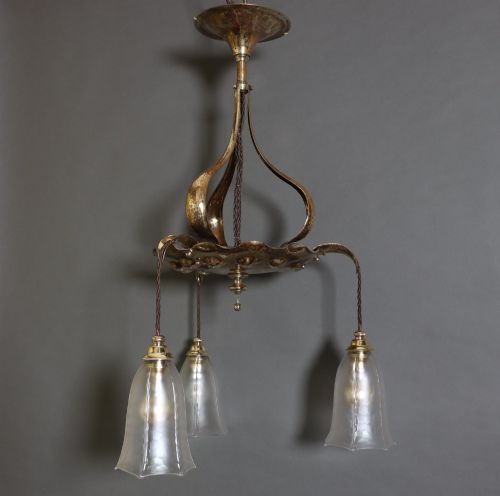
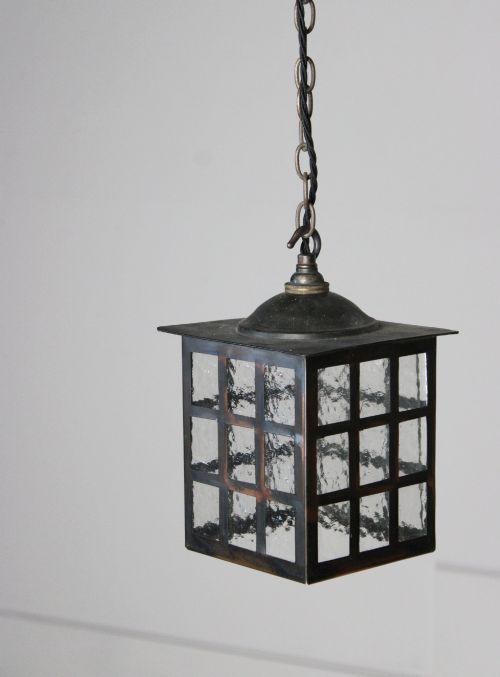
A copper pendant lantern hangs from ceilings or brackets to illuminate halls, porches, and rooms. You will frequently encounter Edwardian and Arts and Crafts examples, alongside Victorian and later twentieth-century iterations.
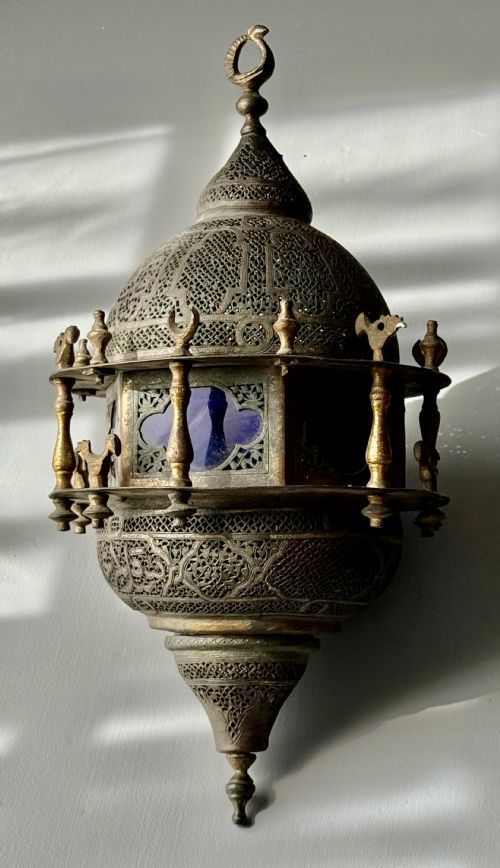
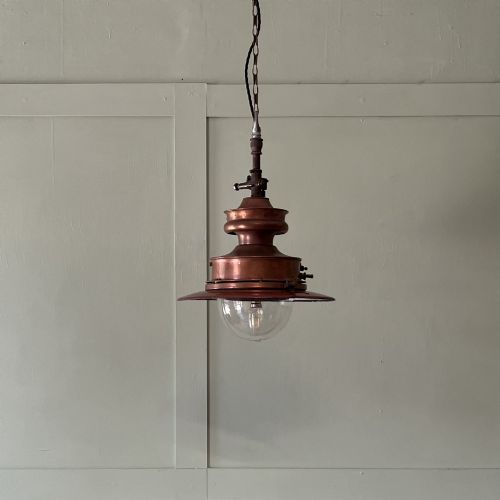
The selection ranges from nautical deck lights and railway markers to decorative domestic hall lanterns and Moorish revival hanging pieces. These objects serve as functional overhead lighting while anchoring a room with substantial metallic presence.
Materials and construction methods
Workshops fashioned these lanterns primarily from sheet copper and brass, often combining wrought iron for structural suspension brackets and internal frames. Metal components were beaten, riveted, or soldered together to form durable housing for the light source.
Glazing varied from clear glass panes to smoked glass, opalescent glass, and green glass panels that diffused the interior bulb or flame. Artisans frequently pierced or etched the metal frames, particularly in Moorish and Arts and Crafts designs.
Listings feature copper pendant lantern pieces spanning the nineteenth century, the Edwardian era, the Arts and Crafts movement, and the mid-twentieth century.
Distinguishing quality across examples
Superior execution shows in the weight of the gauge copper used, the precision of the riveted or soldered joints, and the integrity of the original metal finish. Heavier hanging lanterns maintain their structural rigidity better over decades of suspension.
The refinement of decorative detailing, such as hand-pierced metalwork or specialised cast brass fittings, separates standard production pieces from finer workshop creations. Original glass panels, particularly coloured or textured varieties like smoked and opalescent panes, add considerable distinction.
G.E.C
The Copper Pendant Lantern Glossary
- Pendant light
- A light fixture suspended from the ceiling by a chain, cord, or metal rod. These fixtures project illumination downward into hallways and rooms.
- Smoked glass
- Glass that has been darkened or tinted during manufacturing to soften the glare of the light bulb. It provides a warm, subdued glow within enclosed metal lanterns.
- Opalescent glass
- Milky, translucent glass that diffuses light evenly across its surface. This material often appears in Arts and Crafts lighting fixtures.
- Wrought iron
- Tough, malleable iron that is heated and hammered into shape by a blacksmith. It frequently forms the robust structural brackets and hanging chains on heavier lanterns.
Copper Pendant Lantern: Frequently Asked Questions
Where should I hang a copper pendant lantern?
These lanterns suit entrance halls, porches, and high-ceilinged rooms where their suspended design can hang freely. They provide focused overhead illumination while serving as a prominent decorative focal point.
Ensure you account for the physical dimensions and drop length of the specific lantern to maintain proper clearance beneath it in your chosen space.
How do I date an antique copper lantern?
Examine the construction techniques, fastening methods, and stylistic cues such as Arts and Crafts hand-beating or Victorian industrial framing. Materials like smoked or opalescent glass also offer clues regarding the manufacturing era.
Comparing the wiring components and metal patina helps narrow down whether a piece originates from the nineteenth century or the mid-twentieth century.
Are these lanterns suitable for outdoor use?
Many surviving examples originated as porch lights, railway markers, or ships' deck fittings designed to withstand exterior environments. Their copper and brass construction resists corrosion well when exposed to the elements.
You should verify the current weather-proofing and electrical IP rating of any vintage lantern before installing it outdoors.
How do I clean antique copper?
Remove dust and surface grime gently using a soft, dry cloth rather than harsh abrasive cleaning compounds. Preserving the natural aged patina is generally preferred by collectors over achieving a bright, polished shine.
Avoid chemical dips that strip away the historical surface character accumulated on the metal over the decades.